Atrial fibrillation, usually shortened to AFib, is the heart rhythm problem with a talent for showing up uninvited. One minute the heart is doing its normal steady drumbeat, and the next it is improvising like a jazz drummer who skipped rehearsal. AFib happens when the upper chambers of the heart beat irregularly and often too quickly, which can lead to symptoms such as palpitations, fatigue, shortness of breath, dizziness, chest discomfort, or no symptoms at all. That last part is what makes AFib especially sneaky.
The good news is that AFib care has changed dramatically. Treatment is no longer just “slow the heart down and hope for the best.” Modern AFib management now focuses on preventing stroke, reducing symptoms, protecting long-term heart function, treating underlying risk factors, using better rhythm-control strategies earlier, and matching the right therapy to the right patient. In other words, AFib care has moved from a one-size-fits-all sweater to something much closer to tailored medicine.
This article explores the most important advances in AFib treatment and prevention, including newer ablation technologies, smarter use of blood thinners, early rhythm-control strategies, wearable monitoring, left atrial appendage closure, and lifestyle-based prevention that actually deserves a seat at the grown-up cardiology table.
What Makes AFib So Important?
AFib is common, and its impact is growing as the population ages. In the United States, millions of people live with AFib, and projections suggest the number will rise sharply in the coming decades. The condition matters because it can increase the risk of stroke, heart failure, hospitalizations, reduced exercise tolerance, and lower quality of life.
The main danger is not always the irregular heartbeat itself. The bigger concern is that AFib can allow blood to pool in the upper chambers of the heart, especially in a small pouch called the left atrial appendage. When blood sits around like it missed the bus, clots can form. If a clot travels to the brain, it can cause a stroke. That is why stroke prevention is one of the central pillars of AFib treatment.
The New AFib Mindset: Treat Early, Treat Personally
One of the biggest shifts in AFib care is the move toward earlier and more individualized treatment. Older approaches often separated AFib care into two broad camps: rate control or rhythm control. Rate control means allowing AFib to continue while using medication to slow the heart rate. Rhythm control means trying to restore and maintain a normal rhythm with medications, cardioversion, or ablation.
Today, doctors are more likely to ask a sharper question: what is the patient’s stage of AFib, symptom burden, stroke risk, lifestyle profile, heart structure, sleep health, weight, blood pressure, and personal goals? That sounds like a long checklist because it is. AFib is not just an electrical glitch; it often reflects a larger cardiovascular environment.
Early Rhythm Control Is Getting More Attention
Recent evidence has strengthened the case for early rhythm control in selected patients, especially those with newly diagnosed AFib and cardiovascular risk factors. The logic is simple: AFib can progress over time. The longer the heart stays in irregular rhythm, the more the atria may remodel, stretch, and become friendlier territory for future AFib episodes. Basically, AFib can renovate the heart in its own image, and no one asked it to bring paint samples.
Early rhythm control may include antiarrhythmic medications, electrical cardioversion, catheter ablation, or a combination of strategies. It is not the answer for everyone, but the modern trend is to consider rhythm control earlier rather than waiting until AFib becomes persistent, stubborn, and about as cooperative as a cat in a bathtub.
Stroke Prevention: Smarter Blood Thinner Decisions
Preventing stroke remains one of the most important goals in AFib treatment. Blood thinners, also called anticoagulants, reduce the chance that clots will form and travel to the brain. For many patients with AFib and elevated stroke risk, anticoagulation can be life-saving.
DOACs Have Changed the Game
For decades, warfarin was the classic blood thinner used for AFib. It works, but it requires regular blood testing, dose adjustments, and attention to food and medication interactions. Direct oral anticoagulants, often called DOACs, have made stroke prevention easier for many patients. These medications usually do not require routine blood monitoring and have fewer food interactions than warfarin.
Current guidelines generally prefer DOACs over warfarin for many people with nonvalvular AFib, except in specific situations such as mechanical heart valves or moderate-to-severe mitral stenosis. This is a major practical improvement. Fewer monitoring headaches means fewer opportunities for patients to feel like their calendar has been hijacked by lab appointments.
Aspirin Is Not a Substitute for Anticoagulation
Another important update is the declining role of aspirin for AFib-related stroke prevention. Aspirin may sound familiar and harmless, but for AFib stroke prevention it is usually not an adequate substitute for anticoagulation when a patient truly needs a blood thinner. That distinction matters. Familiar does not always mean effective, and “I found it in the medicine cabinet” is not a stroke-prevention strategy.
Left Atrial Appendage Closure: An Option for Selected Patients
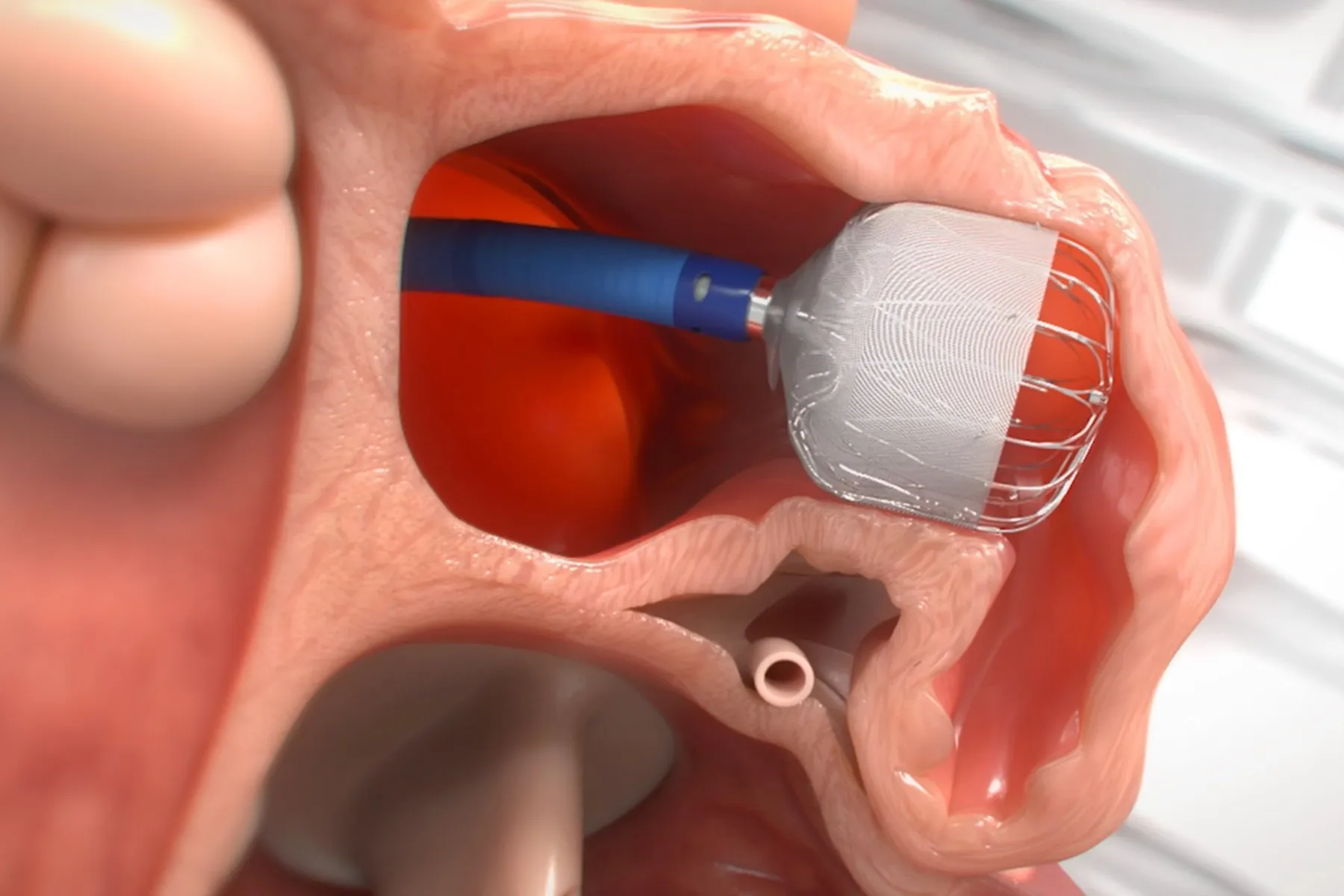
Some people have a high risk of stroke but cannot safely take long-term anticoagulants because of serious bleeding risks or other medical concerns. For selected patients, left atrial appendage closure may be considered. This procedure seals off the small pouch where many AFib-related clots form.
The idea is straightforward: if the left atrial appendage is a common clot-formation zone, closing it may reduce stroke risk for patients who are not good candidates for long-term blood thinners. It is not a universal replacement for anticoagulation, and patient selection is extremely important. The best candidates are usually evaluated by a cardiologist or electrophysiologist who can weigh stroke risk, bleeding risk, anatomy, and long-term treatment goals.
Catheter Ablation: From Backup Plan to Earlier Option
Catheter ablation has become one of the most important advances in AFib treatment. During ablation, an electrophysiologist guides thin catheters through blood vessels to the heart and targets the abnormal electrical signals that trigger or maintain AFib. The most common target is the area around the pulmonary veins, where many AFib triggers begin.
Traditional ablation uses heat, called radiofrequency ablation, or extreme cold, called cryoablation. Both methods create controlled areas of scar tissue to block abnormal electrical signals. For many patients, ablation can reduce AFib episodes, improve symptoms, and reduce reliance on rhythm medications.
Who May Benefit From Ablation?
Ablation may be considered for people with symptomatic AFib that does not respond well to medication, those who cannot tolerate antiarrhythmic drugs, and some patients as a first-line rhythm-control option. It has also gained stronger support in selected patients with heart failure and reduced ejection fraction, where restoring rhythm may improve heart function and quality of life.
Still, ablation is not magic. AFib can return, and some people need more than one procedure. The goal is not to sell ablation as a miracle button, because the heart unfortunately does not come with a factory reset. The real goal is to choose the treatment most likely to reduce symptoms, prevent progression, and fit the patient’s overall risk profile.
Pulsed Field Ablation: A Major New Technology
One of the most exciting recent advances in AFib treatment is pulsed field ablation, or PFA. Unlike radiofrequency ablation and cryoablation, which use heat or cold, PFA uses short electrical pulses to affect heart tissue. The appeal is that PFA may target heart muscle cells more selectively while reducing injury to nearby structures such as the esophagus, nerves, or blood vessels.
This tissue-selective approach is why many electrophysiologists are excited about PFA. AFib ablation happens in a crowded neighborhood. The heart sits near important structures, and traditional thermal ablation requires careful energy control to avoid collateral damage. PFA may offer a safer and faster option in appropriate patients, though long-term real-world data are still being gathered.
Why PFA Matters for Patients
For patients, PFA may mean shorter procedure times, improved safety margins, and a modern alternative to older ablation tools. Several PFA systems have received U.S. regulatory approval for certain AFib populations, and hospitals are increasingly adopting the technology. However, availability varies by center, and not every patient is a candidate.
The most realistic way to describe PFA is this: it is not science fiction, and it is not a cure-all. It is a promising evolution in ablation technology that may improve the treatment experience for many patients. Cardiology rarely gets a shiny new tool that is both clinically meaningful and fun to explain at dinner, but PFA comes close.
Wearables and AFib Detection: Your Watch May Notice First
Another major advance is the rise of consumer wearables and mobile heart rhythm tools. Smartwatches, handheld ECG devices, and patch monitors can detect irregular rhythms and help patients track AFib burden. AFib burden refers to how much time a person spends in AFib over a given period.
Wearables are not a replacement for medical evaluation, but they can be useful conversation starters. A smartwatch alert should not trigger panic, but it should encourage follow-up. Doctors may confirm AFib with a medical-grade ECG, Holter monitor, event monitor, or longer-term patch monitor.
The Benefit of Better Monitoring
Better rhythm monitoring helps in several ways. It can detect silent AFib, measure whether treatments are working, document symptoms, and guide medication or ablation decisions. It can also reveal patterns: maybe AFib episodes happen after poor sleep, heavy alcohol intake, dehydration, intense stress, or a weekend diet that looks like it was planned by a raccoon with a credit card.
The caution is that more data can also create more anxiety. Not every skipped beat is an emergency. The best use of wearables is structured: collect useful information, share it with a clinician, and avoid turning every vibration on your wrist into a courtroom drama.
Lifestyle Is Now a Core Treatment, Not a Footnote
Perhaps the most underappreciated advance in AFib prevention is the stronger emphasis on lifestyle and risk factor management. This is not the old “eat better, good luck” advice. Modern AFib care increasingly recognizes that weight, blood pressure, sleep apnea, alcohol intake, diabetes, fitness, smoking, and inflammation can influence AFib onset and progression.
Weight Management and AFib Burden
Excess weight can increase pressure and inflammation in the body, enlarge the left atrium, and make AFib harder to control. Studies have shown that meaningful weight loss in overweight patients can reduce AFib burden and improve rhythm outcomes, especially when combined with exercise and management of other risk factors.
This does not mean crash dieting. In fact, crash dieting is the nutritional equivalent of slamming a laptop shut and hoping the spreadsheet fixed itself. Sustainable weight management usually means steady changes: more whole foods, fewer ultra-processed calories, reasonable portions, and support from healthcare professionals when needed.
Blood Pressure Control
High blood pressure is one of the most important AFib risk factors. It forces the heart to work harder and can stretch the atria over time. Better blood pressure control can reduce the risk of developing AFib and may also reduce recurrence in people who already have it.
For many patients, blood pressure control includes medication, lower sodium intake, regular activity, weight management, better sleep, and limiting alcohol. The unglamorous truth is that blood pressure control is not flashy, but it is powerful. It is the sensible shoes of heart health: not dramatic, but very useful.
Sleep Apnea Treatment
Obstructive sleep apnea is common in people with AFib. Repeated drops in oxygen during sleep can strain the heart and increase rhythm instability. Treating sleep apnea may improve AFib control and make rhythm treatments more effective.
People who snore loudly, wake up gasping, feel sleepy during the day, or have resistant high blood pressure should ask a healthcare professional about sleep apnea evaluation. Sometimes the most advanced AFib treatment begins with admitting that “I sleep fine” may not be accurate if the bedroom sounds like a chainsaw convention.
Alcohol and AFib
Alcohol can trigger AFib episodes in some people. Even moderate intake may increase risk for certain patients, while binge drinking is a well-known trigger. Many clinicians now advise people with AFib to reduce alcohol significantly or avoid it, especially if episodes clearly follow drinking.
This is not about moral judgment. It is about pattern recognition. If AFib keeps arriving after alcohol, the heart may be leaving a review, and it is not five stars.
Exercise: Enough, Not Extreme
Regular physical activity supports weight control, blood pressure, blood sugar, mood, sleep, and cardiovascular fitness. For most people, moderate aerobic exercise is beneficial. Walking, cycling, swimming, and strength training can all be part of a heart-healthy plan.
Extreme endurance training may increase AFib risk in some individuals, so balance matters. The goal is not to become a human treadmill. The goal is consistent movement that supports the heart without turning every workout into a survival documentary.
Medication Advances and Better Treatment Matching
AFib medications generally fall into three groups: rate-control drugs, rhythm-control drugs, and anticoagulants. Rate-control medications slow the heart rate. Rhythm-control medications help maintain normal rhythm. Anticoagulants reduce stroke risk.
The advance is not just new pills. It is better decision-making. Doctors now consider kidney function, age, bleeding risk, other medications, structural heart disease, patient preferences, lifestyle, symptom burden, and AFib stage. The result is more personalized care.
Rate Control Still Matters
Not every patient needs aggressive rhythm control. For some people, especially those with minimal symptoms, rate control plus stroke prevention may be appropriate. The goal is to keep the heart rate in a safe range and prevent complications.
Rhythm Drugs Require Careful Selection
Antiarrhythmic medications can help maintain normal rhythm, but they require careful selection because some have significant side effects or may not be safe in certain heart conditions. This is why rhythm medications should be managed by clinicians familiar with the patient’s full heart history.
AFib Prevention: The Best Treatment Is the Episode That Never Happens
Prevention is becoming a bigger part of AFib care. Some risk factors, such as age and family history, cannot be changed. Others can. The most important prevention strategies include controlling blood pressure, maintaining a healthy weight, staying physically active, managing diabetes, treating sleep apnea, avoiding smoking, limiting alcohol, and following a heart-healthy eating pattern.
A practical AFib prevention plate looks a lot like a general heart-health plan: vegetables, fruits, whole grains, beans, nuts, fish or lean proteins, healthy fats, and less sodium, added sugar, and heavily processed food. It is not glamorous, but neither is sitting in a cardiology waiting room because your dinner routine declared independence from common sense.
Patient Experience: What AFib Care Feels Like in Real Life
Beyond the science, AFib is personal. Many patients describe the first episode as frightening. The heart suddenly races or flutters, and the mind immediately opens seventeen browser tabs of worry. Is it a heart attack? Is it dangerous? Will it happen again? Should I go to the emergency room? Why is my smartwatch acting like it just saw a ghost?
A common experience is uncertainty. Some people feel every episode clearly. Others have silent AFib discovered during a routine exam, smartwatch alert, pre-surgery ECG, or evaluation for fatigue. This difference can be frustrating because symptoms do not always match risk. A person with mild symptoms may still need stroke prevention, while a person with dramatic palpitations may have lower stroke risk depending on age and other conditions.
Another real-world challenge is choosing between treatment options. Medication may feel easier at first, but side effects can be annoying. Ablation may sound intimidating, but for some patients it offers better symptom control. Blood thinners reduce stroke risk, but people often worry about bleeding. Lifestyle changes are powerful, but they demand consistency, and consistency is hard when life keeps handing out stress like free samples at a warehouse store.
One helpful approach is to treat AFib care as a long-term partnership rather than a single decision. Patients often do best when they track symptoms, ask clear questions, understand their stroke risk, review medication instructions, and discuss goals honestly. For example, a patient who wants to return to hiking may prioritize rhythm control differently than someone whose main goal is avoiding hospital visits. A patient with frequent falls or prior bleeding may need a deeper discussion about anticoagulation or left atrial appendage closure.
Technology can also improve the patient experience, but it works best with boundaries. A smartwatch can help document episodes, but constantly checking heart rhythm can become exhausting. A better strategy is to record meaningful symptoms, save rhythm strips when available, note possible triggers, and share organized information with a clinician. “My heart felt weird 42 times” is less helpful than “three episodes occurred after poor sleep and alcohol, lasted about two hours, and caused shortness of breath.” Specific beats vague every time.
Many patients also discover that prevention is not one heroic lifestyle makeover. It is a series of boring victories. Taking blood pressure medication consistently. Walking after dinner. Getting evaluated for sleep apnea. Reducing alcohol. Losing weight gradually. Cooking more often. Stopping smoking. Keeping follow-up appointments. These steps may not make for dramatic movie scenes, but they can reduce AFib burden and improve overall heart health.
The emotional side deserves attention too. AFib can make people feel fragile, even when their condition is manageable. Anxiety about the next episode is common. Education helps. So does having a clear action plan: when to rest, when to call the doctor, when to seek urgent care, and how to take medications correctly. Confidence grows when patients understand what is happening and what tools are available.
The most encouraging part of modern AFib care is that patients have more options than ever. Treatment can be adjusted over time. A person may start with lifestyle changes and medication, then consider ablation if symptoms continue. Another may need anticoagulation first, then rhythm control later. Someone else may focus on sleep apnea and weight loss before a procedure to improve the odds of success. AFib care is increasingly flexible, and that flexibility is a major advance.
Conclusion: The Future of AFib Care Is Earlier, Smarter, and More Personal
Advances in AFib treatment and prevention are changing what patients can expect. Stroke prevention is more precise. DOACs have simplified anticoagulation for many people. Catheter ablation has moved earlier in the treatment conversation. Pulsed field ablation is opening a new chapter in rhythm-control technology. Wearables are helping detect and track AFib. Lifestyle and risk factor management are now recognized as essential, not optional decoration.
The most important message is that AFib is manageable. It should be taken seriously, but it does not have to run the entire show. With the right medical guidance, treatment plan, and prevention strategy, many people with AFib can reduce symptoms, lower stroke risk, and live active, confident lives. The heart may occasionally try to freestyle, but modern medicine has become much better at getting the band back on tempo.