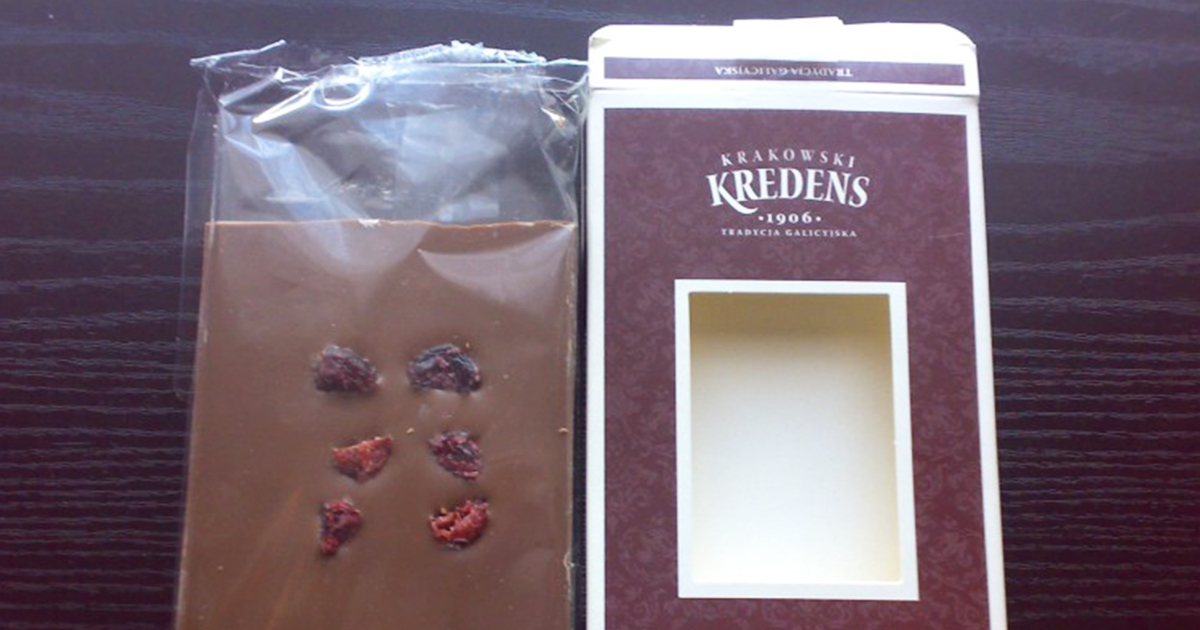
Note: The examples below are composite, category-level situations inspired by everyday shopping experiences. They do not accuse any named brand of illegal conduct. Sometimes an ad is simply polished; sometimes it crosses into misleading territory; and sometimes a tiny font appears to have been designed by a mischievous ant.
Advertising is supposed to help us choose. In its best form, it tells us what a product does, what it costs, and why it might make our lives easier. In its funniest form, however, it shows us a burger the size of a decorative throw pillow, a hotel room with the lighting of a movie set, or a “family-size” snack bag that contains enough chips to feed one mildly annoyed teenager.
That gap between ad world and real world is why false advertising examples are endlessly entertaining. The best ones are not always dramatic scams. Often, they are everyday little surprises: a package that is mostly air, a “free trial” that grows monthly fees like a houseplant, or a “giant” cookie that turns out to be emotionally giant rather than physically giant.
To be clear, not every disappointing product is legally deceptive. Businesses can use flattering photography, creative staging, and enthusiastic copy. But advertising becomes a real problem when a reasonable customer could be misled about material details such as price, quantity, performance, ingredients, availability, endorsements, or recurring charges. That is when the joke stops being “well, that was optimistic” and starts sounding more like “where is my receipt?”
Why Ads and Reality So Often Drift Apart
Ads are built to make products look their absolute best. Food is styled under bright lights. Apartments are photographed with wide-angle lenses. A “limited-time offer” is presented with flashing urgency, even though the same offer may reappear every other Tuesday. None of that automatically makes an ad false. The trouble begins when the important facts hide behind vague wording, confusing disclosures, cropped photos, tiny exclusions, or a checkout screen that behaves like a maze designed by a bored wizard.
Smart shoppers do not need to become cynical. They simply need to become curious. Read the full price, compare unit costs, inspect the number of servings, look for recurring charges, and treat phrases such as “up to,” “from,” “clinically proven,” and “results may vary” as invitations to investigate rather than invitations to celebrate.
101 Ads Vs. Reality Moments We Have All Seen
Food, Snacks, and the Great Packaging Illusion
- The skyscraper burger: The ad shows six perfect layers; reality arrives looking like it lost a wrestling match.
- The cheese pull: The commercial features a glorious stretch; your slice produces one polite string and then gives up.
- The “loaded” pizza: The menu promises toppings everywhere; reality has three pepperoni slices practicing social distancing.
- The giant cookie: The package photo looks bakery-sized; the actual cookie could hide behind a quarter.
- The overflowing cereal bowl: The box shows berries, milk, sunshine, and joy; you get crumbs and one suspiciously shaped oat.
- The frozen dinner fantasy: The label shows a restaurant plate; the microwave delivers a beige geography lesson.
- The smoothie bowl: The photo has mango roses and chia art; your kitchen version resembles purple cement.
- The “extra cheesy” entrée: The cheese exists, technically, in the same way Pluto exists: small, distant, and debated.
- The stuffed crust: The ad shows a lava flow of filling; reality offers a faint memory of dairy.
- The oversized burrito: It appears arm-length online; in person, it is a folded tortilla with confidence.
- The premium ice cream carton: The tub looks generous until you discover that half the container is architectural air.
- The chips bag: The package announces “party size”; the party must be eight people sharing one bowl carefully.
- The fruit-filled pastry: The image suggests orchard abundance; the filling is a thin red rumor.
- The “natural” snack halo: Leaves on the package do not magically turn a candy bar into a hiking instructor.
- The tiny serving-size surprise: The calorie number looks friendly until the label reveals the bag contains 3.5 servings.
- The fresh-looking salad: The menu photo has crisp greens; reality contains one lettuce leaf thinking about retirement.
- The jumbo shrimp promise: “Jumbo” is apparently a mood, not a measurement.
- The bakery muffin: The display version has a towering crown; yours arrives with the posture of a tired mushroom.
- The chocolate-covered anything: The package depicts a thick shell; reality has a cocoa-colored windshield smear.
- The “family recipe” label: The family may be real, but the ingredients still deserve a closer look.
- The “made with real fruit” claim: A product can contain fruit and still be mostly sugar wearing a strawberry costume.
Retail Displays, Product Photos, and Optical Illusions
- The full-size furniture photo: The couch looks apartment-ready until the measurements reveal it is dollhouse-adjacent.
- The online rug: The listing suggests a living-room centerpiece; the delivered version covers roughly one ambitious foot.
- The “spacious” studio: A wide-angle lens turns a hallway into what appears to be a minor airport terminal.
- The glamorous lamp: It glows beautifully in the photo; at home, it illuminates one sock and a houseplant.
- The mystery-scale vase: Without a person nearby, every vase is either enormous or ready for a single heroic tulip.
- The bedding set: The photo includes pillows, throws, art, and happiness; the purchase includes one fitted sheet.
- The “premium” plastic: The phrase often means plastic wearing a blazer.
- The huge wall art: The listing shows a dramatic gallery piece; the package contains something postcard-sized.
- The fashion model effect: The jacket looks tailored on a posed model; your version has different ideas about sleeves.
- The accessories-not-included twist: The ad shows a full setup; the box contains the smallest possible part of that setup.
- The vacuum photo: It picks up glitter, cereal, pet hair, and hope; reality struggles with one breadcrumb.
- The storage-bin promise: “Holds 40 items” is technically true when the items are paper clips.
- The “easy assembly” claim: Easy for whom? A trained octopus with a graduate degree in instructions?
- The color-shifting product image: “Warm beige” online becomes “surprised pumpkin” in your living room.
- The before-and-after cleaning photo: The “before” looks like a haunted basement; the “after” may involve a new countertop.
- The pet product scale issue: A toy looks perfect for a dog until your dog treats it like a garnish.
- The “compact” appliance: Compact enough to fit on a counter, assuming the counter has been cleared of civilization.
Online Shopping, Apps, and Digital Trickery
- The countdown clock: “Only 4 minutes left!” has been displaying four minutes since last Thursday.
- The nearly sold-out warning: “Only two left” may mean two left in a warehouse the size of Nebraska.
- The checkout surprise: A $12 item becomes $27 after shipping, handling, service, processing, and emotional fees.
- The “free” trial: It is free in the way a puppy is free: delightful at first, expensive if you stop paying attention.
- The subscription maze: Signing up takes one click; canceling requires an expedition, a password reset, and a blood moon.
- The prechecked box: You came for socks and accidentally enrolled in a monthly sock philosophy club.
- The tiny discount: “Save 70%” sounds glorious until the item was briefly priced like a private island.
- The crossed-out price: The dramatic original price may be less important than the final price you actually pay.
- The celebrity-style product photo: The item looks familiar because the listing is borrowing somebody else’s credibility.
- The reviews with identical enthusiasm: Fifty people writing “Amazing product!!!” can feel less like a community and more like a choir rehearsal.
- The influencer miracle: A glowing endorsement should be viewed differently when sponsorship or free products are involved.
- The app permission ambush: A flashlight app does not need your birthday, microphone, and deepest childhood secrets.
- The “personalized” deal: It feels special until everyone else receives the same special deal.
- The hidden auto-renewal: The first payment is visible; the future payments are hiding behind a dropdown arrow.
- The comparison chart: The seller’s product wins every category, including categories the seller invented at breakfast.
- The search result ad: It looks like an independent recommendation until you notice the tiny “sponsored” label.
- The mystery marketplace seller: The listing has professional photos; the seller name resembles a Wi-Fi password.
Cars, Travel, and “Just Like the Photo” Adventures
- The fuel-economy fantasy: Your driving conditions include traffic, weather, hills, and a passenger who loves the air conditioner.
- The luxury rental car: “Or similar” is doing heavy emotional lifting in that reservation.
- The hotel pool photo: It looks resort-sized online; in person, it is a decorative rectangle beside the parking lot.
- The ocean-view room: You can technically see the ocean if you lean sideways past the elevator and one determined palm tree.
- The “minutes from downtown” listing: Yes, minutes awayif you travel by helicopter at 3 a.m.
- The airline fare: The price is low until bags, seats, boarding choices, and breathing privileges appear.
- The spacious back seat: Spacious for two adults, one small child, or a collection of reusable shopping bags.
- The “all-inclusive” vacation: Everything is included except the things you assumed were included.
- The upgraded room: The upgrade may involve one extra chair and a view of a more expensive hallway.
- The roadside attraction: “World-famous” can mean famous to the gift-shop cashier and three Facebook groups.
- The glamorous campsite: The brochure has lanterns and linen; reality has mosquitoes with union representation.
- The “walkable neighborhood”: Technically walkable, assuming you enjoy sidewalks, traffic, and personal reflection.
- The resort fee: A fee added after the headline rate is never as relaxing as the word “resort” suggests.
Beauty, Wellness, and Confidence in a Bottle
- The shampoo commercial: The model’s hair has its own weather system; your hair has Tuesday.
- The “instant glow” serum: It may add moisture, but it cannot negotiate with your sleep schedule.
- The mascara transformation: The ad may involve lighting, styling, and lashes that brought backup lashes.
- The miracle cream: “Visibly smoother” is a phrase that deserves a magnifying glass and a calendar.
- The supplement promise: A cheerful label is not a substitute for solid evidence or professional advice.
- The detox tea: Your body already has organs with excellent résumés for that job.
- The “clinically tested” phrase: Tested is not the same as proven effective for every dramatic claim nearby.
- The whitening toothpaste: The commercial smile could guide ships through fog; your coffee habit may disagree.
- The wrinkle-free shirt: The shirt may resist wrinkles, but it cannot survive being folded into a laundry volcano.
- The anti-frizz miracle: Humidity reads marketing claims and laughs politely.
- The fitness gadget: Owning a resistance band does not automatically create a montage sequence.
- The posture device: It can remind you to sit straighter; it cannot stop you from becoming a question mark during homework.
- The “clean beauty” label: “Clean” can sound reassuring while still leaving shoppers to decode what it means.
- The before-and-after photo: Different lighting, angles, styling, and timing can do a lot of lifting.
Money, Memberships, and the Math That Went Missing
- The “as low as” payment: The low payment may be real for someone with ideal qualifications and a lucky moon phase.
- The zero-percent offer: The phrase deserves a full read, especially where timing and deferred interest are concerned.
- The reward-card fireworks: Big rewards can come with terms that are less festive than the commercial.
- The “no annual fee” headline: It is useful information, but it is not the only cost worth comparing.
- The free shipping threshold: Suddenly, you need a $6 candle to avoid a $7 shipping charge.
- The buy-one-get-one deal: You wanted one item; now you own two and a receipt full of questions.
- The rebate adventure: Saving money should not require three forms, a stamp, and a treasure map.
- The clearance tag: A red sticker is exciting, but the unit price still gets the final vote.
- The shrinkflation surprise: The box looks familiar, the price looks familiar, and the contents quietly got smaller.
- The “members save more” promise: The savings can be real, but so can the annual fee and automatic renewal.
- The “starting at” home improvement ad: The starting point may cover one screw, a handshake, and an optimistic brochure.
- The financing banner: Monthly payments make a big total feel small until you multiply them like an adult.
- The auction countdown: Urgency can turn a thoughtful buyer into someone bidding against their own adrenaline.
- The coupon that excludes everything: “Valid on most items” sometimes means valid on one mug in aisle seven.
- The loyalty-points puzzle: You earn points, convert points, activate points, and eventually need points to understand points.
- The bundle bargain: The package is cheaper than buying separately, assuming you genuinely need all twelve mystery attachments.
- The “limited edition” restock: A product can return so often that it deserves its own mailbox.
- The “best value” badge: It may be true, but comparing price per ounce, use, or item tells the fuller story.
- The final checkout total: The best reality check is still the number that appears before you press “place order.”
When Is It Actually False Advertising?
There is an important difference between advertising that is flattering and advertising that is misleading. A professional food photo may look better than your takeout order because photography is, frankly, a tiny bit magical. But an ad can raise real concerns when it gives consumers a false impression about the price, amount, ingredients, performance, eligibility, origin, or ongoing cost of a product or service.
Watch especially closely when a claim depends on a qualifier. “Up to 50% off,” “starting at $19,” “results in seven days,” “free,” “all natural,” “clinically tested,” “limited availability,” and “best value” are not automatically bad phrases. They are simply phrases that deserve backup. Ask: What exactly is included? Who qualifies? How is the claim measured? What will I pay after today?
Five Smart Ways to Avoid an Ads-Vs.-Reality Surprise
- Check the total, not just the headline. Include shipping, fees, taxes, add-ons, subscriptions, and future renewal charges.
- Read product dimensions and quantities. Photos are persuasive; measurements are stubbornly honest.
- Compare unit prices. Cost per ounce, item, use, or month can reveal whether a “deal” is actually a deal.
- Read reviews with a detective’s patience. Look for detailed, balanced comments and be cautious with repetitive praise.
- Save screenshots and receipts. If an offer changes or a product differs materially from the listing, documentation matters.
The 500-Word Reality Check: What These Ads Feel Like in Real Life
Everyone has a personal ads-vs.-reality story. Maybe it begins with a late-night purchase made while you were tired, hungry, or convinced that a countertop gadget would finally transform you into a person who meal-preps colorful vegetables on Sundays. The product arrives three days later in a box large enough to hold a microwave, yet the actual item is roughly the size of a sandwich. You stare at it. It stares back. Somewhere, a product photographer is probably enjoying a well-earned vacation.
Food is often where the comedy becomes most immediate. You order a towering burger because the menu photo practically has its own zip code. When the bag arrives, the burger is flatter than a stack of notebooks. The bun has drifted to one side. The lettuce is trying to escape. The sauce is on the wrapper, the fries, your sleeve, and perhaps a neighboring country. Is it delicious? Possibly. Is it the same majestic burger from the image? Only in spirit.
Online shopping has created a whole new generation of reality checks. A listing may show a blanket draped across an enormous bed in a sunlit loft. The price seems great. The reviews look cheerful. Then the blanket arrives and covers approximately half your knees. Technically, the seller may have listed the dimensions. Emotionally, however, the photo had promised you a cozy winter retreat, not a decorative napkin for furniture.
Subscriptions can produce a different kind of surprise: the slow realization that a tiny monthly charge has been quietly hanging around like an uninvited houseguest. You may have joined for a discount, a free sample, a fitness challenge, or access to a single article. Months later, you notice the charge and experience a brief archaeological dig through your bank statement. “Ah,” you say. “So that is where my money has been going.”
Travel ads also deserve a special mention. A hotel listing can be technically accurate while still requiring a generous imagination. “Ocean view” might mean that, from a particular angle, between two buildings, during daylight, you can identify a small blue triangle in the distance. “Walkable” might mean you can physically walk there, provided you have comfortable shoes, a bottle of water, and an appreciation for urban endurance sports.
The lesson is not to stop buying things, trusting businesses, or enjoying a good deal. The lesson is to give the ad a friendly but skeptical nod. Let the photo inspire you, but let the specifications guide you. Let the discount catch your attention, but let the final total make the decision. Let the five-star review impress you, but read the three-star review written by the person who explains exactly what happened.
Most importantly, keep your sense of humor. Sometimes reality is disappointing. Sometimes it is ridiculous. And sometimes the tiny product, squashed burger, or mysteriously recurring subscription becomes a story you tell for years. That is the strange gift of ads-vs.-reality moments: they remind us that marketing can sell a dream, but receipts, labels, measurements, and screenshots are still the undefeated champions of real life.
Final Thought: The funniest false advertising examples reveal a universal truth: we do not mind being impressed, but we do mind being played. A great ad should make a product look appealing without requiring shoppers to bring a magnifying glass, a calculator, and a legal dictionary.