Faux flowers and foliage used to have a reputation problem. For years, they were the home décor equivalent of a bad disguise: too shiny, too stiff, and somehow always sitting in a dusty vase on top of a refrigerator. But today’s artificial flowers, faux greenery, silk stems, and realistic artificial plants have grown up. They no longer scream “plastic fern from 1998.” When chosen well and styled with intention, they can bring color, softness, height, and year-round freshness to a room without demanding sunlight, watering schedules, pruning shears, or emotional apologies after you forget them for three weeks.
That is the real beauty of faux flowers and foliage as accessories. They are not just “fake plants.” They are design tools. A tall faux olive tree can fill an empty living room corner. A few artificial eucalyptus stems can make a bathroom feel calmer. A realistic orchid can bring polish to an entry table. A mixed foliage arrangement can soften shelves, mantels, kitchen counters, and dining tables. In other words, faux botanicals are the quiet little overachievers of home styling.
The trick is knowing how to use them. Done poorly, faux flowers can make a room feel flat, dusty, and staged. Done well, they can look fresh, elegant, and surprisingly natural. This guide covers how to choose, style, clean, arrange, and live with faux flowers and foliage so your home looks intentionally decoratednot like it lost a bet with a craft store.
Why Faux Flowers and Foliage Are Back in Style
The rise of realistic faux flowers and artificial greenery has a lot to do with modern lifestyles. People want homes that feel warm and finished, but not everyone has the time, natural light, pets, climate, or patience required for live plants. Some rooms are simply hostile territory for real greenery. Windowless bathrooms, dark hallways, high shelves, vacation homes, offices, and rental spaces can all benefit from a little botanical softness without becoming plant-care crime scenes.
Another reason faux foliage has become more popular is quality. Today’s best artificial plants are made with improved materials such as silk, polyester, polyurethane, latex-touch finishes, and high-grade plastics. Many have varied green tones, flexible stems, realistic veining, textured bark, and imperfect shapes that mimic how real plants grow. The most convincing pieces are not perfectly symmetrical. Nature is charming because it is a little messy. The best faux greenery understands that.
Faux flowers also offer consistency. Fresh flowers are beautiful, but they are temporary. A bouquet may look glorious on Monday and emotionally defeated by Thursday. Faux flowers, on the other hand, can hold their shape for months or even years with basic care. That makes them practical for people who love seasonal decorating, entertaining, photography, staging, or simply having a cheerful arrangement on the table without making weekly trips to the florist.
How to Choose Faux Flowers That Look Real
Look for Natural Color Variation
One of the easiest ways to spot cheap faux flowers is color that looks too perfect. Real petals usually have subtle shifts in tone. A rose may move from cream to blush. A hydrangea may blend green, blue, lavender, and ivory. Leaves often have deeper color near the stem and lighter edges. When shopping for faux flowers and foliage, choose pieces with layered color instead of one flat shade. If the flower looks like it was colored with a single marker, gently walk away. No drama. Just keep walking.
Avoid Excessive Shine
Real leaves can be glossy, but most are not mirror-shiny. Overly glossy artificial leaves are often the first giveaway that a plant is faux. Matte or softly satin finishes tend to look more natural. If you are buying online, zoom in on product photos and look at customer images when available. If every leaf reflects light like a freshly waxed car, it may not be the best choice for a calm, elevated interior.
Choose Flexible Stems
Flexible stems are essential because they allow you to shape the arrangement. Real flowers lean, bend, droop, and turn toward light. Faux stems that stand rigidly upright can look stiff and unnatural. Bendable wire stems let you create movement. You can angle a rose slightly outward, curve eucalyptus over the edge of a vase, or fan out branches so the arrangement has air and personality.
Buy Individual Stems When Possible
Pre-made faux bouquets are convenient, but they often look too uniform. Individual stems give you more control over scale, color, texture, and spacing. You can mix artificial peonies with faux olive branches, add a few stems of greenery, or keep the arrangement simple with three dramatic stems in a ceramic vase. Individual stems also make it easier to refresh your décor seasonally without replacing everything.
Best Types of Faux Foliage for Home Décor
Faux Eucalyptus
Artificial eucalyptus is a favorite because it is subtle, soft, and versatile. Its muted green tone works in modern, farmhouse, coastal, minimalist, and traditional interiors. Use faux eucalyptus in a tall vase, woven basket, bathroom shelf, bedroom dresser, or dining centerpiece. It adds movement without shouting for attention.
Artificial Olive Branches
Olive branches have a graceful, Mediterranean feel. Faux olive stems are especially effective in entryways, kitchens, and living rooms. A tall arrangement in a clay or stoneware vase can make a room feel collected and relaxed. For extra realism, choose branches with varied leaf direction and small faux olives.
Faux Ferns
Ferns bring softness and texture, especially in bathrooms, bookshelves, and shaded corners. Real ferns can be fussy about humidity and watering, so faux versions are a smart alternative. Look for fern fronds with delicate edges and multiple green tones rather than thick, plastic-looking leaves.
Artificial Monstera and Tropical Leaves
Large tropical leaves can make a bold statement. Faux monstera, palm, and bird-of-paradise leaves work well in modern interiors, but scale matters. A single oversized leaf in a tall vase can look sculptural and chic. Too many large leaves in a small room can feel like your living room is auditioning for a jungle documentary.
Faux Boxwood and Topiary
Boxwood balls, small topiaries, and faux shrubs can be great for porches, patios, entry tables, and formal interiors. For outdoor use, choose UV-resistant and weather-safe pieces. Standard indoor faux plants may fade quickly in direct sun, which can turn “fresh greenery” into “sad greenish beige object” faster than expected.
Best Faux Flowers for Timeless Styling
Hydrangeas
Faux hydrangeas are full, romantic, and excellent for larger arrangements. Because hydrangea heads are naturally voluminous, artificial versions can look convincing when the color is soft and the petals are not too uniform. Use them in dining rooms, bedrooms, and entryways for an elegant, classic look.
Peonies
Artificial peonies are popular because real peonies have a short season. Faux peonies offer that lush, layered look all year. Choose stems with partially opened blooms and buds for a more natural arrangement. A bouquet where every flower is fully open can look a little too synchronized, like the flowers attended a corporate training seminar.
Orchids
Faux orchids can look polished and expensive when styled correctly. They are perfect for bathrooms, console tables, office desks, and nightstands. The key is a realistic pot and natural-looking roots or moss at the base. A good faux orchid should feel delicate, not plastic-heavy.
Tulips
Faux tulips are wonderful for spring decorating. Their simple shape makes them easy to style in glass vases, pitchers, or ceramic containers. Look for real-touch tulips that bend naturally. Tulips are supposed to curve and relax, not stand at attention like tiny floral soldiers.
Roses
Artificial roses can be beautiful, but they require careful selection. Avoid roses with overly bright colors, thick plastic petals, or glitter. Soft white, blush, dusty pink, muted red, and antique tones usually look more refined. Mix roses with greenery to keep the arrangement from looking too formal or wedding-reception-ish.
How to Style Faux Flowers and Foliage Like a Designer
Use the Right Vase
The container can make or break faux flowers. A cheap vase will make even expensive stems look less convincing. Ceramic, stoneware, glass, terracotta, aged metal, and woven baskets tend to elevate artificial arrangements. If the stems are visible in a clear vase, trim them neatly and consider adding water for realism if the materials are safe for it. Some decorators use acrylic “fake water,” but real water can work for simple faux stems if you clean the vase regularly and avoid materials that may rust or bleed color.
Add Moss, Pebbles, or Soil Toppers
For potted faux plants, the base matters. Many artificial plants come with fake dirt that looks suspiciously like black plastic gravel. Cover it with preserved moss, natural stones, bark chips, or decorative soil toppers. This small upgrade can make a dramatic difference. It tells the eye, “Yes, this plant belongs here,” instead of “Please do not inspect me.”
Mix Faux with Real
One of the best tricks for making faux foliage look natural is mixing it with real plants or fresh flowers. Place a faux fern near a real pothos. Add artificial branches to a vase with fresh greenery. Use faux stems in rooms where real plants struggle, while keeping real plants in brighter, easier spaces. The blend creates visual continuity, so the artificial pieces do not stand out as imposters.
Keep Arrangements Loose
A common mistake is arranging faux flowers too perfectly. Real bouquets have gaps, uneven heights, and unexpected angles. Start with foliage, then add larger blooms, then smaller accent stems. Bend some stems outward. Let one or two pieces dip slightly lower. Rotate the vase as you work so the arrangement looks good from multiple angles. The goal is relaxed elegance, not floral geometry homework.
Match the Season
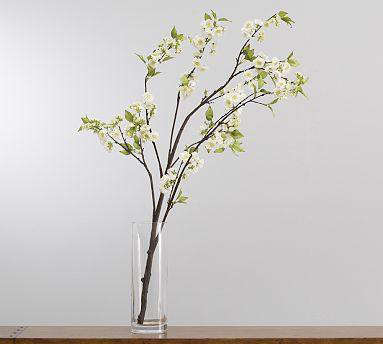
Seasonal styling helps faux flowers feel more believable. In spring, use tulips, cherry blossoms, daffodils, and light greenery. In summer, try hydrangeas, wildflowers, olive branches, and tropical leaves. In fall, bring in muted mums, dried-looking grasses, burgundy stems, and golden foliage. In winter, use evergreen branches, magnolia leaves, berries, pinecones, and white flowers. The more your faux botanicals reflect the season, the less likely they are to look random.
Where to Use Faux Flowers and Foliage Around the Home
Entryway
The entryway is a perfect place for faux foliage because it sets the tone immediately. A tall vase with artificial branches on a console table can make the space feel finished. Add a mirror, tray, lamp, and small bowl for keys, and suddenly the entry looks designedeven if the closet nearby is hiding three umbrellas and a mystery tote bag.
Living Room
In the living room, use faux greenery to soften hard surfaces. Try a faux tree in an empty corner, a small plant on a bookshelf, or a low arrangement on a side table. Be cautious with faux flowers on the coffee table because that area gets close visual attention. If you use them there, choose very realistic stems and keep the arrangement simple.
Kitchen
Kitchens benefit from small touches of greenery. A vase of faux herbs, olive branches, or eucalyptus can warm up a countertop. Avoid placing faux flowers too close to the stove, where grease and dust can collect quickly. If you do use faux stems in the kitchen, clean them more often.
Bathroom
Bathrooms are ideal for faux plants because light and humidity can be unpredictable. A faux orchid, fern, or trailing plant can bring spa-like softness without worrying about drainage. Use ceramic pots, stone trays, and natural textures to keep the look elevated.
Bedroom
In the bedroom, faux flowers can add calm and romance. Keep colors soft and arrangements restrained. A small vase on a nightstand or dresser is usually enough. This is not the place for a giant exploding bouquet unless your design goal is “botanical opera.”
Home Office
Faux foliage is excellent for workspaces. Greenery can make a desk feel less sterile, and artificial plants require no care during busy weeks. Try a small potted plant, a hanging faux vine, or a sculptural branch arrangement in the background of video calls.
How to Clean and Maintain Faux Flowers
Faux flowers are low-maintenance, not no-maintenance. Dust is their natural enemy. A dusty artificial plant instantly loses its charm and starts looking neglected. For most faux foliage, a dry microfiber cloth, feather duster, or soft paintbrush works well for routine cleaning. Set a monthly reminder if needed. Your future self will thank you, and your faux fern will stop looking like it spent a semester in an attic.
For deeper cleaning, check the manufacturer’s instructions first. Plastic leaves can often be wiped with a slightly damp cloth. Silk flowers require gentler handling because water can stain or distort petals. Some cleaning experts recommend methods like cool air, dry brushing, or using a bag with salt for certain artificial flowers. In kitchens, where grease can settle on petals and leaves, a light cleaning solution may be necessary, but always test a small hidden area first.
Storage is also important. If you rotate seasonal faux flowers, store them in sturdy boxes or containers where they will not be crushed. Keep wreaths, garlands, and delicate stems dry before storing to prevent warping or musty odors. Label containers by season so you do not have to dig through winter pine branches when you are looking for spring tulips.
Common Faux Flower Mistakes to Avoid
Using Too Many at Once
Faux flowers are accessories, not wallpaper. Too many arrangements in one room can feel cluttered and artificial. Choose a few strategic moments instead: one tall branch arrangement, one potted plant, or one floral centerpiece. Let the room breathe.
Choosing Unrealistic Colors
Neon blue roses, glittery poinsettias, and screaming-orange mystery blossoms can be fun for parties, but they rarely look natural in everyday décor. For a timeless home, choose softer colors inspired by real flowers and foliage.
Forgetting Scale
A tiny faux plant on a huge dining table can look lost. A massive faux tree in a narrow hallway can feel overwhelming. Measure your space before buying. Scale is one of the most important details in home styling.
Ignoring the Pot
A realistic plant in a cheap plastic nursery pot still looks unfinished. Upgrade the container. Place the nursery pot inside a basket, ceramic planter, urn, or decorative cachepot. This one change can make even budget-friendly faux greenery look more expensive.
Leaving Them in Direct Sunlight
Unless the product is labeled UV-resistant, avoid long exposure to direct sunlight. Sun can fade leaves and flowers, especially cheaper materials. For outdoor areas, buy pieces specifically designed for exterior use.
Are Faux Flowers Sustainable?
The sustainability question is important. Faux flowers are usually made from synthetic materials, so they are not automatically eco-friendly. Cheap pieces that fade, break, and end up in the trash quickly are not a great choice. However, high-quality faux flowers that are reused for many years can reduce repeated purchases of short-lived décor. The most responsible approach is to buy fewer, better pieces; care for them properly; and reuse them across seasons.
You can also mix faux stems with dried flowers, preserved moss, real branches, thrifted vases, and natural containers. This creates a layered look while reducing the need to constantly buy new décor. Think of faux flowers as long-term accessories, not disposable party props.
Personal Experience: What Faux Flowers Teach You About Styling a Home
After experimenting with faux flowers and foliage in different rooms, one lesson becomes obvious: realism is not only about the flower itself. It is about context. A faux orchid in a beautiful ceramic pot on a clean bathroom counter can look elegant. The same orchid in a dusty plastic pot beside a stack of expired magazines may look tragic. The plant did not change. The styling did.
One of the best experiences with faux foliage is using it in places where real plants simply refuse to cooperate. A dark hallway, for example, can be transformed with a tall vase of artificial branches. Real branches might dry out quickly, and live plants might suffer from lack of light, but faux stems keep the space feeling alive. Add a mirror behind them, and the arrangement suddenly has depth and movement.
Another useful lesson is that less often looks better. A single oversized faux stem in a sculptural vase can feel more modern than a crowded bouquet. Three eucalyptus stems in a narrow vessel can look calmer than twenty mixed flowers fighting for attention. Faux flowers do not need to prove themselves by being enormous. In fact, the more dramatic the arrangement, the more realistic the materials need to be.
Mixing faux with real elements also works surprisingly well. A faux tree looks much more believable when the base is covered with real preserved moss or natural stones. Artificial flowers look softer when placed near real wood, linen, stone, or ceramic textures. A faux arrangement on a table with candles, books, and a woven tray feels intentional because it becomes part of a larger design story.
Seasonal rotation is another experience worth mentioning. Keeping the same faux bouquet out all year can make it fade into the background. But swapping stems with the seasons makes the home feel refreshed. In spring, light blossoms bring optimism. In summer, leafy branches feel relaxed. In fall, warm-toned foliage adds coziness. In winter, evergreens and white flowers create calm. You do not need to redecorate the entire house. Sometimes changing a vase is enough to make a room feel awake again.
There is also a practical joy in faux flowers. They are forgiving. You can leave town. You can forget them. You can move them from room to room. You can use them for a dinner party, then place them on a bedroom dresser the next day. They do not wilt, complain, attract gnats, or dramatically collapse because the thermostat changed. For busy households, pet owners, frequent travelers, and people who love a polished home without constant maintenance, faux botanicals are genuinely useful.
Still, the best approach is honesty. Faux flowers should not try too hard to fool everyone. They simply need to look beautiful and appropriate. Think of them like good costume jewelry: they do not have to be diamonds to sparkle. They just need quality, proportion, and confidence. When you choose realistic materials, style them with care, clean them regularly, and place them thoughtfully, faux flowers and foliage become more than substitutes for real plants. They become flexible, long-lasting accessories that help a home feel warm, layered, and lived in.
Conclusion
Faux flowers and foliage have earned their place in modern home décor. They are practical, beautiful, versatile, and far more convincing than the stiff plastic arrangements of the past. The secret is to choose quality pieces with natural color variation, flexible stems, realistic textures, and imperfect shapes. Style them in attractive containers, mix them with real materials, clean them regularly, and rotate them seasonally for the freshest effect.
Whether you want a low-maintenance orchid for the bathroom, faux eucalyptus for the kitchen, a dramatic artificial tree for the living room, or seasonal flowers for the dining table, faux botanicals can help your home feel polished without adding another chore to your list. And frankly, in a world already full of laundry, emails, and mystery crumbs under the sofa, a little beauty that does not need watering is a design win.