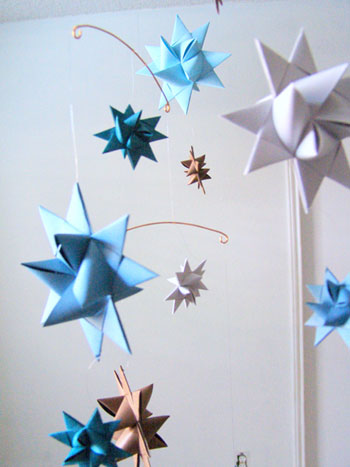
A baby boy’s nursery with blue paint and floating shelves can feel peaceful, practical, and polished without looking like a themed gift shop exploded in the room. Blue provides a versatile backdrop, while wall-mounted shelves add storage and personality without consuming valuable floor space. Together, these elements create a nursery that works for midnight feedings, morning cuddles, diaper emergencies, and the impressive quantity of tiny socks that somehow disappear before anyone wears them.
The strongest nursery designs balance appearance with everyday function. They provide a safe sleeping area, an efficient changing station, comfortable seating, controlled lighting, and storage that remains easy to use while holding a baby. The room should also be flexible enough to evolve from a newborn nursery into a toddler bedroom without requiring another complete renovation.
Editorial note: The recommendations below synthesize nursery-design and child-safety guidance from respected American pediatric, consumer-safety, environmental, paint, home-design, and children’s-furnishing resources.
Why Blue Paint Works So Well in a Baby Boy’s Nursery
Blue remains popular in nursery design because it can create several different moods. A pale sky blue feels airy and gentle. A dusty blue brings softness without looking sugary. Blue-gray has a modern, slightly sophisticated character, while navy can make a dramatic accent wall or provide contrast through furniture, curtains, and accessories.
The goal is not simply to choose “blue.” That is roughly as specific as ordering “food” at a restaurant. Blue paint can lean green, gray, purple, or even slightly turquoise. Those undertones become more noticeable as daylight changes, so a color that looks cheerful on a small store sample may become cold, dark, or surprisingly minty once it covers four walls.
Test the Color in the Actual Room
Paint large sample sections on at least two walls and observe them in morning light, afternoon light, and after sunset. A north-facing nursery may benefit from a warmer blue with a touch of green or beige. A sunny south-facing room can usually handle a cooler or deeper shade without feeling gloomy.
Keep the samples in place for several days. Look at them beside the crib, flooring, curtains, and wood finishes. This small step can prevent the classic painting mistake: finishing the entire room, standing back proudly, and realizing the “soft coastal blue” has transformed into “airport parking garage at dawn.”
Choose a Practical Paint Finish
Nursery walls eventually encounter fingerprints, lotion, mysterious splashes, and artistic experiments involving crayons. A washable matte, eggshell, or satin finish generally offers a practical balance between a soft appearance and easier cleaning. Trim, doors, and baseboards can use a more durable satin or semi-gloss finish.
Look for a reputable low-VOC or zero-VOC interior paint, follow the manufacturer’s instructions, and ventilate the room thoroughly during and after painting. Even products marketed as low-emission should be allowed to dry and air out before the nursery is used regularly. EPA information also notes that a low-VOC label does not automatically mean a product contains no potentially concerning chemicals, so product certification, ventilation, and proper application still matter.
Plan the Nursery Layout Before Decorating
A beautiful nursery becomes frustrating when the changing table blocks a drawer, the rocking chair has no room to rock, or the nearest clean onesie is located across the room during a diaper crisis. Before installing shelves or buying accessories, divide the nursery into functional zones.
The Sleeping Zone
Place the crib in a calm area away from windows, window-covering cords, heaters, and objects that could be pulled into the sleep space. Decorative shelves, framed art, mirrors, and heavy accessories should not be positioned directly above the crib. The crib should contain a firm, flat mattress with a fitted sheet and remain free of pillows, loose blankets, bumpers, stuffed animals, and decorative cushions during infant sleep.
Current American Academy of Pediatrics guidance recommends placing babies on their backs for sleep and using a separate, safety-compliant sleep surface. Room sharing without bed sharing is advised for at least the first six months, which means some families complete the nursery before the baby sleeps there full time. The room can still serve as a changing, feeding, dressing, and storage area during that stage.
The Changing Zone
A dresser with a secure changing pad often provides better long-term value than a dedicated changing table. Place diapers, wipes, creams, burp cloths, and spare clothing within the caregiver’s reach, but outside the baby’s reach. The most frequently used supplies should be accessible without turning away from the changing surface.
Use drawer dividers or small bins to separate clothing by size and purpose. Otherwise, newborn pajamas, six-month onesies, and a tiny formal outfit purchased by an enthusiastic relative will merge into one confusing cotton ecosystem.
The Feeding and Comfort Zone
A supportive glider or armchair deserves priority over purely decorative furniture. Add a small side table for water, feeding supplies, a phone, or a book. A washable rug beneath the chair can define the corner and soften the room, while a dimmable lamp makes nighttime care easier than switching on a bright ceiling fixture.
Using Floating Shelves Without Creating Clutter
Floating shelves are ideal for a small baby boy’s nursery because they use vertical wall space and keep the floor open. They can display picture books, framed prints, wooden toys, baskets, keepsakes, or a few decorative objects. Their clean lines also work with modern, coastal, farmhouse, Scandinavian, traditional, and minimalist interiors.
The secret is restraint. Three carefully arranged shelves look intentional. Nine shelves covered with twenty-seven miniature objects look like the baby has opened an antiques booth.
Choose the Right Location
Good shelf locations include the wall above a low dresser when the shelves are mounted safely beyond a child’s reach, an empty corner near the reading chair, or a wall opposite the crib. Avoid installing shelves directly above the crib, changing pad, or any place where a baby will regularly lie or sit.
As the baby begins to stand and climb, shelves and their contents must remain inaccessible. Books or toys intended for independent toddler use are better placed on low, stable storage designed for children rather than on a conventional floating shelf.
Install Shelves Securely
Mount shelves according to the manufacturer’s instructions, ideally fastening brackets into wall studs or using properly rated hardware suitable for the wall material. Do not assume the small anchors included in every package are appropriate for every wall. Drywall, plaster, masonry, and wood paneling require different installation methods.
Reserve floating shelves for relatively lightweight decor. Heavy sculptures, large glass objects, unsecured electronics, and oversized book collections belong elsewhere. Dressers, bookcases, and other substantial furniture should also be anchored securely to help prevent tip-over accidents.
Style Shelves With a Simple Formula
Begin with one taller object, such as a framed print. Add a horizontal element, such as two or three stacked books. Finish with a smaller rounded object, like a wooden animal or fabric-covered box. This variation in height and shape keeps the arrangement interesting without making it busy.
Leave some empty space around every group. Negative space allows the blue wall to remain visible and prevents the shelves from becoming visually heavy. Children’s books can face forward so their colorful covers double as artwork, an approach frequently recommended for attractive, space-saving nursery storage.
Building a Cohesive Blue Nursery Color Palette
A room filled entirely with blue can feel flat, so combine the wall color with warm, natural, and contrasting materials. Soft blue walls pair especially well with white, cream, oatmeal, light oak, medium walnut, tan leather, woven rattan, charcoal, and muted green.
Soft Blue, White, and Natural Wood
This combination creates a clean, light nursery that can easily grow with the child. Use pale blue walls, a natural wood crib, white trim, and warm woven baskets. Add small touches of navy through a rug, curtains, or framed artwork. The result feels bright but not sterile.
Dusty Blue, Camel, and Cream
For a warmer room, pair muted blue paint with camel-colored leather, walnut furniture, creamy textiles, and antique brass accents. This palette feels comfortable and timeless, especially in a nursery with traditional molding or vintage furniture.
Navy, Pale Blue, and Crisp White
Use navy sparingly in a small nursery. It works well on one accent wall, inside a closet, behind built-in storage, or on a dresser. Pale blue or white on the remaining walls prevents the darker color from overwhelming the space. Architectural Digest examples demonstrate how baby blue can remain lively when paired with strong contrasting textiles and light-colored furniture.
Select Furniture That Can Grow With the Child
The most useful nursery furniture continues working after the baby stage. A convertible crib may become a toddler bed. A sturdy dresser can serve as a changing station now and ordinary clothing storage later. A comfortable chair can eventually move into a bedroom, office, or living room.
Choose furniture with straightforward shapes rather than pieces dependent on a highly specific theme. A simple wood dresser works with clouds, woodland animals, boats, dinosaurs, stars, or no theme at all. That flexibility matters because the baby currently has no design opinions, but a three-year-old may develop extremely firm views about excavators.
Anchor tall and heavy furniture to the wall, keep electrical cords controlled, cover accessible outlets, and avoid placing climbable objects beside windows. Cordless window treatments are strongly recommended for spaces used by babies and young children.
Add Texture Through Rugs, Curtains, and Bedding
Because blue-painted walls can look cool, texture is essential. A washable wool-look or low-pile rug introduces warmth and provides a future play surface. Curtains soften the architecture and help control daylight, while woven baskets provide flexible storage for blankets, laundry, and toys.
Use patterns in measured doses. A striped rug, gingham curtain, or subtle star print can add movement without competing with the floating shelves. When the walls and shelving already create strong visual structure, simpler textiles usually produce a calmer result.
Decorative crib bedding may look charming in photographs, but the infant sleep space itself should remain simple and clear. Keep quilts, pillows, and stuffed animals available for supervised use or display them elsewhere until they are age-appropriate.
Create Flexible Nursery Lighting
A well-designed nursery needs more than one light source. Use the ceiling fixture for cleaning and organizing, a floor or table lamp for feeding and reading, and a low night-light for late-night checks. Dimmers are especially helpful because the lighting required to locate a pacifier at 2:00 a.m. is very different from the lighting required to assemble a crib at 2:00 p.m.
Warm, soft lighting generally feels more comfortable in the evening than a harsh blue-white bulb. Smart lighting can also provide hands-free control while someone is feeding or holding the baby. ENERGY STAR notes that LEDs use substantially less energy than traditional incandescent lighting and that adjustable smart lighting can shift toward softer, warmer light at night.
Personalize the Room Without Overdecorating
A nursery becomes memorable through a few meaningful details rather than dozens of generic accessories. Display a family photograph, a small handmade item, a framed illustration, or a collection of favorite childhood books. A name sign can provide a focal point, but it should be installed securely and never directly above the crib.
Possible themes for blue walls include the night sky, ocean life, vintage airplanes, woodland animals, maps, weather, sailboats, or simple geometric shapes. The theme does not need to occupy every surface. Two framed prints and a wooden whale are enough to suggest an ocean nursery. There is no requirement to install an entire coral reef beside the diaper pail.
A Practical Budget for the Nursery
Spend first on the items that affect safety and daily comfort: the crib and mattress, secure furniture, a supportive chair, reliable window coverings, and appropriate lighting. Paint provides one of the most affordable visual transformations, while floating shelves can create storage and decoration at the same time.
Save money by refinishing an existing dresser, using removable drawer organizers, framing inexpensive prints, and rotating shelf decor rather than buying everything at once. Family books, handmade toys, and secondhand decor can add character, although used cribs, sleep products, and safety equipment require careful checking against current standards and recalls.
A restrained shopping plan also prevents the room from filling with objects before anyone understands what the family actually needs. New parents often discover that the most valuable nursery accessory is not an elaborate decorative canopy. It is a washable basket placed exactly where dirty burp cloths naturally land.
Experiences and Lessons From Creating a Blue Nursery With Floating Shelves
The following practical lessons reflect common experiences reported in nursery makeovers and the kinds of issues families often encounter once a carefully styled room begins operating in the real world.
The Paint Sample Usually Prevents the First Big Mistake
One common experience begins with a tiny blue paint chip that looks perfect under store lighting. At home, however, the color changes dramatically. On one wall it appears soft and powdery; on another it looks gray. At night it suddenly develops a green undertone that nobody remembers inviting.
Families who test large samples tend to make more confident decisions. They also notice that the crib finish affects the paint. A warm oak crib can soften a cool blue, while a bright white crib may increase the contrast. The lesson is simple: the paint color does not live alone. It has roommates, and all of them affect its personality.
Floating Shelves Look Better With Fewer Objects
During installation, it is tempting to imagine every shelf completely filled with books, toys, plants, photographs, and sentimental gifts. After everything is arranged, the wall often feels crowded. Removing half the objects usually improves the composition immediately.
A practical shelf might hold four forward-facing books, one framed picture, and a small wooden toy. Another may display a keepsake box and a pair of baby shoes. Leaving open space makes each object more noticeable and makes dusting considerably less dramatic.
Real Life Changes the Ideal Layout
Parents may initially arrange the nursery according to symmetry. Then the baby arrives, and efficiency becomes more persuasive than symmetry. The diaper caddy moves closer to the changing pad. The lamp shifts beside the chair. The decorative basket becomes emergency storage for clean pajamas. A small table appears because balancing a bottle, phone, and glass of water on one armrest turns out to be an advanced circus skill.
The most successful nursery layouts accept this evolution. Furniture should have enough breathing room to be adjusted as routines develop. A room is not unsuccessful because an object moves six weeks after the baby comes home. It is becoming customized through use.
Nighttime Lighting Matters More Than Expected
Many families focus on the main ceiling fixture and underestimate the importance of low-level lighting. A bright overhead light can make a sleepy feeding feel like an interrogation. A warm lamp or dim night-light provides enough visibility for care tasks while preserving a calmer atmosphere.
Placing the switch within easy reach of the chair is equally valuable. After several nights of standing up with a sleeping baby just to turn off a lamp, convenience stops feeling like a luxury and starts feeling like civilization.
The Nursery Needs to Grow Earlier Than Expected
Floating shelves installed safely beyond a newborn’s reach may need to be reassessed once the baby becomes mobile. Decorative objects should move higher or relocate, floor baskets may become toy storage, and accessible furniture needs another safety check. The peaceful infant room gradually becomes a space for sitting, crawling, pulling up, reading, and exploring.
This transition is easier when the original design uses adaptable furniture and a flexible palette. Blue walls can support new interests without repainting the room. Ocean prints may be replaced by vehicles, animals, maps, or alphabet artwork. The changing dresser becomes ordinary storage. The feeding chair becomes the reading chair. The nursery changes, but its most useful pieces remain.
The Most Meaningful Details Are Rarely the Most Expensive
Families often remember the personal objects more than the coordinated purchases: the book read during pregnancy, the framed hospital bracelet, a handmade blanket displayed safely away from the crib, or a small toy passed down through generations. Floating shelves provide an ideal place for these objects because they can be arranged as a changing story rather than permanent decoration.
Over time, newborn photographs replace generic prints, favorite books appear on the ledges, and tiny keepsakes move into boxes. The shelves become a visual record of the child’s first years. That evolving quality gives the room personality that cannot be purchased as a matching seventeen-piece nursery collection.
Conclusion
A baby boy’s nursery with blue paint and floating shelves succeeds when beauty supports daily life. The right blue creates a calm, flexible backdrop. Secure shelves provide useful vertical storage and a place for meaningful objects. Thoughtful furniture placement, low-emission materials, layered lighting, anchored storage, cordless window treatments, and a clear sleep space make the room safer and easier to use.
Start with the practical zones, test the paint in changing light, install shelves carefully, and decorate gradually. The finished nursery does not need to resemble a flawless catalog photograph. It needs to help tired adults care for a baby while still feeling warm, welcoming, and personal. A little style is wonderful. A conveniently placed diaper caddy is also wonderful, especially at 3:17 in the morning.
