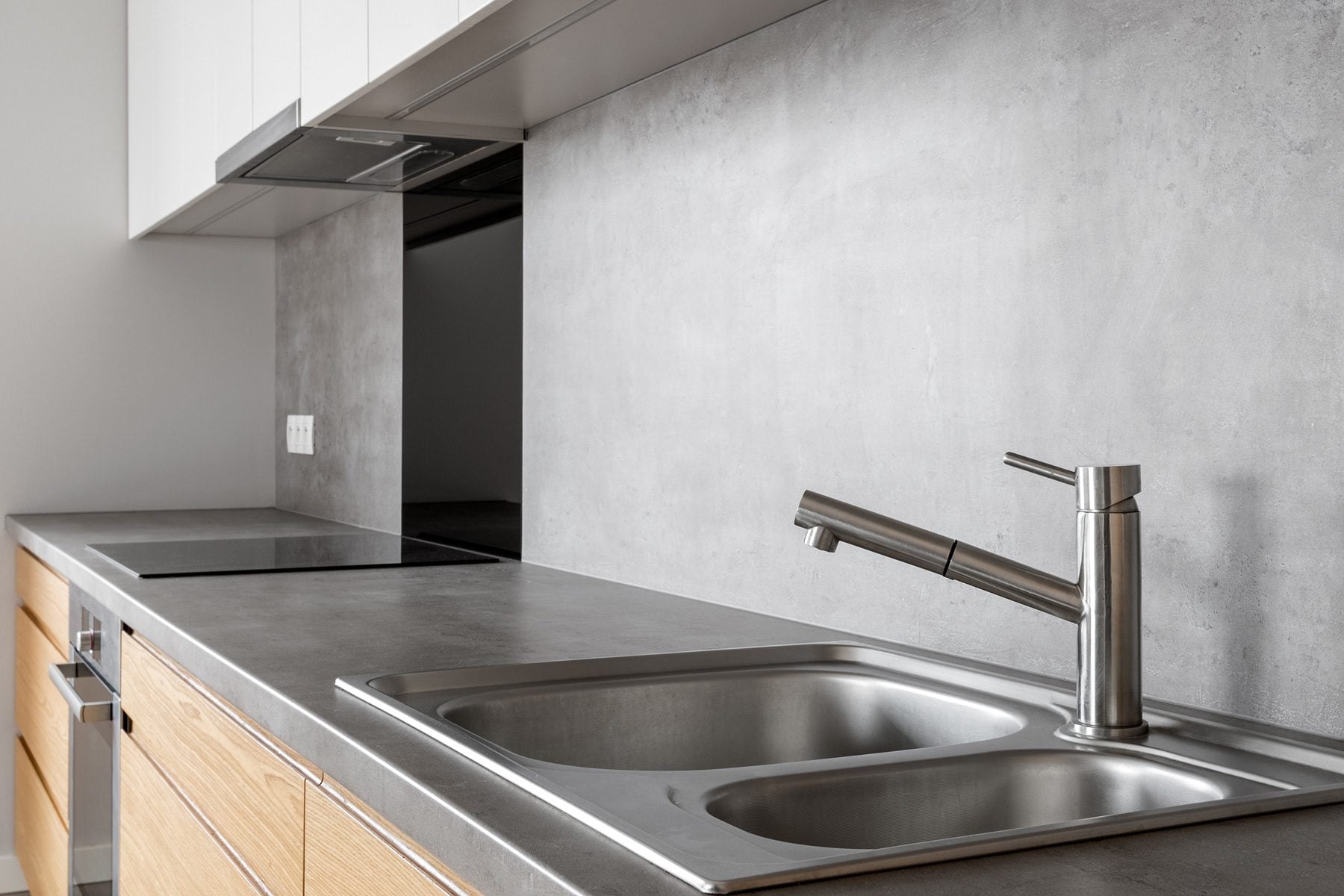
Concrete countertops are the design world’s charming troublemaker. They look bold, architectural, and custom-madebecause they usually are. They can make a kitchen feel like a boutique coffee bar, an artist’s studio, or a high-end chef’s workspace where someone casually says, “I just threw together a sourdough focaccia.” But before you sprint toward a cement mixer with countertop dreams in your eyes, it is worth taking a clear look at the real concrete countertops pros and cons.
Unlike laminate, quartz, granite, or butcher block, concrete is not simply chosen from a slab yard and dropped into place. It is poured, shaped, cured, sealed, polished, and finished. That process gives homeowners enormous creative freedom, but it also introduces cost, maintenance, weight, and installation concerns. Concrete countertops can be gorgeous, durable, and deeply personal. They can also stain, crack, chip, and demand more attention than many busy households expect.
This guide breaks down the advantages, disadvantages, cost factors, care requirements, and real-life experiences of living with concrete countertops so you can decide whether they belong in your kitchen, bathroom, outdoor bar, or “future dream home” Pinterest board.
What Are Concrete Countertops?
Concrete countertops are custom surfaces made from a mixture of cement, aggregates, water, pigments, additives, and reinforcement materials. They may be poured in place directly on top of cabinets or cast off-site in molds and then installed after curing. The final surface can be polished smooth, left slightly textured, stained, dyed, embedded with decorative objects, or shaped with custom edges.
The biggest reason homeowners love concrete is simple: it does not look mass-produced. Every countertop has small variations in tone, movement, texture, and finish. Even two counters made by the same fabricator using the same mix will have subtle differences. That is part of the appeal. Concrete is not trying to be perfect. It is trying to be interesting.
In modern homes, concrete countertops are often used in industrial kitchens, minimalist spaces, farmhouse kitchens, outdoor entertaining areas, bathroom vanities, and statement islands. They pair well with wood cabinets, black fixtures, exposed brick, stainless steel appliances, and warm lighting. Basically, concrete loves dramabut the tasteful kind.
Concrete Countertops Pros
1. Concrete Countertops Are Highly Customizable
The strongest argument for concrete countertops is customization. With many countertop materials, you choose from available colors, patterns, and slab sizes. With concrete, you can customize the shape, thickness, edge profile, color, finish, and layout. Want an extra-thick waterfall island? Possible. Want an integrated drainboard beside the sink? Possible. Want a built-in trivet, curved breakfast bar, or one-of-a-kind vanity top? Also possible.
Concrete can be tinted in soft gray, charcoal, white, beige, taupe, earthy brown, or bolder colors. It can be polished to a refined sheen or finished with a more matte, handcrafted look. Some homeowners even embed small stones, shells, recycled glass, metal strips, or personal details into the surface. This is where concrete gets to show off. Quartz may be practical, granite may be classic, but concrete walks into the room wearing custom boots.
2. The Look Is Unique and Architectural
Concrete countertops bring visual weight to a room. They create a grounded, sculptural feeling that works especially well in kitchens with clean lines, open shelving, matte black hardware, or natural wood. A pale concrete island can soften a modern kitchen, while a dark charcoal counter can make a space feel moody and dramatic.
Because concrete is poured or cast, it can look seamless in ways that some slab materials cannot. Long runs, integrated sinks, thick edges, and custom forms help create a built-in appearance. If you want a countertop that feels like part of the architecture rather than a surface placed on top of cabinets, concrete is a strong contender.
3. Concrete Is Durable When Properly Made and Maintained
Concrete is hard, strong, and long-lasting when mixed, cured, reinforced, sealed, and installed correctly. A well-made concrete countertop can handle daily kitchen use for many years. It resists general wear better than softer materials and does not scratch as easily as some wood or laminate surfaces.
That said, durability depends heavily on the quality of the mix, reinforcement, thickness, finish, and sealer. Concrete itself is strong, but the countertop system is only as good as the craft behind it. A professional fabricator matters. A countertop is not the ideal place for “good enough” energy, especially if your kitchen gets more action than a diner at breakfast rush.
4. Heat Resistance Is a Real Advantage
Concrete handles heat better than many countertop materials. A hot pan is less likely to scorch concrete than laminate or some engineered surfaces. This makes concrete appealing for serious cooks, outdoor kitchens, and anyone who has ever absentmindedly placed a hot skillet on the counter while thinking about tacos.
However, heat resistance does not mean the sealer is invincible. The concrete below may tolerate heat, but the protective coating can discolor, weaken, or become damaged by extreme temperature changes. Trivets are still a smart habit. Think of them as tiny insurance policies with legs.
5. Concrete Can Work Indoors and Outdoors
Concrete countertops are popular not only in kitchens and bathrooms but also in outdoor entertaining spaces. They can suit patio bars, grilling stations, poolside counters, and covered outdoor kitchens. Their solid appearance pairs naturally with stone, brick, wood, metal, and landscaping materials.
Outdoor concrete still needs the right sealer and proper installation. Sun exposure, freeze-thaw cycles, moisture, and temperature swings can affect performance. In warm climates, a concrete outdoor counter can be a stylish and practical choice. In harsher climates, material selection and installation details become even more important.
6. It Can Add Character Over Time
Some homeowners love concrete because it develops character. Tiny variations, faint marks, soft patina, and subtle color changes can make the counter feel lived-in rather than showroom-stiff. If you like materials such as soapstone, marble, reclaimed wood, or unlacquered brass, you may appreciate the way concrete evolves.
But this is also where expectations matter. Concrete is not the best choice for someone who wants a permanently flawless surface. It is better for people who see beauty in slight imperfections. If one tiny water ring will ruin your Tuesday, concrete may test your spirit.
Concrete Countertops Cons
1. Concrete Countertops Require Regular Sealing
The biggest downside of concrete countertops is maintenance. Concrete is naturally porous, which means it can absorb liquids if it is not properly sealed. Coffee, wine, lemon juice, tomato sauce, oil, vinegar, and colorful juices can leave marks or cause surface damage. A good sealer helps protect the countertop, but it does not make concrete completely maintenance-free.
Depending on the sealer, use level, and manufacturer recommendations, concrete countertops may need periodic resealing or waxing. Some surfaces need attention annually, while others can go longer. Either way, homeowners should understand that sealing is part of the ownership experience. Concrete is not a “set it and forget it” material. It is more like a stylish houseplant: beautiful, but it expects you to participate.
2. Staining and Etching Can Happen
Even sealed concrete can stain or etch if spills sit too long. Acidic ingredients are especially risky because they can damage the cement paste or the sealer. Lemon juice, vinegar, red wine, tomato sauce, and certain cleaning products can create dull spots or marks. Oil can also be troublesome because it may darken the surface if it penetrates the finish.
This does not mean concrete countertops are doomed. It means the kitchen habits matter. Wipe spills quickly. Use cutting boards. Avoid harsh cleaners. Keep acidic foods from sitting directly on the surface. If your cooking style involves tossing ingredients around like a celebrity chef during a dramatic season finale, concrete may require a little extra discipline.
3. Concrete Can Crack
Concrete countertops can develop hairline cracks. Some are cosmetic and do not affect performance, while others may indicate movement, poor reinforcement, improper curing, or structural stress. Because concrete is rigid, it does not love shifting cabinets, uneven support, or sudden changes in temperature and moisture.
Professional reinforcement helps reduce cracking. Fabricators may use steel mesh, fiberglass, wire, or other reinforcement systems. Proper curing and installation also matter. Still, tiny cracks are part of the risk. Some homeowners view them as character; others view them as a personal betrayal from the kitchen.
4. The Material Is Heavy
Concrete is heavy, and that weight cannot be ignored. Cabinets may need reinforcement before installation, especially for thick counters, large islands, or long unsupported spans. Floors and framing should also be considered in some projects. This is one reason professional planning is important.
Weight also affects installation complexity. Concrete countertops are not always easy to move, position, or adjust. Cast slabs can be awkward and fragile before installation, while poured-in-place counters require careful formwork and curing on-site. Either method demands skill.
5. Concrete Countertops Can Be Expensive
Many people assume concrete countertops are budget-friendly because concrete itself is not an exotic material. Unfortunately, the material cost is only part of the story. The real cost comes from labor, form building, customization, reinforcement, polishing, sealing, installation, and finishing.
Professionally installed concrete countertops commonly compete with higher-end countertop materials. Custom colors, special edges, integrated sinks, complex shapes, thicker profiles, and premium sealers can raise the price quickly. DIY concrete counters may cost less, but they come with a steep learning curve and a high possibility of “well, that was educational” results.
6. Repairs Can Be Tricky
Minor scratches or dull spots may be buffed, waxed, or resealed. Stains may sometimes be treated. But deeper chips, cracks, and etching can be difficult to repair invisibly. Concrete is custom and variable, so matching color and texture can be challenging.
With some materials, repairs are straightforward. With concrete, repair success depends on the finish, damage type, sealer, pigment, and skill of the person doing the work. A professional can often improve the issue, but “perfectly like new” is not always realistic.
How Much Do Concrete Countertops Cost?
Concrete countertop pricing varies widely by region, design, thickness, finish, and installation method. A simple concrete countertop may fall into a moderate-to-high price range, while a heavily customized one can compete with marble, quartzite, or premium granite. Factors that affect cost include:
- Countertop size and square footage
- Thickness and edge profile
- Color pigments, stains, or specialty finishes
- Integrated sinks, drainboards, or trivets
- Polishing level and surface texture
- Cabinet reinforcement
- Whether the counter is precast or poured in place
- Local labor rates and fabricator experience
For homeowners comparing options, concrete should not automatically be treated as the cheap choice. It is better understood as an artisan surface. You are paying for customization and craftsmanship, not just cement in a fancy outfit.
Concrete Countertops vs. Quartz, Granite, and Butcher Block
Concrete vs. Quartz
Quartz is generally easier to maintain than concrete. It is nonporous, consistent, and available in many styles. It does not need sealing in the same way concrete does. Concrete, however, offers more custom shaping and a more handcrafted look. If you want low maintenance, quartz usually wins. If you want personality and custom form, concrete makes a stronger case.
Concrete vs. Granite
Granite is a natural stone with unique patterns and strong durability. It may require sealing, but many homeowners find it less demanding than concrete. Concrete can be more customizable in shape and color, while granite offers natural veining and mineral movement. Granite feels timeless; concrete feels designed.
Concrete vs. Butcher Block
Butcher block is warmer, softer, and often less expensive. It can be sanded and refinished, but it needs protection from water and heat. Concrete feels more modern and solid, while butcher block feels cozy and traditional. In some kitchens, combining the two creates a smart balance: concrete on the island, butcher block near a prep zone, and everyone gets to feel clever.
Best Places to Use Concrete Countertops
Concrete countertops work best in spaces where design impact matters and the homeowner is willing to maintain the surface. Strong candidates include:
- Statement kitchen islands
- Modern or industrial kitchens
- Bathroom vanities
- Outdoor bars and covered kitchens
- Restaurants, cafes, and studio spaces
- Laundry rooms with a custom design concept
Concrete may be less ideal for very busy family kitchens where spills sit for hours, kids do science experiments near the sink, and someone uses the countertop as a homework desk, snack station, and landing pad for sports gear. In those homes, quartz or porcelain may offer a similar look with less maintenance anxiety.
How to Care for Concrete Countertops
Good care habits make a major difference. Concrete countertops do not need complicated daily cleaning, but they do need gentle treatment. Use a mild, pH-neutral cleaner or a cleaner approved by the fabricator. Wipe up spills quickly, especially acidic or oily liquids. Avoid abrasive pads, bleach, ammonia, vinegar-based cleaners, and harsh degreasers unless your sealer manufacturer specifically allows them.
Use cutting boards instead of slicing directly on the surface. Use trivets under hot pans. Dry standing water around sinks. Ask your installer how often the counter should be resealed or waxed. Keep the sealer documentation, because future-you will not remember the product name. Future-you will be standing in a hardware store squinting at labels and whispering, “Was it acrylic? Urethane? Something with a goat on the logo?”
Are Concrete Countertops Worth It?
Concrete countertops are worth it for the right homeowner. They make sense when you want a custom, handcrafted, architectural surface and are comfortable with maintenance. They are especially appealing if your design style leans modern, industrial, organic, rustic, or minimalist.
They are not worth it if your top priority is low maintenance, perfect consistency, stain resistance, or simple installation. Concrete is not the easiest countertop material to live with. It is a design choice with responsibilities. But for homeowners who love the look and accept the upkeep, concrete can be one of the most distinctive surfaces available.
Experience-Based Insights: Living With Concrete Countertops
After studying how concrete countertops perform in real kitchens and how homeowners describe the experience, one theme becomes clear: satisfaction depends less on the material itself and more on expectations. People who love concrete usually knew from the beginning that it would not behave like quartz. They expected slight patina, occasional marks, and a handmade look. People who dislike concrete often expected a bulletproof surface and were disappointed when coffee, oil, citrus, or daily use left evidence behind.
A practical example is the kitchen island. Concrete can be fantastic on an island because it becomes a visual centerpiece. A thick gray island top paired with white oak cabinets and matte black pendants can look expensive, calm, and custom. But the island also gets heavy use. It is where people place grocery bags, wine glasses, pizza boxes, laptops, lunch containers, and the mysterious pile of mail that appears in every home. If the surface is not sealed well or cleaned promptly, the island may show wear faster than expected.
Bathroom vanities are another interesting use case. Concrete can look beautiful in a powder room because the space has less cooking-related abuse. There is no olive oil, tomato sauce, or hot skillet involved, unless your bathroom habits are deeply concerning. A concrete vanity top with an integrated sink can feel spa-like and sculptural. Still, toothpaste, cosmetics, hair products, and standing water can affect the finish, so sealing remains important.
Outdoor kitchens can benefit from concrete’s rugged appearance, but they also expose the material to weather. Covered patios are usually kinder to concrete than fully exposed areas. Sun, rain, temperature changes, and freeze-thaw conditions can all influence long-term performance. Homeowners should choose a fabricator who understands outdoor mixes and sealers, not just someone who once poured a sidewalk and feels spiritually prepared.
The most successful concrete countertop projects usually involve three smart moves. First, hire an experienced concrete countertop professional or do serious research before attempting a DIY project. Second, ask detailed questions about reinforcement, curing, sealer type, stain resistance, heat tolerance, and maintenance. Third, test samples. A sample lets you see the color, finish, texture, and how the sealer responds to common kitchen enemies such as lemon juice, coffee, red wine, cooking oil, and hot mugs.
Another useful lesson is to design around concrete’s personality. If you want a pristine white kitchen with counters that look untouched five years later, concrete may create stress. But if your kitchen has natural wood, handmade tile, aged brass, open shelving, or organic textures, concrete’s imperfections can feel intentional. It works best when the whole room allows a little character.
For resale, concrete countertops can be a mixed signal. Some buyers see custom concrete and think, “Wow, this home has style.” Others see it and think, “How much maintenance is this going to require?” If you plan to sell soon, choose a neutral color, quality finish, and professional installation. Extremely bold colors, odd embedded objects, or experimental shapes may thrill you but confuse buyers. A countertop with bottle caps, glitter, and a fossilized house key might be memorablebut not always in the way real estate agents prefer.
In daily life, the best attitude toward concrete is respectful realism. Use it, enjoy it, clean it, protect it, and do not expect it to behave like plastic-wrapped perfection. Concrete countertops are for people who want a surface with presence. They are strong but not careless-proof, stylish but not maintenance-free, and custom but not cheap. In other words, concrete is a little like owning a classic car: gorgeous, character-filled, and occasionally demanding enough to remind you that beauty likes attention.
Final Verdict
Concrete countertops can be stunning, durable, and deeply personal, but they are not the right fit for every home. Their biggest strengths are customization, architectural beauty, heat resistance, and one-of-a-kind character. Their biggest weaknesses are maintenance, staining risk, weight, cracking potential, tricky repairs, and cost that can surprise homeowners expecting a budget material.
If you love a handcrafted look and can handle routine care, concrete may be an excellent choice. If you want a countertop that shrugs off spills, never needs sealing, and looks exactly the same year after year, consider quartz, porcelain, or another lower-maintenance material. Concrete countertops are not perfectbut for the right kitchen, that is exactly the point.
Note: This article is written for web publishing and synthesizes current, practical information about concrete countertop design, cost, durability, installation, and maintenance without inserting source links into the article body.