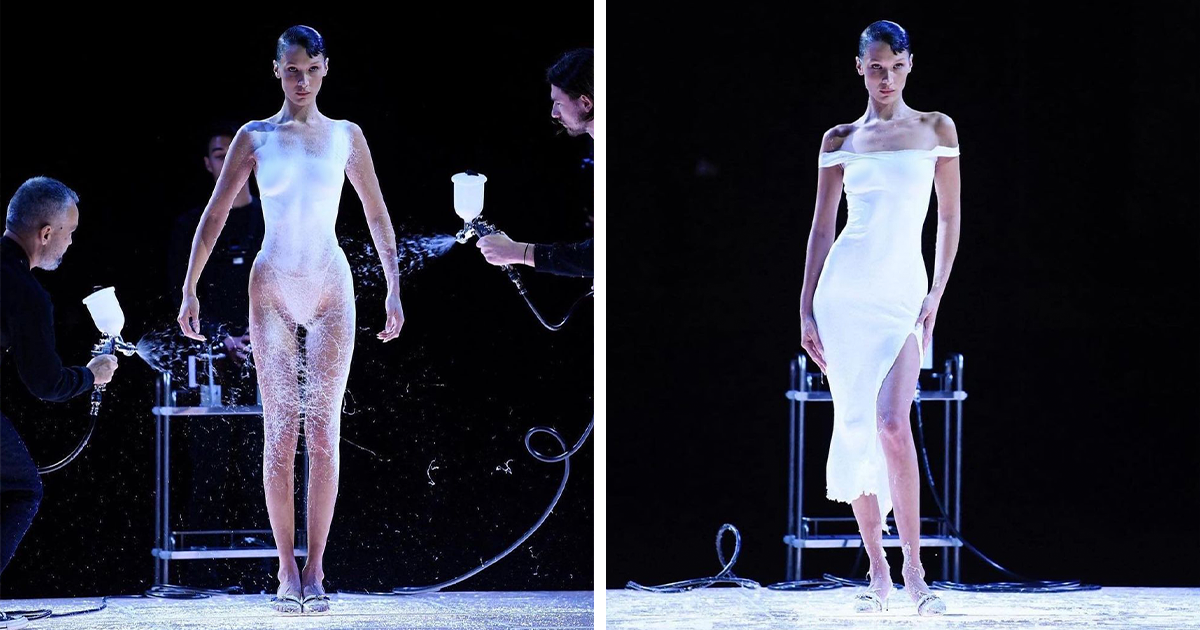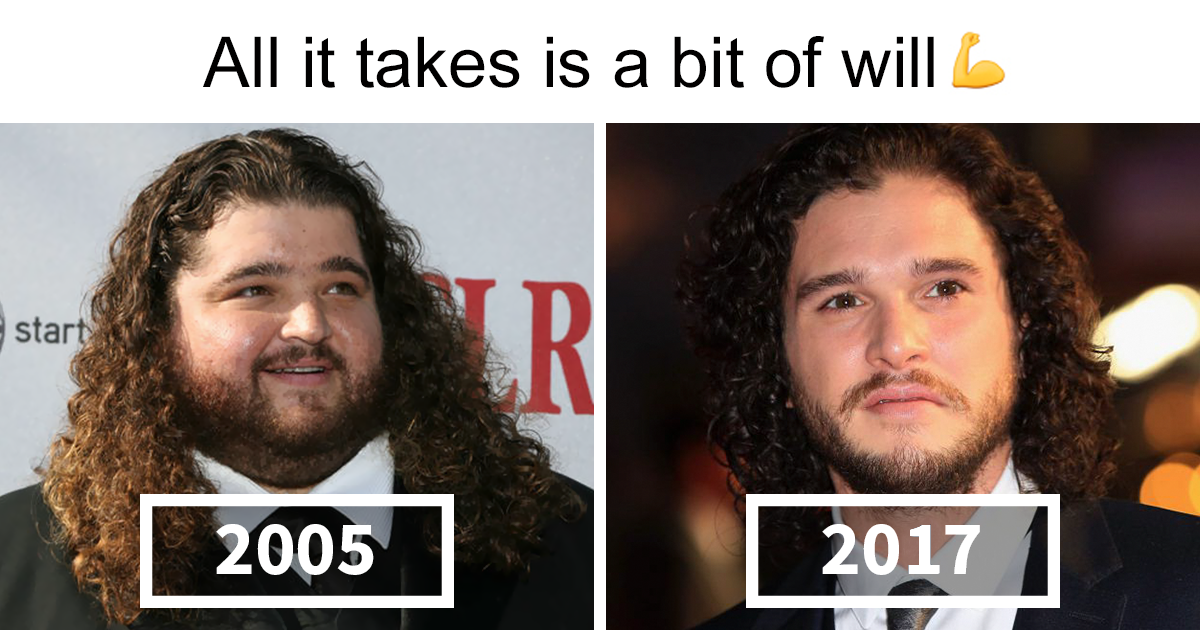
There was a time when a “progress pic” meant one thing and one thing only: a serious before-and-after photo, usually posted with the emotional weight of a sports documentary trailer. You know the type. Better posture. Better lighting. Better haircut. Possibly better life decisions. But the internet, being the internet, looked at that format and said, “What if we kept the structure, then replaced the inspiration with complete nonsense?”
And that is how hilarious life progress pics became one of the funniest recurring genres online. These images borrow the language of self-improvement but twist it into something more chaotic, more human, and frankly more entertaining. Instead of showing six months of fitness gains, they might show a person before kids and after kids, before owning a puppy and after owning a puppy, or before starting a new job and after that job has apparently turned them into a coffee-powered raccoon. The first look says transformation. The second look says, “Yes, technically.”
That is exactly why these funny before-and-after photos hit so hard. They work because they combine three things the internet loves: visual storytelling, self-aware humor, and a tiny act of rebellion against polished online life. They invite you to expect a triumph and then reward you with a punchline. One second you think you are looking at a glow-up. The next second you realize you are staring at the visual equivalent of, “Well, that escalated quickly.”
In a social media culture that often feels edited within an inch of its life, viral progress pictures stand out because they are deliberately imperfect. They wink at the audience. They turn ordinary life changes into mini-comedies. And best of all, they remind us that progress is not always linear, photogenic, or suitable for a wellness brand partnership.
Why Hilarious Life Progress Pics Are Suddenly Everywhere
The format feels tailor-made for the modern internet. Social platforms reward content that is instantly understandable, visually simple, and emotionally quick to process. A life progress pic delivers all three. You do not need a long caption, a think piece, or a glossary. You just need two images and a joke that lands between them.
There is also something deeply satisfying about the structure itself. Humans love patterns. We love comparison. We love stories with a setup and payoff. A progress picture is basically a two-panel comic wearing the clothes of a personal update. The “before” image sets expectations. The “after” image either fulfills them or throws them down a staircase. When it is done well, it makes you look twice because the joke is visual, immediate, and a little sneaky.
That twist matters. Online audiences have become extremely fluent in image formats. We recognize thirst traps, glow-ups, travel reveals, fitness updates, and “how it started vs. how it’s going” posts in seconds. Hilarious progress pics use that visual literacy against us. They depend on us knowing the script so they can yank the microphone away halfway through the performance.
What Makes These Progress Pictures So Funny?
The joke begins before the joke
The secret sauce is expectation. The first image is often staged like a sincere milestone. It looks motivational, polished, or at least emotionally loaded. Then the second image arrives like a banana peel in formalwear. Suddenly the transformation is not about abs, style, or personal growth. It is about surviving adulthood, losing a fight with bangs, being emotionally flattened by a toddler, or turning into someone who owns three different back pain remedies.
They are relatable without begging for relatability
Good internet humor does not usually point a giant foam finger at itself and scream, “RELATABLE!” It simply shows you a situation that feels painfully familiar. That is why the best social media humor travels fast. A life progress pic might be about one person’s specific experience, but the emotional math is universal. New pet equals shredded couch. First apartment equals optimism, then ramen. Remote work equals freedom, then ten thousand screenshots in a Downloads folder called “Final Final Real Final.”
They let people laugh at themselves first
That is a huge reason this trend feels warm instead of mean. The strongest posts are usually self-deprecating, not cruel. The creator is in on the joke. They are not being publicly embarrassed; they are conducting a guided tour of their own nonsense. That matters because self-aware humor feels more inviting, especially online, where audiences are quick to reject anything that feels fake, forced, or overly polished.
The Most Common Types of Viral Progress Pictures
If you spend enough time around meme culture and funny photo roundups, patterns emerge. The details change, but the categories are wonderfully consistent.
1. The “Before Kids / After Kids” classic
This is basically the Olympics of exhausted comedy. The first photo says, “I have skin care, hobbies, and a sleep schedule.” The second says, “I ate a cold waffle in a parked car for privacy.” Parents understand it immediately, and non-parents laugh because the message is crystal clear: tiny humans are adorable agents of chaos.
2. The pet-owner transformation
Before: clean clothes, calm face, furniture still belongs to the owner. After: hair everywhere, wallet lighter, camera roll fuller, heart softer, dignity negotiable. These work because the decline is framed as joyful surrender. Yes, your dog ate your sock. Yes, your cat now runs the house. No, you would not change a thing.
3. The job-has-ruined-me update
One photo at orientation. One photo six months later looking like you know too much about printer toner, deadlines, and passive-aggressive Slack messages. Office humor never really dies; it just changes outfits. These progress pics thrive because modern work culture gives people endless material, from startup optimism to full-time spreadsheet-induced spiritual fatigue.
4. The glow-up fakeout
This one is chef’s kiss. It starts like a dramatic makeover reveal, then swerves into absurdity. Maybe the “after” is the same person, same expression, just wearing sunglasses indoors and radiating chaos. Maybe the update is technically impressive but emotionally unwell. It is a parody of transformation culture, and the internet eats it with a spoon.
5. The hobby spiral
Before: “I just bought my first plant.” After: “I now own seventeen propagation jars, know what fungus gnats are, and speak to my pothos like a Victorian widow.” These are especially funny because hobbies online rarely stay casual. The internet turns interest into identity at lightning speed, and progress pics capture that beautifully.
Why These Photos Feel More Honest Than Polished Posts
For years, social media trained people to present the cleanest possible version of themselves. Cropped vacations. Filtered skin. Inspirational captions doing a lot of heavy lifting. But audiences got smarter, faster, and more suspicious. People now recognize curation when they see it, and many are increasingly drawn to content that feels candid, ironic, or at least self-aware.
That helps explain why relatable photo trends keep winning attention. Funny progress pics do not pretend to be untouched by performance. They are still crafted. They are still posted for an audience. But they feel more authentic because they admit the performance. They say, “Yes, I am presenting a version of my life. I am just choosing the ridiculous version because it is closer to the truth.”
That kind of honesty is more refreshing than another flawless kitchen reveal or motivational carousel. The joke becomes a pressure valve. It lets people share the messy middle of life without turning the whole thing into a pity party. A person can say, “I am tired, overwhelmed, and kind of ridiculous,” and the audience can answer, “Same.” That is community, just with worse lighting.
Internet Meme Culture Taught Us to Love the Second Look
Another reason these images travel so well is that online humor increasingly rewards the delayed payoff. The funniest posts are not always the loudest ones. Sometimes they are the ones that make your brain take one extra lap around the track before the laugh arrives. Progress pics that make you look twice fit perfectly into that rhythm.
They borrow from several familiar internet traditions at once: the “how it started vs. how it’s going” format, before-and-after image macros, perfectly timed photos, and those bizarre visual jokes where something seems normal until your eyes finally catch the detail that makes it unhinged. In other words, they are not random. They are part of a larger visual language the internet has been building for years.
That is also why the best ones feel so shareable. You are not just passing along a picture; you are passing along the pleasure of recognition. You want someone else to experience the same tiny delay, the same moment of “Wait,” followed by the laugh. It is the digital equivalent of turning to a friend and saying, “Look at this. No, really look at it.”
When the Progress Is Actually Real, the Joke Gets Better
The funniest life progress pics are not always fake transformations. Sometimes the progress is real, and that is exactly what makes the humor work. A new parent really is more tired. A rescued dog really does change a person’s daily life. A fitness journey really can include awkward in-between phases, ugly running shoes, and expressions that suggest the stair machine is a medieval device.
Humor does not erase the truth; it makes the truth easier to hold. That is one reason these images feel more durable than disposable trend posts. They capture the weirdness of change without demanding perfection. You can be proud of what you have built and still admit that it came with frizzy hair, eye bags, or an unreasonable attachment to delivery food.
That balance keeps the format charming. It is not anti-progress. It is anti-fantasy. It says growth is real, but so is chaos. You can become a better cook and still burn garlic. You can train for a marathon and still look personally betrayed by mile nine. You can improve your life and still be hilarious while doing it.
The Fine Line Between Funny and Trying Too Hard
Like every internet format, this one can go stale when people overwork it. The best hilarious progress pics are specific. They capture a recognizable shift with just enough detail to feel true. The worst ones feel engineered by committee. If the joke sounds like it was built in a lab to maximize reposts, people can smell it from three apps away.
Specificity wins. “Before law school / after law school” is decent. “Before law school / after learning the phrase ‘Bluebook citation’” is better. “Before buying an air fryer / after becoming the neighborhood’s least humble roasted potato evangelist” is even better. The funnier the emotional detail, the more alive the post feels.
That is the larger lesson here. The internet may move fast, but it still rewards people who sound like actual human beings. A good progress pic is not just a joke format. It is a tiny, well-edited confession.
Experiences That Explain Why This Trend Keeps Hitting Home
Think about the kinds of life changes people actually go through. Most of them do not look like a commercial. Starting college is not always a cinematic campus montage; sometimes it is one brave headshot in August and one haunted laundry-room selfie by October. Moving in with a partner is not just candles and matching mugs; it is realizing one of you squeezes the toothpaste like a maniac and the other owns fourteen chargers that fit nothing. Getting into fitness is not always a superhero arc; sometimes it is a proud Day One gym photo followed by a Day Forty image where you are lying on the floor wondering why lunges were invented.
That is why people connect with these photos so strongly. They mirror the way life actually feels from the inside. Big transitions are funny, not because they are meaningless, but because they are messy. There is always a gap between the version we imagine and the version we live. Progress pics turn that gap into comedy.
Most people have their own mental version of one. Before getting a puppy: white sneakers, peaceful mornings, a home that smells neutral. After getting a puppy: one eye on the chew toy, one hand on stain remover, and a camera full of blurry action shots that somehow still feel precious. Before learning to cook: confidence, optimism, one expensive skillet. After learning to cook: a spice cabinet that has become a personality trait and at least one story involving smoke alarms and a dish that looked better in the recipe video.
Even work life produces its own progress-pic humor. Before the new job, you may feel sharp, ambitious, and determined to color-code your calendar like a productivity influencer. After six months, you have renamed three documents “final_FINAL2,” developed an emotional support water bottle, and can identify printer malfunctions by sound alone. None of that means you failed. It means you joined the human race.
Romantic relationships are another gold mine. Before moving in together, couples imagine cozy breakfasts and easy routines. After moving in together, they discover thermostat diplomacy, dishwasher philosophy, and the fact that there are at least six completely unacceptable ways to fold a fitted sheet. The love is real. So is the absurdity. The same goes for parenting, pet ownership, home renovation, side hustles, gardening, and every hobby that begins as “just trying something new” and ends with a full-blown identity shift.
What makes these experiences perfect for funny before-and-after photos is not just that they change us. It is that they change us in visible, ridiculous, highly meme-able ways. They alter posture, sleep, hair, budget, storage space, and emotional vocabulary. They turn us into people who suddenly care about vacuum brands, weather apps, orthopedic pillows, or whether basil is being dramatic again. That is funny because it is true. And when people package that truth into a sharp visual joke, the result feels bigger than a meme. It feels like a tiny shared diary entry from the internet’s most chaotic support group.
Conclusion
Hilarious life progress pics are more than a throwaway trend. They are a perfect snapshot of where online culture is right now: less impressed by polish, more attracted to honesty, and always ready to laugh when life refuses to follow the script. These posts work because they understand something fundamental about modern humor. People do not just want inspiration. They want recognition. They want to see the strange little distance between who they thought they would become and who they actually are on a random Tuesday.
And honestly, that version is often funnier, weirder, and much more lovable. So yes, people are posting hilarious life progress pics that make you look twice, then laugh. Long may they continue. The internet has enough perfection theater already. Hand us the unflattering “after” shot, the exhausted smile, the pet hair, the coffee stain, and the deeply unserious caption. That is the good stuff.