Backstabbing is the social equivalent of stepping on a LEGO in the dark: it hurts, it’s confusing, and somehow it always happens when you least expect it.
One minute you’re laughing with someone, the next minute you’re hearing that you “said something” you definitely did not say, or your idea just got
introduced in a meeting… with someone else’s name attached.
This guide breaks down the most common warning signs that someone may be undermining you behind the scenesat work, in friendships, in groups, or online.
No paranoia required. Just pattern recognition, a little emotional self-defense, and the courage to stop handing your trust to people who treat it like a free sample.
What “Backstabbing” Usually Looks Like (and What It’s Not)
Backstabbing is covert harm: behavior designed to lower your reputation, steal your opportunities, or isolate youwhile the person doing it
keeps a clean image. It often shows up as gossip, exclusion, credit-stealing, strategic “concerns,” and passive-aggressive sabotage. In psychology and education
settings, this kind of behind-the-scenes social harm is sometimes described as relational aggressiondamage done through relationships, status, and belonging.
Backstabbing vs. Healthy Conflict
Not every disagreement is a betrayal. Healthy conflict is direct: “Hey, this bothered mecan we talk about it?” Backstabbing is indirect: “I’m totally fine!”
(while quietly building a case against you in a group chat you’re not in).
Why People Do It
The reasons aren’t flattering, but they’re common: insecurity, competition, resentment, attention-seeking, fear of being outshined, or a habit of managing emotions
through gossip and alliances. The “why” can be interestingbut the “what are they doing to you?” matters more.
How to Tell if Someone Is Backstabbing You: 12 Warning Signs
A single sign doesn’t prove anything. Look for patterns, especially when the behavior repeats and the person avoids accountability.
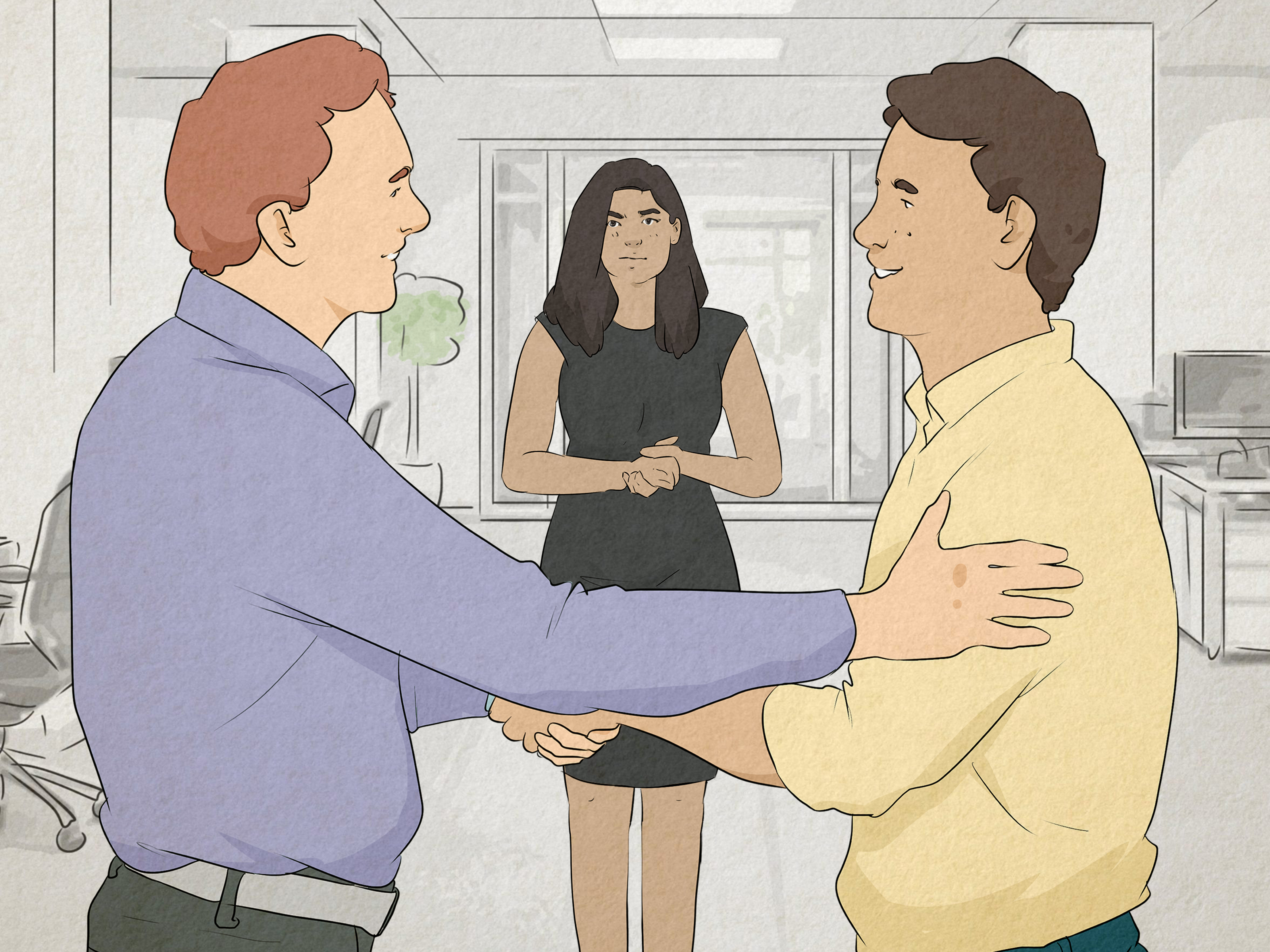
1) They’re Warm to Your Face, Cold in the Room You’re Not In
They compliment you in person, but you keep hearing that they criticize you when you’re not around. Or you notice a vibe shift when you join a grouplike the
conversation was “about something” and you were the something.
Example: They hype you up at lunch (“You’re crushing it!”) but later you find out they told someone you’re “not ready” for a project you earned.
2) They “Raise Concerns” About You to Everyone Except You
Instead of giving you feedback directly, they run it through other peopleespecially supervisors, group leaders, or mutual friends. That’s not communication;
it’s reputation management.
Example: You learn secondhand that they’re “worried about your attitude” even though they’ve never asked you what’s going on.
3) Your Private Info Keeps Becoming Public Info
You tell them something personal (stress at home, a job interview, a health situation, a crush, a mistake), and suddenly multiple people “randomly” know.
A backstabber treats your trust like group entertainment.
Quick check: If you can predict what will leak based on what you share, that’s a data breach disguised as friendship.
4) They “Misunderstand” You in the Most Damaging Possible Way
Your words get retold with a twistusually one that makes you look rude, incompetent, or dramatic. It’s not always a lie; sometimes it’s selective editing:
the social-media highlight reel version of you, but make it villain.
Example: You say, “We should double-check the numbers,” and it becomes, “They said your work is wrong.”
5) They Take Credit for Your Work, Your Ideas, or Your Wins
Credit-stealing is one of the clearest workplace versions of backstabbing. It can be subtle (“We decided…” when you did the work) or blatant (they present
your idea as their own).
Example: You shared a solution in a message thread; later they present it in a meeting without mentioning youthen act surprised that you’re upset.
6) They Exclude You in Ways That Feel Strategic, Not Accidental
Exclusion isn’t always mean-girl movie obvious. Sometimes it looks like “forgetting” to invite you, failing to share key updates, or consistently planning
things when you can’t attend.
Example: The team “forgot” to add you to the calendar invite… again… for the third time… in the same month.
7) They Spread Rumors or “Just Ask Questions” About You
Some people don’t spread rumors directlythey sprinkle doubt. They ask leading questions that plant a story: “Do you think they can handle this?” “Isn’t it weird
that they’re always…” It sounds innocent until you realize it’s a slow-motion character assassination.
Example: They tell others they’re “concerned” about your reliability, despite no evidencejust vibes and agenda.
8) They Agree in Public, Then Undermine the Plan in Private
In meetings or group chats, they nod along. Afterward, they do the opposite: delay, ignore, contradict, or quietly recruit others to resist.
This is sabotage with manners.
Example: They support your idea during a call, then message others afterward saying it’s “not going to work” and pushing an alternative.
9) They Withhold Information That You Need to Succeed
Backstabbing often includes “soft” obstruction: not passing along updates, not sharing context, not telling you a deadline changedso you look unprepared later.
If someone controls information to control outcomes, that’s not teamwork.
Example: They had the client’s updated requirements but “didn’t see” your message asking for themuntil after the presentation.
10) They Act Weirdly Satisfied When You Struggle
Healthy people feel concern when you’re stressed and cheer when you succeed. A backstabber does the opposite: they perk up at your setbacks and get quiet when you
win. The emotional pattern is telling.
Example: You share good news and they change the subject. You share bad news and they suddenly have all the time in the world.
11) They Build Alliances Against You (Cliques, “Sides,” and Group Narratives)
If you notice someone constantly gathering people to their perspectiveespecially using phrases like “everyone thinks…” or “people are saying…”they may be creating
a group narrative that isolates you. Backstabbing loves an audience.
Example: You hear a story about you that sounds suspiciously like it came from one source… but it’s now “common knowledge.”
12) They Rewrite History and Dodge Accountability
When you address the issue, they deny obvious facts, minimize your experience, or claim you’re “too sensitive.” They may suddenly become a lawyer about semantics
(“I never said that exact sentence”) while ignoring the real impact.
Example: You bring up a hurtful comment you can quote word-for-word, and they respond, “That’s not what happened,” then accuse you of being dramatic.
What to Do If You Suspect Someone Is Backstabbing You
The goal isn’t to “win.” The goal is to protect your reputation, your peace, and your ability to function without living in constant emotional whiplash.
1) Pause and Verify Before You React
Backstabbing feeds on impulsive reactions. If you respond in anger, the story becomes “See? That’s exactly what I mean about them.” Instead, gather facts:
what happened, who said what, and what you can confirm directly.
2) Keep Receipts (Without Turning into a Full-Time Detective)
In workplaces or group projects, a simple habit helps: recap decisions in writing. “Greatconfirming we’re doing X by Friday; I’ll handle A, you’ll handle B.”
This isn’t petty. It’s clarity. And clarity makes sabotage harder.
3) Address the Behavior DirectlyCalm, Specific, and Boring
Direct doesn’t mean aggressive. It means clear.
- Try: “I heard feedback about me secondhand. If there’s a concern, I’d rather you bring it to me directly.”
- Try: “When my idea is shared without attribution, it makes collaboration difficult. Going forward, please include my name when you reference my work.”
- Try: “If something I did didn’t work for you, I’m open to talking about it. I’m not okay with being discussed in a way I can’t respond to.”
4) Tighten Your Trust Circle
You don’t have to announce a friendship breakup to stop oversharing. Share less, share later, and share with people who have demonstrated they can hold your
information responsibly.
5) Build Positive Visibility
Backstabbers thrive in the shadows. Without bragging, make your work and contributions visible: keep stakeholders updated, ask smart questions in meetings,
and document collaboration. In friendships, stay connected to the group directly rather than through one “gatekeeper.”
6) Know When to Escalate or Step Away
If this is happening at work and it’s affecting your role, consider involving a manager, HR, or a trusted mentorespecially if the behavior includes harassment,
bullying, or repeated sabotage. In social settings, distance can be the healthiest boundary when direct conversations don’t change anything.
How to Protect Yourself Without Becoming Paranoid
You don’t need to assume everyone is out to get you. You do need to notice patterns:
repeated secrecy, repeated “accidents” that harm you, repeated misrepresentation, repeated boundary violations. A healthy relationship can handle a simple sentence:
“Let’s talk about it directly.” An unhealthy one will punish you for saying it.
A helpful rule: Trust should be earned in small moments before it’s granted in big ones. People show you who they are in tiny choiceshow they
talk about others, how they handle conflict, whether they apologize, and whether they protect your dignity when you’re not in the room.
When It’s Time to Walk Away
Sometimes the clearest warning sign is the simplest: you’ve brought it up, nothing changes, and you keep getting hurt. If someone repeatedly undermines you,
your best move might be reducing accessless information, less time, less emotional investment.
In workplaces, this might mean changing teams or roles when possible. In friendships, it might mean stepping back from group dynamics where you’re treated as
the “optional character” instead of a respected person.
Real-World Experiences Related to Backstabbing (What It Often Feels Like)
The tricky thing about backstabbing is that it rarely arrives with a drumroll. It usually shows up as a series of “small weird moments” that add up.
Below are common experiences people describe when they realize someone is undermining themshared here as realistic, composite scenarios so you can spot
the pattern without needing a private investigator or a psychic.
Experience #1: The Workplace “Helpful Teammate” Who Keeps You Unprepared
It starts with something minor: you don’t get copied on a message thread. Then you miss a change in priorities. Then, during a meeting, you’re asked why you
didn’t follow the updated plannews to you. The backstabby part isn’t the mistake; mistakes happen. It’s that the same person keeps being the “accidental”
bottleneck, and the consequences always land on you.
People in this situation often say the emotional whiplash is the worst part. The person seems friendly in one-on-ones, but their actions create a pattern
where you look disorganized. The lesson: stop relying on a single person for critical information. Confirm details in writing, broaden your communication
channels, and keep your updates visible to the group.
Experience #2: The Friend Who Laughs With You, Then “Vents” About You
A classic sign shows up when you hear something you said in confidence repeated back to youexcept it’s packaged as gossip. Sometimes it’s even disguised
as concern: “I’m just worried about you, that’s why I told them.” Meanwhile, you didn’t ask them to tell anyone, and now you’re stuck managing a story you
didn’t write.
People often describe feeling embarrassed and exposedlike their private life became public property. The lesson: a trustworthy friend can support you without
broadcasting you. If someone keeps leaking your info, they don’t get more info. They get less access.
Experience #3: The Group Dynamic Where You Become the “Topic”
Sometimes backstabbing isn’t one dramatic betrayal. It’s social erosion. You notice inside jokes you weren’t part of. Plans happen without you. People act
slightly awkward when you arrive, like they were discussing something and hit pause. And then you get the vague line: “Oh, nothing… we were just talking.”
Many people in this position start questioning themselves: “Am I imagining it?” That self-doubt is part of why relational aggression is so effective.
The lesson: focus on behavior, not mind-reading. If you’re consistently excluded, if your presence changes the mood, and if no one will communicate directly,
you’re allowed to step back from that group without proving anything in court.
Experience #4: The “Supportive” Person Who Competes With Your Success
Another common experience is the friend or colleague who turns your wins into their discomfort. When you share good news, they downplay it (“That’s nice”),
redirect to themselves, or suddenly bring up someone else’s bigger accomplishment. But when you struggle, they’re energizedoffering advice that sounds helpful
yet subtly insulting (“Well, you know you can be a bit much sometimes…”).
People often say they leave interactions feeling smaller, not stronger. The lesson: pay attention to how your body feels after conversations. If you regularly
feel drained, anxious, or diminished around someone, that’s dataespecially when the pattern doesn’t improve after honest communication.
Experience #5: The Online VersionSubtweets, Side Comments, and Quiet Smear Campaigns
In online spaces, backstabbing can look like vague posts clearly aimed at you, private screenshots shared out of context, or “concern” posts that invite
speculation. It’s social sabotage with a share button. People often describe feeling trapped: responding makes them look guilty, but staying quiet lets the story spread.
The lesson: don’t fight rumors on every battlefield. Strengthen your direct relationships, correct misinformation with calm facts when necessary, and avoid
emotional sparring in public comment sections. If the environment rewards drama, your healthiest move might be to disengage.
Experience #6: The Turning PointWhen You Stop Explaining Yourself to the Wrong Person
One of the most common “aha” moments people report is realizing they’ve been trying to earn fairness from someone who benefits from being unfair.
They’ve over-explained, over-apologized, and over-sharedhoping clarity will create kindness. But clarity doesn’t fix character.
The lesson: your job isn’t to convince a backstabber to become safe. Your job is to notice what’s happening and adjust your access accordingly. Boundaries,
documentation, direct communication, and distance are not “dramatic.” They’re practical.