An old table has two possible futures: a glamorous second act or a slow retirement under a pile of mail, mystery batteries, and one lonely rubber band. Let’s choose glamour. Turning an old table into a food and beverage station is one of the smartest DIY upgrades you can make because it combines style, storage, and function without demanding a full kitchen remodel or a second mortgage.
Whether you want a cozy coffee bar, a brunch-ready serving station, a backyard lemonade setup, or a party-friendly drink hub, an old table can become the MVP of hosting. The best part is that this project works with many table types: console tables, side tables, drop-leaf tables, sofa tables, vintage dining tables, or even that forgotten piece from the garage that has “good bones” and a slightly dramatic wobble.
In this guide, you’ll learn how to choose the right table, prep and refinish it, add storage, and style it so it actually works in real life. Because a beautiful beverage station is nice, but a beautiful beverage station that does not collapse under the emotional weight of a coffee maker is even better.
Why an old table makes a great food and beverage station
Repurposing a table is budget-friendly, sustainable, and surprisingly flexible. A table already gives you a work surface, and many pieces have drawers, lower shelves, or enough legroom to add baskets, bins, or rolling storage underneath. That means you can create a station that looks polished while keeping mugs, napkins, syrups, tea bags, snack jars, serving trays, and small appliances in one convenient place.
A dedicated food and beverage station also improves flow in your home. Instead of cluttering your main kitchen counters, you create one clearly defined zone for drink prep and serving. Morning coffee goes faster. Weekend brunch looks more intentional. Guests stop opening random cabinets looking for sugar like they are on a treasure hunt designed by chaos.
Choose the right old table before you start
Not every table is a perfect candidate, so do a quick reality check before you break out the sandpaper. Look for a piece that feels sturdy, sits level, and has enough top surface for the station you want to build. A compact coffee station may only need room for a machine, mugs, and canisters. A full food and beverage station may need space for drink dispensers, plates, snacks, or a cutting board-style serving tray.
Good table options
- Console table: Ideal for narrow kitchens, hallways, or dining rooms.
- Drop-leaf table: Great for small spaces because it expands when guests arrive.
- Sideboard-style table: Perfect if you want drawers or extra storage.
- Outdoor patio table: Useful for seasonal beverage stations on porches or decks.
- Vintage dining table: Best for large entertaining zones or buffet service.
What to check before buying or repurposing
- Loose joints or wobbly legs
- Deep water damage or warping
- Peeling veneer
- Old flaking paint or suspicious finishes on very old furniture
- Whether the height works for coffee machines, drink dispensers, or serving dishes
If the piece is older and has old paint, be extra careful. If your home or furniture may date to before 1978, use lead-safe precautions before sanding or scraping. Safety is not the most glamorous part of DIY, but neither is inhaling something your grandparents’ paint loved too much.
Tools and materials you may need
- Mild cleaner or degreaser
- Microfiber cloths
- Screwdriver
- Wood filler
- Putty knife
- Sandpaper or sanding sponges in multiple grits
- Tack cloth or damp lint-free cloth
- Primer
- Paint or stain
- Protective topcoat or polyurethane
- Brushes, foam rollers, or spray paint
- Baskets, bins, hooks, trays, or shelf risers
- Optional casters if you want mobility
How to turn an old table into a food and beverage station: step by step
1. Decide what kind of station you want
Start with function, not color. Ask yourself how the station will be used most often. A coffee station needs room for a coffee maker, mugs, beans or pods, sweeteners, and spoons. A beverage bar may need glassware, mixers, ice buckets, napkins, and bottle storage. A family snack-and-drink station might need baskets for granola bars, fruit bowls, reusable cups, and water bottles.
When you define the purpose first, every design choice becomes easier. You’ll know whether to add hooks for mugs, a tray for syrups, bins for snacks, or a lower shelf for extra bottles. In other words, you stop decorating randomly and start designing like you actually know what you’re doing.
2. Clean the table thoroughly
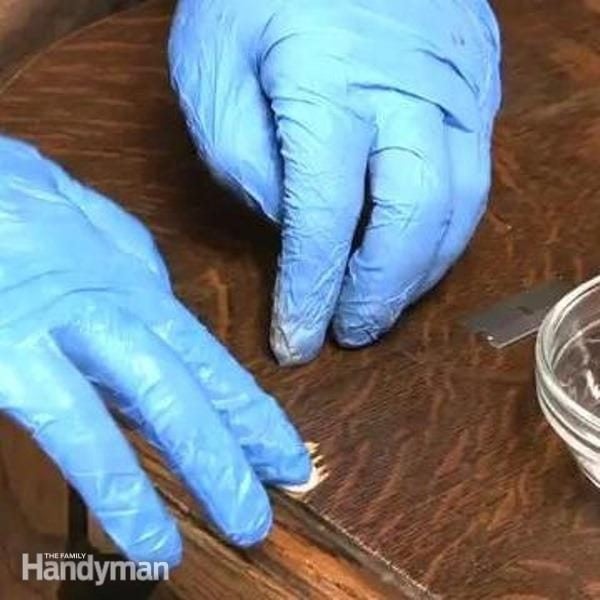
Before painting or staining, clean the entire table well. Old furniture often has grease, wax, dust, polish residue, or mysterious stickiness that seems to have arrived during the Carter administration. Any residue left behind can interfere with paint or stain adhesion.
Wipe the piece down, let it dry fully, and remove any hardware if needed. If the table has a glossy finish, you may also need to degloss it or scuff it so primer and paint can grip the surface better.
3. Repair damage and tighten the structure
Fix the bones before you fuss over the outfit. Tighten screws, reinforce loose joints, and fill dents, chips, or unused hardware holes with wood filler. Let repairs dry completely, then sand them smooth so the surface feels even.
If a table is only slightly wobbly, basic tightening may solve the issue. If it still sways like it is performing interpretive dance, add corner braces or wood glue where appropriate. Your future self, holding a full pitcher of iced tea, will be deeply grateful.
4. Sand the surface the smart way
Sanding helps remove old finish, smooth repairs, and create tooth for primer or stain. For refinishing projects, many DIY guides recommend starting with a coarser grit to remove remaining finish or rough spots, then moving to a finer grit for smoothness. Always sand with the grain when possible and remove dust before moving to the next step.
You do not need to sand the table into another dimension. The goal is a clean, smooth, workable surface. Over-sanding can damage veneer or round off crisp edges that give the piece character.
5. Prime before painting, or prep carefully before staining
If you plan to paint, primer is your best friend. It improves adhesion, helps block old color, and gives you a more even finish. Bonding primers are especially useful for slick or laminate-like surfaces. After the primer dries, lightly sand again if needed and wipe away the dust.
If you prefer stain, prep matters just as much. Sand evenly, remove all dust, and test stain on a hidden area first. Stain tends to highlight the wood’s personality, including its charming grain and its less charming imperfections, so prep carefully.
6. Paint or stain for style and durability
For a clean, durable station, paint is often the easiest option. Apply thin, even coats and let each one dry properly before adding the next. For furniture that will see regular use, avoid rushing the dry time. That “it looks dry enough” instinct has ruined many good weekends.
Popular looks include:
- Crisp white or soft cream: Bright, classic, and easy to style
- Black or charcoal: Dramatic and sophisticated for a bar-style station
- Sage, navy, or muted green: Great for a cozy, updated cottage look
- Natural wood stain: Warm and timeless, especially for farmhouse or rustic spaces
- Two-tone finish: Painted base with a stained top for extra character
7. Seal the top so it can handle real life
A food and beverage station deals with drips, mugs, condensation, sugar spills, spoon clinks, and the occasional splashy overachiever. A protective topcoat helps your finish last longer and makes the surface easier to wipe clean.
If you use polyurethane or another clear protective finish, follow the label directions, allow proper drying time, and sand lightly between coats if recommended. For high-use stations, this step is not optional. Skipping it is like buying a white couch and then acting surprised by coffee.
8. Add storage and serving features
Now the fun part begins. Your table becomes a station when it gains zones. Think in layers:
- Top surface: Main appliance, trays, drink dispensers, serving boards
- Wall space above: Shelves, art, peg rails, mug hooks, menu board
- Under-table zone: Baskets for snacks, extra cups, filters, bottles, or linens
- Drawers: Stir sticks, napkins, tea bags, corkscrews, coasters
Use trays to corral small items so the station looks intentional instead of cluttered. Shelf risers can create vertical storage for mugs or jars. Hooks mounted under a shelf or along the back edge can hold mugs, towels, or bar tools. Decorative bins are useful for coffee supplies, tea tins, or cocktail accessories.
Best food and beverage station ideas for different spaces
Coffee and tea station
This is the most popular version for good reason: it makes your mornings smoother and your kitchen counters less chaotic. Use the table top for the machine and a tray with sugar, stirrers, and syrups. Add a basket below for extra pods, beans, filters, and hot cocoa packets. A small sign, framed print, or row of mugs gives it that café-at-home feel.
Weekend brunch station
Use your repurposed table as a self-serve brunch spot with a coffee urn, juice pitcher, pastry stand, fruit bowl, plates, and napkins. This works especially well for holidays, baby showers, or family gatherings when the kitchen gets crowded and everyone suddenly forgets how to form a line.
Mocktail or cocktail station
A darker paint color or stained wood finish looks especially sharp here. Style the table with glassware, mixers, citrus bowls, a shaker set, cocktail napkins, and a lower shelf for bottles or sparkling water. Add a lamp or battery-operated accent light to make it feel more lounge-like and less “I put tonic water on a desk.”
Outdoor drink station
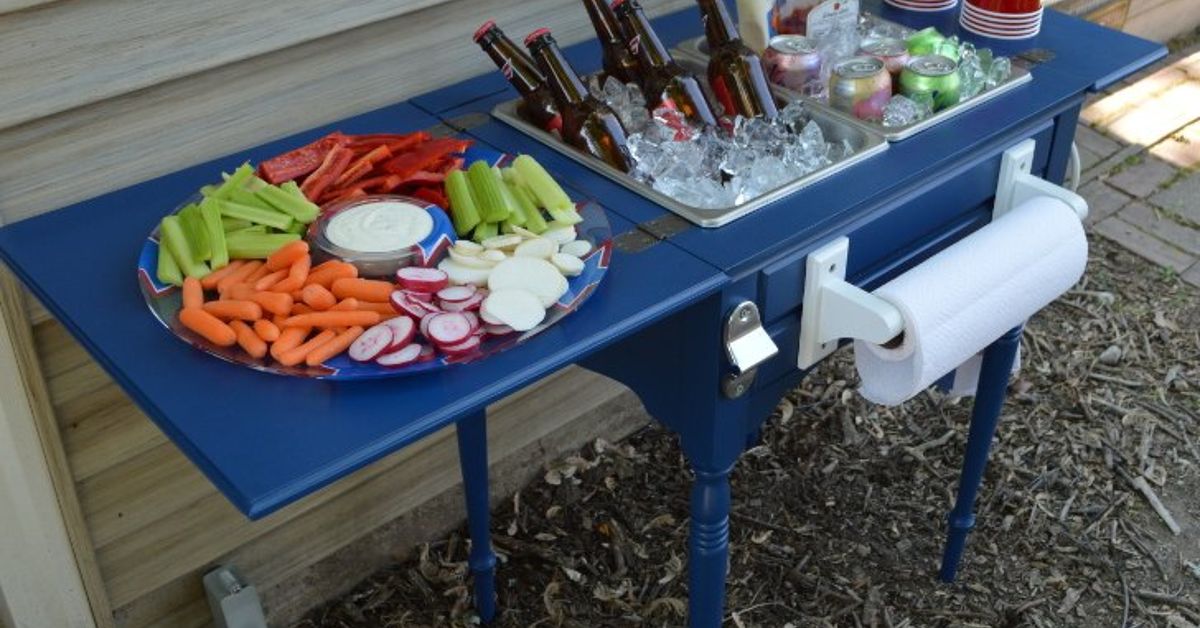
For patios or decks, use the table for lemonade, iced tea, canned drinks, or a summer punch setup. Large tubs, dispensers, and baskets of cups work well here. If the table will live outdoors for long stretches, choose weather-appropriate paint or protective finishes and bring soft accessories inside when not in use.
Kid-friendly snack and beverage station
Keep reusable cups, water bottles, grab-and-go snacks, and napkins within easy reach. Use labeled bins and keep breakables off the station if little hands are involved. This setup can reduce constant requests for snacks by a surprisingly satisfying amount, though no DIY project has yet solved the ancient phrase, “Is there anything else to eat?”
Styling tips that make it look professionally done
- Stick to one or two main colors and one accent finish
- Use matching jars or canisters for a cleaner look
- Group small items on trays instead of scattering them
- Mix practical items with one or two decorative pieces
- Leave some breathing room on the top so it stays functional
- Use baskets underneath to hide visual clutter
- Swap seasonal details like flowers, citrus bowls, or holiday mugs
The golden rule is simple: style it like you live there, not like a catalog robot moved in overnight. A station should be pretty, but it should also handle Tuesday morning.
Common mistakes to avoid
Choosing beauty over stability
If the table is cute but flimsy, keep shopping or be ready for structural repairs. Small appliances and beverage dispensers add weight fast.
Skipping prep
Cleaning, sanding, priming, and sealing are what make the makeover last. Paint slapped over dust and gloss may look good for five minutes and then peel like a bad sunburn.
Overcrowding the surface
A good station is organized, not overloaded. Only keep your most-used items on top. Store the rest below.
Ignoring drip protection
Use trays under syrup bottles, creamers, and drink dispensers. Water rings and sticky puddles are not part of the design plan.
Forgetting traffic flow
Place the station where people can gather without blocking a doorway or the main cooking area. Convenience matters just as much as aesthetics.
How to keep your station looking good
Wipe spills quickly, use coasters or trays where possible, and refresh the styling every few months. Rotate mugs, replace worn napkins, and restock essentials in batches. If the finish starts looking tired, a light clean and touch-up can revive it without a full redo.
A well-made table station evolves with your habits. In winter, it can be a cocoa and tea bar. In spring, a brunch station. In summer, a lemonade and sparkling water hub. In fall, it practically begs for cinnamon sticks and a pumpkin-scented personality crisis.
Experiences and real-life inspiration: what this project is actually like
One of the best things about turning an old table into a food and beverage station is that the project feels personal almost immediately. Unlike some DIY upgrades that look nice but do not change how you live, this one earns its keep from day one. People often start with a practical need, like clearing kitchen counters or creating a better setup for hosting, but the finished station ends up changing routines in ways they did not expect.
For example, a narrow console table in a dining room can become a weekday coffee station and a weekend pastry bar. Suddenly, the kitchen is less crowded in the morning, and guests naturally gather in a second zone instead of hovering over the stove. A once-forgotten side table can become the most complimented piece in the room simply because it is both useful and charming.
Many people also find that the makeover process itself is less intimidating than it sounds. The table does not have to be expensive or antique-store precious. In fact, the pieces with a few scratches, nicks, or uneven finish often make the best candidates because you are not afraid to experiment. A little sanding, a few repairs, fresh paint, and a protective topcoat can completely change how a worn-out table feels. It goes from “Should we get rid of this?” to “Why does this look like something from a boutique café?”
There is also a satisfaction that comes from customizing the station around your own habits. Coffee drinkers tend to create beautifully efficient setups with mugs on hooks, beans in canisters, and syrups on a tray. Families with kids often prefer baskets of snacks, reusable cups, and drink pitchers. Hosts may add glassware, cocktail tools, and seasonal garnishes. The station becomes a snapshot of how your home actually functions, not just how it photographs.
Another common experience is realizing that small design choices make a big difference. Adding one shelf above the table can double storage. Using matching jars instantly makes the space feel cleaner. Hiding backup supplies in baskets underneath keeps the top from looking chaotic. Even a lamp, framed print, or simple plant can make the station feel intentional rather than improvised.
Of course, no project is completely drama-free. There may be a moment when the old finish refuses to cooperate, a drawer sticks out of spite, or your “quick weekend refresh” becomes a slightly longer romance with sandpaper. But even those hiccups tend to be manageable, and the result is usually worth it because the transformation is so visible. You are not just updating furniture. You are creating a destination in your home.
That is probably why this project is so popular: it blends storage, hosting, decorating, and everyday convenience into one smart upgrade. An old table becomes more than furniture. It becomes the place where mornings start, guests gather, kids grab snacks, and your home feels just a little more put together. Not bad for something that was one step away from becoming garage decor.
Final thoughts
If you want a DIY project that is practical, stylish, and genuinely satisfying, turning an old table into a food and beverage station is hard to beat. Start with a sturdy piece, prep it properly, choose a finish that fits your space, and build storage around how you actually live. The result is a hardworking station that looks custom, keeps clutter under control, and makes everyday routines feel more special.
In other words, your old table is not past its prime. It is just waiting for a promotion.