“`
A backyard does not need a television-renovation budget, a trenching machine, or a cousin who “sort of understands electricity” to feel welcoming after dark. A few well-placed solar lamps can make a patio, garden, deck, balcony, or walkway feel usable long after sunset. The trick is not to flood every shrub with enough light to land a helicopter. It is to create soft, useful pools of light where people walk, sit, eat, and admire the tomatoes that are always “almost ready.”
Solar lamp DIY projects are beginner-friendly because most small fixtures are self-contained. A solar panel collects daylight, a rechargeable battery stores energy, and an LED turns on automatically when its sensor notices darkness. There are no cords stretched across the lawn and no wiring diagram that resembles spaghetti in a science lab. With a little planning, you can create a safer, cozier outdoor living space in an afternoon.
Why DIY Solar Lamps Are Worth It
Solar lighting is portable, flexible, and forgiving. You can test a lantern on the patio, move it to the herb garden, and relocate it again when your furniture layout changes. That is useful for renters, small yards, and anyone who prefers trying an idea before committing to a permanent lighting system.
The best results come from giving every light one clear job: guide a guest, define a step, make a dining table feel inviting, or highlight a favorite planter. A purposeful light usually looks better than ten random ones doing their best impression of a tiny airport runway.
Plan Your Solar Lighting Before You Buy
Take a short walk outside at twilight. Notice where you slow down, squint, or instinctively reach for a phone flashlight. Those are the areas that deserve light first.
Divide the Yard Into Four Lighting Zones
- Arrival: gates, driveways, front walks, and door areas.
- Safety: steps, uneven paths, level changes, shed routes, and trash-bin areas.
- Living: dining tables, chairs, grills, and outdoor game spaces.
- Accent: a trellis, planter, tree, water feature, or architectural detail.
Check the Sun Before Choosing the Style
A solar lamp may look wonderful in a shaded corner, but its panel needs good daylight to charge. Compact solar fixtures commonly perform best after several hours of direct sun. Dense trees, deep roof overhangs, and a panel facing a wall can leave a lamp trying to recharge through optimism alone. When using a fixture with a separate panel, place the panel in open sun and keep the light where it is needed.
For an inviting outdoor look, choose warm-white LEDs rather than sharp blue-white light. Downward-facing or shielded fixtures are especially useful because they illuminate the surface below without sending glare toward your eyes, neighbors, or the night sky.
Materials for a Starter Solar Lamp DIY Project
For your first project, use outdoor-rated solar inserts, solar jar lids, or complete stake lights. They already include a protected battery compartment, a dusk sensor, and a panel designed to work together. Building a circuit from loose parts can be fun for experienced makers, but it is unnecessary for a charming garden lantern.
- Outdoor-rated solar light inserts, solar lids, or compact stake lights
- Clear or frosted glass jars, weather-friendly plastic lanterns, or metal frames
- A soft cloth, small screwdriver, and outdoor-rated hooks or mounting hardware
- Landscape staples or gravel for stabilizing path lights
- Replacement batteries only when the manufacturer permits them and lists the exact type
Avoid enclosing a non-weatherproof light in a sealed container with no ventilation or drainage. Condensation enjoys a closed jar almost as much as it enjoys a bathroom mirror. Use a solar lid made for the container, or choose a lamp housing designed for outdoor exposure.
Five Easy Solar Lamp DIY Ideas
1. Mason Jar Table Lanterns
Solar jar lids turn ordinary jars into portable patio lanterns. Add a shallow layer of smooth stones or sea glass below the light insert, then place the jars along a table, low wall, or garden bench. Clear glass creates sparkle; frosted glass makes the glow softer and more candlelike.
2. Solar Post-Cap Lamps
Solar post caps are an easy way to outline a fence or deck rail. Measure the post tops before buying hardware. A secure fit matters, especially in wind and rain, and “close enough” is much more charming in a pizza order than in outdoor construction.
3. Lighted Planter Markers
Place slender solar stakes at the back edge of large pots, raised beds, or entry planters. The light outlines foliage and helps visitors see the container edge. Keep leaves from covering the panel when the plants become their usual wildly ambitious selves.
4. Gravel-Pocket Path Lights
Create small gravel pockets beside a path and set short solar lights within them. Gravel provides a neat finished look, keeps mulch from creeping over the fixture, and makes cleaning easier. Test placement at dusk before pushing stakes all the way into the soil.
5. Hanging Lanterns for a Pergola or Arbor
Use solar lanterns with hanging loops on sturdy hooks attached to a pergola, arbor, or porch beam. Keep panels facing open sky and lanterns high enough to avoid forehead collisions. Skip wire wrapped around living tree branches; a freestanding structure is kinder to the tree and easier to adjust.
Step-by-Step: Build a Solar Mason Jar Lantern
- Choose a compatible jar and lid. Use a solar lid or puck intended for a Mason-style jar, with a secure weather-resistant fit.
- Charge and test it first. Turn the unit on, let it charge in full sun according to its instructions, then briefly cover the panel to verify that the LED activates.
- Prepare the jar. Wash and dry it completely. Decorative filler should stay below the light insert and must not trap moisture or cover the LED.
- Assemble gently. Fit the lid or insert without forcing parts. Do not puncture the solar-panel or battery housing.
- Place it for charging, not just for looks. A sunny rail, open tabletop, or garden border will usually outperform a covered porch corner.
- Evaluate it after dark. Walk through the space as a guest would. Move the lantern until it clearly defines a table, threshold, or pathway.
Design Like a Host, Not a Stadium Manager
Layer lighting instead of trying to make every inch of the yard equally bright. Start with functional light at steps and paths. Add a middle layer around seating or dining. Finish with one or two accents on a planter, arbor, or sculptural tree. The result has depth and feels calmer than a collection of lights aimed everywhere at once.
Spacing matters more than maximum brightness. On a path, install enough fixtures for guests to see the route, but avoid lining them up so tightly that the garden resembles an airport runway. Around a patio, place lanterns near the outer edge of the seating zone so faces are softly visible without putting a spotlight in someone’s soup.
Choose the Right Type of Solar Outdoor Light
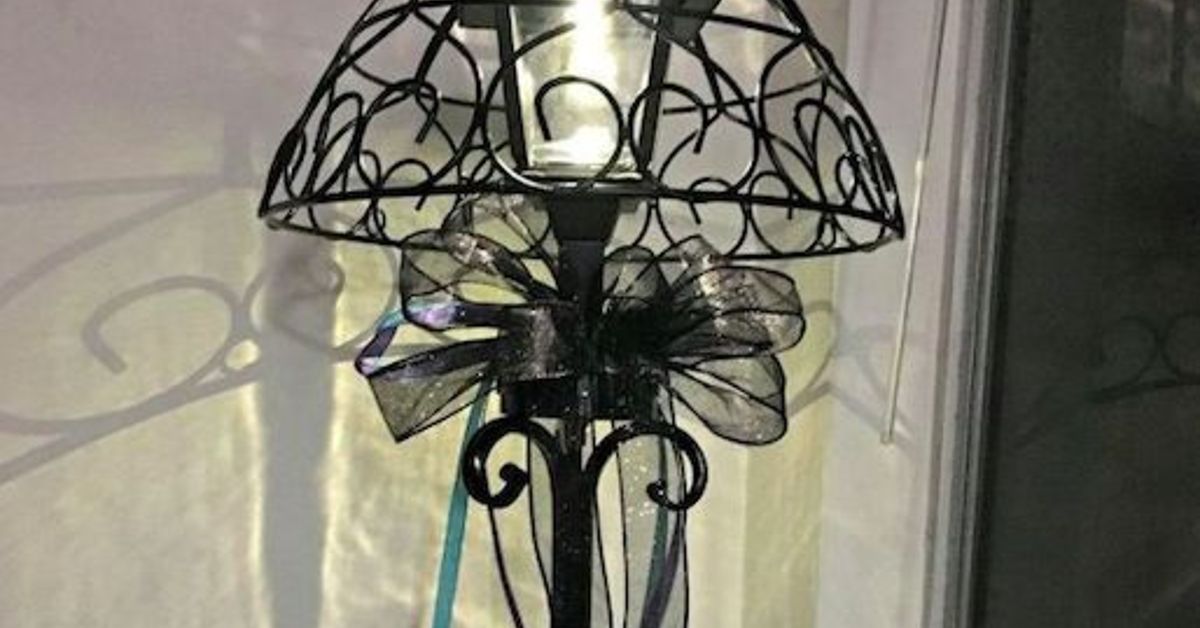
Path lights guide movement. Step and deck lights clarify changes in height. Post lights define a boundary. Lanterns add mood near chairs and tables. Motion-sensing solar fixtures are useful near side gates, sheds, and service paths where brighter light is only needed when someone passes through.
Compare brightness in lumens rather than trusting product photographs taken at the exact moment a full moon and a professional camera crew happened to cooperate. Decorative lamps are often intentionally subtle. For a tripping hazard, choose a purpose-built step or path fixture with clear downward light. For a relaxed dinner, softer lanterns are usually the better choice.
Maintenance That Keeps the Glow Going
Solar lights need a small amount of regular care. Wipe dust, pollen, leaf film, and bird residue from panels with a damp soft cloth. Check that growing plants have not shaded the panel, and inspect stakes, hardware, and seals after storms.
When a lamp grows dim or quits early, start with the simple fixes: clean the panel, verify the switch, test it in a sunnier location, and make sure a nearby porch light is not confusing the dusk sensor. Only then consult the manufacturer’s directions for a replacement battery. Use the specified rechargeable chemistry, voltage, and size; a random battery from a drawer is not an upgrade.
Responsible and Safer Outdoor Lighting
Point light down, use the lowest brightness that solves the problem, and prefer warm-colored LEDs. Timers and motion sensors can keep lamps from running when no one needs them. This reduces glare, respects nearby bedrooms and wildlife, and preserves the chance of seeing actual stars instead of a blue security beacon auditioning for a sci-fi sequel.
Use outdoor-rated fixtures as directed. Do not modify their battery housings or connect them to household wiring. When a rechargeable or lithium-based battery reaches the end of its life, recycle it through local household-hazardous-waste guidance or an approved battery program instead of placing it in household trash or curbside recycling.
Frequently Asked Questions
Do solar lamps work in winter?
Yes, but shorter days, snow cover, and lower sun angles can reduce charging and runtime. Give panels the best available sun, brush off snow, and expect less output during darker months.
Can solar lamps light an entire patio?
They can create attractive ambient light when you layer lanterns, post lights, and string-style fixtures. Use a dedicated outdoor-rated task light for detailed work such as grilling or reading.
Why do solar lights turn on during the day?
The panel may be shaded, dirty, covered, or aimed at a dark surface. Clean it, move it into direct sun, and test the light away from heavy shade.
Hands-On Lessons From a Solar-Lit Outdoor Space
The first practical lesson with DIY solar lamps is that placement beats quantity. A dozen inexpensive lights in the wrong spots can make a yard look busy while leaving the back step strangely dark. Three fixtures placed at a gate, the first step, and the far end of a path often make the space easier to use. The change is not always dramatic in a catalog-photo way; it is simply practical. You stop checking the ground with your toes.
A second lesson arrives after the first cloudy week: solar lighting has a personality. A lantern that glows for hours in July may become sleepy in late fall. That does not automatically mean it failed. It received less useful daylight, stored less energy, and faced an earlier sunset, all while being asked to perform like it had a private power plant hidden in the mulch. Realistic expectations make solar lighting more enjoyable. Use it for atmosphere and guidance, and reserve high-output wired lighting for places that truly need it.
The testing phase is often the best part. Before mounting anything permanently, place lights temporarily with painter’s tape, loose stakes, or garden hooks. Look at the arrangement from indoors, from the driveway, and while seated at the patio table. A lantern that feels perfect while standing may glare into someone’s eyes when they sit down. A path light that looks centered at noon may vanish behind a hosta at night. The yard becomes a little stage set, and you are both the director and the unpaid crew.
Maintenance is another useful reality check. Lamps that get a quick wipe during regular patio cleanup tend to perform better. Lamps forgotten under pollen, leaves, and decorative cobwebs gradually become tiny, expensive ornaments. Fortunately, cleaning a panel takes less effort than locating the original instruction sheet. A soft cloth, a switch check, and a quick look for overgrown plants solve a surprising number of problems.
There is also an emotional benefit that never appears on a package label. Gentle solar lighting encourages people to stay outside a little longer. A few glowing jars can make an ordinary Tuesday dinner feel intentional. Guests find the gate without a phone flashlight. A late-night trip to check the garden feels less like a mission and more like a small ritual. It becomes a friendly signal that the day has slowed down without quite ending yet.
The best finished project does not look “installed.” It looks as though the outdoor space always wanted to be used that way. The light appears where a hand reaches for a railing, where friends set down a drink, and where a path asks to be followed. That is the real solar lamp DIY win: not building the brightest backyard on the block, but building one that quietly invites people outside.