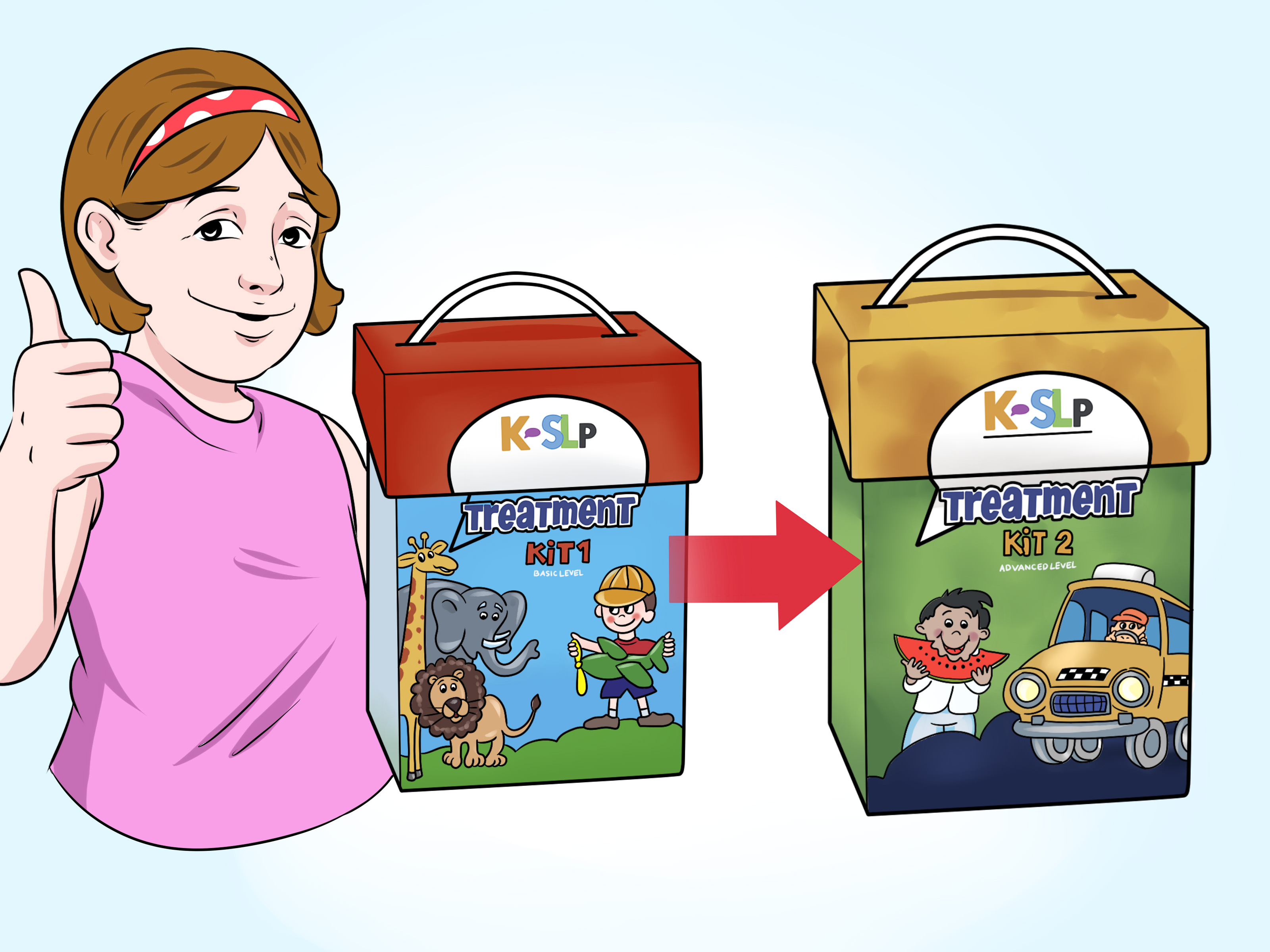
Kaufman Cards, often known as the Kaufman Speech Praxis Treatment Kit cards, are widely used speech therapy materials designed to help children practice speech movement patterns, especially when childhood apraxia of speech or severe speech sound difficulties make talking feel like trying to assemble furniture without instructions. The child knows what they want to say, but the mouth, timing, and sequencing do not always cooperate.
These cards are not magic flashcards, and they do not replace a qualified speech-language pathologist. However, when used correctly, they can become a practical bridge between professional therapy and everyday communication. The goal is not to force perfect speech overnight. The goal is to help a child build from easier word approximations toward clearer, more complete words through repetition, cueing, encouragement, and functional practice.
This guide explains how to use Kaufman Cards in 10 clear steps, with examples, caregiver-friendly tips, common mistakes to avoid, and real-world experience notes. Think of it as a map: the speech-language pathologist is still the navigator, but now you can read the road signs too.
What Are Kaufman Cards?
Kaufman Cards are picture-based speech therapy cards created to support the Kaufman Speech to Language Protocol, often abbreviated as K-SLP. The approach is commonly associated with helping children who struggle with motor planning for speech. Instead of demanding a full adult-like word immediately, the method often uses successive approximations. That means the child may first say a simpler version of a word, then gradually shape it into a clearer and more complete production.
For example, a child who cannot yet say “banana” may begin with something closer to “ba,” then “bana,” and later “banana.” No one throws confetti for perfection only. We celebrate the stepping stones because stepping stones are how tiny humans cross big speech rivers.
The cards usually include pictures of nouns, verbs, and functional words arranged by sound patterns and syllable shapes. Depending on the level, the cards may target early-developing consonants, vowel combinations, simple syllable structures, and later more complex word forms. They are often used by speech-language pathologists, but parents and caregivers may also use selected cards at home when guided by an SLP.
Who Can Benefit From Kaufman Cards?
Kaufman Cards may be helpful for children who have difficulty producing clear words because of motor speech challenges, limited sound inventories, inconsistent productions, or difficulty moving from one sound or syllable to another. They are often discussed in connection with childhood apraxia of speech, but an SLP should determine whether they are appropriate for a specific child.
They may also be useful when a child has a small set of sounds they can already produce and needs help turning those sounds into meaningful words. The approach works best when practice is individualized. One child may need simple consonant-vowel words like “me,” “bye,” or “up.” Another may be ready for two-syllable words, phrases, or more advanced combinations.
In simple terms: Kaufman Cards are not about making a child repeat random words until everyone needs a snack break. They are about choosing the right targets, practicing the right movements, and helping speech become more useful in real life.
How to Use Kaufman Cards: 10 Steps
Step 1: Start With an Evaluation or Professional Guidance
Before using Kaufman Cards seriously, begin with a speech-language evaluation or guidance from a licensed speech-language pathologist. This matters because different speech problems can look similar on the outside. A child may be hard to understand because of childhood apraxia of speech, a phonological disorder, articulation delays, hearing issues, language delays, or a combination of factors.
An SLP can identify what the child can already say, which vowels and consonants are in the child’s sound inventory, what syllable shapes are emerging, and which targets are realistic. Starting without this information is like trying to bake cookies by guessing the oven temperature. You might get something edible, but the odds are not ideal.
If you are a parent, ask the SLP which card sets to use at home, how many cards to practice, how often to practice, and what counts as an acceptable approximation. This prevents home practice from becoming confusing or frustrating.
Step 2: Learn the Purpose of Successive Approximations
The heart of the Kaufman approach is often successive approximation. This means accepting a simpler production first, then gradually shaping it toward the adult word. The child is not “wrong” just because the word is not perfect. The child may be at an important stage of building the motor plan.
For example, if the target is “puppy,” an early approximation might be “puh” or “puh-puh.” Later, it may become “puh-ee,” then “puppy.” If the target is “open,” a child might begin with “oh,” then “oh-puh,” then “open.” The exact path depends on the child’s abilities and the SLP’s plan.
This step is important because adults naturally want to correct everything. We hear “buh” for “bubble” and instinctively say, “No, say bubble.” But for a child with motor speech difficulty, that can feel like being asked to jump to the roof when they are still practicing the first stair. Kaufman Cards help adults build stairs.
Step 3: Choose Cards That Match the Child’s Current Skills
Do not begin with the hardest, fanciest, longest words just because they look exciting. Start with the cards that match the child’s current speech abilities. If the child can produce /m/, /b/, and /p/ with simple vowels, then simple words using those sounds may be a better starting point than words packed with later-developing sounds.
A useful target is one that is challenging but possible with support. If the child can almost say it, you are in the sweet spot. Too easy, and progress may stall. Too hard, and the child may shut down faster than a tablet with one percent battery.
Many therapists organize practice by syllable shape, such as consonant-vowel, vowel-consonant, consonant-vowel-consonant, or simple two-syllable patterns. The SLP may also choose words based on what is functional for the child’s daily life. Words like “mom,” “up,” “more,” “bye,” “eat,” “go,” or a sibling’s name may be more motivating than random picture labels.
Step 4: Set a Clear Goal for Each Practice Session
Every session should have a small, specific goal. Avoid vague goals like “work on talking.” Instead, choose a target such as practicing five consonant-vowel words, shaping a two-syllable word, improving lip closure for /m/ and /b/, or helping the child say a useful request like “more” during snack time.
Clear goals keep the session focused. They also help the adult know when to stop. A short, successful session is usually better than a long, exhausting one. Speech practice should feel like structured play, not a tiny courtroom where the child is on trial for mispronouncing “monkey.”
For example, a home session might focus on three cards: “me,” “moo,” and “bye.” The goal may be for the child to watch the adult’s mouth, imitate the word or approximation, and use it several times in a simple game. That is enough. Small wins count.
Step 5: Model the Word Clearly Before Asking the Child to Try
Before the child says anything, provide a clear model. Hold up the card, say the word slowly and naturally, and let the child look at your mouth. You might say, “Watch me: moo.” Then pause and give the child time to attempt it.
For some children, it helps to use a slightly exaggerated but still natural model. For example, you may gently stretch the vowel in “me” or show clear lip closure for “mom.” The goal is to make the movement visible and understandable, not to turn your face into a cartoon trumpet.
Use simple language. Instead of giving a long lecture about tongue placement, try short cues such as “lips together,” “open mouth,” “big smile,” “try again,” or “listen first.” The best cue is the one the child understands and can use.
Step 6: Accept the Best Approximation and Shape It Gradually
When the child attempts the word, listen for the best approximation. If the card is “baby” and the child says “bay,” that may be a useful starting point. Praise the attempt, then shape it closer: “Yes, bay. Let’s try bay-bee.”
Shaping is not the same as accepting unclear speech forever. It means meeting the child where they are and nudging forward. Over time, the adult increases expectations as the child gains control.
A simple shaping sequence might look like this:
- Adult: “Bow.”
- Child: “Buh.”
- Adult: “Good try. Bow. Round lips: bow.”
- Child: “Bow.”
- Adult: “Nice talking! Bow goes in the boat.”
This is where Kaufman Cards can shine. They give adults a structured way to move from early approximations toward clearer speech without making the child feel like every attempt is a mistake.
Step 7: Use Cues, Then Fade Them
Cues are hints that help the child produce the word. They may be visual, verbal, tactile, gestural, or rhythmic. For example, the adult may point to the lips for /m/, tap the table for syllables, use a mirror, or break a word into smaller parts.
However, cues should not become permanent crutches. Once the child can produce the target with help, gradually reduce the help. This is called fading. The sequence may move from full model to partial model, then to a question, then to spontaneous use.
For example:
- Full model: “Say ‘bye.’”
- Partial cue: “B…”
- Choice: “Do you want to say hi or bye?”
- Natural prompt: “Grandma is leaving. What do we say?”
Fading matters because the real goal is not for the child to repeat words only when an adult performs a full speech-therapy dance routine. The goal is communication in everyday life.
Step 8: Keep Practice Short, Frequent, and Positive
Children with motor speech challenges often need many repetitions, but that does not mean one marathon session is best. Short, frequent practice is usually easier to tolerate and more productive. A five-minute practice during snack, bath time, or play may be better than a thirty-minute battle in which everyone loses faith in humanity.
A good home practice routine may include three to ten target cards, depending on the child’s age, attention span, and SLP recommendations. Try to get multiple repetitions of each word, but keep the mood light. Use toys, movement, silly voices, pretend play, or quick rewards.
For example, if the target word is “go,” practice it while rolling a car, pushing a swing, racing toy animals, or starting a song. The card introduces the target, but play gives the word a reason to exist.
Step 9: Move From Cards to Real Communication
Cards are tools, not the final destination. After the child practices a word with the card, use that word in real activities. If the card says “eat,” practice it during snack. If the card says “up,” practice it when lifting a toy, stacking blocks, or asking to be picked up. If the card says “go,” use it before launching a toy car or starting a race.
This step is essential because a child may say a word beautifully during card practice but not use it spontaneously. Carryover takes planning. The adult should look for natural moments to use the same target words throughout the day.
For example, after practicing “more” with a card, use “more” at breakfast, during bubbles, while reading a book, and when building blocks. The child learns that the word is not just a card label. It is a powerful little tool for getting more crackers, more bubbles, more tickles, and possibly more control over the universe.
Step 10: Track Progress and Adjust the Card Set
Keep simple notes. You do not need a complicated spreadsheet with seventeen tabs and a color-coded dashboard. A notebook or phone note can work. Track the date, the target words, the child’s best approximation, the cues needed, and whether the word appeared outside card practice.
For example:
- “6/17: Practiced ‘me,’ ‘moo,’ ‘bye.’ Needed full model for ‘moo.’ Said ‘bye’ to Dad with no model.”
- “6/20: ‘Open’ improved from ‘oh’ to ‘oh-puh’ with tapping cue.”
- “6/24: Used ‘go’ during car play five times. Needed only a pause prompt.”
Share this information with the SLP. It helps the professional decide whether to keep practicing the same targets, increase complexity, change cues, or choose more functional words. Progress in speech therapy is often gradual, but careful tracking reveals wins that may otherwise be missed.
Best Practices for Using Kaufman Cards at Home
Make Practice Functional
Children are more motivated when words matter. A card with “cookie” may get more effort than a card with “mop,” unless the child has a deep emotional bond with cleaning supplies. Choose words that connect to favorite people, toys, foods, games, and routines.
Do Not Overcorrect
Correction has a place, but constant correction can make a child avoid talking. Use a balanced pattern: model, encourage, shape, praise, and try again. If the child makes several attempts and gets tired, switch to an easier target or return to play.
Use the Same Targets Across Settings
If the SLP is practicing “up,” “go,” and “more,” use those same words at home. Consistency helps the child build stronger motor plans. Random practice is less effective than coordinated practice.
Celebrate Effort and Communication
When a child tries to communicate, respond warmly. If the word is not perfect but understandable in context, show that it worked. Communication success is highly motivating. A child who learns “my words do things” is more likely to keep trying.
Common Mistakes to Avoid
Using too many cards at once can overwhelm the child. Start small and build gradually.
Expecting perfect pronunciation immediately can create frustration. Remember the purpose of approximations.
Practicing only at the table may limit carryover. Move targets into play, meals, routines, and social interactions.
Ignoring the child’s interests can reduce motivation. If the child loves dinosaurs, cars, bubbles, or snacks, use that enthusiasm. Speech practice with motivation is like adding batteries to the remote.
Skipping professional guidance can lead to poor target selection. Kaufman Cards are most effective when they fit the child’s actual speech profile.
Examples of Kaufman Card Practice
Example 1: Practicing “More”
Show the card and say, “More.” Give a clear model. If the child says “mo,” accept it as a starting approximation if appropriate. Then shape toward “more” by adding the final sound later. Practice during bubbles: blow a few bubbles, pause, and wait. The child says “mo” or “more,” and the bubbles return. Suddenly, speech has a job. A bubbly, floating, highly motivating job.
Example 2: Practicing “Bye”
Use the card, model “bye,” and practice waving. Then use the word naturally when putting toys away, ending a game, or saying goodbye to family members. The child may first say “ba” or “bai.” Over time, shape it closer to “bye.”
Example 3: Practicing “Open”
Show the card and model “open.” If the child says “oh,” praise the attempt and shape toward “oh-puh.” Practice with containers, doors, snack bags, toy boxes, and books. Few words are more useful than “open,” especially when crackers are trapped behind packaging.
How Often Should You Use Kaufman Cards?
The best schedule depends on the child and the SLP’s plan. Many children benefit from frequent practice, but quality matters more than simply counting minutes. A few focused minutes several times per day may support learning better than occasional long sessions.
For home practice, ask the SLP for a realistic plan. A common routine might include five minutes once or twice a day, using a small number of target cards. Some children may tolerate more; others may need very brief practice built into natural play. Watch the child’s energy, attention, and frustration level.
End on success whenever possible. If the child is struggling, return to an easier word they can say well, celebrate that production, and finish. Ending with confidence helps the next session begin with less resistance.
When to Ask for Help
Ask an SLP for help if the child becomes frustrated, stops attempting words, shows no progress, or uses the cards only by imitation without carrying words into real life. Also ask for help if you are unsure whether to accept a production or push for a clearer one.
Parents should not feel pressured to become full-time therapists. Your job is to support communication, practice recommended targets, and keep the child encouraged. The SLP’s job is to evaluate, plan, adjust, and guide. Teamwork is the secret ingredient, right after patience and possibly coffee.
Experience Notes: What Using Kaufman Cards Often Feels Like in Real Life
In real homes and therapy rooms, Kaufman Cards rarely look like a perfect demonstration video. A child may be excited one day and refuse the same card the next. A word that sounded clear on Tuesday may vanish mysteriously by Friday, only to reappear in the grocery store when no one is ready with a notebook. This is normal. Speech motor learning can be uneven, especially when a child is working hard to plan and sequence movements that other people seem to produce automatically.
One common experience is that children do better when the card is only the beginning of the activity. For example, a child may not care much about repeating “go” while sitting at a table. But place a toy car at the top of a ramp, hold it dramatically, and whisper, “Ready, set…” Suddenly “go” has power. The child says “go,” the car zooms, and the room becomes a tiny racetrack of language development. That moment teaches an important lesson: communication is more motivating when it changes something in the child’s world.
Another real-world lesson is that adults often need practice too. It can feel unnatural to accept an approximation when you know the full word. A parent may hear “bo” for “boat” and want to say, “No, boat.” But with Kaufman-style practice, the better response may be, “Yes, boat! Bo-t. Boat.” This keeps the child successful while still providing a clearer model. The adult becomes less of a pronunciation judge and more of a speech coach.
Families also learn that repetition does not have to be boring. The same target word can be practiced during snack, bath, pretend play, story time, and outdoor games. “Up” can happen with blocks, stairs, swings, toy airplanes, and being picked up. “More” can happen with crackers, bubbles, music, and tickles. When words appear in many places, the child has more chances to understand that speech is useful beyond the therapy table.
There may also be moments of frustration. A child might push the cards away, say “no,” or become silly to escape the task. That does not mean the cards are useless. It may mean the target is too hard, the session is too long, the reward is not motivating, or the child needs a break. Shortening the session, changing the activity, or returning to an easier word can protect confidence.
Perhaps the most encouraging experience is noticing small wins. A child who once needed a full model may begin using a word after only a pause. A sound that appeared only in imitation may show up during play. A grandparent may finally understand a word without translation. These moments may look small from the outside, but for families working through motor speech challenges, they are huge. Kaufman Cards are not about instant perfection. They are about building reliable speech one useful, celebrated step at a time.
Conclusion
Learning how to use Kaufman Cards starts with understanding their real purpose. They are structured tools for helping children practice speech movement patterns, build from approximations to clearer words, and use those words in meaningful communication. The best results come from professional guidance, carefully chosen targets, short and positive practice, thoughtful cueing, and lots of real-life carryover.
When used well, Kaufman Cards can turn speech practice into something more hopeful and less mysterious. They help adults see progress in small steps, and they help children experience the joy of being understood. That is the real goal: not perfect flashcard performance, but confident communication in everyday life.
Note: This article is for educational content publishing only and should not replace individualized guidance from a licensed speech-language pathologist.