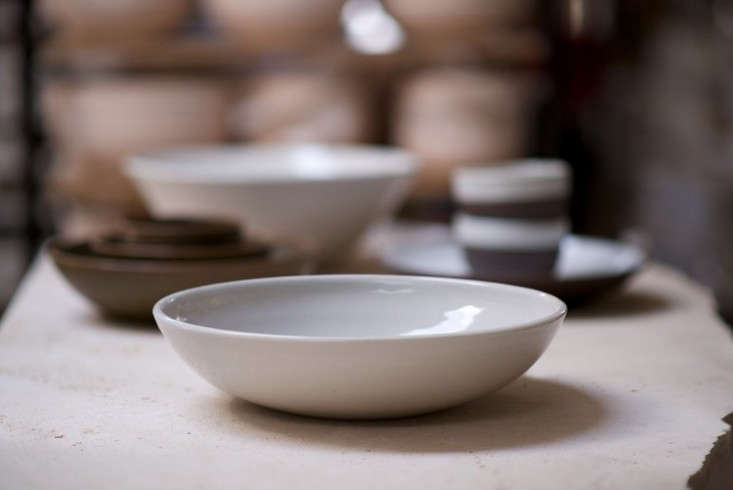
Presidential history is usually told through speeches, elections, wars, and the occasional scandal involving a badly placed microphone. Yet some of America’s most revealing political artifacts are quieter. They are porcelain plates, gilded cups, soup bowls, oyster dishes, and dessert stands that once occupied White House cupboards and state dining tables.
White House ceramics were never merely attractive containers for roast beef and diplomatic pudding. They communicated national identity, artistic taste, industrial ambition, and the personality of each presidential family. Some services were restrained and republican. Others arrived dressed in enough gold to make a chandelier feel underdressed.
Together, these objects form the White House china collection, a visual record of how American hospitality evolved from a fragile young republic into a global diplomatic power.
Research grounding: White House Historical Association, Smithsonian National Museum of American History, National Park Service.
Why Presidential China Matters
The phrase “White House china” generally refers to porcelain and other ceramic tableware used by presidents, first families, and official guests. Some pieces belonged to formal state services commissioned for large dinners. Others came from a president’s personal household collection and entered the White House historical record later.
Not every administration ordered a new service. Cost, timing, available inventory, and changing social customs all affected the decision. Presidents could also reuse china from earlier administrations, combining patterns according to the size, menu, flowers, and visual theme of an event. The result was less like a perfectly matched department-store display and more like a very elegant national atticexcept the attic had curators, diplomats, and twenty-four-karat gold trim.
At a state dinner, tableware becomes part of diplomatic theater. Its colors must coordinate with linens and floral arrangements. Its design must look impressive under bright lights. Most importantly, there must be enough matching pieces to serve hundreds of guests without requiring the final table to eat from commemorative coffee mugs.
Research grounding: White House Historical Association and Smithsonian collections.
Before the Official White House Services
George Washington never lived in the White House, which was not completed during his presidency. Nevertheless, his presidential entertaining established an important precedent. In 1790, Washington purchased a large French porcelain service with simple gilded rims. The restrained design balanced two competing concerns: the new government needed sufficient dignity to impress foreign representatives, but the president could not appear to be auditioning for the role of king.
John Adams became the first president to occupy the White House in 1800. Early administrations relied heavily on personal tableware, imported ceramics, and pieces acquired as practical needs arose. Thomas Jefferson’s love of French design and dining customs further connected presidential hospitality with European porcelain traditions.
These early tables reveal a central tension that would follow White House ceramics for generations. European porcelain was fashionable and technically advanced, but American political culture increasingly wanted objects that looked national rather than borrowed.
Research grounding: George Washington’s Mount Vernon, the White House Historical Association, and Monticello.
James Monroe and the First Official Presidential Service
The story of official presidential china begins decisively with James Monroe. After British troops burned the White House in 1814, the rebuilt residence required new furnishings and tableware. In 1817, Monroe ordered the first dinner service created specifically for official presidential use.
Dagoty and Honoré of Paris produced thirty place settings accompanied by a matching dessert service. The decoration was unapologetically symbolic. An American eagle appeared at the center, while allegorical scenes represented agriculture, commerce, science, strength, and the arts. The amaranth-colored border and abundant gilding made the service look suitable for a European court, but its imagery declared that the young United States had its own ideals to place on the table.
Monroe’s porcelain established a formula repeated by later administrations: combine fashionable craftsmanship with American emblems. It also proved that a plate could function as government branding long before anyone invented a communications strategy.
Research grounding: White House Historical Association.
Mary Todd Lincoln’s Dramatic Solferino China
Few White House services are as instantly recognizable as the china selected by Mary Todd Lincoln in 1861. The country was entering the Civil War, the Executive Mansion needed usable formal tableware, and the first lady chose a service that made no attempt to disappear into the background.
The French porcelain featured a rich purple border known as solferino, elaborate gilding, and a version of the American eagle. The initial state service contained 190 pieces. It was associated with Haviland porcelain and supplied through the New York firm E. V. Haughwout & Co.
The purchase attracted criticism, partly because of its cost and partly because luxury spending appeared especially uncomfortable during a national crisis. Yet the Lincoln service became one of the most admired and collectible presidential patterns. Later administrations ordered replacement pieces, extending its working life well beyond Abraham Lincoln’s presidency.
That survival is significant. The service crossed the distance between controversy and nostalgia. What some observers regarded as extravagant in 1861 later became a treasured symbol of one of the most studied families in American history.
Research grounding: President Lincoln’s Cottage, Smithsonian research, White House Historical Association, and Christie’s.
The Hayes Service Let Wildlife Take Over the Table
If the Lincoln service was formal and heraldic, the Rutherford B. Hayes service was a porcelain nature documentary. First Lady Lucy Hayes originally considered a floral pattern, but artist Theodore R. Davis proposed something far more ambitious: a service celebrating North American plants, animals, landscapes, and food sources.
Produced by Haviland in the late 1870s, the service incorporated approximately 130 designs. Fish appeared on fish plates. Oysters occupied specially shaped oyster dishes. Game birds, fruit, shells, farm produce, and wild animals marched across the table in carefully rendered scenes.
Supporters praised the service for its originality and American subject matter. Critics thought it busy, strange, or simply too enthusiastic about putting realistic creatures near dinner. Both reactions are understandable. An oyster plate covered with painted oysters is either inspired visual storytelling or a dish that refuses to let guests forget what they are eating.
Today, the Hayes china is valued precisely because it rejected generic decoration. It transformed presidential dinnerware into an illustrated survey of the nation’s natural abundance.
Research grounding: White House Historical Association, Decorative Arts Trust, and Maymont Foundation.
Caroline Harrison Began Treating China as History
During Benjamin Harrison’s administration, First Lady Caroline Harrison helped change the way the White House regarded its older ceramics. An artist and china painter, she understood that presidential plates were not disposable leftovers. They were historical evidence.
Her own 1891 state service incorporated a broad blue band, the national coat of arms, goldenrod, and ears of corn. The agricultural imagery reflected her Midwestern associations while presenting American crops as worthy decorative subjects.
More importantly, Harrison began locating and preserving pieces connected with previous administrations. Before that effort, damaged, outdated, or surplus tableware could be sold, discarded, taken away, or treated as ordinary used household goods. Her collecting work helped establish the foundation of the official White House china collection.
Edith Roosevelt later supported the display of presidential services in specially created cabinets. In 1917, Edith Wilson set aside a Ground Floor room for the growing collection. That space became the China Room, where examples are arranged to tell a chronological story of presidential entertaining.
Research grounding: National First Ladies Library, White House Historical Association, and National Park Service.
American Porcelain Finally Reached the Presidential Table
The Wilson Service Made Domestic Manufacturing the Star
For much of the nineteenth century, leading White House services were manufactured in Europe, especially France. American ceramics companies gradually improved their technical and artistic capabilities, and the Woodrow Wilson administration marked a turning point.
In 1918, Lenox of New Jersey produced the first official White House state service made in the United States. Its design used deep blue and gold bands surrounding the presidential arms. The achievement carried industrial as well as decorative meaning: American porcelain was now considered capable of representing the nation at its most formal table.
Truman’s China Reflected a New Presidential Seal
The extensive Truman service, ordered during the early 1950s, combined an ivory body, celadon green, gold decoration, and a ring of forty-eight stars. Its eagle faced the olive branch rather than the arrows, following President Harry Truman’s standardization of the presidential seal.
The symbolism was easy to understand. Even before guests reached the first course, the table quietly placed peace ahead of war.
Lady Bird Johnson Put America in Bloom
The Johnson service of 1968 was designed by Tiffany & Co. and manufactured by Castleton China in Pennsylvania. Its borders featured American wildflowers, while dessert pieces represented official flowers of the states and the District of Columbia.
The 2,208-piece service was funded by an anonymous donor through the White House Historical Association. This established an important precedent for financing new state china with private support rather than congressional appropriations.
Research grounding: White House Historical Association, Smithsonian, National Park Service, and Lenox historical materials.
Modern White House China Became Bigger and More Personal
Nancy Reagan Chose Scarlet and Gold
The Reagan service, manufactured by Lenox and introduced in 1982, was designed to accommodate 220 guests with nineteen pieces per place setting. Scarlet borders, gold latticework, and the presidential seal produced a bold, highly formal appearance.
Its $209,508 cost prompted criticism, even though a private foundation funded the purchase. The controversy arrived during a period of federal budget cuts, making expensive china an irresistible headline. President Reagan defended the practical need for enough matching dishes to serve state-dinner crowds.
The episode demonstrated an enduring law of presidential decorating: no matter who pays, someone will object to the plates.
The Clinton Service Celebrated the Building
Created for the White House’s 200th anniversary in 2000, the Clinton service included 300 twelve-piece place settings. Instead of relying only on the presidential seal, it incorporated architectural motifs from rooms within the mansion and images of the White House itself.
The pale yellow and gold decoration gave the service a warm appearance while turning the building into the central subject. In effect, guests dined on a miniature architectural tour.
Laura Bush Looked Back to the Madison Era
Unveiled in January 2009, the George W. Bush state service was manufactured by Lenox with 320 fourteen-piece place settings. Its green basket-weave border was designed to coordinate easily with different flowers and table decorations, while its eagle and historical details drew inspiration from Madison-era porcelain.
Laura Bush also introduced a smaller residence service decorated with magnolias and butterflies. One collection was intended for official entertaining; the other brought a softer botanical style into the private family quarters.
Michelle Obama Mixed Historic Relief with Kailua Blue
The Obama state service, unveiled in 2015, was made by Pickard China in Illinois. It provided 320 eleven-piece settings and combined a modern blue band with gold details and historical references.
Michelle Obama named the color “Kailua Blue,” inspired by the waters of Hawaii, where President Barack Obama was born. The white relief decoration on the dinner plate was adapted from a French service acquired by James Madison in 1806.
The pattern therefore performed a difficult design trick: it looked contemporary while nodding to ceramics used during the republic’s early years.
Research grounding: Reagan Presidential Library, White House Historical Association, George W. Bush White House Archives, Obama White House Archives, and Smithsonian.
How White House Ceramics Escaped the White House
The phrase “once lived in the White House” is more literal than it may sound. Earlier administrations did not always treat old tableware as a permanent national collection. Services became chipped, incomplete, or unfashionable. Surplus pieces could be sold at public sales, distributed, removed by staff members, or absorbed into family collections.
As a result, authentic presidential ceramics now reside in museums, presidential libraries, historic houses, and private collections. The Smithsonian’s National Museum of American History preserves examples associated with numerous administrations. Presidential homes and libraries sometimes display pieces connected with their former residents. Other objects occasionally appear at major auctions, where documentation and provenance can matter as much as the painted design.
This dispersal explains why a single plate may have several identities. It is a piece of decorative art, a government object, a household survivor, a political symbol, and potentially a valuable collectible. A small chip can reveal actual use. A worn gold rim may show that the object was handled repeatedly rather than spending its entire life posing majestically in a cabinet.
Preservation efforts led by first ladies, curators, historians, and the White House Historical Association gradually transformed these ceramics from replaceable equipment into protected national artifacts.
Research grounding: White House Historical Association, Smithsonian National Museum of American History, Christie’s, and presidential historic sites.
The Experience of Encountering White House Ceramics Today
Seeing historic White House ceramics in person can be surprisingly different from studying a photograph. Online, a presidential plate often appears perfectly flat and symmetrical. In a museum case, the eye begins to notice its physical character: the slight depth of a molded border, the reflective flash of gilding, tiny inconsistencies in painted decoration, and evidence that the object was made by human hands rather than generated by a patriotic plate-producing machine.
The first useful experience is to step back and view an entire place setting. Individual objects make more sense when seen as part of a coordinated table. A service plate establishes the dominant color. Dinner and dessert plates repeat or simplify the pattern. Cups, saucers, bowls, and specialized dishes create rhythm. The full arrangement shows why presidential china required extensive planning. Designers were not decorating one plate; they were creating a visual system capable of filling a room.
Next, move closer and study the symbols. Eagles vary considerably between administrations. Some look sharp and martial. Others appear softer or more classical. Stars, shields, olive branches, arrows, crops, wildflowers, architectural details, and regional colors all carry messages. The objects reward slow looking because many of their most meaningful features were designed to be discovered across several courses of a meal.
Scale can also be revealing. A single presidential plate seems manageable. A service containing thousands of pieces suggests an enormous logistical operation. Imagine inspecting, storing, washing, counting, moving, and setting that inventory while ensuring that fragile gold decoration survives. The glamorous state dinner suddenly acquires a backstage world of curators, chefs, ushers, housekeepers, florists, and service staff.
Visitors comparing several administrations may notice that the services resemble miniature portraits of their eras. Monroe’s porcelain reflects the young republic’s desire for international legitimacy. Lincoln’s purple and gold express nineteenth-century formality. Hayes-era wildlife celebrates American natural identity. Wilson’s Lenox service speaks to domestic manufacturing. Lady Bird Johnson’s wildflowers fit her environmental interests. Reagan red projects ceremony and confidence. Obama blue combines personal geography with historical reference.
The most memorable objects are not always the most beautiful. An unusual oyster plate or heavily illustrated fish dish can communicate more about changing dining customs than a flawless gold-rimmed dinner plate. Specialized pieces remind viewers how formal meals once included equipment for foods and courses that many modern households rarely serve.
For collectors and antique enthusiasts, presidential ceramics offer another lesson: documentation is essential. White House patterns were copied, reproduced, commemorated, reordered, and adapted. An attractive eagle does not automatically make a plate an official presidential artifact. Manufacturer’s marks, dimensions, decoration methods, ownership history, and comparison with museum examples all help distinguish an original service piece from a later reproduction.
The experience can also influence an ordinary dinner table. Most people do not need nineteen pieces per guest, and few kitchens have room for a separate plate devoted entirely to oysters. Still, White House services demonstrate the power of thoughtful presentation. A repeated border, a limited color palette, seasonal flowers, and one meaningful motif can make a meal feel intentional without requiring a presidential budget.
Above all, encountering these ceramics makes political history feel domestic. Presidents and first ladies become residents choosing colors, reviewing samples, worrying about guest capacity, and discovering that dishes break regardless of constitutional importance. The White House may be a national symbol, but its ceramics remind us that it is also a working home where history has repeatedly been served, cleared, washed, stored, and occasionally chipped.
Research grounding: Smithsonian First Ladies exhibition, White House Historical Association, Decorative Arts Trust, presidential libraries, and museum collection records.
Conclusion: Fragile Objects with Remarkable Political Lives
White House ceramics occupy an unusual place in American culture. They are functional objects built to survive soup, sauces, crowded tables, hurried staff, and guests attempting to appear dignified while eating complicated food. At the same time, they are carefully designed statements about national identity.
From Monroe’s Parisian eagles to the Obamas’ Illinois-made Kailua Blue service, White House china records changing ideas about diplomacy, manufacturing, nature, regional identity, and presidential style. The services also reveal the influence of first ladies, many of whom played central roles as designers, preservation advocates, and guardians of the collection.
A plate cannot deliver a speech, sign a law, or negotiate a treaty. Nevertheless, the ceramics that once lived in the White House witnessed all threeand looked considerably more polished while doing it.
Note: Historical details were synthesized from reputable American museum, government, archival, historic-site, auction, and design publications, including the White House Historical Association, Smithsonian Institution, National Park Service, Mount Vernon, Monticello, President Lincoln’s Cottage, the National First Ladies Library, presidential libraries, archived White House materials, the Decorative Arts Trust, Architectural Digest, Bon Appétit, and Christie’s.