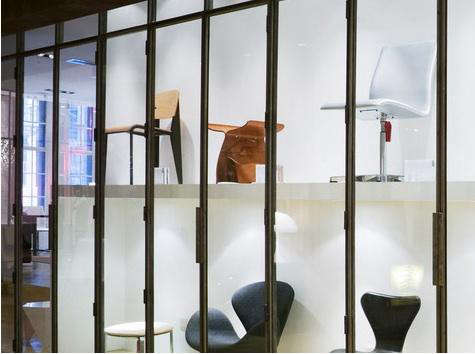
There are stores you visit because you need a chair, a lamp, or a coffee table. Then there are stores you visit because you want to be quietly judged by a perfectly proportioned sofa. Design Republic in Shanghai belongs to the second category, and proudly so. It is not just a design store; it is a mood, a manifesto, and, depending on your luggage allowance, a dangerous place to fall in love with furniture.
Founded in Shanghai by architects Lyndon Neri and Rossana Hu, Design Republic has long stood out as one of the city’s most influential destinations for contemporary furniture, lighting, home accessories, and design culture. It introduced international design brands to a Chinese audience while also giving space to modern Chinese design voices. That blend is what makes the experience memorable: it does not feel like a showroom parachuted from Europe, nor does it feel like a souvenir shop wearing black-rimmed glasses. It feels like Shanghai itselfpolished, layered, ambitious, historical, and very aware that good lighting can make almost anyone look more intelligent.
Why Design Republic Matters in Shanghai’s Design Scene
Shanghai has always been a city of arrivals. Ships, bankers, architects, artists, chefs, and ambitious dreamers have all passed through, leaving behind a skyline that looks like several centuries arguing over who has the better tailor. In that context, Design Republic feels perfectly at home. It is a retail space, yes, but also a platform for design conversation.
The store’s identity is tied closely to Neri&Hu Design and Research Office, the Shanghai-based architecture and design practice founded by Lyndon Neri and Rossana Hu. Their work often explores memory, adaptive reuse, Chinese urban life, and the tension between old and new. Design Republic carries that same spirit into shopping. A visitor does not simply browse objects arranged by category; the visitor walks through an argument about how people live, gather, eat, work, and decorate without surrendering to beige boredom.
The Design Republic Experience: More Than a Store
Design Republic is best understood as a curated design environment. The products may include furniture, lighting, ceramics, textiles, books, and accessories, but the real product is perspective. The store asks a question many design lovers secretly enjoy: what would your home look like if every object had a reason to exist?
The answer, unfortunately for your wallet, is very attractive.
Unlike a conventional furniture showroom, where sofas sit in formation like they are waiting for military inspection, Design Republic tends to present design as a lived experience. A chair is not just a chair; it is a statement about comfort, proportion, material, and whether you are the type of person who says “patina” in casual conversation. A lamp is not just a lamp; it is a tiny architectural event that happens to plug into the wall.
Design Republic Commune: Architecture as Retail Theater
One of the most discussed chapters in Design Republic’s story is Design Republic Design Commune, a project that transformed an old building in Shanghai’s Jing’an district into a design-focused destination. The concept brought together retail, books, fashion, lighting, accessories, flowers, gallery space, events, food, and even a designed apartment environment. It was not merely a place to buy things; it was a place to see how objects behave in conversation with architecture.
The genius of the Commune idea is that it treats shopping as cultural participation. You might arrive thinking you are looking for a side table. You leave thinking about colonial-era brickwork, urban renewal, the future of Chinese design, and whether your current side table has been emotionally underperforming.
Adaptive Reuse With a Shanghai Accent
Shanghai is full of buildings that carry complicated histories. Design Republic’s adaptive reuse projects matter because they resist the easiest approach: erase the old, build the shiny, repeat until every city looks like an airport lounge. Instead, the brand’s design language often celebrates traces of the past while making room for modern use.
That approach gives Design Republic a deeper appeal than a simple luxury store. It is not just about owning a beautiful object. It is about seeing how design can rescue memory from dust, bureaucracy, and bad renovation decisions. In a city famous for speed, that patience feels almost rebellious.
What to Shop: Furniture, Lighting, Accessories, and Ideas
Design Republic is especially appealing to shoppers who enjoy modern furniture with character. Expect pieces that lean contemporary rather than ornamental, with a strong focus on craftsmanship, material integrity, and international design language. The selection has historically included respected global brands alongside products connected to Neri&Hu’s own design universe.
For the casual traveler, the larger furniture pieces may function more as inspiration than actual purchases. Unless you came to Shanghai with a shipping container and a very patient customs broker, the sofas and tables may remain beautiful fantasies. Smaller objects, however, are where the shopper’s diary becomes dangerous. Lighting, tabletop items, books, ceramics, textiles, and home accessories can turn “just looking” into “I have made a lifestyle decision.”
Best Finds for Travelers
If you are visiting Shanghai and cannot bring home a dining table, focus on portable design. Look for small lamps, sculptural accessories, design books, trays, candleholders, tableware, or objects that carry the store’s architectural sensibility without requiring freight insurance. These pieces are ideal because they bring home the feeling of Shanghai design without forcing you to explain to airline staff why your carry-on contains a chair.
Best Finds for Serious Collectors
For collectors, Design Republic is worth studying rather than rushing. Pay attention to limited-edition pieces, designer collaborations, and furniture that reflects the dialogue between international modernism and contemporary Chinese living. A good design object should not only look beautiful in a room; it should keep revealing details after the first week. The best pieces at Design Republic tend to do exactly that.
The Mood: Calm, Clever, and a Little Intimidating
Every great design store has a personality. Design Republic’s personality is calm, intelligent, and slightly amused by your plastic water bottle. The atmosphere encourages slow looking. You notice the grain of wood, the angle of a chair leg, the way light falls across a surface, and the terrifying possibility that your apartment has been under-designed for years.
This is not a bad thing. The best shopping experiences do not merely satisfy desire; they educate it. Design Republic sharpens the eye. After walking through the space, you may find yourself evaluating restaurant stools, hotel lamps, and subway signage with alarming seriousness. Congratulations: the design virus has entered your bloodstream. There is no cure, but there are excellent shelves.
Design Republic and the Rise of Experiential Retail
In the age of online shopping, physical stores need a reason to exist beyond inventory. Design Republic understands this. Its value lies in atmosphere, curation, storytelling, and touch. You can see the scale of a chair, feel the texture of a surface, and understand how objects relate to space. That sensory experience cannot be flattened into a product thumbnail.
Shanghai’s broader retail culture has also moved toward experience-driven shopping. Concept stores, boutique galleries, neighborhood retail, and lifestyle spaces increasingly compete not only on what they sell but on how they make visitors feel. Design Republic fits beautifully into that movement because it was never simply about transactions. It has always been about building a design community.
How to Visit Like a Design Lover
The best way to visit Design Republic is slowly. Do not treat it like a checklist attraction. Give yourself enough time to wander, pause, double back, and inspect the details. Start with the architecture, then move to the furniture, then to smaller objects. Notice how materials repeat. Notice how old and new elements speak to each other. Notice how the best pieces never scream for attention; they simply wait for your taste level to catch up.
If you are planning a design-focused day in Shanghai, pair Design Republic with nearby galleries, architecture walks, independent boutiques, cafés, and historic neighborhoods. Shanghai rewards wandering. A polished showroom might sit minutes away from a lane house, a tiny noodle shop, or a building facade that looks like it has survived three political eras and one questionable paint job.
Practical Shopper Tips
Before visiting, check current opening hours, location details, and whether any exhibitions or events are scheduled. Design destinations in Shanghai can evolve quickly, and a smart shopper confirms the basics before crossing town. Bring measurements if you are seriously shopping for furniture. Bring photos of your room if you need context. Bring restraint if you are vulnerable to beautiful lamps. Actually, bring extra restraint.
What Makes Design Republic Different From a Luxury Furniture Store?
The difference is intention. A luxury furniture store may show expensive things. Design Republic shows designed things. That distinction matters. Price alone does not create meaning. A chair can be costly and still have the personality of a waiting room. A small ceramic object can be modest and still completely change a shelf.
Design Republic’s strength is curation. The store has historically positioned itself as a bridge between global design and Chinese consumers, while also supporting a more sophisticated understanding of contemporary living. It says, in effect, that good design is not decoration applied at the end. It is a way of thinking from the beginning.
Shanghai as the Perfect Backdrop
Design Republic could not have the same meaning in just any city. Shanghai gives it context. This is a city where Art Deco details, lane houses, luxury malls, glass towers, riverfront promenades, and experimental restaurants coexist with impressive confidence. The city understands contrast. It has been practicing for a while.
That is why Design Republic feels so natural here. Its combination of international brands, Chinese perspective, historical architecture, and contemporary retail mirrors Shanghai’s own identity. The store is not an escape from the city. It is a refined version of the city’s ongoing conversation with itself.
Shopper’s Diary: A Personal Walk Through the Space
Imagine arriving in the late morning, when the city is fully awake but not yet exhausted. Outside, Shanghai moves with its usual speed: scooters, taxis, delivery riders, office workers, and people who somehow look chic while crossing the street. Inside Design Republic, the pace drops. The air seems calmer. Objects are spaced with confidence. Nothing begs. Everything implies.
The first thing you notice is proportion. The furniture does not merely occupy space; it organizes it. A sofa anchors a room without bullying it. A dining chair shows off a clean silhouette. A pendant light hovers with the quiet arrogance of something that knows it will be photographed. You begin to understand that this is not shopping in the ordinary sense. It is visual training with price tags.
Then come the smaller temptations. A tray that would make your keys look more successful. A book that belongs on a coffee table you do not yet own. A lamp that suggests your current lighting situation has been a cry for help. These are the moments when Design Republic becomes most dangerous, because the objects are not just beautiful; they are persuasive.
The humor of the experience is that you may start negotiating with yourself. “I do need this bowl,” you think, despite having survived many years without it. “This object will improve my morning routine,” you decide, while holding something whose function is mostly poetic. Good design often works this way. It does not always solve a problem you knew you had. Sometimes it reveals a problem you are suddenly delighted to fix.
What stays with you after leaving is not a single product but a standard. Design Republic makes ordinary spaces feel full of possibility. It encourages you to look at your own home with fresh eyes: Where does light fall? What materials do you touch every day? Which objects deserve to be seen, and which are merely loitering? The visit becomes less about consumption and more about awareness.
Extended Experience Notes: Living With the Design Republic Effect
The strange thing about visiting a store like Design Republic is that the real shopping continues after you leave. Not because you are still browsing online, although let us be honest, you probably are. The real shopping happens in your imagination. You start mentally rearranging your apartment. You wonder whether your desk chair is supporting your spine or quietly sabotaging your ambitions. You look at your bedside lamp and realize it has the emotional range of a fax machine.
This is the Design Republic effect: it changes the way you notice things. Back at your hotel, the lobby chair suddenly becomes a case study. At lunch, the shape of the water glass matters. In a taxi, you study the city through the window and begin to see Shanghai as a giant showroom of competing design ideas. The Bund speaks in stone and symmetry. Pudong replies in glass and height. The former French Concession whispers in trees, balconies, and lane-house details. Somewhere between all of them, Design Republic offers a calm thesis: modern life does not have to erase memory.
For travelers, this is the best souvenir. Not necessarily the object you buy, but the way your eye improves. A meaningful design trip should send you home with sharper taste, not just heavier luggage. Design Republic does that by presenting objects in context. It does not isolate furniture as merchandise alone. It makes each piece part of a broader conversation about architecture, ritual, domestic life, and the pleasure of materials.
One experience related to the topic is the quiet ritual of comparing touch. Run your hand across a wood surface, then a metal edge, then a textile. Good design is often less about instant visual drama and more about how materials behave over time. A chair should look good, yes, but it should also welcome the body. A table should photograph well, but it should also survive coffee, books, elbows, and the occasional emotional spreadsheet. Design Republic reminds shoppers that living with design is different from admiring it under perfect showroom lighting.
Another memorable experience is discovering how much restraint matters. Many visitors assume great interiors come from adding impressive things. Design Republic suggests the opposite: choose better, choose fewer, and let space breathe. The store’s most powerful lesson may be that emptiness is not unfinished. Sometimes emptiness is confidence. This is useful wisdom for anyone whose home has slowly become a museum of impulse purchases, charging cables, and mugs from conferences they barely remember.
For anyone writing a shopper’s diary, Design Republic provides unusually rich material because it is both a destination and a lens. You can describe the objects, but you can also describe the feeling of being invited into a more thoughtful version of everyday life. That is the reason the store continues to matter in Shanghai’s design culture. It sells furniture and accessories, but its deeper offering is permission: permission to care about details, to question the ordinary, and to believe that a room can be practical without becoming dull.
Leaving Design Republic, you may not carry a sofa under your arm, which is probably best for everyone involved. But you may carry a clearer sense of what design can do. It can organize memory. It can improve routine. It can make a cup of tea feel intentional. It can turn shopping into a form of education. And yes, it can make you apologize silently to your current coffee table.
Conclusion: A Must-Visit for Design-Minded Shoppers in Shanghai
Design Republic in Shanghai is not just a place to buy beautiful things. It is a lesson in how design can connect culture, architecture, retail, and daily life. For travelers, it offers a sophisticated alternative to predictable shopping. For homeowners, it offers inspiration that can outlast trends. For design lovers, it is one of Shanghai’s most rewarding stops because it treats furniture, lighting, and accessories as part of a larger story.
The best way to enjoy it is with curiosity, patience, and a flexible definition of “souvenir.” You may leave with a book, a lamp, a small object, or simply a better eye. Any of those counts as a successful shopping trip. Just be warned: after visiting Design Republic, your old furniture may start looking nervous.