Note: This article is written for web publication and is based on real product information, furniture-care guidance, and interior design best practices, without source links or unnecessary citation markup.
A Dining Table With Bakery Soul and Dinner-Party Muscles
The 1900s Boulangerie Rectangular Extension Dining Table sounds like the kind of furniture that might casually smell like baguettes, espresso, and excellent life decisions. Inspired by early twentieth-century French bakery tables, this piece brings together two things people never seem to stop loving: old-world character and practical seating. It is not merely a place to put plates. It is a centerpiece, a conversation starter, and, when extended, the household equivalent of saying, “Sure, bring three more people.”
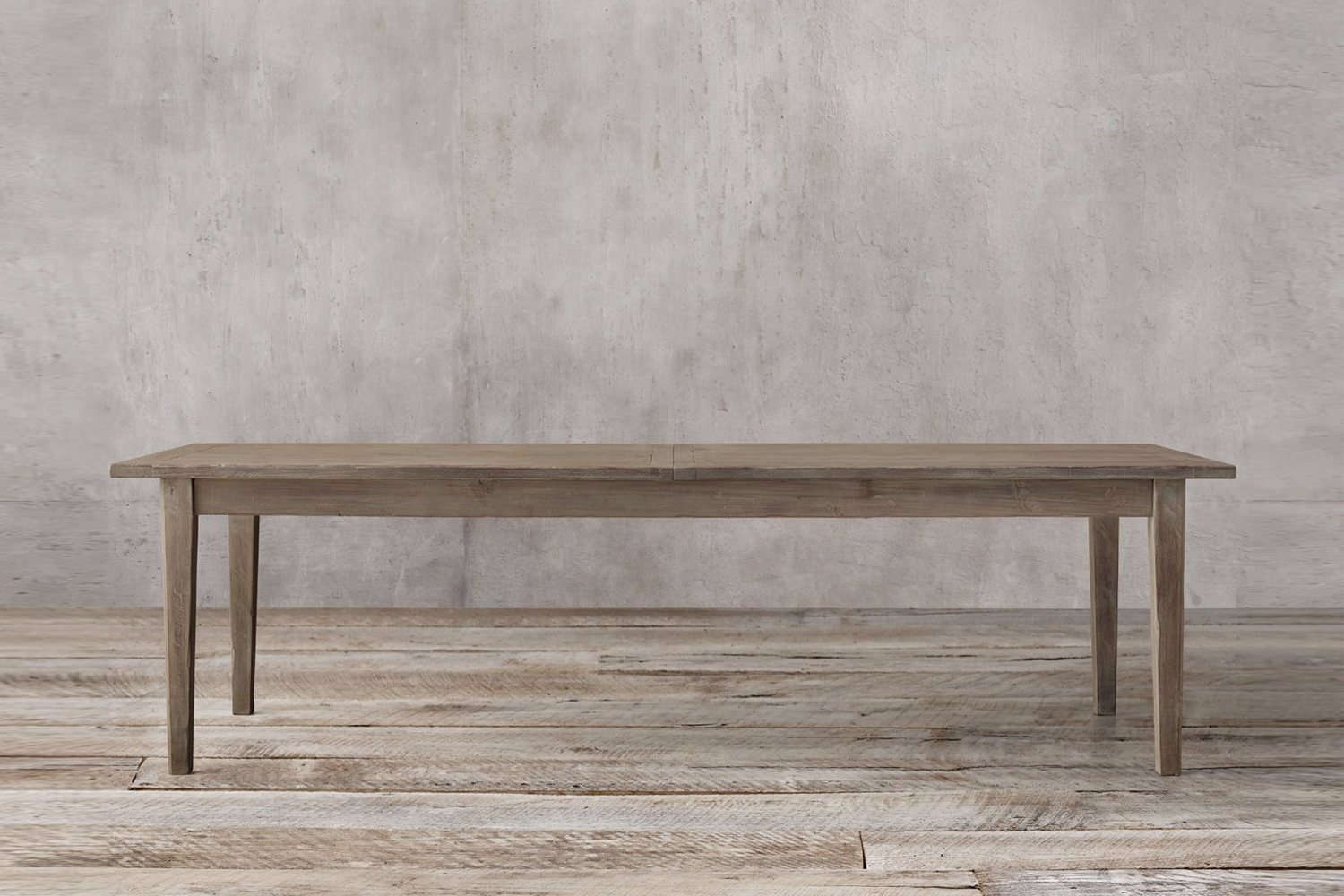
At its core, the 1900s Boulangerie table is a rectangular extension dining table designed to echo the hardworking tables once associated with French boulangeries and patisseries. These were not precious showroom objects. They were useful, sturdy surfaces where bread, pastries, and daily life met. The modern reproduction keeps that generous, unfussy spirit while adding a convenient extension mechanism for contemporary homes.
The result is a table that feels both rustic and polished. It has the warmth of reclaimed wood, the clean strength of a rectangular silhouette, and the flexibility of a butterfly leaf extension. In simpler terms: it looks like it has stories, but it still knows how to behave during Thanksgiving.
What Makes the 1900s Boulangerie Table Special?
1. A French Bakery-Inspired Design
The word “boulangerie” refers to a French bakery, especially one focused on bread. That detail matters because this table is not styled after a formal palace dining room. It is inspired by practical, hardworking bakery furniturelong, solid, and meant for daily use. That is why the design feels approachable rather than fussy.
Unlike highly ornate antique reproductions, the French bakery table style relies on proportion, material, and patina. Simple tapered legs, a broad tabletop, and a long frame give it a relaxed confidence. It does not need carved dragons, gold trim, or a dramatic backstory involving a duke. The wood does most of the talking.
2. Reclaimed Wood Character
One of the biggest draws of the 1900s Boulangerie Rectangular Extension Dining Table is its reclaimed wood look. Reclaimed wood has natural variations, knots, grain shifts, nail marks, and texture that make each table feel slightly different. That means your table will not look like it came from a furniture cloning facility.
This kind of surface works beautifully in homes that value warmth and authenticity. It pairs well with linen napkins, stoneware dishes, vintage chairs, modern lighting, and the occasional pizza box on a Friday night. The charm is that it can handle both elegance and real life.
3. A Butterfly Leaf Extension
The table’s extension feature is one of its most practical advantages. A butterfly leaf typically folds and stores within the table, allowing the surface to expand when needed and return to a smaller footprint afterward. For households that host dinner parties, holidays, game nights, or ambitious brunches involving too many pastries, this is a major benefit.
Instead of storing separate table leaves in a closet, garage, or mysterious “safe place” you will forget by December, the butterfly leaf keeps things simple. The extension is ready when the guest list grows, which it always does right after you buy the good cheese.
Size, Seating, and Room Planning
The 1900s Boulangerie dining collection has appeared in several rectangular extension sizes, including larger versions that extend from around 84 inches to 120 inches and from 96 inches to 120 inches. The larger models are commonly associated with seating up to eight people when closed and up to ten when extended, depending on chair size and spacing.
Before choosing this type of extension dining table, measure the room carefully. A dining table needs breathing room. A good rule of thumb is to allow about three feet of clearance around the table so chairs can slide out and people can pass behind seated guests without performing a sideways crab walk.
For seating comfort, plan roughly 24 inches of width per person. This gives diners enough elbow room to eat, gesture, laugh, and defend the last dinner roll. The table’s rectangular shape works especially well in long dining rooms, open-plan kitchens, and larger breakfast areas where a round table might feel too compact.
Style Analysis: Rustic, Refined, and Surprisingly Flexible
The RH Boulangerie table style sits comfortably between French country, rustic farmhouse, and modern transitional design. It has enough texture to warm up a minimalist room, but it is simple enough not to overwhelm a traditional interior. That flexibility is one reason it remains a popular reference point for homeowners searching for a reclaimed wood dining table with presence.
French Country Rooms
In a French country dining room, the Boulangerie table feels completely at home. Pair it with upholstered dining chairs, a linen runner, antique brass candlesticks, and a chandelier that looks like it has opinions about good wine. Soft colors such as cream, sage, faded blue, warm gray, and natural flax help reinforce the relaxed European mood.
Modern Farmhouse Spaces
For modern farmhouse interiors, the table adds texture without looking overly staged. Use black Windsor chairs, slipcovered end chairs, a large neutral rug, and simple ceramic dinnerware. The reclaimed wood surface prevents the room from feeling too perfect, which is helpful because real homes contain crumbs, homework, and someone’s phone charger on the floor.
Industrial or Loft Interiors
In a loft or industrial-style space, the Boulangerie table can soften metal, concrete, and exposed brick. Try pairing it with leather chairs, iron lighting, and matte black accents. The wood brings warmth, while the clean rectangular form keeps the room from feeling overly rustic.
How to Decorate Around a Boulangerie Extension Table
Choose Chairs That Actually Fit
Dining chairs should look good, but comfort matters more than Instagram drama. Most standard dining tables are around 30 inches high, so chairs with seats around 17 to 20 inches high usually work well. Always check apron clearance, especially with armchairs. If the chair arms bump the underside of the table, your guests will notice. Their knees may write a complaint letter.
Use the Right Rug Size
A rug under a rectangular dining table should extend far enough for chairs to remain on it when pulled out. For a large extension table, that often means going bigger than expected. A too-small rug can make even a beautiful dining room look visually cramped. If in doubt, tape the table and chair footprint on the floor before buying.
Keep Centerpieces Low and Useful
This table already has strong character, so the centerpiece does not need to audition for a Broadway role. A long linen runner, a bowl of seasonal fruit, simple greenery, or low ceramic vessels work well. Avoid tall arrangements during meals unless you enjoy asking, “Can you see Aunt Linda behind the eucalyptus forest?”
Care and Maintenance for Reclaimed Wood
A reclaimed wood dining table is durable, but it is not indestructible. Wood can react to heat, moisture, sunlight, and harsh cleaners. The best care routine is simple: use coasters, placemats, and trivets; wipe spills quickly; avoid placing hot pans directly on the tabletop; and clean with a soft cloth.
For everyday cleaning, a dry or slightly damp microfiber cloth is usually enough. If the surface needs more attention, use a mild soap solution sparingly and dry the table immediately. Do not soak the wood, spray cleaner directly onto the surface, or attack it with abrasive pads. This is a dining table, not a cast-iron skillet.
Direct sunlight can fade or dry wood over time, so window treatments are a smart investment. Humidity swings can also affect natural wood, especially reclaimed pieces with visible grain and age. In very dry or very humid climates, maintaining a stable indoor environment helps the table age gracefully.
Pros and Cons of the 1900s Boulangerie Rectangular Extension Dining Table
Pros
The table offers strong visual character, flexible seating, and a timeless rectangular shape. Its French bakery inspiration gives it warmth without making it feel overly decorative. The reclaimed wood appearance works with several decor styles, from French country to modern farmhouse. The butterfly leaf extension is especially convenient for people who entertain but do not want a massive table open every day.
Cons
The same rustic texture that gives the table charm can require extra care. Reclaimed-style surfaces may show variations, small cracks, dents, and marks. For some people, that is the point. For others, especially those who want a glass-smooth, showroom-perfect tabletop, it may be a surprise. Large extension tables also need a properly sized room; otherwise, they can dominate the space faster than a relative with vacation photos.
Who Should Consider This Table?
The 1900s Boulangerie table is a strong choice for homeowners who love authentic texture, generous proportions, and flexible entertaining. It suits families who actually use their dining table, not just admire it from across the room. It is also ideal for people who want a table that looks better with life, not worse.
If your dream dining room includes candlelight, shared platters, mismatched vintage dishes, and conversations that stretch long after dessert, this table fits the mood. If you prefer ultra-sleek lacquer, sharp contemporary lines, and surfaces that must remain flawless forever, you may want something more polished and less patina-friendly.
Buying Tips Before You Commit
Measure Twice, Host Once
Measure both the table and the room in its extended position. Many shoppers measure only the closed size, then discover that the extended table turns the dining room into a furniture-based obstacle course. Include space for chairs, walking paths, buffets, sideboards, and door swings.
Inspect the Finish
If buying new, review the finish details carefully. If buying used, inspect the tabletop for stains, splitting, loose hardware, extension alignment, and uneven wear. Some marks are normal and attractive; others may require repair. A water ring is character. A loose leaf mechanism is a project.
Think About Delivery
Large reclaimed wood tables can be heavy. Before delivery day, measure doorways, staircases, elevators, and tight corners. Nothing ruins the romance of French-inspired furniture like discovering it cannot make the turn at the hallway.
Experience: Living With a 1900s Boulangerie-Style Dining Table
There is a particular kind of confidence that comes from owning a table like the 1900s Boulangerie Rectangular Extension Dining Table. It changes how a dining room feels. The space becomes less like a formal zone reserved for holidays and more like the natural center of the home. People sit down more easily. Coffee lasts longer. Laptops appear. Someone starts sorting mail. Someone else decides this is the perfect place to peel apples. The table becomes useful in the best possible way.
The first experience many owners notice is scale. This is not a shy table. Even before it is extended, it has presence. The long rectangular top visually anchors the room, and the reclaimed wood texture adds warmth immediately. In a bright kitchen or dining area, it can make new construction feel more settled. In an older home, it looks like it has always belonged there, even if it arrived last Tuesday in a delivery truck.
The extension feature becomes most appreciated during real-life hosting. On an ordinary weeknight, the table can feel spacious without being excessive. But when relatives visit, friends stay late, or holiday meals multiply into a strategic operation, opening the butterfly leaf feels wonderfully practical. The table expands, extra chairs come out, and suddenly the room is ready for more people. It is the furniture version of loosening your belt before dessert.
Daily use also teaches a helpful lesson: patina is freedom. With a smooth, glossy table, every tiny mark can feel like a crisis. With a Boulangerie-style reclaimed wood table, small imperfections blend into the story. A faint scratch from a serving bowl or a tiny dent from a dropped spoon does not ruin the piece. It simply joins the grain, the knots, and the existing texture. That does not mean neglect is wise, but it does mean the table invites actual living.
Maintenance becomes a rhythm rather than a chore. Coasters live nearby. Trivets become non-negotiable. Spills are wiped quickly, not because everyone is panicking, but because wood deserves basic manners. A soft cloth after dinner keeps the surface fresh. Every so often, the finish may benefit from careful conditioning or wax, depending on the specific surface treatment. The best approach is gentle and consistent: protect the table, but do not treat it like a museum artifact guarded by velvet ropes.
Styling the table is also surprisingly enjoyable. It looks good with a casual linen runner, but it can also handle a full formal setting. White plates pop against the wood. Stoneware feels organic. Brass candlesticks add glow. A low bowl of citrus or pears looks effortlessly beautiful. During the holidays, greenery down the center feels natural, not forced. The table does not demand perfection; it rewards texture, layers, and personal touches.
The most memorable experience, though, is how people respond to it. Guests tend to touch the surface, notice the wood, and ask about the style. It encourages conversation before the food even arrives. That is the quiet power of a great dining table. It does not merely fill a room. It creates a reason to gather, linger, and maybe cut one more slice of cake because the table clearly has room for it.
Conclusion
The 1900s Boulangerie Rectangular Extension Dining Table is more than a handsome piece of furniture. It is a practical, character-rich table inspired by French bakery tradition and adapted for modern entertaining. With its reclaimed wood appeal, rectangular proportions, and butterfly leaf extension, it offers a rare combination of beauty and usefulness.
For homeowners who want a dining room that feels warm, welcoming, and ready for real life, this table is an excellent style reference. It works with French country decor, modern farmhouse interiors, rustic spaces, and transitional homes. Care for it gently, give it enough room, pair it with comfortable chairs, and it can become the kind of table people remember long after the plates are cleared.