Note: This article reflects official guidance and public reporting available as of April 2026.
California has officially entered the war on mysterious food labels, and honestly, it is about time. For years, grocery shoppers have been decoding package dates like they were ancient runes: “sell by,” “best before,” “use by,” “enjoy by,” and whatever else a manufacturer dreamed up before lunch. The result has been predictable. Perfectly good food gets tossed, wallets get lighter, and landfills get a fresh helping of methane.
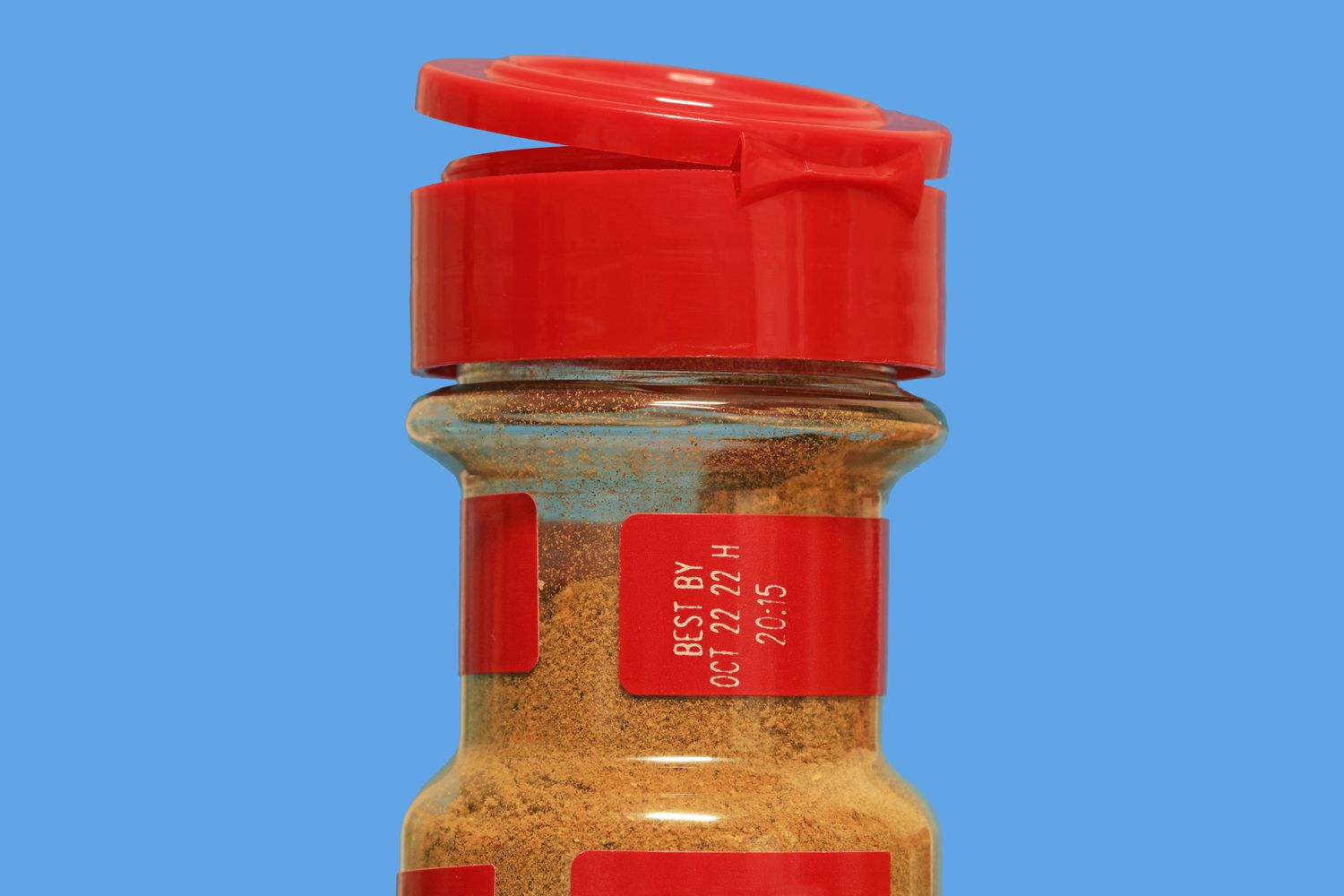
Now California is trying to end the chaos. With Assembly Bill 660, the state became the first in the nation to ban consumer-facing sell-by dates and require more consistent language on food packaging. Beginning July 1, 2026, most foods sold in California that carry a date for consumers must use clear, standardized wording that separates quality from safety. That may sound like a small packaging tweak, but in a country where food waste is massive and date-label confusion remains stubbornly common, it is a bigger deal than it first appears.
And no, this is not the government giving your yogurt immortality. The law does not say every food is safe forever, nor does it turn your fridge into a magical preservation chamber. What it does is tackle one of the most fixable causes of food waste: labels that are vague, inconsistent, and frequently misunderstood.
What California’s New Law Actually Does
AB 660 replaces a jumble of date phrases with a smaller, clearer set of labels. Instead of letting brands slap on a random phrase that sounds vaguely urgent, California now pushes food packaging into two basic lanes: quality and safety.
The quality labels
For foods where the date is meant to describe peak freshness, taste, or texture, the package must use one of these phrases:
- Best if Used By
- Best if Used or Frozen By
These labels are about when a product is likely to taste its best, not the moment it transforms into kitchen drama. Think crackers that lose crunch, cereal that gets stale, or frozen vegetables that are still edible but no longer at peak quality.
The safety labels
For foods where the date is intended to signal a meaningful safety risk after that point, the package must use one of these:
- Use By
- Use By or Freeze By
That distinction matters. A safety-based date is not just a flavor advisory. It tells consumers that the food should not be eaten past that date unless it has been properly frozen or otherwise handled according to instructions. In other words, some labels are about taste; others are about risk. California wants the package to say which is which without making shoppers feel like they need a law degree and a microbiology minor.
And what about “sell by”?
That is where the headline comes from. California is banning consumer-facing sell-by dates. Stores can still use coded sell-by information for inventory rotation, but the visible message to shoppers cannot be “sell by.” That phrase was always more useful to retailers than to regular people standing in a supermarket aisle, debating whether a carton of soup is still worthy of love. By stripping it from the consumer side of the package, California is trying to prevent shoppers from reading a stock-management tool as a food-safety warning.
The law excludes eggs and infant formula, which have their own regulatory considerations. That exception is important because date-label policy in the United States is a patchwork, and not every food category plays by the same rules.
Why This Matters More Than It Sounds
At first glance, date labels may seem like the least glamorous part of food policy. They are small, boring, and printed next to a barcode. But confusing labels have had outsized consequences for years.
Federal agencies have long acknowledged the problem. The FDA and USDA support “Best if Used By” as a quality-based phrase because it is clearer for consumers. But at the federal level, most date-label language is still not broadly standardized across foods. That gap has left companies using different terms, states setting different rules, and shoppers doing what shoppers do under uncertainty: throwing food away just to be safe.
That caution is understandable. Food safety is not a game, and nobody wants to save six dollars on cheese only to spend the evening regretting every life decision since middle school. But the lack of clarity has created a system where a quality date is often treated like a hard expiration date, even when the food is still fine.
Recent research shows the confusion is not fading with time. ReFED’s national 2025 survey found that consumers are still misreading date labels, with many throwing out food near or past the package date even more often than they did years ago. Large numbers of Americans also mistakenly believe the federal government strictly regulates these phrases across foods. In reality, the overall system has remained inconsistent, which helps explain why the confusion keeps surviving like that one condiment jar in the back of the fridge.
The Food-Waste Problem Behind the Label Problem
California’s policy is not only about consumer clarity. It is also about waste, climate, and money. The United States wastes an enormous amount of food, and a meaningful chunk of that waste is tied to date-label confusion. When edible food gets tossed because a label sounds scary instead of useful, the loss is not just the food itself. It is the water, land, labor, fertilizer, transportation, refrigeration, and money that went into producing it.
EPA data shows that roughly 30% to 40% of the U.S. food supply is never eaten. Food is also the single most common material landfilled and incinerated in the country. Once wasted food ends up in landfills, the environmental cost climbs again. Food waste breaks down quickly and produces methane, a potent greenhouse gas. EPA has found that landfilled food waste contributes more methane emissions than any other landfilled material.
California has its own reasons to take this seriously. CalRecycle says organic waste makes up nearly half of what Californians send to landfills by weight, including billions of meals worth of unspoiled food each year. That makes food waste not only a consumer-behavior issue, but a climate and infrastructure issue too. In a state that already spends a lot of time thinking about emissions, drought, and environmental policy, the logic is simple: if fewer edible foods are trashed early, fewer resources are wasted and fewer emissions are generated downstream.
Why “Sell By” Was Such a Mess
The phrase “sell by” sounds like a deadline with consequences. It sounds official. It sounds dramatic. It sounds like a store employee and a health inspector are both silently judging your cart. But in practice, sell-by dates have largely functioned as inventory tools for retailers, not clear instructions for consumers.
That mismatch has caused trouble for decades. A shopper sees “sell by April 5” and assumes “do not eat after April 5.” A store manager sees the same phrase and thinks, “rotate this stock.” Those are not the same message, and food should not need couples counseling because of it.
Harvard nutrition guidance has noted that sell-by, best-by, and use-by dates often communicate shelf-life and quality judgments from manufacturers rather than hard safety cutoffs. GAO has also warned that the lack of federal regulation and coordination around date labels contributes to consumer confusion. In other words, California is not solving an imaginary problem. It is targeting a flaw that researchers, regulators, and food-waste advocates have been talking about for years.
California Tried the Gentle Approach First
This did not come out of nowhere. California previously passed AB 954 in 2017, which encouraged voluntary use of clearer date terms and alternatives to consumer-facing sell-by dates. That was the polite version. It was the legislative equivalent of clearing your throat and saying, “Hey, maybe let us all be a little more reasonable.”
But voluntary efforts only got so far. Industry groups launched their own standardization initiative in 2017 around two phrases, “Best if Used By” and “Use By,” and many products shifted. Even so, inconsistent wording stayed on shelves, consumer understanding did not improve enough, and food-waste advocates kept arguing that a stronger rule was needed. California’s new law reflects the conclusion that voluntary cleanup was helpful, but not sufficient.
What This Means for Shoppers
For consumers, the biggest benefit is clarity. Shoppers should be better able to tell whether a date is warning them about safety or simply telling them when quality is likely to be best. That might sound modest, but clearer labels can change real behavior at home.
A box of pasta, a bag of rice, a jar of peanut butter, or a frozen bag of berries should not trigger panic just because a quality date has passed. On the other hand, foods that are genuinely more perishable deserve more caution. California’s model makes that difference more visible instead of burying it under vague wording.
It may also save households money. Food inflation has made Americans more aware of every grocery receipt, every impulse buy, and every bruised avocado that never got its moment. When consumers toss edible food early, they are effectively throwing away money they already spent. Standardized labels are not a cure-all for high grocery costs, but they do make it easier to squeeze the full value out of what is already in the kitchen.
What This Means for Brands and Retailers
For food businesses, California’s law creates a compliance task, but it may also create long-term simplicity. Brands selling in California will need packaging and labeling systems that fit the new rules. Because California is such a large market, companies operating nationwide may decide it is easier to standardize more broadly rather than maintain one label strategy for California and another for everyone else.
That is why this state law may end up having effects beyond the state line. California has a habit of doing that. Whether the topic is cars, packaging, emissions, or ingredients, a rule adopted in California often nudges national markets simply because businesses do not love running fifty different versions of the same thing. ReFED and other policy watchers have already pointed to California’s law as a model that could inspire other states and add pressure for eventual federal action.
What the Law Will Not Fix
As promising as this move is, it will not solve food waste by itself. People waste food for many reasons: overbuying at warehouse stores, poor meal planning, bad fridge organization, oversized portions, confusing leftovers, and the universal fantasy that this week will definitely be the week we become the kind of person who uses every herb before it liquefies.
Better labels help, but so do better habits. Food needs to be stored properly. Freezers need to be used more strategically. Leftovers need a plan. Consumers also still need education, because even perfect labels can be misunderstood if people have spent decades treating any printed date like a countdown to disaster.
There is also a necessary balance between waste reduction and safety. For highly perishable foods, clear safety messaging matters. No one should read this policy as permission to ignore spoilage, temperature abuse, or common-sense food handling. California’s smartest move here is not telling people to throw caution away. It is telling them exactly when caution belongs and when it does not.
Could California Push the Rest of the Country?
Possibly, and maybe sooner than skeptics expect. AP described California as the first state to ban these consumer-facing labels, which gives the law symbolic weight as well as practical force. Once one major state takes a clean, easy-to-understand approach, the old label chaos starts looking even less defensible. If other states follow, national standardization becomes more likely. If Congress eventually acts, California may be remembered as the place where date labels finally stopped talking in riddles.
That would be good news for consumers, food banks, retailers, and just about anyone who has ever stared at a yogurt cup and asked, “Is this a snack or a legal liability?”
The Bigger Takeaway
California’s ban on consumer-facing sell-by dates is not flashy, but it is one of those public-policy changes that makes everyday life slightly more rational. It takes a familiar source of confusion and replaces it with language that better matches how people actually shop, cook, and decide what to keep or toss.
In the best-case scenario, fewer people throw away edible food, businesses simplify their packaging, and other states adopt similar rules. In the second-best scenario, at least millions of Americans get a little help distinguishing between “this may not be at peak crunch” and “please do not eat this.” Frankly, that is already progress.
Sometimes fighting climate pollution and food waste does not require futuristic technology or a giant national overhaul. Sometimes it starts with a boring little phrase on a package no longer sending the wrong message. California looked at “sell by,” saw the confusion, and decided the label had to go. For once, a policy change might actually help people waste less food, save more money, and keep the fridge from feeling like a suspense thriller.
Everyday Experiences Related to California’s Sell-By Date Ban
If you want to understand why this law matters, do not start with the legislature. Start with a normal kitchen on a Wednesday night. A parent pulls a tub of yogurt from the fridge, sees a date from two days ago, shrugs, and tosses it without opening the lid. A college student finds a bag of shredded cheese with a “sell by” stamp and assumes the game is over. A retiree throws out crackers that are still perfectly edible because the package sounds stern, official, and maybe a little threatening. None of these people are irrational. They are doing what millions of consumers do when labels are confusing: choosing caution over confidence.
That experience is especially common in busy households where food decisions happen fast. Most people are not conducting a mini food-science seminar before breakfast. They are scanning dates while trying to pack lunches, answer texts, and remember whether they already bought milk. In that rushed moment, “sell by” can look like a warning to the customer, not an instruction for the store. So out it goes. The spinach, the soup, the tortillas, the unopened hummus. Trash day becomes a graveyard for food that never really got a chance.
There is also the emotional side of it. Many shoppers already feel guilty about grocery prices. When food gets tossed, it stings twice. First because money was wasted, and second because nobody enjoys admitting that they bought food with good intentions and then lost the plot somewhere between Monday optimism and Thursday exhaustion. Clearer labels cannot fix chaotic schedules, but they can remove one layer of uncertainty. That matters. When consumers feel more certain, they are more likely to check the food itself, think about how it was stored, and make a calmer decision instead of panic-purging half the fridge.
Retail and donation experiences are part of the story too. Food-bank workers and volunteers have long dealt with products that are wholesome but awkwardly labeled. Shoppers, store staff, and pantry clients may all interpret the same package differently. A clearer distinction between quality and safety can make those interactions simpler and less wasteful. It also helps small retailers that do not have giant compliance teams. A straightforward system is easier to explain to employees, easier to apply on shelves, and easier to communicate to customers who understandably ask questions.
Then there is the very ordinary experience of leftovers and freezer decisions. A label that says “Best if Used or Frozen By” gives people a more practical nudge. It says, in plain English, “You still have options.” That is a very different vibe from a vague date that feels like a silent accusation. In real life, those tiny wording changes can affect whether someone freezes bread before a trip, uses up chicken stock for soup, or tosses both because the package feels too ambiguous to trust.
So while California’s law may sound technical, the lived experience behind it is incredibly familiar. It is the nervous glance at a date stamp. It is the unopened food pitched too soon. It is the low-key frustration of wasting groceries in an already expensive economy. And it is the relief that comes when a package finally says what it actually means, instead of forcing consumers to guess.
Conclusion
California’s decision to ban consumer-facing sell-by dates is a practical response to a very unglamorous but very expensive problem. By separating quality labels from safety labels, the state is making food packaging easier to understand and harder to misread. That should help households waste less, retailers communicate more clearly, and policymakers elsewhere see that food-waste reform does not always require a massive reinvention of the system.
Sometimes progress looks like this: fewer confusing words, more common sense, and one less reason to throw away food that was still perfectly good. In a world full of huge environmental challenges, that might sound small. But when the change shows up in millions of kitchens, carts, pantries, and trash cans, small starts looking pretty powerful.