Some kitchen tools whisper. Others shout. The Ippinka Japanese Clay Pot Donabe does something better: it quietly sits on the stove looking elegant, then turns humble ingredients into the kind of meal that makes everyone at the table suddenly “not that hungry” while reaching for a third serving.
A donabe is a traditional Japanese clay pot used for simmering, steaming, cooking rice, and preparing hot pot dishes. The word itself is wonderfully practical: “do” means clay and “nabe” means pot. Simple name, serious dinner potential. The Ippinka version brings that old-school Japanese cooking charm into a modern kitchen with a heat-resistant ceramic body, a matching ceramic lid, and a design meant for slow, even cooking.
Unlike a shiny stainless-steel pot that seems built to survive a meteor strike, a donabe asks for a little care. In return, it gives you deep flavor, gentle heat, table-ready beauty, and the satisfying feeling that dinner is not merely cookedit has been invited to become its best self.
What Is the Ippinka Japanese Clay Pot Donabe?
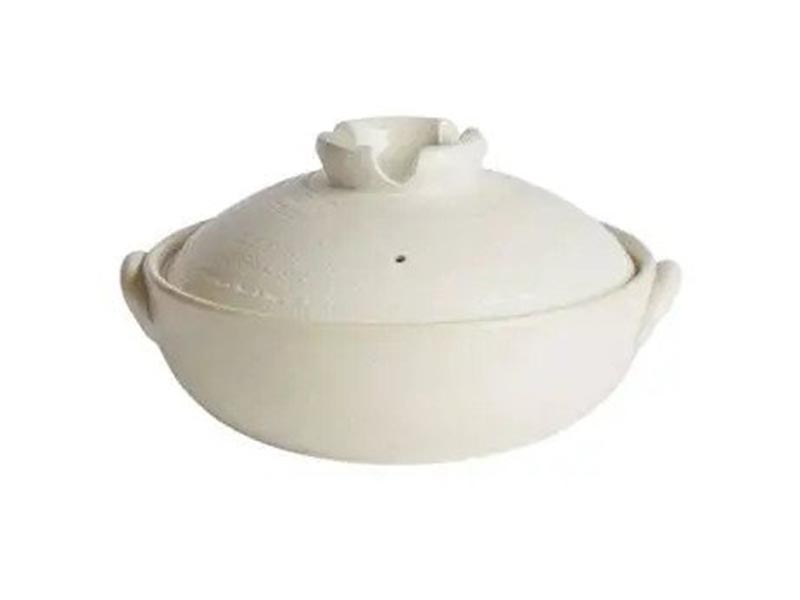
The Ippinka Japanese Clay Pot Donabe is a traditional-style Japanese cooking pot made for dishes that benefit from steady heat and excellent heat retention. IPPINKA describes its handmade clay donabe as suitable for stews, soups, hot pot, rice, and noodle dishes. Remodelista’s product listing for the Ippinka Japanese Clay Pot Donabe highlights a white Banko-yaki version with a 2300 ml capacity, roughly 8.5 cups, and dimensions of about 11 x 9.8 x 6.1 inches.
In practical kitchen language, that means it is large enough for a cozy family hot pot, a generous batch of miso soup, a comforting noodle dish, or a pot of rice that tastes like it got a motivational speech from a Japanese grandmother.
Why Donabe Cooking Feels Different
The biggest appeal of a Japanese clay pot donabe is not speed. If your cooking personality is “microwave burrito in 90 seconds,” the donabe may ask you to breathe deeply. Clay heats more gradually than metal, which is exactly the point. That slower, gentler heat helps ingredients cook evenly and allows flavors to develop without being bullied.
When you cook soup stock, rice, vegetables, tofu, seafood, mushrooms, or thin slices of meat in a donabe, the pot creates a warm, steady environment. It does not attack food with harsh heat. It coaxes. It persuades. It says, “Take your time, little shiitake. Become delicious.”
Even Heating
The Ippinka donabe is promoted for even heating, which is important for dishes that need consistency. In hot pot, for example, you do not want one side roaring like a volcano while the other side politely remains lukewarm. Even heat helps broth stay balanced and ingredients cook at a comfortable pace.
Excellent Heat Retention
Heat retention is where a donabe really earns its counter space. Once warmed, the clay body holds heat well, keeping food hot even after it leaves the stove. This makes it ideal for serving directly at the table. No need to transfer soup into a “prettier” bowl. The pot already showed up dressed for dinner.
Moisture and Flavor
A donabe’s lid and thick ceramic body help trap steam, preserving moisture and aroma. That is especially useful for rice, simmered vegetables, seafood, and broth-based meals. Instead of cooking away delicate flavor, the pot helps keep it in the dish, where it belongs.
Banko-Yaki: The Pottery Tradition Behind the Pot
One reason the Ippinka Japanese Clay Pot Donabe stands out is its connection to Banko-yaki, also known as Banko ware. Banko ware is a traditional Japanese pottery associated with Mie Prefecture, especially the Yokkaichi and Komono areas. It is well known for heat-resistant earthen pots and teapots, and modern Banko ware remains an important ceramic tradition in Japan.
Banko ware dates back to the 18th century, with roots connected to Rozan Nunami, a wealthy merchant and tea ceremony enthusiast who began creating distinctive ceramics. The name “Banko” carries the idea of permanence or lasting quality, which is exactly the sort of poetic pressure you want to put on a pot before asking it to handle dinner.
For home cooks, the pottery history matters because it explains why donabe is not just another saucepan with a prettier outfit. It belongs to a long tradition of cooking vessels designed around heat, clay, craft, and the social pleasure of sharing food.
Best Uses for the Ippinka Donabe
The Ippinka donabe is flexible enough for everyday cooking but special enough to make a Tuesday night meal feel like a tiny ceremony. Here are some of the best ways to use it.
1. Japanese Hot Pot
Hot pot is the donabe’s natural habitat. Add broth, vegetables, tofu, mushrooms, seafood, chicken, pork, or thinly sliced beef, then let everyone cook and eat together. The pot becomes the center of the meal, which is much better than everyone silently staring into their phones like tiny office workers on a lunch break.
2. Rice and Mixed Rice
A donabe can cook beautiful rice because it warms gradually and holds heat well. Plain rice becomes fluffy and fragrant, while mixed rice dishes such as takikomi gohan can absorb broth, soy sauce, mushrooms, carrots, burdock root, chicken, or seasonal vegetables. The result is deeply comforting and dramatically more interesting than “I found crackers in the pantry.”
3. Soups and Stews
The Ippinka Japanese Clay Pot Donabe is a strong choice for soups and stews because it maintains steady heat. Miso soup, chicken soup, vegetable stew, curry-style simmered dishes, and seafood broths all benefit from the donabe’s gentle cooking style.
4. Noodle Dishes
Nabeyaki udon is one classic example. Thick udon noodles simmer in broth with vegetables, egg, mushrooms, fish cake, chicken, or tempura. The donabe keeps everything hot, which is ideal because cold noodle soup is rarely anyone’s dream unless the air conditioner is broken in July.
5. Tabletop Cooking
Because the donabe is attractive enough to serve from, it works beautifully for communal meals. Cook the dish, bring the pot to the table, remove the lid, and enjoy that cloud of steam that makes everyone briefly believe you are a culinary genius. Let them believe it. You earned this.
How to Season a Donabe Before First Use
A new donabe should be seasoned before cooking. Seasoning helps the porous clay become more durable and less likely to leak or crack. The traditional Japanese process is often called medome. It usually involves cooking a starchy mixture, such as rice porridge, so starch can fill tiny pores in the clay.
IPPINKA’s care instructions describe a simple method using water and flour: fill the pot halfway with water, dissolve two to three tablespoons of flour in a separate bowl, add it to the pot, heat on medium without the lid while stirring occasionally, bring it to a boil, let it cool completely, then rinse and dry thoroughly.
Other donabe experts recommend thick rice porridge made with cooked rice and water. Both approaches follow the same principle: starch helps condition the clay. Think of it as giving your pot a spa day before asking it to simmer dinner.
Care Tips: How Not to Accidentally Break Your Beautiful Pot
A donabe is durable when used correctly, but it is still clay. It does not enjoy shock, neglect, or being treated like a cast-iron skillet with softer feelings.
Keep the Outside Dry Before Heating
Before putting the donabe over heat, make sure the outer bottom is completely dry. Moisture trapped in clay can expand when heated and may cause cracking. This is the number one rule. Tattoo it on your wooden spoon if needed.
Avoid Sudden Temperature Changes
Do not move a hot donabe directly onto a cold wet surface. Do not pour cold water into a hot pot. Do not place a refrigerated donabe over direct heat. Clay dislikes drama. Let temperature changes happen gradually.
Hand Wash Only
The Ippinka donabe is not dishwasher-safe. Wash it gently by hand with a soft sponge. Avoid soaking it for long periods, and let it dry thoroughly before storing. Because clay can absorb odors, it is also smart not to store leftovers in the pot overnight.
Use Moderate Heat
Start with low or medium heat rather than blasting the burner immediately. Donabe cooking rewards patience. If you demand instant results, the pot may respond with a crack, which is clay’s version of quitting the group chat.
Ippinka Donabe vs. Regular Metal Pots
A regular metal pot is efficient, easy to clean, and great for many tasks. It boils pasta, makes soup, and handles rough treatment with the emotional range of a parking meter. But the donabe brings something different: slow heat, lingering warmth, and table presence.
For quick boiling, choose stainless steel. For high-heat searing, choose cast iron or carbon steel. For gentle simmering, cozy rice dishes, hot pot, and meals that feel communal, the Japanese clay pot donabe is hard to beat.
The Ippinka Japanese Clay Pot Donabe is especially appealing for people who want a functional cooking vessel that doubles as servingware. It is not just about getting food cooked. It is about creating a meal that feels gathered, warm, and intentional.
Who Should Buy the Ippinka Japanese Clay Pot Donabe?
This donabe is a smart choice for home cooks who enjoy Japanese food, one-pot meals, soups, stews, rice dishes, and beautiful kitchen tools that do more than sit on a shelf looking expensive. It is also a great fit for anyone who likes slow cooking but does not always want to haul out a giant electric slow cooker.
It may not be ideal for someone who wants ultra-low-maintenance cookware. If you regularly toss pots into the dishwasher, bang lids around like cymbals, or forget cookware in the sink for two days, the donabe may judge you silently. And honestly, it would have a point.
Simple Donabe Meal Ideas
Classic Mushroom Hot Pot
Combine dashi, soy sauce, mirin, napa cabbage, shiitake mushrooms, enoki mushrooms, tofu, scallions, and thinly sliced chicken or beef. Simmer gently and serve with ponzu or sesame dipping sauce.
Chicken and Ginger Rice
Add rinsed short-grain rice, water or light broth, sliced ginger, chicken pieces, soy sauce, and a little sake. Cook until the rice is tender, then rest before serving. Top with scallions and sesame seeds.
Comforting Udon Soup
Simmer udon noodles in broth with spinach, mushrooms, egg, fish cake, tofu, or leftover roasted chicken. This is the dinner equivalent of wearing warm socks.
Vegetable Curry Stew
Use the donabe for a mild Japanese-style curry with potatoes, carrots, onions, mushrooms, and chicken or tofu. The clay pot helps keep the dish hot at the table, which gives everyone more time to “just have one more spoonful.”
Experience Notes: Living With an Ippinka Japanese Clay Pot Donabe
The first experience with an Ippinka Japanese Clay Pot Donabe usually begins with caution. You do not rip it out of the box, slam it on a burner, and hope for the best. You wash it gently, dry it carefully, and season it like you are initiating a tiny kitchen heirloom. The seasoning step may sound intimidating, but in practice it feels calming. Flour or rice porridge bubbles slowly, steam rises, and suddenly you are not just preparing cookwareyou are slowing down enough to notice what cooking used to feel like before dinner became a race against email notifications.
The first real meal is often the moment the donabe makes sense. A simple hot pot with napa cabbage, tofu, mushrooms, scallions, and thin slices of meat does not look dramatic at first. Then the broth starts to simmer. The lid traps fragrance. The vegetables soften without collapsing into sadness. The mushrooms release their deep savory flavor. When the lid comes off at the table, the steam carries the whole meal into the room. People lean in. Conversation improves. Even the person who claimed they “do not really like tofu” suddenly develops suspicious enthusiasm.
Cooking rice in a donabe can also be a small revelation. The process asks for attention: rinse the rice, soak it, measure water, bring it up gently, listen for the subtle shift from bubbling to steaming, then let it rest. The payoff is texture. The grains are tender, fragrant, and distinct. If there is a slightly crisp layer at the bottom, congratulationsyou have found the part of dinner people will politely fight over.
The Ippinka donabe also changes how you think about serving. With many pots, cooking happens in one vessel and presentation happens in another. With this Japanese clay pot, the cooking vessel is the centerpiece. It looks natural on the table, especially with small bowls, chopsticks, ladles, and dipping sauces nearby. The meal feels less like a transaction and more like an event, even if the ingredients came from a regular Tuesday grocery run and not a misty mountain village.
There are lessons, of course. You learn to dry the bottom completely before heating. You learn not to rush the flame. You learn that clay holds heat longer than expected, which is wonderful for serving but dangerous for impatient fingers. You learn that cleanup is not difficult, but it does require respect: no dishwasher, no aggressive scrubbing, no long soaking session in the sink like a forgotten cereal bowl.
Over time, the donabe becomes less of a specialty item and more of a rhythm. Soup nights become easier. Rice tastes more intentional. Hot pot becomes the answer when guests come over and you want dinner to feel generous without staging a full theatrical production. The pot develops personality, and you begin to understand why traditional clay cookware has lasted for centuries. It is not because people lacked stainless steel. It is because clay cooking offers something modern cookware often forgets: warmth that continues after the flame is off.
Conclusion: A Beautiful Pot With Real Cooking Purpose
The Ippinka Japanese Clay Pot Donabe is more than a photogenic ceramic pot. It is a practical, traditional cooking vessel for people who love deep flavor, gentle heat, and meals that gather people around the table. Its heat retention, even cooking, Banko-yaki heritage, and ability to move from stove to table make it a standout piece for hot pot, rice, soups, stews, and noodle dishes.
Yes, it requires care. You need to season it before first use, avoid thermal shock, hand wash it, and make sure the bottom is dry before heating. But that small learning curve is part of the charm. The donabe asks you to cook with attention, and in return, it gives you food that tastes warmer, fuller, and more connected.
If your kitchen could use one tool that is functional, beautiful, and quietly dramatic in the best possible way, the Ippinka Japanese Clay Pot Donabe deserves a place on the stoveand probably at the center of your next dinner.