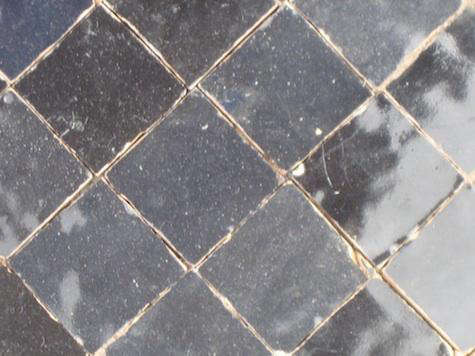
Moroccan mosaic tiles have a way of walking into a room before you do. They shimmer, wink, reflect light, show off a little, and somehow still feel handmade, humble, and deeply rooted in tradition. In a world full of perfectly flat surfaces and look-alike interiors, Moroccan mosaic tile says, “Relax, darling. A little imperfection is called character.”
Whether you know them as Moroccan tiles, zellige tiles, zellij, mosaic tiles, or “those gorgeous shiny little tiles I saw in a boutique hotel bathroom and now cannot stop thinking about,” they are among the most expressive materials in interior design. Used for centuries across Moroccan architecture, these tiles bring color, geometry, craftsmanship, and texture into kitchens, bathrooms, patios, pools, fireplaces, fountains, and feature walls.
Today, Moroccan mosaic tiles are no longer reserved for riads in Marrakech or palaces with courtyards that make your houseplants jealous. They are appearing in American kitchens, spa-inspired bathrooms, powder rooms, restaurant bars, hotel lobbies, and even laundry rooms that suddenly think they are vacation villas. Their appeal is obvious: they combine historic artistry with modern design flexibility. They can look rustic, glamorous, bohemian, coastal, Mediterranean, minimalist, maximalist, or “I accidentally became sophisticated.”
What Are Moroccan Mosaic Tiles?
Moroccan mosaic tiles are decorative tiles inspired by Morocco’s long tradition of geometric tilework. The most famous type is zellige, a handmade glazed terracotta tile usually crafted from natural clay. Traditional zellige tiles are shaped, dried, glazed, fired, and often hand-chiseled into smaller pieces. Those pieces may be arranged into elaborate geometric mosaics, star patterns, borders, medallions, or simple fields of luminous color.
The word “mosaic” matters here. Moroccan tile design is not just about one tile looking pretty by itself, although many do. It is about repetition, rhythm, and the way small pieces work together. A single square may be charming. A full wall of them becomes architecture. A fountain lined with blue-green zellige becomes a tiny vacation. A kitchen backsplash in pearly white handmade tile becomes the quiet star of the room, which is usually better than letting the toaster have that role.
Zellige vs. Moroccan Mosaic Tile
Zellige is a specific style of Moroccan tile, typically handmade from clay and known for its glossy glaze, irregular surface, tonal variation, and slightly uneven edges. Moroccan mosaic tile is a broader term. It can include zellige, cement tiles with Moroccan patterns, ceramic mosaics, porcelain Moroccan-look tiles, stone mosaics, or modern interpretations of classic Moroccan geometry.
If you want authentic character, handmade zellige is the showpiece. If you want easier installation, lower maintenance, or a more predictable finish, Moroccan-look ceramic or porcelain tile may be the practical cousin who shows up on time and brings a spreadsheet.
The History Behind Moroccan Mosaic Tiles
Moroccan mosaic tilework has deep roots in Islamic art and architecture. Because Islamic design traditionally avoided figurative imagery in sacred and formal spaces, artisans developed extraordinary geometric patterns, calligraphy, floral motifs, and abstract compositions. Zellij tilework became a major decorative language in Morocco, appearing in mosques, madrasas, palaces, fountains, courtyards, and public buildings.
Fes, Morocco, is especially associated with traditional zellige craftsmanship. Artisans have long worked with local clay, hand-forming and cutting tiles into precise shapes that fit together like architectural puzzles. The result is not merely decoration. It is mathematics wearing jewelry. Stars, polygons, interlocking lines, and repeating borders create surfaces that feel alive, ordered, and endlessly detailed.
That heritage still influences modern interiors. Even when designers use a single-color zellige backsplash rather than a complex mosaic mural, the tile carries the memory of handwork, Moroccan craft, and centuries of visual discipline. It is old-world artistry with a passport stamp and very good lighting.
Why Moroccan Mosaic Tiles Are So Popular
Moroccan mosaic tiles have become a favorite because they solve a modern design problem: how to make a space feel personal without making it chaotic. The handmade surface creates movement. The glaze reflects light. The color variation adds depth. The geometry brings structure. Together, they create rooms that look layered instead of flat.
They Add Texture Without Clutter
Many homeowners want warmth and personality but do not want shelves stuffed with decorative objects. Moroccan mosaic tile offers texture built directly into the room. A zellige backsplash can make a plain kitchen feel collected and custom, even if the cabinets are simple. A tiled shower wall can feel spa-like without requiring a bamboo stool, six candles, and a playlist called “Rainforest Healing.”
They Reflect Light Beautifully
Glossy Moroccan tiles are famous for the way they catch light. Because handmade tiles vary slightly in surface and glaze, each piece reflects light differently. The wall does not look like a flat sheet; it glows, shifts, and changes throughout the day. Morning light may make white zellige look creamy. Evening light may turn green tile moody and jewel-like.
They Work in Many Design Styles
Moroccan mosaic tiles can feel traditional, modern, rustic, or luxurious depending on color, layout, grout, and surrounding materials. Pair deep blue zellige with brass fixtures for a dramatic powder room. Use ivory tiles with white oak cabinets for a warm minimalist kitchen. Try terracotta, sand, or olive tones for Mediterranean character. Use black and white geometric mosaic for a bold floor that announces itself without needing a megaphone.
Types of Moroccan Mosaic Tiles
Handmade Zellige Tiles
Authentic zellige tiles are the most iconic Moroccan tile option. They are loved for their imperfect edges, glossy surface, color variation, and handcrafted look. Common formats include squares, rectangles, bejmat-style subway shapes, hexagons, stars, crosses, and custom mosaic cuts. They are especially popular in kitchens, bathrooms, fireplaces, and water features.
Moroccan Cement Tiles
Moroccan cement tiles are usually matte rather than glossy and are known for bold patterns. They can feature floral, geometric, or encaustic-inspired designs. Cement tile is beautiful but porous, so it requires sealing and thoughtful maintenance. It is best for homeowners who enjoy the look enough to respect the upkeep. In other words, it is not the tile for someone whose cleaning philosophy is “the splatter will become part of the pattern.”
Ceramic and Porcelain Moroccan-Look Tiles
Modern ceramic and porcelain tiles can imitate Moroccan patterns or zellige-style surfaces while offering more uniform sizing and easier installation. These are practical choices for busy households, rental-friendly updates, large areas, or homeowners who love the look but do not want to wrestle with the quirks of handmade tile. Many Moroccan-look tiles are available in mosaics, subway formats, peel-and-stick options, and decorative patterns.
Stone and Mixed-Material Mosaics
Some Moroccan-inspired mosaics combine marble, limestone, lava stone, cement, glass, or ceramic. These often use classic Moroccan shapes in a more contemporary palette. They can be stunning on feature walls, fireplace surrounds, bathroom niches, and statement floors.
Best Places to Use Moroccan Mosaic Tiles
Kitchen Backsplashes
The kitchen backsplash is the most popular place to use Moroccan mosaic tiles. A white or cream zellige backsplash brings subtle shine and handmade texture. Green, blue, or terracotta tiles can create a memorable focal point. For a modern kitchen, try running the tile from the countertop to the ceiling. It makes the space feel taller, more finished, and less like you gave up halfway through the design meeting.
However, function matters. If you cook often with tomato sauce, turmeric, oil, or heroic amounts of garlic, choose a tile and grout color that can handle real life. Glossy glazed tiles are easier to wipe than porous materials, but uneven surfaces and grout lines still require regular cleaning. A slightly warm grout color can be more forgiving than bright white.
Bathroom Walls and Showers
Moroccan mosaic tiles are excellent in bathrooms because they add depth, color, and a spa-like quality. Zellige shower walls are especially dramatic because water and light make the glaze sparkle. Soft blue, sage green, pearl, ivory, blush, and charcoal are popular choices. For small bathrooms, using one color across the wall can make the space feel more expansive than a high-contrast pattern.
In wet areas, proper installation is essential. Waterproofing, substrate preparation, grout selection, sealing where needed, and professional layout matter far more than the tile selfie you take afterward. Handmade tile may vary in thickness and size, so hiring an experienced installer is often worth the cost.
Floors
Moroccan mosaic floors can be spectacular in entries, bathrooms, patios, and powder rooms. Patterned cement tile or porcelain Moroccan-look tile is often used for floors because it provides durability and a flatter walking surface. Glossy zellige can be slippery in some floor applications, so always check whether a tile is rated for the intended floor use, especially in wet areas.
Fireplaces
A fireplace surround is a perfect place for Moroccan mosaic tile. It is smaller than a full wall but visually important. Glossy zellige around a fireplace can bounce light into the room and add warmth even when the fireplace is not lit. Earthy green, ivory, black, cobalt, and clay tones all work well depending on the mood you want.
Outdoor Patios, Pools, and Fountains
Moroccan tile has a natural relationship with water and courtyards. Blue and turquoise tiles around a fountain or pool can create a resort-like atmosphere. For outdoor use, choose materials approved for exterior conditions and freeze-thaw cycles if applicable. In warm climates, Moroccan mosaic tile can transform patios, garden walls, stair risers, and outdoor kitchens into spaces that feel designed rather than merely paved.
How to Choose the Right Moroccan Mosaic Tile
Start With the Room’s Personality
Before choosing tile, ask what the room wants to be when it grows up. A powder room can handle drama. A primary bathroom may need calm. A kitchen might need warmth and durability. A patio can welcome bolder patterns. Moroccan mosaic tile offers many personalities, so choose the one that matches the room’s job.
Decide Between Handmade and Handmade-Look
Authentic handmade tile gives you unique variation, but it also requires patience. Expect differences in size, edge, color, thickness, and glaze. That is the beauty. It is also the reason installation can be slower. Handmade-look ceramic or porcelain gives a more predictable result and may be better for tight budgets, DIY projects, or large surfaces where consistency matters.
Choose Color Carefully
Moroccan mosaic tiles can be subtle or bold. White, cream, sand, and gray are versatile and timeless. Blue and green feel classic, watery, and serene. Black creates drama. Terracotta and spice tones bring warmth. Jewel tones such as emerald, cobalt, and deep teal create a boutique-hotel effect, which is wonderful unless your towels are from 2009 and have given up emotionally.
Think About Grout
Grout can change the entire look. Matching grout creates a softer, more seamless effect and is often preferred with small or textured tile. Contrasting grout makes the pattern more graphic but can also look busy. Neutral grout colors such as sand, taupe, light gray, and mocha are often easier to live with than pure white or very dark grout. Sealing grout is a smart move in kitchens and bathrooms.
Installation Tips for Moroccan Mosaic Tiles
Moroccan mosaic tile installation is not the time to discover your inner overconfident weekend warrior. Handmade tiles require sorting, blending, and thoughtful placement. Because colors and thicknesses vary, installers often mix tiles from multiple boxes before setting them. This prevents one wall from having a strange dark patch that looks like the tile equivalent of a sunburn.
Dry layout is important. Before installation, place tiles on the floor or a work surface to review color distribution, spacing, and pattern alignment. For zellige, tight grout joints may emphasize irregular edges, while slightly wider joints can help absorb variation. For patterned mosaics, alignment is everything. One misplaced piece can disrupt the rhythm like a wrong note in a jazz solo.
Surface preparation also matters. Walls should be flat, clean, stable, and suitable for tile. Wet areas need proper waterproofing. Some tiles require sealing before or after grouting. Cement tile generally needs more sealing than glazed ceramic. Always follow manufacturer recommendations for adhesive, grout, sealers, and cleaning products.
Cleaning and Maintenance
Most glazed Moroccan tiles are relatively easy to clean with mild soap, water, or a neutral cleaner. Avoid harsh acids, abrasive scrubbers, and mystery cleaning potions from the back of the cabinet. Handmade tiles may have crazing, chips, pits, or tiny surface variations; these are usually part of the character rather than defects.
Cement tiles and unglazed surfaces need more care because they are porous. Seal them as recommended and wipe spills quickly. In kitchens, pay attention to oil, wine, citrus, coffee, and tomato-based sauces. In bathrooms, keep grout clean and ventilate the space to reduce moisture buildup. Moroccan mosaic tiles age beautifully when maintained well, but they do not enjoy being ignored like a forgotten gym membership.
Design Ideas for Moroccan Mosaic Tiles
The Soft White Zellige Kitchen
Use white or ivory zellige tiles behind warm wood cabinets, marble-look counters, and brass hardware. The result is calm, luminous, and timeless. It has texture without shouting. This is a great option for homeowners who want something more interesting than subway tile but not so bold that breakfast feels like a nightclub.
The Blue Moroccan Bathroom
Blue Moroccan mosaic tile is a classic choice for bathrooms. Try deep cobalt for drama, soft aqua for a spa effect, or blue-green zellige for a watery Moroccan courtyard mood. Pair it with warm metals, natural wood, and simple white fixtures.
The Patterned Powder Room
A powder room is the perfect place to use a bold Moroccan patterned tile. Because the room is small, you can splurge on a special floor or accent wall without tiling half the zip code. Black-and-white patterns feel classic. Terracotta and cream feel warm. Blue and white feel crisp and Mediterranean.
The Fireplace With Quiet Drama
Wrap a fireplace in emerald, charcoal, ivory, or clay-toned zellige. Keep the mantel simple and let the tile do the performance. The reflective surface adds depth during the day and glow at night.
Common Mistakes to Avoid
The first mistake is expecting handmade Moroccan tile to look machine-made. If you want perfect uniformity, choose porcelain. If you choose zellige, embrace variation. The second mistake is choosing a tile only from a close-up photo. Always order samples and view them in your room’s natural and artificial light.
The third mistake is ignoring maintenance. A white zellige backsplash behind a busy range may look heavenly, but it will also show splatters. A patterned cement tile floor may be gorgeous, but it needs sealing. Beauty is allowed to require care; just make sure you know how much care before the invoice arrives.
The fourth mistake is hiring an installer without handmade tile experience. Moroccan mosaic tiles reward craftsmanship. A skilled installer can turn variation into beauty. An inexperienced installer can turn variation into a group project no one wants to discuss at dinner.
Are Moroccan Mosaic Tiles Worth It?
Yes, Moroccan mosaic tiles are worth it when they match your design goals, budget, and maintenance tolerance. They offer a rare mix of history, texture, color, and individuality. They can make a simple room feel custom and make a small surface feel special. But they are not always the cheapest or easiest option. Handmade zellige may cost more to install. Cement tile needs sealing. Complex patterns require careful planning.
The best approach is to use Moroccan mosaic tile where it has impact: a backsplash, shower wall, fireplace, powder room floor, stair risers, niche, bar front, or patio fountain. You do not need to tile every surface. In fact, restraint often makes the tile look more luxurious. Think of it as jewelry for the room. A necklace is elegant. A necklace, tiara, bracelets, anklets, and a jeweled cape may be a lot for a Tuesday.
Experience: Living With Moroccan Mosaic Tiles in Real Spaces
The first thing people usually notice about Moroccan mosaic tiles is the beauty. The second thing they notice, usually after installation day, is that these tiles are not shy. They interact with light, furniture, grout, paint color, and even the time of day. A sample that looks calm in a showroom can become richer at home. A green tile may look herbal in the morning, emerald at noon, and moody at night. This is part of the experience, and it is why sampling matters so much.
In a kitchen, Moroccan zellige can completely change the emotional temperature of the room. A plain white kitchen with flat walls may feel clean but a little cold. Add handmade ivory or cream zellige, and suddenly the space feels warmer, softer, and more intentional. The tile catches light around the coffee maker, behind the sink, and under the range hood. Even when the kitchen is messy, the backsplash gives the room a designed backbone. It quietly says, “Yes, there are dishes in the sink, but please notice my artisanal glow.”
In bathrooms, the experience is even more dramatic. A shower lined with Moroccan mosaic tile can feel immersive, almost like stepping into a small tiled grotto. Glossy surfaces make water sparkle. Subtle variations keep large walls from feeling flat. If the tile is blue, green, or pearl-toned, the room can feel instantly more relaxing. That said, daily use teaches practical lessons. Squeegeeing glass, ventilating the room, and cleaning grout regularly are not glamorous tasks, but they keep the tile looking fresh. Moroccan tile rewards people who treat maintenance as a small ritual rather than a punishment.
For floors, the experience depends heavily on material choice. Patterned Moroccan-style porcelain is easier for busy households and high-traffic spaces. Cement tile has a softer, more historic look but needs sealing and gentler cleaning. In an entryway, a Moroccan patterned floor can create a memorable first impression. Guests may not remember where they put their keys, but they will remember the floor.
One of the most satisfying uses is a small accent area. A tiled niche in a shower, a fireplace surround, a coffee bar backsplash, or stair risers can bring Moroccan character without overwhelming the home. These smaller applications are also friendlier to budgets. They allow homeowners to enjoy the artistry without committing to a full-room renovation or developing a suspiciously personal relationship with grout sealer.
The biggest lesson from living with Moroccan mosaic tiles is simple: choose them for character, not perfection. If a slightly uneven edge will bother you forever, select a Moroccan-look ceramic or porcelain tile instead. If you love surfaces that feel handmade, storied, and alive, authentic Moroccan mosaic tile can become one of the most memorable features in your home. It is not just a finish. It is a daily encounter with craft, light, color, and a little bit of delicious imperfection.
Conclusion
Moroccan mosaic tiles remain popular because they offer something many modern interiors desperately need: soul. They bring together centuries-old craftsmanship, geometric beauty, tactile surfaces, and luminous color. From handmade zellige backsplashes to patterned bathroom floors and glowing fireplace surrounds, these tiles can make ordinary rooms feel layered, personal, and quietly luxurious.
The key is choosing wisely. Consider the room, material, installation requirements, grout color, maintenance, and how much variation you want to see every day. Moroccan mosaic tiles are not always the easiest surface, but when selected and installed thoughtfully, they can become the feature that makes a home unforgettable. Perfectly imperfect, richly historic, and endlessly photogenic, Moroccan tile proves that sometimes the best design choice is the one with a few charming irregularities and absolutely no interest in being boring.