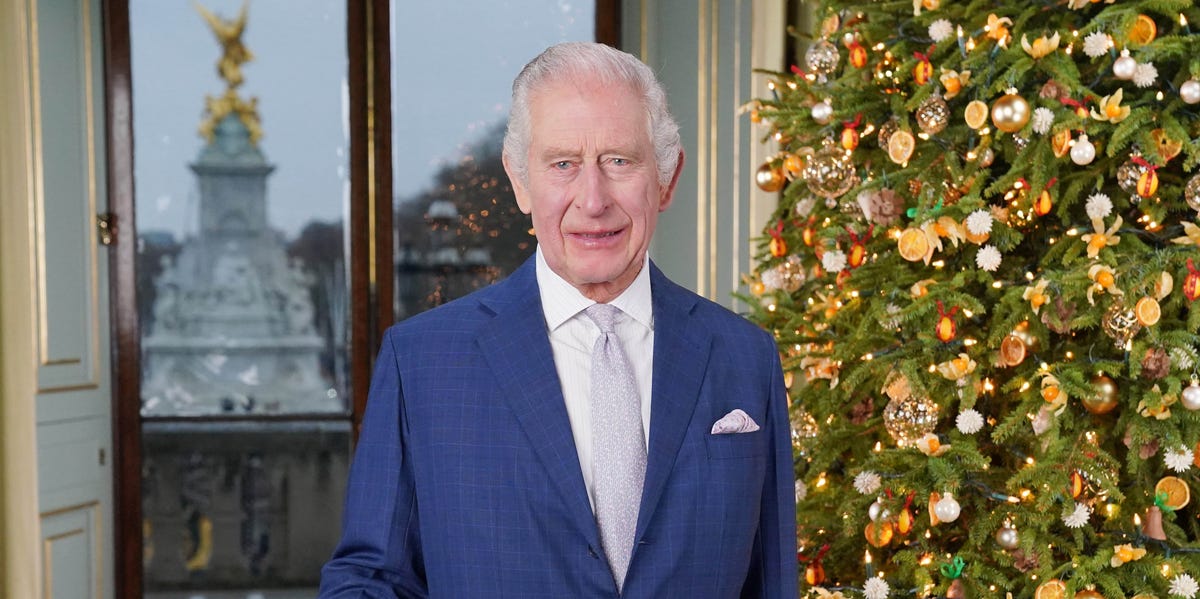
Editor’s note: The address was originally promoted as an upcoming “personal” message and aired on December 12, 2025, during Channel 4’s Stand Up To Cancer broadcast. This article reflects the confirmed details of what King Charles III shared, why the message mattered, and how audiences could watch or follow the campaign afterward.
Introduction: A Royal Health Update With a Human Heart
When King Charles III speaks about duty, tradition, or the weather doing something very British, people listen. But when he speaks about cancer, the tone changes. The crown suddenly feels less like a symbol and more like a human being sitting across the kitchen table, talking about fear, treatment, hope, and the practical power of getting checked.
The King’s cancer message, delivered as part of Channel 4’s Stand Up To Cancer campaign in partnership with Cancer Research UK, was not a dramatic palace confession or a medical tell-all. Instead, it was a calm, personal, carefully worded address focused on early diagnosis, cancer screening, and the “community of care” surrounding patients. The headline moment was hopeful: King Charles said his cancer treatment schedule could be reduced in the New Year, a development he linked to early diagnosis, effective medical intervention, and following doctors’ advice.
The Palace has not disclosed the exact type of cancer, and that privacy remains important. Yet the King has repeatedly used his own experience to encourage public understanding of cancer. In this address, he turned a deeply personal health journey into a public-health message: do not ignore screening invitations, do not let embarrassment win, and do not assume that feeling fine means everything is fine. In other words, less stiff upper lip, more calendar reminder.
What Was King Charles’s Cancer Message About?
King Charles’s address centered on one main idea: early detection can change the course of a cancer journey. He reflected on his own experience with cancer treatment while emphasizing that screening gives doctors more time, patients more options, and families more hope.
The King acknowledged that a cancer diagnosis can feel overwhelming. That word matters. Cancer does not arrive politely with a handwritten note and a cup of tea. It barges into schedules, family conversations, medical appointments, and the quiet corners of a person’s mind. By admitting that the experience can be emotionally heavy, Charles made the message relatable to people who may never set foot in a palace but know exactly what it feels like to wait for test results.
He also praised the people who surround cancer patients: specialists, nurses, researchers, charity workers, volunteers, and loved ones. This “community of care” was one of the emotional anchors of the speech. The King’s message did not frame cancer as a lonely battle fought by heroic individuals in silence. Instead, it described cancer care as a network of skill, science, compassion, and practical support.
The Biggest Health Update: His Treatment Could Be Reduced
The most widely reported line from the address was the King’s announcement that his schedule of cancer treatment could be reduced in the New Year. Buckingham Palace later described this as a move into a more precautionary phase, with continued monitoring to support his recovery.
This was not the same as announcing remission, and responsible reporting should not dress it up as something the Palace did not say. The important point is more careful and still encouraging: the King’s doctors were satisfied enough with his progress to reduce the intensity of treatment. For anyone who has been through cancer care, or loved someone who has, that kind of milestone can feel enormous. It is not a finish-line parade, but it is a hopeful mile marker on a road nobody chooses.
The King described the development as a personal blessing and also as evidence of progress in modern cancer care. That framing was deliberate. It kept the attention on science, early diagnosis, and treatment advances rather than turning the address into a royal medical bulletin.
Why Early Detection Was the Core of the Address
The King’s central message was simple enough to fit on a refrigerator magnet: early diagnosis saves lives. But the reason it matters is more complex. Many cancers are easier to treat when found early. Screening can sometimes detect cancer before symptoms appear, and in certain cases it can find pre-cancerous changes before cancer develops at all.
That is why the King’s speech focused so strongly on screening programs. In the United Kingdom, the Stand Up To Cancer campaign highlighted breast, bowel, and cervical cancer screening eligibility through a new online Screening Checker. The tool was created to help people understand which NHS or Public Health Agency programs may apply to them and what to expect from the process.
For American readers, the same general lesson applies even though the health system is different. The American Cancer Society recommends age- and risk-based screening for several cancers, including breast, colorectal, cervical, lung, and prostate cancer. The exact timing depends on age, personal risk, family history, and medical advice, which is why the smartest next step is not panic-Googling at 2 a.m. It is talking with a healthcare provider and making a screening plan that fits your life.
What We Know About King Charles’s Cancer Journey
King Charles’s cancer diagnosis was announced by Buckingham Palace in February 2024. The Palace said the cancer was identified after he underwent a hospital procedure for benign prostate enlargement. Officials made clear that the condition being treated was benign and that the cancer was a separate issue of concern discovered through subsequent diagnostic tests.
After the diagnosis, the King began regular treatment and was advised to postpone public-facing duties for a period. However, he continued state business and official paperwork. That detail became part of the broader public narrative: Charles was undergoing treatment, but he was not disappearing from constitutional responsibilities.
Over time, he gradually returned to public engagements. He visited cancer treatment centers, met patients and clinicians, and continued to support cancer charities. His decision to share the diagnosis, while keeping the specific cancer type private, marked a notable shift from older royal habits of keeping health matters behind thick velvet curtains. This approach gave the public enough information to understand the seriousness of the situation without turning the King’s medical file into a public scrapbook.
How to Watch the King’s Cancer Message
How viewers watched it live
The King’s message aired at 8 p.m. in the United Kingdom on Friday, December 12, 2025, during Channel 4’s Stand Up To Cancer programming. It was broadcast as part of a special night of television featuring fundraising moments, celebrity appearances, patient stories, and a live segment connected to cancer care.
The program was fronted by familiar British TV figures including Davina McCall and Adam Hills, with the wider campaign designed to raise awareness of screening and fund cancer research. The King’s address appeared shortly before a live broadcast from a cancer clinic at Addenbrooke’s Hospital in Cambridge.
How to find it after broadcast
After the live airing, viewers could look for the message through Channel 4’s official platforms, Stand Up To Cancer UK campaign pages, and The Royal Family’s official digital channels. Clips and excerpts were also widely covered by major news outlets, including U.S.-based organizations such as ABC News, People, and the Associated Press.
For U.S. audiences, the most practical route is usually to follow official royal or campaign channels rather than trying to access the full Channel 4 streaming service, which may have regional restrictions. News clips, official transcripts, and campaign summaries often provide the core message without requiring viewers to develop a sudden expertise in British broadcast access. Royal news should be moving, not a full-time tech support hobby.
Why This Address Was More Than a Royal Update
The King’s cancer message mattered because it connected one famous person’s experience to millions of ordinary health decisions. A screening appointment can be easy to delay. People put it off because they are busy, nervous, embarrassed, confused about eligibility, or simply tired of medical admin. The King’s speech targeted that exact hesitation.
He pointed to estimates that at least nine million people in the U.K. were not up to date with available cancer screenings. That number gave the speech urgency. This was not only about one monarch’s treatment schedule; it was about missed opportunities for early diagnosis across an entire population.
The address also worked because it avoided scolding. It did not shame people for being afraid. Instead, it acknowledged that screening can feel awkward or uncomfortable, then reframed that short discomfort as a small price for reassurance or early action. That is a persuasive public-health message because it respects the emotional reality of healthcare decisions. Nobody loves medical tests. But most people love the idea of more birthdays, more family dinners, and more ordinary Tuesdays.
The Role of Cancer Research UK and Stand Up To Cancer
Stand Up To Cancer UK is a joint fundraising campaign from Cancer Research UK and Channel 4. Since its launch in the U.K. in 2012, the campaign has raised major funds for clinical trials and cancer research projects. The 2025 campaign combined fundraising with a practical screening-awareness push, including the launch of the Screening Checker.
This is where the King’s message fit neatly. A royal address can draw attention, but the campaign gave that attention somewhere useful to go. Rather than leaving viewers with vague inspiration, Stand Up To Cancer directed them toward a tool that could help them check eligibility for specific screening programs.
That structure is smart communication: emotion first, action second. The King’s story opened the door. The screening tool gave people a reason to walk through it.
What American Readers Can Learn From the King’s Message
Although the broadcast was British, the lesson is universal: cancer screening is not only for people who feel ill. In fact, the point of screening is often to look before symptoms appear. In the United States, screening recommendations vary by cancer type, age, risk level, and personal medical history. For example, colorectal cancer screening is generally recommended beginning at age 45 for people at average risk, while breast cancer screening timelines depend on age and shared decision-making with a clinician.
Americans should also remember that insurance coverage, access, and guidelines can differ. A person with a strong family history, previous abnormal results, or certain risk factors may need earlier or more frequent screening. The best takeaway from the King’s message is not to copy the U.K. system but to copy the behavior: check your eligibility, ask questions, and do not let uncertainty become inaction.
Specific Examples: What “Taking Action” Can Look Like
Taking action does not have to mean clearing your calendar for a medical marathon. It can start small. A 47-year-old who has never had colorectal screening can ask their doctor which test makes sense. A woman in her 40s can discuss mammogram timing and family history. Someone who has received a cervical screening reminder can schedule the appointment instead of letting the letter migrate into the mysterious paper pile next to the toaster.
For people with symptoms, action means something slightly different. Persistent changes such as unexplained weight loss, unusual bleeding, a new lump, ongoing fatigue, changes in bowel habits, or symptoms that feel abnormal for you should be discussed with a healthcare professional. Not every symptom means cancer. Most do not. But the point is to investigate rather than negotiate with your anxiety in silence.
Conclusion: A Personal Message With Public Impact
King Charles’s cancer message was powerful because it was personal without being sensational. He did not reveal every private medical detail, and he did not need to. What he shared was enough: a diagnosis can be frightening, early detection can change outcomes, treatment progress is possible, and screening is worth taking seriously.
The address also showed how public figures can use personal experience responsibly. Charles did not turn cancer into a slogan. He turned attention toward doctors, nurses, researchers, patients, caregivers, screening programs, and the practical decisions that can save lives. The crown may have supplied the spotlight, but the message belonged to everyone who has ever waited for a scan, driven someone to chemotherapy, opened a screening letter, or wondered whether they should finally book that appointment.
And perhaps that is the real point. Cancer conversations are never easy. They come with fear, awkwardness, medical language, and waiting rooms where time seems to move like cold molasses. But the King’s address reminded viewers that action can live inside fear. Screening may be uncomfortable. Asking questions may feel vulnerable. But catching cancer early can offer something far more valuable than comfort: time, treatment options, and hope.
Related Experience: What the King’s Cancer Message Feels Like for Families, Patients, and Caregivers
For many viewers, the King’s cancer message likely landed less like royal news and more like a familiar family conversation. Almost everyone knows someone touched by cancer: a parent who suddenly started keeping a folder of test results, a friend who learned the language of scans and blood counts overnight, a coworker who disappeared for “appointments” and returned with a brave smile that looked heavier than it sounded. Cancer has a way of making the grandest lives and the most ordinary lives meet in the same waiting room.
That is why the personal tone of the address mattered. When a public figure says a diagnosis can feel overwhelming, patients may feel a little less alone. The word does not cure anything, obviously. If words cured cancer, every hospital would hire poets and be done by Friday. But language can reduce isolation. It can give families permission to say, “Yes, this is hard,” without dressing everything in forced positivity.
Caregivers may have heard something else in the speech: recognition. Cancer care is not only chemotherapy, surgery, scans, or prescriptions. It is rides to appointments, medication reminders, soft food after treatment, insurance calls, late-night worry, and pretending not to hover while absolutely hovering. The King’s praise for the community around patients reflected the truth that cancer is rarely a solo experience. One person receives the diagnosis, but a whole circle learns how to live around it.
The screening message also has a practical emotional weight. Many people avoid screening not because they are careless, but because they are scared of what might be found. That fear is understandable. A sealed envelope from a medical office can feel heavier than a suitcase. But the King’s address reframed screening as an act of care rather than a trapdoor. It is not an invitation to bad news; it is a chance to find reassurance or catch a problem while there is still time to act.
Families can turn that message into something useful. Instead of nagging someone with “You really should get checked,” try making it easier: offer to help book the appointment, drive them there, sit with them afterward, or compare screening guidelines together. A little practical support can do more than a dramatic lecture delivered from the moral high ground. Nobody enjoys being health-shamed over breakfast.
For patients currently in treatment, the King’s update about reduced treatment may inspire hope, but it should also be held carefully. Every cancer journey is different. One person’s milestone is not a universal timeline. The healthier takeaway is not “my treatment should look like his,” but “progress is possible, medicine keeps advancing, and staying engaged with care matters.” That is a steadier kind of hope, and steadier hope is often the kind people can actually live with.
In the end, the King’s cancer message was about more than one royal recovery update. It was about the small, ordinary decisions that protect life: opening the letter, booking the test, asking the awkward question, showing up for someone, and taking symptoms seriously. None of those actions are glamorous. There are no trumpets. No balcony moment. But in real life, the quiet choices are often the ones that matter most.
Note: This article is based on confirmed public information from official royal and campaign communications, major news reporting, and reputable cancer-health organizations. It is for informational purposes only and is not medical advice. Readers should consult a qualified healthcare professional for personal screening or treatment guidance.