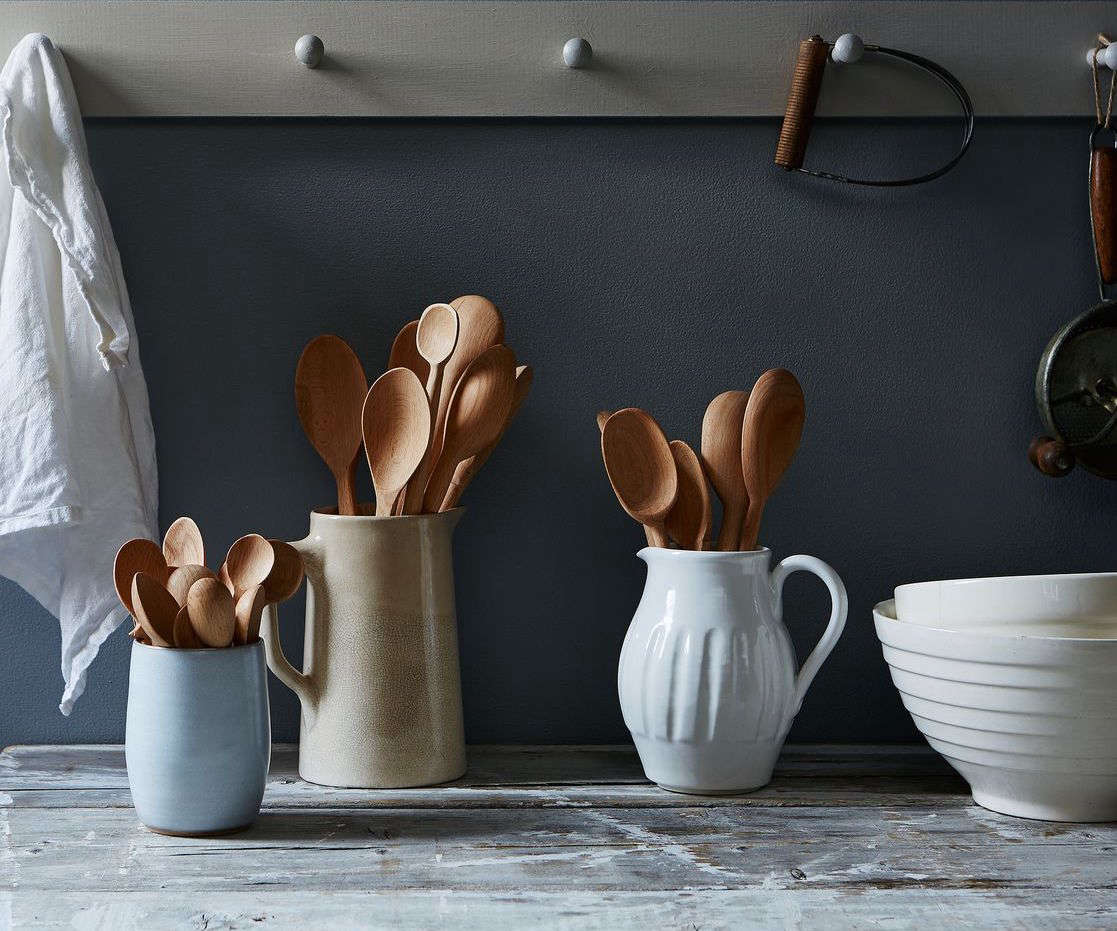
Thanksgiving has a funny way of making perfectly normal people act like they are running a restaurant, a bakery, a logistics company, and a poultry safety lab out of one kitchen. The turkey needs to roast, the potatoes need to mash, the gravy needs to behave, the pie needs to cool, and someone will still ask, “Do you have any extra serving spoons?” as if spoons grow on the rosemary plant.
The good news is that a memorable Thanksgiving dinner does not require smart ovens, Bluetooth probes, countertop gadgets that look like tiny spaceships, or a panic purchase at 10 p.m. the night before. A low-tech Thanksgiving can be calmer, cheaper, and more reliable when you build it around the right basics: sturdy tools, dependable cookware, and a simple plan.
This guide breaks down the 12 essential tools and cookware pieces every home cook should have for a low-tech Thanksgiving. These are the items that help you prep vegetables, roast turkey, bake casseroles, make gravy, store leftovers safely, and keep the meal moving without turning your kitchen into a gadget museum.
Why a Low-Tech Thanksgiving Still Works Beautifully
Low-tech cooking is not about doing everything the hard way. It is about choosing tools that solve real problems. A sharp knife beats a drawer full of novelty slicers. A heavy roasting pan beats a flimsy foil tray that wobbles like a nervous intern. A food thermometer beats guessing whether the turkey is done by staring at it with holiday hope in your eyes.
The best Thanksgiving tools are practical, durable, and versatile. They work for the holiday meal, but they also earn their cabinet space the rest of the year. A sheet pan can roast Brussels sprouts in November and weeknight chicken thighs in March. A large mixing bowl can hold stuffing, salad, biscuit dough, or an emergency mountain of whipped cream. That is the quiet magic of low-tech cookware: it does not need Wi-Fi to be useful.
The 12 Essential Tools and Cookware for a Low-Tech Thanksgiving
1. A Reliable Instant-Read Meat Thermometer
If Thanksgiving had a kitchen referee, it would be the meat thermometer. It settles the biggest question of the day: “Is the turkey actually done?” A safe Thanksgiving turkey should reach 165°F in the thickest parts, and stuffing cooked inside the bird must also reach 165°F. This is not the moment for vibes-based cooking.
An instant-read thermometer helps prevent two classic Thanksgiving disasters: undercooked poultry and dry turkey. Check the breast, thigh, and wing area without touching bone. If you are reheating leftovers later, the thermometer also helps confirm they reach 165°F. It is small, affordable, and more useful than the pop-up timer that came with the bird, which should be treated as a suggestion, not a sworn affidavit.
2. A Sturdy Roasting Pan with a Rack
A good roasting pan is the Thanksgiving workhorse. It should be large enough to hold the turkey comfortably, strong enough not to twist under weight, and fitted with handles you can grip while wearing oven mitts. The rack matters because it lifts the turkey so heat can circulate, helping the skin brown more evenly while drippings collect below for gravy.
Stainless steel or heavy-duty aluminized steel pans are excellent low-tech choices because they conduct heat well and can often move from oven to stovetop for gravy-making. If you do not roast a whole turkey, the same pan can handle a turkey breast, chicken, pork roast, root vegetables, or a dramatic quantity of stuffing.
3. A Large Cutting Board with Juice Grooves
Thanksgiving prep generates a small forest of chopped celery, onions, herbs, apples, carrots, potatoes, and turkey. A large cutting board gives you room to work safely and efficiently. For carving, a board with juice grooves helps catch turkey drippings before they wander across the counter like they own the place.
Use separate boards for raw poultry and ready-to-eat foods, or wash and sanitize thoroughly between tasks. A stable board is also important. If yours slides around, place a damp towel underneath. It is an old-school trick that works better than trying to chop onions while your board performs figure skating.
4. A Sharp Chef’s Knife
A sharp chef’s knife is the difference between smooth prep and a wrestling match with a sweet potato. For Thanksgiving, it handles most of the heavy lifting: chopping mirepoix for stuffing, mincing herbs, slicing squash, trimming vegetables, and breaking down bread for dressing.
You do not need a giant knife block. One comfortable, sharp chef’s knife can do more than a dozen dull specialty knives. Keep it honed, wash it by hand, and avoid tossing it into the sink where it can hide under soap bubbles like a tiny kitchen villain.
5. A Carving Knife or Slicing Knife
Once the turkey has rested, a carving knife helps turn your golden bird into clean, presentable slices. A chef’s knife can work, but a long, narrow carving or slicing knife gives you more control and smoother cuts, especially through breast meat.
Letting the turkey rest before carving is just as important as the knife itself. Resting allows juices to redistribute, so they stay in the meat instead of flooding the cutting board. The goal is tender slices, not turkey confetti.
6. Half-Sheet Pans
Half-sheet pans are the unsung heroes of Thanksgiving. They roast vegetables, toast bread cubes for stuffing, bake rolls, hold pie crust trimmings, catch drips, and organize prepped ingredients. If your oven is crowded, sheet pans are easier to rotate and stack than bulky dishes.
Choose rimmed sheet pans so oil, butter, and turkey juices do not escape. Heavy-gauge pans resist warping better than thin ones. For low-tech cooking, a pair of sturdy half-sheet pans may be more useful than almost any single-purpose gadget.
7. A 9-by-13-Inch Baking Dish
The 9-by-13-inch baking dish is the official rectangle of Thanksgiving. It is perfect for stuffing, sweet potato casserole, green bean casserole, baked mac and cheese, roasted vegetables, bread pudding, and make-ahead breakfast for overnight guests who mysteriously wake up hungry again.
Glass, ceramic, and metal baking dishes all have their place. Glass and ceramic are attractive for oven-to-table serving, while metal heats quickly and is easier to transport. Having at least one dependable 9-by-13 dish helps you build a holiday menu without playing casserole Tetris.
8. Large Mixing Bowls
Thanksgiving recipes always seem to ask for “a large bowl,” and then another large bowl, and then one more because apparently the cranberries need privacy. A set of mixing bowls in multiple sizes makes prep far easier.
Use them for tossing vegetables with oil, mixing stuffing, holding peeled potatoes in water, making pie filling, whipping cream, or combining salad right before dinner. Stainless steel bowls are lightweight and durable. Glass bowls are heavier but helpful when you want to see what is happening. Either way, more bowls usually means less counter chaos.
9. A Potato Masher
Mashed potatoes do not need a motor. A sturdy potato masher gives you control over texture, from rustic and slightly chunky to smooth enough for gravy lakes. It is quiet, inexpensive, easy to clean, and unlikely to fling potatoes onto the backsplash unless you get emotionally involved.
For best results, drain potatoes well, mash while hot, and add warm dairy gradually. A masher also works for sweet potatoes, squash, beans, avocado, and hard-boiled eggs. It is a humble tool, but on Thanksgiving, humble tools often save the day.
10. A Fine-Mesh Sieve or Strainer
A fine-mesh sieve is a small tool with big holiday power. It strains gravy, sifts flour, drains thawed cranberries, rinses rice, catches seeds, and smooths sauces. When making gravy, it can remove roasted bits, herbs, and lumps, helping you serve something silky instead of something that looks like it has unresolved issues.
A colander is also useful for potatoes and vegetables, but the fine-mesh sieve is the more precise tool. If you only buy one, choose a medium-size sieve with a sturdy handle and fine mesh that can handle hot liquids.
11. Measuring Cups and Spoons
Thanksgiving cooking includes plenty of “a little of this” energy, but baking and gravy reward accuracy. Dry measuring cups, liquid measuring cups, and measuring spoons help keep pie crusts flaky, cornbread balanced, and sauces from turning into salty folklore.
A glass liquid measuring cup is especially useful because it can handle hot broth, melted butter, pan drippings, and milk. Measuring spoons help with spices, baking powder, salt, vanilla, and the tiny amount of cayenne that somehow changes the entire personality of a dish.
12. Shallow Food Storage Containers
Leftovers are one of Thanksgiving’s great rewards, but they need to be handled safely. Shallow containers help food cool faster in the refrigerator. Perishable foods should be refrigerated within two hours, and leftovers are generally best used within three to four days.
Do not shove a huge pot of stuffing into the fridge and hope for the best. Divide turkey, potatoes, gravy, vegetables, and casseroles into smaller containers. Labeling them with painter’s tape and a marker is gloriously low-tech and prevents the classic mystery container problem three days later.
How These Tools Work Together on Thanksgiving Day
The beauty of this low-tech Thanksgiving toolkit is that each piece supports the others. The chef’s knife and cutting board handle prep. Mixing bowls organize ingredients. Sheet pans roast sides while the roasting pan manages the turkey. The thermometer confirms safety. The carving knife finishes the centerpiece. Storage containers protect the encore performance: leftovers.
Think of your kitchen like a small stage production. Every tool has a role. If the roasting pan is the lead actor, the thermometer is the stage manager, the sheet pans are the supporting cast, and the potato masher is the scene-stealer who gets applause despite having only one job.
Low-Tech Thanksgiving Planning Tips
Make a Tool Check Before Grocery Shopping
Before buying cranberries, butter, herbs, or a turkey large enough to require its own parking permit, check your kitchen. Do you have a working thermometer? Is your roasting pan big enough? Are your knives sharp? Do you have enough containers for leftovers? A five-minute tool check can prevent Thanksgiving Eve panic.
Prep Ingredients in Stages
Low-tech does not mean last-minute. Chop vegetables the day before, cube bread for stuffing, measure spices, and wash serving pieces. Store prepped ingredients in bowls or containers. This makes Thanksgiving morning feel less like a cooking show challenge where the prize is family approval.
Use the Oven Wisely
Oven space is prime real estate. Roast vegetables on sheet pans, bake casseroles in shallow dishes, and reheat items while the turkey rests. Because a turkey benefits from resting before carving, that window is perfect for finishing rolls, warming sides, and pretending you planned everything this calmly.
Keep Food Safety Simple
Use a thermometer for turkey and stuffing. Keep hot foods hot and cold foods cold. Refrigerate leftovers within two hours. Reheat leftovers thoroughly. These simple rules do more for a successful Thanksgiving than any fancy gadget ever will.
What You Can Skip
You can skip many tools marketed as Thanksgiving “must-haves.” A flavor injector is optional. A special herb stripper is not necessary if you have fingers and patience. A dedicated gravy gadget may be helpful, but a spoon, measuring cup, and fine-mesh sieve can go far. Electric carving knives are useful for some hosts, but a sharp manual carving knife works beautifully.
The goal is not to own less for the sake of owning less. The goal is to own what helps. If a tool saves time, improves safety, or makes the food better, keep it. If it only appears once a year and spends the rest of its life judging you from the back of a drawer, reconsider.
Experience Notes: What a Low-Tech Thanksgiving Feels Like in a Real Kitchen
The best low-tech Thanksgiving I have ever seen did not happen in a magazine-perfect kitchen. There was no double oven, no island the size of Rhode Island, and no drawer labeled “seasonal linens.” It was a small kitchen with one oven, four burners, a crowded counter, and a family that treated the refrigerator like a community bulletin board. Yet the meal worked because the cook had the basics ready.
The turkey went into a sturdy roasting pan early in the day. No one trusted the plastic pop-up thermometer, which was wise because it had the confidence of a weather forecast and the accuracy of a sleepy raccoon. Instead, the cook used an instant-read thermometer and checked the turkey in more than one place. The bird rested on a large cutting board while the oven was freed for casseroles and rolls. That resting time felt like a holiday miracle: suddenly, everything else had a chance to catch up.
Sheet pans were everywhere, but in a good way. One held roasted carrots and parsnips. Another toasted bread cubes for stuffing. A third sat under a pie plate to catch bubbling filling, which saved the oven floor from becoming a crime scene. The sheet pans were not glamorous, but they were dependable. Thanksgiving depends on dependable more than glamorous.
The potato masher also had its moment. Someone suggested using a mixer, but the masher won because it was already there, required no outlet, and gave the potatoes a cozy, homemade texture. Warm butter and milk went in slowly, and the potatoes turned creamy without becoming gluey. A low-tech tool, used with a little patience, did exactly what it was supposed to do.
The fine-mesh sieve rescued the gravy. Pan drippings, broth, and flour had joined forces in a saucepan, but a few lumps tried to stage a rebellion. The sieve handled it quietly. The gravy came out smooth, and nobody at the table knew there had been drama. That is the secret life of good kitchen tools: they prevent stories from becoming disasters.
Storage containers mattered more than expected. After dinner, instead of leaving food on the table while everyone debated pie, the host packed leftovers into shallow containers. Turkey in one, stuffing in another, potatoes in a third, gravy in a small jar. The containers cooled faster, stacked neatly, and made next-day sandwiches easy. Future-you is always grateful when current-you labels the gravy.
What stood out most was the calm. Not perfect calm, of course. This was Thanksgiving, not a meditation retreat. Someone still forgot the cranberry sauce in the fridge until halfway through dinner. Someone else used the phrase “moist bird,” and the table needed a full minute to recover. But the kitchen did not collapse because the essentials were there. The right tools created room for human error, conversation, timing adjustments, and laughter.
That is the real promise of a low-tech Thanksgiving. It does not make you a different cook. It makes your real cooking life easier. You still have to plan, season, taste, clean, and ask three people to move out of the doorway. But with a sharp knife, a solid pan, a thermometer, sheet pans, bowls, baking dishes, and safe storage, you can cook a generous meal without turning the holiday into a gadget-powered obstacle course.
Conclusion
A low-tech Thanksgiving is not a step backward. It is a return to tools that work hard, last long, and make sense. The essentials are simple: a thermometer for safety, a roasting pan for the turkey, knives and boards for prep, sheet pans and baking dishes for sides, bowls for organization, a masher for potatoes, a sieve for gravy, measuring tools for accuracy, and containers for leftovers.
With these 12 essential tools and cookware pieces, you can cook a Thanksgiving meal that feels organized, safe, delicious, and surprisingly manageable. You do not need a kitchen full of blinking lights. You need dependable basics, a plan, and maybe one person whose only job is to keep guests from opening the oven every eight minutes.