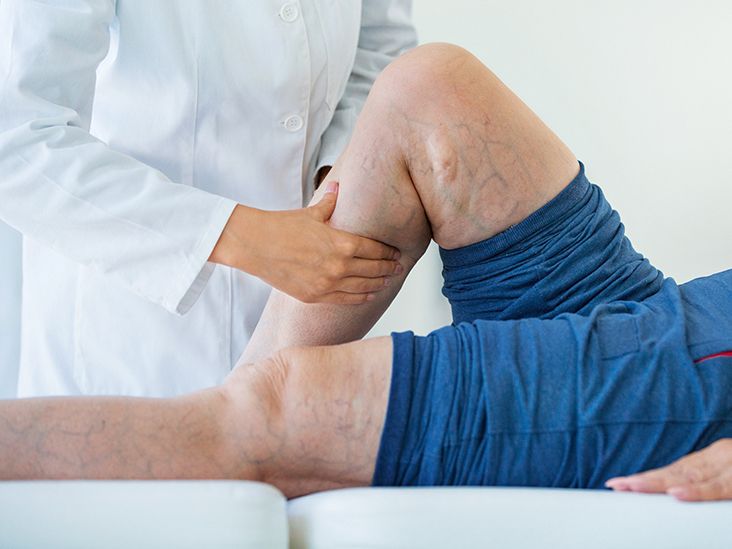
Deep vein thrombosis, often shortened to DVT, sounds like the kind of phrase that belongs in a medical textbook next to a diagram nobody asked to see before breakfast. But DVT is not rare, mysterious, or something only hospital dramas need to worry about. It is a serious blood clot that forms in a deep vein, most often in the leg, and it deserves attention because it can lead to a life-threatening pulmonary embolism if part of the clot breaks loose and travels to the lungs.
The good news is that deep vein thrombosis is often treatable, and in many cases, preventable. The less-good news is that it can be sneaky. Some people have classic symptoms such as leg swelling, pain, warmth, or redness. Others have very few signs at all, which is rude behavior from a condition that clearly should announce itself with a marching band.
This guide explains the definition of deep vein thrombosis, common DVT symptoms, major risk factors, how doctors diagnose it, and the most common treatment options. It also includes practical experiences and real-life examples to help readers understand what DVT can look like outside the exam room.
What Is Deep Vein Thrombosis?
Deep vein thrombosis is a blood clot that forms in one or more of the deep veins of the body. These veins are not the little surface veins you can see under the skin. They are larger vessels located deeper inside the muscles, commonly in the lower leg, thigh, or pelvis. DVT can also occur in the arm, especially after certain medical procedures, injuries, or the placement of central venous catheters.
DVT is part of a broader condition called venous thromboembolism, or VTE. VTE includes both deep vein thrombosis and pulmonary embolism. A pulmonary embolism, or PE, occurs when part of a clot travels through the bloodstream and lodges in the lungs. That is why doctors take DVT seriously even when the leg symptoms appear mild.
Why Blood Clots Form in Deep Veins
Blood is supposed to clot when you cut yourself. Otherwise, a paper cut would turn into a full production. But clotting becomes dangerous when it happens inside a deep vein without a good reason. Doctors often explain DVT using three main clot-forming conditions: slow blood flow, injury to the vein wall, and blood that is more likely than usual to clot.
Slow blood flow can happen after surgery, during long bed rest, or while sitting for many hours on a plane, bus, or car trip. Vein injury may occur after trauma, surgery, or inflammation. Increased clotting tendency can be related to cancer, pregnancy, estrogen-containing medications, inherited clotting disorders, smoking, obesity, or certain chronic illnesses.
Common Symptoms of Deep Vein Thrombosis
The most common DVT symptoms involve one leg, though both legs can be affected in some situations. Symptoms may include swelling, pain, tenderness, warmth, redness, or a heavy aching feeling. The discomfort is often described as cramping or soreness in the calf or thigh. Sometimes the affected area feels tight, as if the leg has decided to wear pants two sizes too small.
Classic signs of DVT include:
- Swelling in one leg, ankle, or foot
- Pain or tenderness in the calf or thigh
- Skin warmth over the affected area
- Red, bluish, or discolored skin
- A heavy, throbbing, or cramping sensation
- Visible surface veins that appear more prominent than usual
However, symptoms alone cannot confirm DVT. Muscle strain, cellulitis, varicose veins, a Baker’s cyst, or an injury can look similar. That is why medical evaluation is important, especially if swelling or pain affects one leg more than the other.
Symptoms That May Signal a Pulmonary Embolism
A pulmonary embolism is a medical emergency. Seek urgent medical help if DVT symptoms are accompanied by sudden shortness of breath, chest pain, coughing blood, rapid heartbeat, fainting, dizziness, or unexplained severe anxiety. The lungs are not a place where blood clots should be sightseeing.
Not every person with DVT develops a pulmonary embolism, but the risk is serious enough that suspected DVT should never be ignored. Prompt diagnosis and treatment can reduce the chance of the clot growing or traveling.
Who Is at Risk for DVT?
Deep vein thrombosis can happen to anyone, but certain situations increase the risk. Some risk factors are temporary, such as surgery or long-distance travel. Others are ongoing, such as cancer, obesity, smoking, or inherited clotting conditions.
Major DVT Risk Factors
- Recent surgery, especially hip, knee, pelvic, or abdominal surgery
- Hospitalization or long periods of bed rest
- Long-distance travel with limited movement
- Pregnancy and the weeks after delivery
- Use of estrogen-containing birth control or hormone therapy
- Active cancer or cancer treatment
- Previous DVT or pulmonary embolism
- Family history of blood clots
- Smoking
- Obesity
- Major injury or trauma
- Central venous catheters or certain IV lines
- Inherited or acquired blood clotting disorders
Risk often rises when several factors stack together. For example, a person recovering from knee surgery who is also sitting still for long periods has a higher risk than someone taking one short flight while otherwise healthy. DVT is not always caused by one dramatic event; sometimes it is more like a group project where every risk factor makes an unhelpful contribution.
How Doctors Diagnose Deep Vein Thrombosis
Doctors diagnose DVT using a combination of medical history, physical examination, risk assessment, blood tests, and imaging. They may ask when symptoms started, whether swelling is one-sided, whether the patient recently traveled or had surgery, and whether there is a history of cancer, pregnancy, hormone use, or previous clots.
D-Dimer Blood Test
A D-dimer test measures a substance released when blood clots break down. A negative D-dimer may help rule out DVT in people with low clinical probability. However, a positive result does not automatically mean DVT is present. D-dimer can be elevated after surgery, injury, infection, pregnancy, inflammation, and many other situations. In short, D-dimer is helpful, but it is not a crystal ball wearing a lab coat.
Duplex Ultrasound
Duplex ultrasound is the most common imaging test for suspected DVT in the leg. It uses sound waves to look at blood flow and check whether a vein can compress normally. A vein that does not compress may contain a clot. Ultrasound is noninvasive, widely available, and usually the first imaging test doctors use when DVT is suspected.
Other Imaging Tests
In certain cases, doctors may use CT venography, MR venography, or other imaging methods, especially when the clot may be in the pelvis, abdomen, chest, or arm, or when ultrasound results are unclear. If pulmonary embolism is suspected, tests such as CT pulmonary angiography or a ventilation-perfusion scan may be considered.
Treatment for Deep Vein Thrombosis
The main goals of DVT treatment are to stop the clot from getting bigger, prevent pulmonary embolism, reduce symptoms, and lower the risk of future clots. Treatment depends on the clot’s location, severity, cause, bleeding risk, kidney function, other medical conditions, and whether the person has had clots before.
Anticoagulant Medicines
Anticoagulants are the most common treatment for deep vein thrombosis. People often call them “blood thinners,” although they do not actually make blood watery. They reduce the blood’s ability to form new clots and help prevent existing clots from growing while the body gradually breaks them down.
Common anticoagulants include direct oral anticoagulants such as apixaban and rivaroxaban, as well as dabigatran and edoxaban in certain situations. Some patients may receive injectable medicines such as low-molecular-weight heparin, unfractionated heparin, or fondaparinux. Warfarin is another option, though it requires regular blood monitoring and careful attention to diet and drug interactions.
Many people with DVT take anticoagulants for at least three months. Some need longer treatment, especially if the clot was unprovoked, recurrent, associated with cancer, or linked to an ongoing risk factor. The decision should be individualized by a healthcare professional because anticoagulants can increase bleeding risk.
Compression Stockings
Graduated compression stockings may be recommended for some people to reduce swelling and discomfort. They apply more pressure near the ankle and gradually less pressure higher up the leg, helping blood move upward toward the heart. They are not glamorous, but neither is a swollen calf, so fashion takes a temporary back seat.
Thrombolytic Therapy
Thrombolytic medicines, sometimes called clot-busting drugs, may be used in select severe cases, such as limb-threatening DVT or life-threatening pulmonary embolism. These medicines can dissolve clots quickly but carry a higher risk of serious bleeding, so they are not used routinely for every DVT.
Inferior Vena Cava Filters
An inferior vena cava filter, or IVC filter, is a small device placed in the body’s largest vein to help catch clots before they reach the lungs. It may be considered when a person cannot safely take anticoagulants or has clots despite appropriate treatment. Filters are not first-line treatment for most patients and should be used only when medically appropriate.
Activity and Recovery
In the past, people with DVT were often told to stay in bed. Today, many patients are encouraged to walk and stay active once treatment has started and their clinician says it is safe. Movement helps circulation and may support recovery. Still, activity plans should be personalized, especially after surgery, major illness, or severe symptoms.
Preventing Deep Vein Thrombosis
DVT prevention focuses on keeping blood moving and reducing clotting risk when possible. Hospital patients may receive preventive anticoagulants, compression devices, or early walking after surgery. Travelers can reduce risk by standing, stretching, flexing the ankles, drinking fluids, and avoiding long periods of motionless sitting.
Practical Prevention Tips
- Move your legs during long trips and take walking breaks when possible.
- Stay hydrated, especially during travel or illness.
- Follow post-surgery instructions about walking and medications.
- Avoid smoking, which can raise clotting and vascular risk.
- Discuss clot risk before starting hormone therapy or estrogen-containing birth control.
- Wear compression stockings if recommended by a healthcare professional.
- Tell your doctor if you have a personal or family history of blood clots.
Prevention is especially important for people who have had DVT before. A previous clot is one of the strongest predictors of future clots. That does not mean a second clot is guaranteed, but it does mean prevention deserves a permanent seat at the planning table.
Living With and Recovering From DVT
Recovery from deep vein thrombosis varies. Some people feel better within days or weeks after starting treatment. Others have lingering swelling, heaviness, discoloration, or discomfort for months. A possible long-term complication is post-thrombotic syndrome, which can cause chronic leg pain, swelling, skin changes, and in severe cases, ulcers.
Patients taking anticoagulants should understand bleeding precautions. This may include avoiding certain over-the-counter medicines unless approved, watching for unusual bruising or bleeding, using a soft toothbrush, being careful with sharp tools, and telling dentists or surgeons about blood thinner use before procedures.
When to Call a Doctor
Call a healthcare professional promptly if you notice unexplained swelling, pain, redness, or warmth in one leg or arm, especially if you recently had surgery, traveled, were hospitalized, gave birth, started hormone therapy, or have a history of clots. Seek emergency care for chest pain, sudden shortness of breath, fainting, rapid heartbeat, or coughing blood.
Deep vein thrombosis is not a “wait and see if the calf stops being dramatic” condition. It is better to be evaluated and discover it is a muscle strain than to ignore a clot that needs treatment.
Real-Life Experiences and Practical Lessons About DVT
One of the tricky things about deep vein thrombosis is that it does not always arrive with obvious warning signs. Many people imagine DVT as sudden, severe leg pain, but real-life experiences can be much quieter. A person may notice that one calf feels tighter than the other after a long flight. Another may think swelling after surgery is normal until the swelling becomes one-sided, warm, and uncomfortable. Someone else may assume calf pain is from exercise, only to realize later that the “pulled muscle” was not improving with rest.
Consider a common travel-related example. A healthy adult takes a long international flight, sleeps awkwardly, barely moves, and drinks more coffee than water. The next day, one leg feels heavy and swollen. It is tempting to blame the seat, the suitcase, or the heroic effort of walking through a giant airport. But if swelling is mostly on one side, especially with warmth or calf tenderness, it is worth getting medical advice. Travel does not automatically cause DVT, but long immobility can raise risk, particularly when combined with dehydration, hormone use, recent surgery, or past clot history.
Another real-world situation involves recovery after orthopedic surgery. After knee or hip surgery, some swelling is expected. That makes DVT harder to recognize because the leg is already complaining like it has a microphone. The key is to follow the surgeon’s instructions, take preventive medication if prescribed, and report symptoms that seem unusual, worsening, or one-sided. Early walking, ankle pumps, compression devices, and prescribed anticoagulants may all be part of prevention. Skipping these steps because “I feel fine” is a little like refusing an umbrella because the rain has not started yet.
Pregnancy and the postpartum period also create special DVT concerns. Blood naturally becomes more prone to clotting during pregnancy, and pressure from the growing uterus can slow blood return from the legs. After delivery, clot risk remains elevated for a period of time. A pregnant or postpartum person with one-sided leg swelling, calf pain, or sudden shortness of breath should seek medical care quickly. It is not about panic; it is about respecting a known risk window.
People diagnosed with DVT often describe emotional stress along with physical symptoms. Starting anticoagulants can feel intimidating. Patients may worry about bleeding, exercise, travel, work, and whether the clot will disappear. A helpful approach is to ask direct questions: How long will I need treatment? What bleeding signs should I watch for? Can I exercise? Do I need compression stockings? Should my family be tested for clotting disorders? Are there medications or supplements I should avoid? Good care is not just receiving a prescription; it is understanding the plan well enough to live with it.
Daily habits matter after diagnosis. Many patients benefit from gentle walking as approved by their clinician, elevating the leg when resting, taking medication exactly as prescribed, and keeping follow-up appointments. Missing anticoagulant doses can reduce protection, while doubling doses without instructions can increase danger. Blood thinners are not casual vitamins; they are serious medicines with serious benefits when used correctly.
The biggest practical lesson is simple: listen to asymmetry. One swollen calf, one painful thigh, one unusually warm leg, or one arm that suddenly looks different from the other deserves attention. Bodies are rarely perfectly symmetrical, but sudden one-sided changes are the kind of clue clinicians take seriously. DVT may be treatable, but treatment works best when the clot is found before it causes bigger trouble.
Conclusion
Deep vein thrombosis is a blood clot in a deep vein, usually in the leg, that can cause swelling, pain, warmth, redness, or no obvious symptoms at all. Its most dangerous complication is pulmonary embolism, which can be life-threatening. Risk factors include surgery, long immobility, hospitalization, pregnancy, cancer, hormone therapy, obesity, smoking, prior clots, and inherited clotting conditions.
Diagnosis usually involves clinical evaluation, D-dimer testing when appropriate, and duplex ultrasound. Treatment commonly includes anticoagulant medicines, and some patients may need compression stockings, procedures, thrombolytic therapy, or IVC filters depending on severity and medical circumstances. The most important takeaway is this: do not ignore possible DVT symptoms, especially one-sided swelling or pain. When in doubt, let a medical professional sort it out. Your veins may be quiet, but they are doing important work.