Black clothes are the heroes of the closet. They make outfits look polished, hide tiny coffee accidents, and somehow convince everyone that you “planned” your look even when you got dressed in seven minutes. But after a few rounds in the washer, that sharp black T-shirt can start looking like it has been emotionally drained. Black jeans turn charcoal. Black hoodies become mysterious grayish shadows. Your favorite little black dress begins whispering, “I have seen things.”
The good news? Fading is not totally unavoidable. Yes, black dye naturally loses intensity over time, especially with friction, heat, detergent residue, sunlight, and repeated washing. But with the right laundry habits, you can slow that process dramatically. Think of it as skincare for your wardrobe: gentle treatment, smart products, and less unnecessary stress.
This guide explains how to keep black clothes from fading using 11 practical hacks you can start today. No complicated chemistry degree required. Just a few laundry-room upgrades, smarter washing choices, and a little respect for the dark side of your closet.
Why Do Black Clothes Fade So Fast?
Black clothing fades because dye gradually loosens from fabric fibers. Several everyday habits speed up that process. Hot water can open fibers and encourage dye loss. Aggressive wash cycles create friction that rubs the surface of fabric. Too much detergent may leave residue, making clothes look dull. High dryer heat can weaken fibers and make colors appear washed out. Sunlight, especially direct UV exposure, can also lighten dark fabric.
Different materials fade in different ways. Cotton black T-shirts may lose color from repeated washing and surface abrasion. Black denim often fades along seams, thighs, and knees because those areas receive more friction. Synthetic fabrics may hold dye well but can collect residue or lint that makes them appear gray. The trick is not one magical product. It is a routine that protects color from wash basket to closet.
How to Keep Black Clothes from Fading: 11 Helpful Hacks
1. Wash Black Clothes Less Often
The easiest way to prevent fading is also the one nobody wants to hear: wash black clothes only when they truly need it. Every wash exposes fabric to water, detergent, agitation, and drying. That does not mean you should wear a gym shirt until it develops its own personality. But many black garments, such as jeans, jackets, sweaters, and lightly worn tops, do not need washing after one short wear.
Try airing items out between wears. Hang black jeans or sweaters on a chair, drying rack, or hanger overnight. For mild odors, use a fabric refresher spray made for clothing or steam the garment lightly. Spot-clean small marks instead of tossing the whole item into the washer. Less washing means less dye loss, less pilling, and fewer sad laundry surprises.
2. Sort Darks Like You Mean It
Sorting laundry is not just about protecting white socks from becoming “modern art pink.” It also protects black clothes from lint, dye transfer, and abrasive fabrics. Wash black clothes with other dark items, such as navy, charcoal, deep brown, dark green, and dark red. Avoid washing black clothing with towels, fleece blankets, or light-colored lint factories. Nothing ruins black leggings faster than a white towel shedding like a nervous cat.
Sorting by fabric weight matters too. Heavy jeans can rub against soft black T-shirts and create fading or fuzziness. Wash delicate black blouses, knits, and activewear separately from rugged denim, hoodies, or work pants. Your clothes will come out cleaner and with less surface damage.
3. Turn Black Clothes Inside Out
This tiny habit makes a big difference. Turning black clothes inside out before washing protects the outer surface from friction. The inside of the garment takes most of the rubbing from the washer drum, zippers, buttons, and other fabrics. That helps preserve the visible color and finish.
This hack is especially useful for black jeans, printed black T-shirts, hoodies, leggings, and anything with graphics, embroidery, or decorative details. It also helps clean the inside of the garment, where sweat, body oils, deodorant, and skin cells usually collect. In other words, inside-out washing protects the outside while cleaning the part that actually did the hard work.
4. Use Cold Water for Most Black Laundry
Cold water is one of the best ways to keep black clothes black. Hot water may clean heavily soiled items effectively, but it can also encourage fading, shrinking, and fabric wear. For most everyday black laundry, cold water is enough when paired with a quality detergent and the correct wash cycle.
Cold water is especially helpful for dark cotton, denim, synthetic blends, athletic clothes, and delicate fabrics. If an item is heavily soiled, stained with oil, or needs sanitizing, check the care label and treat the stain first. But for regular wear, cold water is the safe default. Your clothes keep their color longer, and your energy bill may behave better too. A rare laundry win-win.
5. Choose a Gentle or Short Wash Cycle
Long, aggressive cycles can beat up black clothes. The more fabric rubs against fabric, the more surface fibers break, fuzz, and reflect light differently. That is one reason faded black clothing often looks dusty or gray even when it is technically clean.
Use the shortest cycle that still gets the clothing clean. For lightly worn black items, a gentle, delicate, or normal cold cycle is usually enough. Reserve heavy-duty cycles for truly dirty work clothes, muddy garments, or items that can handle stronger agitation. Black clothes do not need a washing machine wrestling match every time they meet a splash of city air.
6. Use Detergent Made for Cold Water or Dark Colors
The right detergent can help black clothes stay fresh without stripping color. Look for liquid detergent designed for cold water, dark colors, or color protection. Liquid detergents tend to dissolve well in cold water, which helps reduce residue. Some detergents for dark clothing are formulated to minimize fading and keep fabrics looking richer.
Avoid detergents that contain chlorine bleach. Also be careful with strong whitening formulas, powdered boosters, or harsh stain fighters unless the care label and product directions say they are safe for dark clothing. When in doubt, choose mild and color-safe. Black fabric does not need a cleaning product with the energy of a pressure washer.
7. Measure Detergent Carefully
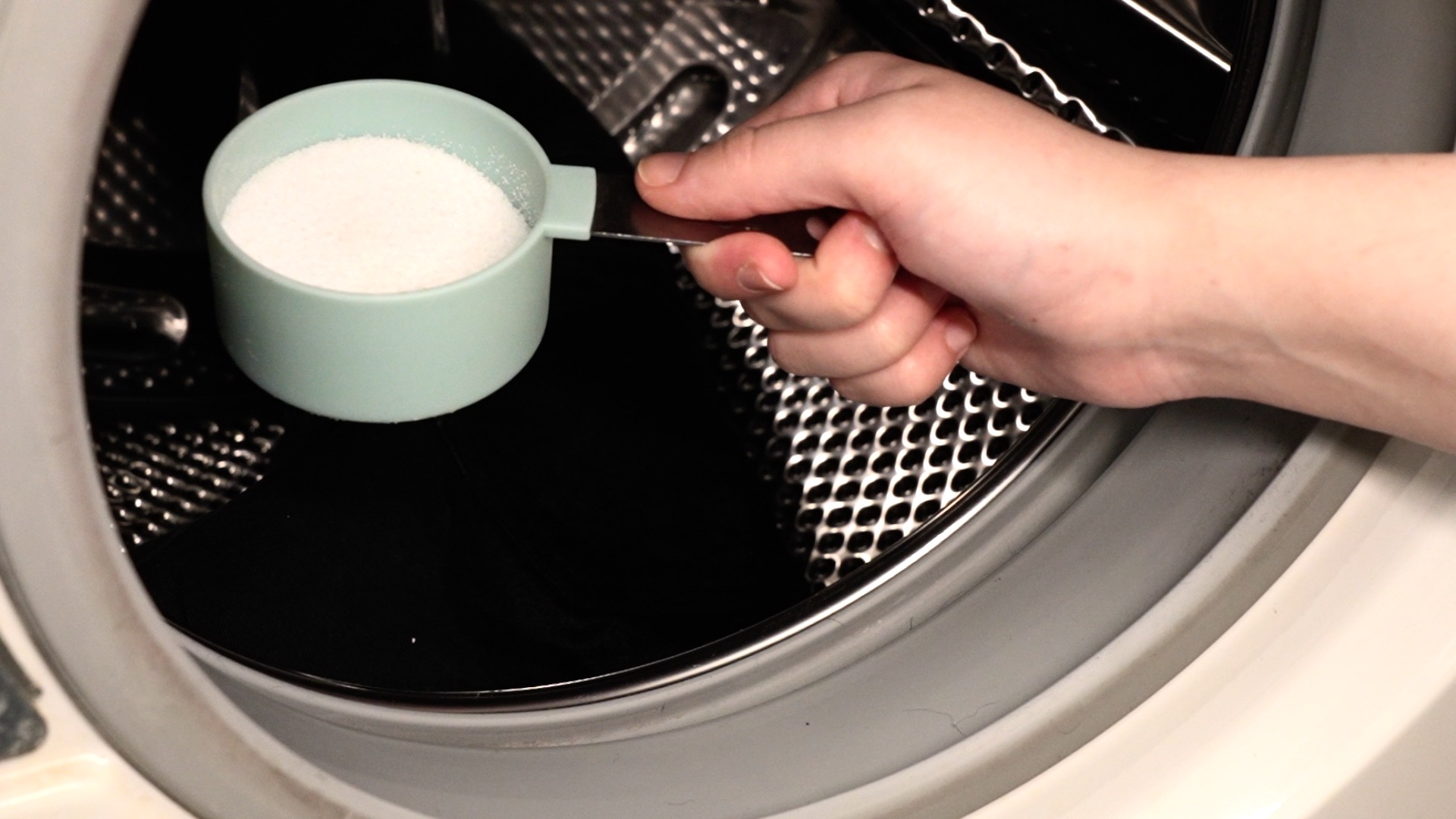
More detergent does not mean cleaner clothes. In fact, too much detergent can leave residue that makes black clothing look dull, stiff, or cloudy. Modern washing machines, especially high-efficiency models, use less water than older machines. That means excess detergent may not rinse out completely.
Always follow the detergent label and adjust for load size, soil level, and water hardness. For small or lightly soiled loads, you may need less than the cap suggests. If your black clothes feel crunchy, look dusty after washing, or develop pale streaks, detergent buildup may be the problem. Try using less detergent and adding an extra rinse when needed.
8. Do Not Overload the Washer
A packed washer is bad news for black clothes. When garments cannot move freely, detergent and water cannot circulate properly. Clothes may rub harder against each other, rinse poorly, and come out with streaks, lint, or residue. Overloading also increases friction, which is one of the fastest roads to faded fabric.
Give black clothes room to tumble. A good rule is to leave enough space at the top of the drum so items can move comfortably. Smaller loads may feel less efficient, but they often clean better and protect your clothes longer. Your black jeans should not have to fight a hoodie, three towels, and a mystery sock for personal space.
9. Skip High Heat in the Dryer
Dryer heat can fade, shrink, and weaken fabric over time. High heat is especially rough on black cotton, denim, spandex blends, and delicate knits. If you use the dryer, choose low heat, air-fluff, or a gentle setting. Remove clothes while they are slightly damp to reduce heat exposure and wrinkles.
Air-drying is often better for black clothes. Hang items indoors, lay sweaters flat, or use a drying rack away from direct sunlight. Avoid hanging heavy black knits by the shoulders, because they may stretch. For black jeans, hang them inside out by the waistband or lay them flat if you want to reduce creasing.
10. Keep Black Clothes Out of Direct Sunlight
Sunlight can naturally brighten white laundry, but it is not a friend to black clothing. Direct UV exposure can fade dark fabrics, especially if clothes are left outside for hours. If you air-dry black clothes, choose shade or indoor airflow instead of blazing sun.
This rule also applies to storage. Do not leave black clothes hanging near sunny windows for long periods. A black jacket stored in direct light can fade unevenly, creating lighter shoulders or sleeves. Closets, garment bags, drawers, and shaded racks help preserve dark color.
11. Use Vinegar Carefully to Reduce Residue
White vinegar is often mentioned as a laundry helper because it can reduce odors and help remove some residue. For black clothes, a small amount in the rinse cycle may help fabric feel cleaner and less coated. However, vinegar is not magic ink. It will not restore faded black dye, and too much acidic product used too often may not be ideal for every machine or fabric.
If you use vinegar, keep it moderate. Add it to the fabric softener dispenser or rinse cycle, not directly onto clothing. Avoid mixing vinegar with bleach or other cleaning chemicals. Also check your washer manual, especially if you have a high-efficiency or specialty machine. Used sensibly, vinegar can be a helpful occasional tool, not a daily laundry personality trait.
Extra Tips for Specific Black Clothing
Black Jeans
Black jeans are famous for fading because denim naturally loses dye with wear and washing. Wash them inside out, use cold water, choose a gentle cycle, and air-dry when possible. Wash them less often than T-shirts unless they are dirty or stretched out. For brand-new black jeans, wash separately the first few times to avoid dye transfer.
Black T-Shirts
Black cotton T-shirts fade from friction, sweat, deodorant, and heat. Turn them inside out, wash in cold water, and avoid over-drying. If the underarm area needs attention, pre-treat it gently before washing instead of using a hotter cycle on the entire shirt.
Black Activewear
Black leggings and workout tops often contain spandex or performance fibers. These fabrics dislike high heat and heavy softeners. Wash inside out in cold water, use a detergent suitable for activewear if odor is an issue, and air-dry to protect stretch and color.
Black Sweaters
Black sweaters can pill, stretch, and fade if handled roughly. Wash them on a delicate cycle or by hand if the care label recommends it. Use a mesh laundry bag for extra protection, reshape while damp, and dry flat. Never hang a wet sweater unless you enjoy accidental fashion experiments.
Common Mistakes That Make Black Clothes Fade Faster
Many fading problems come from habits that seem harmless. Washing everything together is convenient, but black clothes collect lint and rub against rough items. Using hot water feels powerful, but it often causes unnecessary color loss. Pouring extra detergent seems logical, but residue can make black fabric look dull. Drying on high heat saves time, but it can shorten the life of the garment.
Another mistake is waiting too long to treat stains. If a black shirt gets deodorant marks, food oil, or makeup on it, treat the affected area before washing. Do not automatically increase water temperature or use harsh products on the whole garment. Target the stain, protect the fabric, and keep the drama local.
Can You Restore Faded Black Clothes?
Once black dye has faded, washing cannot truly restore it. You can improve the look by removing lint, detergent residue, or mineral buildup, but lost dye is lost dye. A fabric shaver may help if pilling makes the garment look gray. An extra rinse can help if detergent residue is dulling the surface. For severely faded items, fabric dye may be an option if the material is dye-friendly, but results vary.
The best strategy is prevention. Treat black clothes gently from the beginning, especially during the first few washes. New dark garments may release extra dye, so wash them with similar colors and avoid heat. The first wash sets the tone, like a first date but with fewer awkward questions and more lint traps.
A Simple Black Laundry Routine That Works
Here is an easy routine for keeping black clothes from fading. First, check the care label. Second, sort black and dark clothes together by fabric weight. Third, turn items inside out and zip zippers to reduce snagging. Fourth, use cold water, a color-safe liquid detergent, and a gentle or short cycle. Fifth, avoid overloading the washer. Sixth, air-dry indoors or use low heat. Finally, store black clothes away from direct sunlight.
This routine does not require expensive equipment or a laundry room that looks like a lifestyle magazine. It simply reduces the biggest fading triggers: heat, friction, residue, sunlight, and over-washing.
Personal Experience: What Actually Helps Black Clothes Stay Black Longer
After dealing with plenty of black shirts that slowly transformed into “vintage storm cloud,” I learned that keeping dark clothes dark is less about one miracle hack and more about consistency. The biggest change was switching nearly all black laundry to cold water. At first, I worried cold water would not clean well enough, especially for everyday T-shirts. But when paired with a good liquid detergent and a normal or gentle cycle, most items came out fresh without looking beaten up. The color difference over time was noticeable, especially on black cotton shirts.
Turning clothes inside out also became a non-negotiable habit. It takes two seconds, but it protects the side everyone sees. Black jeans, graphic tees, hoodies, and leggings all hold up better when the outer surface is not constantly rubbing against the washer drum. This is especially true for black denim. The seams and knees still fade eventually, because jeans live a rough life, but the overall color stays deeper much longer.
Another lesson: the dryer is convenient, but it is not always kind. Air-drying black clothes indoors has made a major difference. A drying rack may not be glamorous, but neither is pulling a shrunken black shirt from the dryer and realizing it now belongs to a stylish raccoon. For heavy items like jeans or hoodies, drying takes longer, but low heat or partial air-drying helps reduce fading and fabric stress.
Using less detergent was also a surprising win. Many people pour detergent like they are seasoning soup: a little extra “just in case.” But too much detergent can leave black clothes looking dusty or flat. Measuring detergent more carefully helped black clothes rinse cleaner and feel softer. When clothes seemed dull, an extra rinse worked better than adding more product.
I also learned to stop washing black jeans after every wear. Unless they are sweaty, stained, or stretched out, they can usually be aired out and worn again. This one habit alone extends their life. The same goes for black sweaters and jackets. Washing less often does not mean ignoring cleanliness; it means using judgment. A shirt worn all day in summer needs washing. A black cardigan worn for two hours in an air-conditioned room probably does not need a full laundry ceremony.
Finally, storage matters more than expected. Black clothes left near sunny windows can fade unevenly, especially jackets and shirts on exposed hangers. Keeping dark garments in shaded closets or drawers prevents random light patches. It is a small detail, but black clothing is dramatic by nature. Give it a dark corner and it thrives.
The best overall experience-based advice is simple: treat black clothes like they are slightly fancy, even when they are just basic tees. Wash them cold, reduce friction, avoid high heat, measure detergent, and do not wash them more than necessary. Do that, and your black wardrobe will stay sharper, richer, and far less likely to join the faded-gray witness protection program.
Conclusion
Learning how to keep black clothes from fading is really about building smarter laundry habits. Cold water protects dye. Inside-out washing reduces friction. Gentle cycles prevent surface wear. The right amount of detergent avoids dull residue. Low-heat drying or air-drying protects fibers. Careful sorting keeps lint and dye transfer under control. Together, these small changes help black clothes look newer for longer.
No garment stays perfect forever, but your favorite black jeans, T-shirts, dresses, sweaters, and hoodies do not have to fade after a few washes. Treat them gently, wash them only when needed, and keep them away from unnecessary heat and sunlight. Your closet’s darkest pieces will reward you by staying crisp, stylish, and ready for whatever outfit emergency life throws at you.