Note: This article is written for general educational purposes and reflects mainstream Islamic guidance. Prayer details can vary slightly by madhhab, local community, and teacher, so beginners should follow a qualified scholar or trusted local imam for specific rulings.
How Many Rakats Are in Asr?
Asr prayer has 4 fard rakats. That is the core answer, the one you want to remember if you are standing there with your prayer mat unfolded and your brain suddenly acts like it has never met a rakat before.
In simple terms, Asr is the obligatory afternoon prayer in Islam, and the required part is four rakats. These four rakats are prayed silently, meaning the recitation is not spoken aloud the way it is in Fajr, Maghrib, and Isha for certain rakats.
Some Muslims also pray 4 optional sunnah rakats before Asr. These are not fard, and they are generally understood as voluntary or non-emphasized sunnah according to many scholars. So, if someone asks, “Is Asr 4 or 8 rakats?” the clean answer is: Asr is 4 obligatory rakats, and some people add 4 optional rakats before it.
Quick Rakat Breakdown for Asr Prayer
| Part of Asr | Number of Rakats | Status |
|---|---|---|
| Sunnah before Asr | 4 rakats | Optional / recommended by some scholars |
| Fard Asr | 4 rakats | Obligatory |
| Sunnah after Asr | None as a regular sunnah | Not part of the regular Asr prayer |
What Is Asr Prayer?
Asr is the third of the five daily prayers. It comes after Dhuhr and before Maghrib. The word “Asr” is commonly associated with the afternoon period, and spiritually, it arrives at a very interesting part of the day: when people are busy, tired, distracted, or counting the minutes until dinner.
That is exactly why Asr carries such weight. It interrupts the busiest part of life and says, gently but firmly, “Pause. Remember Allah. Your inbox can wait.”
The five daily prayers in Islam are Fajr, Dhuhr, Asr, Maghrib, and Isha. Each prayer has its own time window and number of rakats. Asr specifically consists of four fard rakats and is performed in the late afternoon before sunset.
When Is Asr Prayer Time?
Asr begins in the afternoon after Dhuhr time ends and continues until sunset. However, Muslims are encouraged not to delay it unnecessarily. The exact Asr time depends on your location, date, and calculation method.
There is also a known difference between the Hanafi school and other major schools regarding the beginning of Asr time. In many communities, Asr begins when an object’s shadow reaches the same length as the object, after accounting for the midday shadow. In the Hanafi school, Asr begins later, when the shadow becomes twice the object’s length, again after accounting for the midday shadow.
For everyday practice, the easiest and safest approach is to check your local mosque timetable or a reliable prayer time app. If you travel, update your location. Prayer apps are helpful, but they are not psychic. If your phone thinks you are still in Chicago while you are actually in Dallas, your Asr reminder may become a tiny theological adventure.
Why Is Asr Prayer Important?
Asr is not just “the afternoon prayer.” It is one of the prayers that Islamic teachings strongly emphasize. The Quran instructs believers to guard the prayers, especially the middle prayer, which many scholars identify as Asr. This has made Asr especially meaningful in Muslim devotional life.
The timing also matters. Asr falls when people are often absorbed in work, school, errands, traffic, cooking, parenting, or the mysterious daily event known as “Where did I put my keys?” Praying Asr on time becomes a sign of discipline, remembrance, and love for Allah even when life is loud.
In a practical sense, Asr helps divide the day. It gives Muslims a spiritual reset before evening. Instead of letting the day slide from productivity into exhaustion, Asr creates a moment of calm, focus, and humility.
How to Pray Asr: Step-by-Step Guide
The following guide explains how to pray the 4 fard rakats of Asr. This is a beginner-friendly overview and avoids overly technical differences. If your community follows a specific school of Islamic law, continue learning from your imam or teacher.
Step 1: Make Wudu
Before prayer, make sure you have wudu, the ritual purification required for salah. Wudu includes washing the hands, mouth, nose, face, arms, wiping the head, and washing the feet in the proper order. If your wudu is already valid, you do not need to repeat it.
Step 2: Dress Properly and Choose a Clean Place
Wear clothing that covers the awrah and is clean. Pray in a clean area, whether that is a mosque, home, office prayer room, school corner, or a quiet place where you can focus. A prayer mat is helpful, but it is not magic carpet technology. Clean ground is enough when needed.
Step 3: Face the Qibla
Stand facing the Qibla, the direction of the Kaaba in Makkah. If you are unsure, use a Qibla app, mosque sign, compass, or ask someone nearby. Do your best. Islam does not require panic-spinning in circles with your phone like you are trying to summon Wi-Fi from the sky.
Step 4: Make the Intention
In your heart, intend to pray the 4 fard rakats of Asr for Allah. You do not need to say the intention out loud, although some communities teach beginners to verbalize it for focus. The essential point is that you know what you are praying.
Step 5: Begin with Takbir
Raise your hands and say, “Allahu Akbar.” This begins the prayer. Place your right hand over your left while standing, according to the practice you have learned from your school or teacher.
Step 6: First Rakat
Recite the opening supplication if you know it. Then recite Surah Al-Fatihah silently, followed by another short surah or verses from the Quran. Since Asr is a silent prayer, the recitation is not said aloud.
Then say “Allahu Akbar” and bow into ruku. In ruku, glorify Allah, commonly by saying “Subhana Rabbiyal Adheem.” Rise back up, then go into sujood. In sujood, say “Subhana Rabbiyal A’la.” Sit briefly, then perform the second sujood. After that, stand for the second rakat.
Step 7: Second Rakat
In the second rakat, again recite Surah Al-Fatihah silently and then another short surah or verses. Complete ruku and the two sujoods as before.
After the second sujood, sit and recite the tashahhud. In a four-rakat fard prayer, this is the first sitting. After the tashahhud, stand for the third rakat.
Step 8: Third Rakat
In the third rakat of the fard Asr prayer, recite Surah Al-Fatihah silently. Many standard teachings do not require adding another surah in the third and fourth rakats of fard prayers. Then complete ruku and the two sujoods.
Step 9: Fourth Rakat
Stand for the fourth rakat and recite Surah Al-Fatihah silently. Complete ruku and the two sujoods. After the second sujood, sit for the final sitting.
Step 10: Final Sitting and Salam
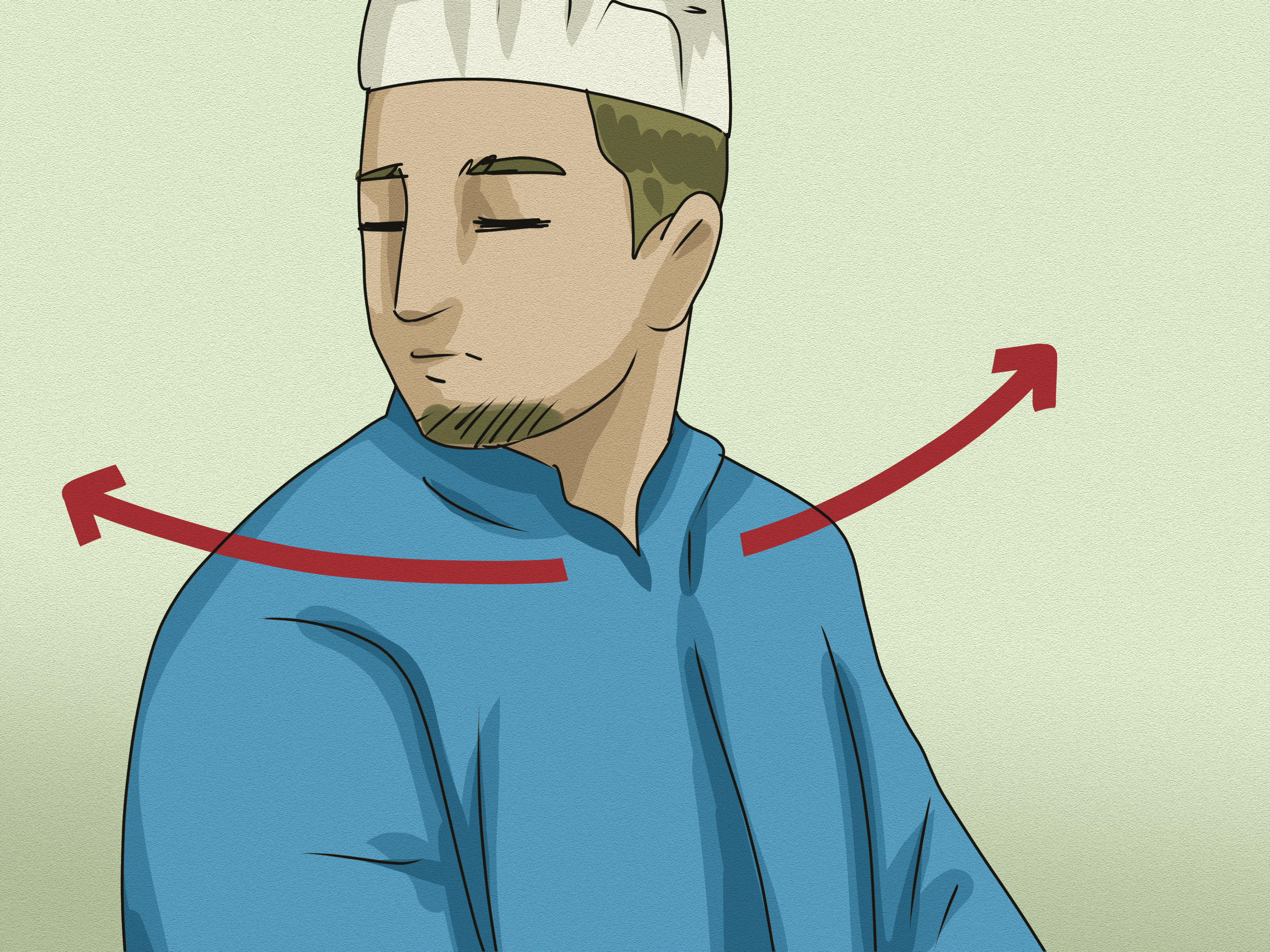
In the final sitting, recite the tashahhud, salawat upon the Prophet Muhammad, and a dua if you know one. Then end the prayer by turning your head to the right and saying “Assalamu alaikum wa rahmatullah,” and then to the left saying the same.
That completes the 4 fard rakats of Asr.
Do You Pray Sunnah Before Asr?
Many Muslims pray 4 sunnah rakats before Asr. These are voluntary and are often described as non-emphasized sunnah. The fard rakats are the required part. If you are new to prayer and trying to build consistency, prioritize the fard first. Once the obligatory prayer becomes steady, adding voluntary prayers can become a beautiful way to deepen worship.
It is important not to confuse the optional sunnah before Asr with the fard prayer itself. Missing the optional rakats is not the same as missing Asr. The fard prayer is the foundation.
Do You Pray Sunnah After Asr?
As a regular practice, there is no established sunnah prayer after Asr like there is after Maghrib or Isha. Many scholars also teach that voluntary prayers should generally be avoided after the Asr fard until Maghrib, except for specific prayers with a valid reason according to scholarly details.
For beginners, the simple rule is this: pray the 4 fard rakats of Asr, and if you want to add extra worship, pray the optional 4 rakats before Asr rather than after it.
Common Mistakes Beginners Make When Praying Asr
Thinking Asr Has 3 Rakats
Maghrib has 3 fard rakats. Asr has 4 fard rakats. Mixing them up is common for beginners, especially when learning all five prayers at once. A simple memory trick: Dhuhr, Asr, and Isha each have 4 fard rakats. Fajr has 2, Maghrib has 3.
Praying Asr Out Loud
Asr is prayed silently. You still recite Quran, but not aloud. This is different from Fajr, where the recitation is audible, and Maghrib and Isha, where the first two rakats are audible in congregational prayer.
Waiting Until the Last Minute
Delaying Asr until right before sunset is a bad habit to build. Yes, life gets busy. Yes, meetings run long. Yes, the afternoon can attack like a caffeinated squirrel. But Asr deserves planning. Set reminders, block a few minutes, and protect the prayer window.
Confusing Optional Rakats with Required Rakats
The required Asr prayer is 4 fard rakats. Optional prayers are spiritually valuable, but they should not make the prayer feel impossible. Start with what is required and grow gradually.
How Long Does Asr Prayer Take?
For most people, the 4 fard rakats of Asr take around five to ten minutes. If you are praying slowly with reflection, it may take longer, and that is perfectly fine. Salah is not a race. Nobody gets bonus points for finishing like they are double-parked outside the masjid.
The goal is presence, humility, and correctness. Pray at a calm pace. Let each posture settle. Give your heart a chance to catch up with your body.
Can You Pray Asr at Work or School?
Yes. Asr can be prayed wherever there is a clean and appropriate space. Many Muslims pray at work, school, airports, parks, rest stops, or even a quiet corner of a building. You do not need a perfect prayer room to pray. You need cleanliness, modesty, direction, and sincerity.
If you are nervous about praying in public, start by finding a discreet place. Many workplaces and campuses have meditation rooms, wellness rooms, or interfaith spaces. You can also speak with a supervisor or administrator if you need a few minutes for prayer. In many cases, people are more understanding than we expect.
Can Women Pray Asr the Same Way?
Women also pray 4 fard rakats for Asr. The number of rakats does not change. Some details of posture may be taught differently depending on school or community, but the structure of the Asr prayer remains four obligatory rakats.
Women do not pray during menstruation or postnatal bleeding, and those missed prayers are not made up later. Outside of those times, Asr remains part of the five daily prayers.
Can Travelers Shorten Asr?
In Islamic law, travelers may shorten certain four-rakat prayers to two rakats, depending on travel distance, intention, and other conditions explained by scholars. Asr is one of the prayers that may be shortened during valid travel.
For non-travel situations, Asr is prayed as 4 fard rakats. If you travel often, it is best to learn the rules of shortening and combining prayers from a reliable teacher, because the details can vary by school of thought.
Simple Memory Guide for the Five Daily Fard Prayers
| Prayer | Fard Rakats | Time |
|---|---|---|
| Fajr | 2 | Before sunrise |
| Dhuhr | 4 | After midday |
| Asr | 4 | Late afternoon |
| Maghrib | 3 | After sunset |
| Isha | 4 | Night |
Practical Tips for Praying Asr Consistently
Set a Reminder Before the Time Gets Tight
Do not set your only reminder five minutes before Maghrib. That is not a reminder; that is a spiritual fire alarm. Set one reminder when Asr begins and another halfway through the window if needed.
Keep a Small Prayer Kit
A compact prayer mat, clean socks, and a small bottle for wudu can make Asr easier when you are away from home. Keep them in your car, backpack, desk drawer, or travel bag.
Learn Short Surahs Well
Memorize a few short surahs clearly and correctly. This helps you pray with confidence instead of mentally juggling pronunciation, sequence, and panic all at once.
Build the Habit Around Existing Routines
Attach Asr to something you already do. For example, pray before leaving work, before school pickup, before your afternoon walk, or before starting dinner prep. Habits stick better when they have a natural anchor.
Personal Experiences and Reflections on Learning Asr Prayer
For many Muslims, Asr is the prayer that reveals how real the daily prayer habit has become. Fajr requires waking up, which is its own heroic saga. Maghrib has a clear sunset cue. Isha comes when the day is slowing down. But Asr? Asr often arrives when life is in full sprint.
That is why learning to pray Asr consistently can feel like a turning point. It teaches you that salah is not something squeezed into life only when convenient. It is something that gives life shape. The afternoon may be full of emails, errands, exams, deadlines, customers, chores, or children asking questions with the investigative intensity of courtroom lawyers. Yet Asr gently asks for a pause.
One common experience for beginners is feeling awkward about praying outside the home. A person may know that Asr is 4 rakats, know how to pray it, and still feel nervous when the time comes at work or school. That nervousness is normal. The first time someone asks, “Is there a place I can pray for a few minutes?” it may feel like a mountain. After a few times, it becomes easier. Eventually, it becomes part of the rhythm of the day.
Another experience is realizing that Asr protects the heart from autopilot. Afternoons can blur. You start with one task, then another, then another, and suddenly the day has disappeared like a cookie near a toddler. Asr interrupts that blur. It creates a moment to wash, stand, bow, prostrate, breathe, and remember that productivity is not the same thing as purpose.
Some people find Asr difficult because it competes with low energy. The body may be tired, especially after lunch, classes, or work. That is when the prayer becomes especially meaningful. You are not praying because you feel perfectly spiritual. You are praying because Allah is worthy of worship in every state: energized, sleepy, calm, stressed, focused, or mildly confused about why your calendar has three meetings with the same title.
Parents may experience Asr differently. It may happen during school pickup, homework time, snack negotiations, or the dramatic search for a missing shoe. In that setting, praying Asr can teach children something powerful. They see that prayer is not just a weekend activity or a Ramadan decoration. It is part of normal life. Even if the prayer is short and the house is noisy, the message is clear: Allah comes first.
Students may also find Asr to be a grounding habit. Between lectures, labs, exams, sports, and social pressure, Asr becomes a spiritual checkpoint. It reminds a student that grades matter, but they are not the whole identity. A five-minute prayer can soften anxiety and bring perspective before the next assignment or test.
For working adults, Asr can become a quiet act of resistance against burnout. Instead of letting the workday consume every inch of attention, the believer steps away and reconnects with Allah. That pause can actually make the rest of the day better. The inbox is still there afterward, of course. The inbox is always there. But the heart returns to it with a little more balance.
The most beautiful experience of Asr may be its consistency. Day after day, in different places and moods, Muslims stand for the same 4 fard rakats. Sometimes the prayer feels deeply moving. Sometimes it feels simple and ordinary. Both matter. Faith is not built only in dramatic moments. It is built in repeated acts of obedience, including one afternoon prayer at a time.
Conclusion
So, how many rakats are in Asr? The answer is clear: Asr has 4 fard rakats. Some Muslims also pray 4 optional sunnah rakats before Asr, but the required prayer is the four-rakat fard. Asr is prayed silently, during the late afternoon, before Maghrib begins.
Learning how to pray Asr is not just about memorizing movements. It is about building a daily relationship with Allah in the middle of ordinary life. Whether you are at home, work, school, or traveling, Asr is a reminder that the day belongs to Allah from beginning to end.