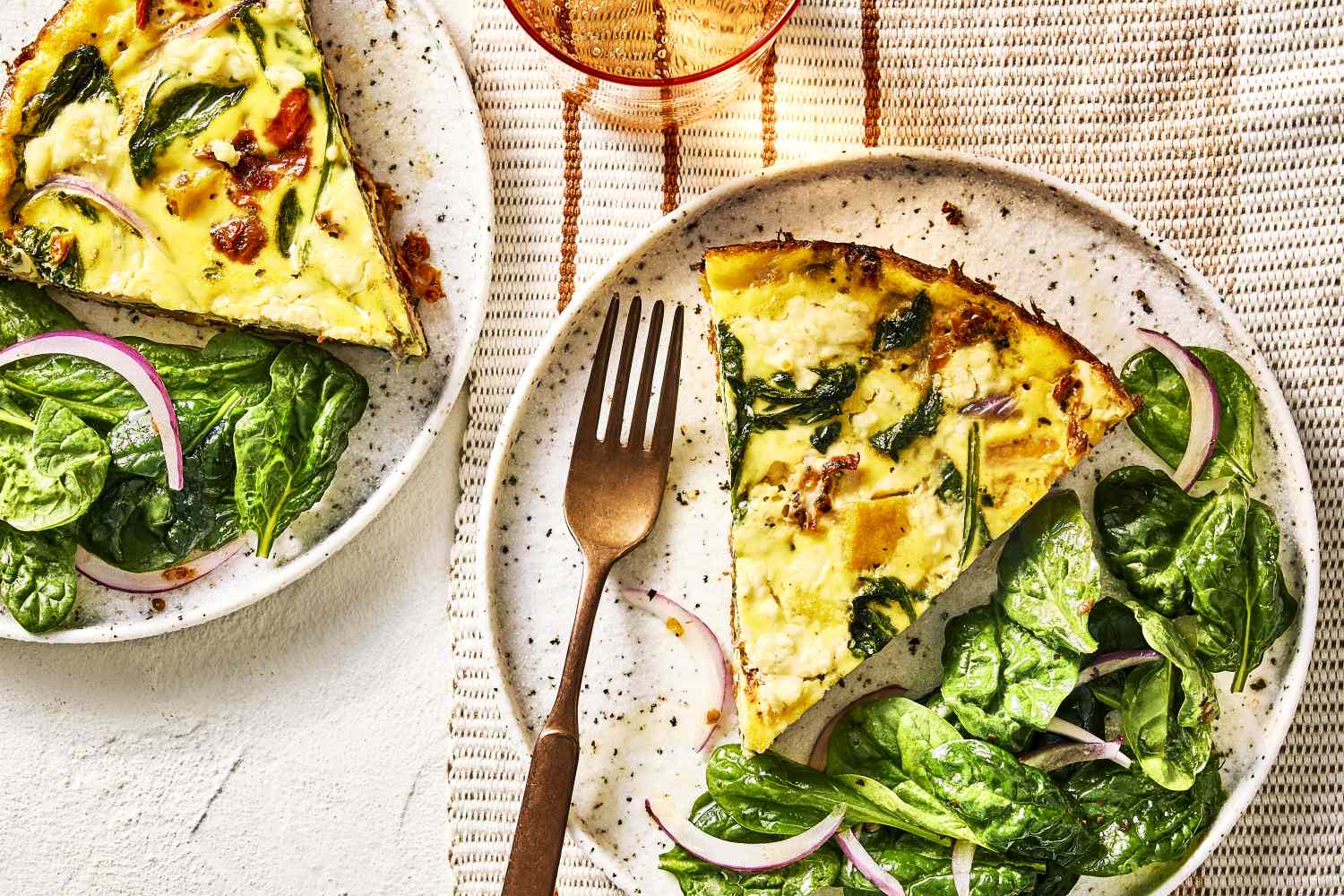
If your refrigerator currently contains a lonely squash, a heroic bag of spinach, and a jar of sun-dried tomatoes that has been quietly waiting for its moment, congratulations: you are already halfway to a very good frittata. This sun-dried tomato, squash, and spinach frittata is the kind of dish that feels a little fancy without acting fancy about it. It works for brunch, lunch, dinner, meal prep, or that deeply relatable life event known as “I need something real, but I do not want to wash six pans.”
At its best, a frittata is everything we want from an egg dish. It is hearty but not heavy, flexible but not chaotic, and elegant enough to serve guests while still being practical enough for a Tuesday night. In this version, sweet squash softens into the eggs, spinach adds freshness and color, and sun-dried tomatoes bring concentrated tangy richness that makes every bite taste more interesting than the effort required. That, in kitchen terms, is a beautiful little scam.
Why This Frittata Works So Well
The magic of this squash and spinach frittata comes from contrast. Squash has a mellow sweetness that gives the eggs body and comfort. Spinach adds a soft, savory green note that keeps the whole thing from feeling too rich. Sun-dried tomatoes step in with a punchy, almost jammy intensity that wakes everything up. Together, they create a vegetarian frittata that tastes balanced rather than bland, which is not always guaranteed in the land of egg-based meals.
This is also a smart combination from a texture standpoint. Eggs are soft. Cooked squash is tender. Wilted spinach melts into the mixture. Sun-dried tomatoes, especially when chopped small, create chewy little bursts of flavor that keep the forkfuls from becoming one-note. Add a bit of cheese if you like, and suddenly you have a brunch recipe that tastes like someone had a plan, even if the real plan was just “use what is in the fridge before it becomes a science project.”
What Makes a Great Frittata, Not a Sad Egg Frisbee
A good frittata is tender, lightly puffed, and full of flavor. A bad one is dry, rubbery, and suspiciously reminiscent of cafeteria regret. The difference usually comes down to technique.
Cook the vegetables first
Squash needs time to soften, and spinach carries extra moisture that can water down the eggs if you rush it. That is why the vegetables should be sautéed before the egg mixture goes into the pan. This step concentrates flavor, improves texture, and helps the finished frittata set properly instead of slumping into a soggy compromise.
Do not overwork the eggs
Whisk them until combined, not until they look like they are training for a foam competition. You want a cohesive mixture with some air, but not a bowl of froth. The goal is creamy, not bubbly chaos.
Use enough seasoning
Eggs are famously polite. They welcome almost any ingredient, but they also need a little encouragement. Salt, black pepper, garlic, and a modest amount of cheese go a long way. Sun-dried tomatoes bring saltiness too, so taste your vegetable mixture before assuming the eggs need backup singers.
Pull it before it looks too done
This is the classic frittata mistake. The center should be just set, not bone-dry. The pan stays hot, and the eggs continue cooking after you pull them from the oven. If you wait until it looks completely firm and deeply browned, you may end up with a sponge wearing a brunch costume.
Ingredients for a Flavor-Packed Sun-Dried Tomato, Squash, and Spinach Frittata
You do not need a mile-long ingredient list here. That is part of the appeal.
- 8 large eggs
- 2 tablespoons olive oil
- 1 small yellow squash or zucchini, thinly sliced or diced
- 3 to 4 packed cups baby spinach
- 1/3 to 1/2 cup chopped sun-dried tomatoes, drained if packed in oil
- 1 small onion or 2 shallots, finely sliced
- 2 cloves garlic, minced
- 1/4 cup milk, half-and-half, or a spoonful of crème fraîche
- 1/3 to 1/2 cup crumbled goat cheese, feta, or grated Parmesan
- Salt and black pepper, to taste
- Optional: basil, red pepper flakes, chives, or parsley for finishing
Yellow squash keeps the flavor soft and sweet, while zucchini brings a slightly more earthy note. Both work beautifully, and using one of each is also fair game. For cheese, goat cheese gives the frittata creamy tang, feta offers a saltier Mediterranean vibe, and Parmesan adds savory depth without demanding attention.
How to Make It Step by Step
1. Start with the skillet
Use an oven-safe skillet, ideally nonstick or well-seasoned cast iron. Heat the olive oil over medium heat, then add the onion or shallots. Cook until softened and lightly golden. This is not the time for speed. A little color here builds the backbone of the whole dish.
2. Cook the squash until it actually tastes good
Add the squash and cook until it is tender and picking up a little caramelization around the edges. If the pieces are too thick, they stay firm. If they are sliced thinly or diced small, they soften quickly and fold nicely into the eggs. This is where the frittata starts to move from “vegetable eggs” into something genuinely craveable.
3. Add the spinach and sun-dried tomatoes
Stir in the garlic, then add the spinach in handfuls until wilted. Once the spinach has collapsed and most excess moisture has cooked off, stir in the chopped sun-dried tomatoes. Let everything mingle for a minute or two so the tomato flavor perfumes the skillet. Your kitchen should smell like brunch is about to charge admission.
4. Whisk the eggs
In a bowl, whisk together the eggs, milk or cream, black pepper, and a moderate pinch of salt. Stir in half the cheese if you want the flavor throughout the frittata, saving the rest for the top. Pour the egg mixture over the vegetables and gently nudge things into an even layer.
5. Cook on the stove, then finish in the oven
Let the eggs cook on the stovetop over medium-low heat for a few minutes, just until the edges begin to set. Then transfer the skillet to a 350°F oven and bake until the center is just set. Depending on the pan and thickness, that usually lands somewhere around 10 to 15 minutes. Sprinkle the remaining cheese on top near the end if you want a golden finish.
6. Rest before slicing
Let the frittata rest for 5 to 10 minutes before cutting. This helps the texture settle and makes cleaner slices. It also prevents the deeply disappointing experience of serving what looks like a delicious wedge and having it collapse into egg lava on the plate.
Flavor Variations Worth Trying
One reason the sun-dried tomato, squash, and spinach frittata works so well is that it gives you room to improvise without losing the plot.
Mediterranean-style
Add feta, a few olives, and chopped fresh basil. Serve with a cucumber salad and crusty toast. Suddenly your kitchen feels much more accomplished than it did fifteen minutes ago.
Extra cozy fall version
Use roasted butternut squash instead of summer squash, add sage, and finish with Parmesan. It turns the dish deeper, sweeter, and slightly more dinner-friendly.
Protein-boosted version
Stir in cooked sausage, shredded rotisserie chicken, or diced ham. This makes the frittata more filling without changing its basic personality.
Dairy-light version
Skip the cheese and just use a splash of milk or a spoonful of dairy-free cream. The sun-dried tomatoes still provide plenty of character, so the dish will not feel flat.
What to Serve with This Frittata
This dish plays well with others. For brunch, serve it with toast, roasted potatoes, or a bright fruit salad. For lunch, pair it with peppery greens and a lemony vinaigrette. For dinner, add soup or a side of crusty bread and call it a night.
It is also excellent at room temperature, which makes it a quietly brilliant option for casual gatherings, baby showers, holiday breakfasts, or any event where you want food that looks composed without requiring last-second drama. Nobody ever says, “Wow, I wish this brunch dish were harder to manage.”
Storage, Make-Ahead Tips, and Reheating
The beauty of a vegetable frittata is that it stores well. Let it cool slightly, then refrigerate slices in an airtight container. It is ideal for make-ahead breakfasts because the flavors settle in nicely overnight, and the texture stays satisfying when handled properly.
To reheat, use the microwave gently in short bursts, or warm slices in a low oven. Overheating is the enemy. Eggs go from tender to tired very quickly. A cold slice is also surprisingly good, especially when standing in front of the refrigerator making thoughtful life choices with a fork.
If you are serving this for guests, you can prep the vegetables in advance, whisk the eggs ahead of time, and assemble everything quickly when ready to cook. That means less scrambling and more pretending you are naturally this organized.
Common Mistakes to Avoid
- Using watery vegetables without cooking them down first: this leads to a loose, diluted frittata.
- Cutting the squash too thick: the eggs will set before the squash becomes tender.
- Overbaking: the texture should be soft and lightly custardy, not dry and crumbly.
- Underseasoning: eggs need salt, pepper, and flavorful ingredients to shine.
- Skipping the rest time: the slices will be messier and the texture less settled.
Why This Recipe Is So Good for Real Life
There are prettier brunch dishes and there are more dramatic brunch dishes, but there are few that hit the sweet spot quite like a frittata. This one is colorful, practical, flexible, and filling. It uses ingredients that are easy to find, feels wholesome without becoming sanctimonious, and can slide into multiple meals with zero identity crisis.
It also solves a common cooking problem: how to use vegetables in a way that feels satisfying, not like a punishment disguised as wellness. The squash adds comfort, spinach brings freshness, and sun-dried tomatoes supply enough punch to keep everything lively. The result is a skillet egg recipe that tastes intentional, not accidental.
Experience: What It Feels Like to Make and Eat This Frittata
There is a very specific pleasure in making a dish like this sun-dried tomato, squash, and spinach frittata. It starts in that ordinary, slightly messy part of the day when you open the refrigerator and realize you have ingredients that need a purpose. The squash is still good, but maybe not for long. The spinach is hanging in there. The sun-dried tomatoes are ready to contribute their tiny bursts of drama. And then you remember eggs exist, which is honestly one of the great reliefs of modern cooking.
The first good sign is the skillet. As the onions soften and the squash begins to caramelize, the kitchen starts smelling less like random groceries and more like actual dinner plans. Then the spinach goes in and performs its classic magic trick of turning from a large fluffy mountain into something approximately the size of a polite napkin. The sun-dried tomatoes follow, and suddenly the whole pan smells rich, savory, and just a little luxurious. It is the kind of smell that makes people wander into the kitchen and ask, “What are you making?” in a tone that suggests they hope the answer includes a plate for them.
Then come the eggs, poured over the vegetables like the final act in a very low-stakes but satisfying play. The mixture settles into the pan, the edges begin to set, and you get that small but wonderful moment where the dish starts to look like a real thing instead of a collection of ingredients. Into the oven it goes. You tidy the counter. You maybe cut some herbs. You feel, briefly, like the sort of person who has a dependable brunch specialty.
Eating it is even better. The first slice is warm and soft, with sweet squash, silky spinach, and chewy pockets of sun-dried tomato in every bite. If there is goat cheese involved, it melts into creamy tangy streaks that make the eggs taste richer. If you chose Parmesan, the top gets that salty-savory finish that keeps you going back for “just one more sliver,” followed by a second, more honest slice.
What makes the experience memorable is not only the flavor, though the flavor is great. It is the way the dish fits into real life. It feels at home on a brunch table with coffee and fruit, but it is just as comforting eaten at the counter in slippers. It is good fresh from the oven, good at room temperature, and somehow still good the next day when reheated for breakfast or lunch. Few foods manage that kind of range without becoming boring.
There is also something deeply reassuring about a frittata because it rewards flexibility. Maybe your squash is zucchini. Maybe your spinach is a little older than you intended. Maybe you add herbs, maybe you do not. The dish still works. It is forgiving in the best way. It does not demand perfection; it just asks that you cook the vegetables well, season the eggs, and pay attention near the end. That is a fair deal.
So yes, this recipe is delicious. But beyond that, it is useful, adaptable, and oddly comforting. It turns a handful of everyday ingredients into something that feels complete. And on many nights, or mornings, or late lunches that drift toward dinner, that is exactly the kind of kitchen victory worth celebrating.
Conclusion
Sun-dried tomato, squash, and spinach frittata is the kind of dish that earns repeat status. It is colorful, savory, easy to customize, and sturdy enough for meal prep while still feeling special enough for guests. With the right technique, especially cooking the vegetables first and pulling the eggs before they overbake, you get a tender, flavorful frittata that works any time of day.
In other words, this is not just another egg recipe. It is a reliable, delicious answer to brunch, dinner, leftovers, and vegetable clean-out duty. And that is a lot of work for one skillet.