Note: This article is written for web publication in standard American English and is based on synthesized product, kitchen-tool, Japanese cooking, cookware-care, and bamboo-utensil information from reputable U.S. and specialty kitchen sources.
Why the Miyabi Bamboo Scraper Deserves a Spot Beside Your Sink
The Miyabi Bamboo Scraper is one of those tiny kitchen tools that looks almost too simple to matter. It is not electric. It does not connect to Wi-Fi. It will not send you a push notification when your sesame paste is ready. And yet, once you understand what it does, this humble bamboo scraper starts to feel like the kitchen equivalent of finding an extra twenty-dollar bill in your apron pocket.
At its core, the Miyabi Bamboo Scraper is a small Japanese kitchen tool made from bamboo, traditionally used to collect and clean finely grated or ground ingredients from surfaces such as a suribachi, Japanese graters, ginger graters, wasabi graters, and microplane-style tools. Think of it as a polite little broom for flavor. When ginger clings stubbornly to a grater, sesame paste hides in the grooves of a mortar, or citrus zest refuses to leave the metal teeth of your tool, the bamboo scraper steps in and says, “Excuse me, we paid for those ingredients.”
It is especially useful in kitchens where small amounts matter. A teaspoon of fresh ginger can change a dipping sauce. A little grated garlic can wake up a marinade. The last bit of toasted sesame paste from a suribachi can be the difference between “nice” and “please write down this recipe immediately.” The Miyabi Bamboo Scraper helps gather those precious bits without wasting food or scratching delicate surfaces.
What Is a Miyabi Bamboo Scraper?
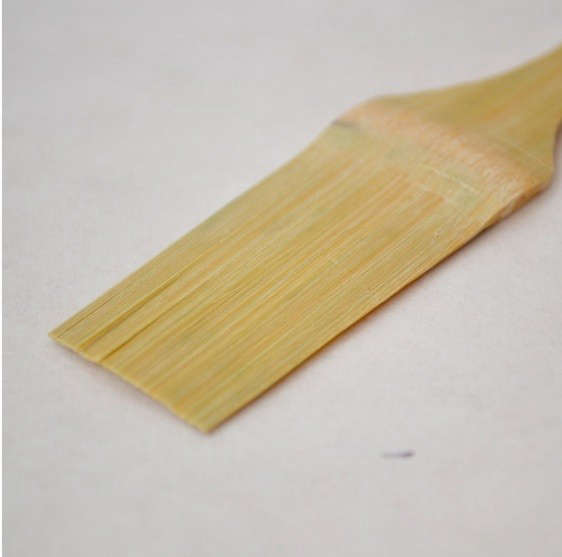
The Miyabi Bamboo Scraper is commonly described as a compact bamboo brush or scraper, often around five inches long, designed for scraping and cleaning food from graters, mortars, and similar textured kitchen tools. While the word “scraper” may make it sound like something aggressive, this tool is closer to a gentle, flexible comb made for ingredients rather than elbows.
Unlike a metal spoon or knife tip, bamboo is firm enough to lift grated food but soft enough to be friendly to traditional Japanese kitchenware. This makes it particularly useful with tools that have tiny grooves, teeth, or ridges. A regular sponge can smear food around. A metal utensil can damage surfaces. Fingers are technically available, but they are not recommended unless you enjoy meeting the sharp side of a grater.
Key Features
The appeal of the Miyabi Bamboo Scraper comes from its simplicity. It is typically made from bamboo, a lightweight and renewable material used widely in Asian kitchen tools. Its slim profile makes it easy to store in a drawer, utensil crock, or next to a mortar and pestle. The narrow scraping edge can reach into textured surfaces where paste, zest, or grated ingredients like to hide.
Its size also matters. Large spatulas are excellent for pancakes, but they are clumsy around small graters. Silicone brushes are handy for sauce, but they may be too soft to pull sticky ginger fibers out of a grater. The Miyabi Bamboo Scraper lives in that sweet spot: small, nimble, and just stiff enough to get the job done.
Why Bamboo Works So Well
Bamboo has long been used for kitchen tools because it is light, durable, and naturally suited to daily cooking tasks. For a scraper, bamboo offers an important balance: it is harder than many soft brushes but gentler than metal. That balance is exactly what you want when working with sharp graters, grooved ceramic bowls, or ridged mortar surfaces.
A bamboo scraper can help protect cookware and kitchen tools from unnecessary scratches. While this specific tool is designed mainly for graters and mortars rather than frying pans, the same principle applies: bamboo is less abrasive than metal, so it is less likely to damage delicate surfaces when used properly.
Bamboo also brings a clean, minimalist look. It feels at home in a Japanese-inspired kitchen, a low-waste kitchen, or any cooking space where tools are chosen because they actually earn their drawer space. It is the opposite of a gadget that comes with three attachments and a manual thicker than a holiday cookbook.
Best Uses for the Miyabi Bamboo Scraper
1. Scraping Ginger from a Grater
Fresh ginger is flavorful, fragrant, and extremely committed to staying stuck in grater teeth. After grating ginger for stir-fries, dipping sauces, dressings, or tea, a bamboo scraper helps pull the juicy pulp from the grater without scraping your fingers. This is one of the tool’s most satisfying uses because you immediately see how much food would otherwise be wasted.
2. Collecting Wasabi or Garlic Paste
Traditional Japanese graters are often used for wasabi, daikon, garlic, and ginger. These ingredients can cling to the surface in tiny amounts, and tiny amounts matter when the flavor is intense. A bamboo scraper gathers them neatly so the cook can transfer them into a bowl, sauce, soup, or marinade.
3. Cleaning a Suribachi
A suribachi is a Japanese grinding bowl with ridged interior walls, often used with a wooden pestle called a surikogi. It is wonderful for grinding sesame seeds, spices, herbs, and pastes. It is also very good at holding onto the delicious stuff you just worked to create. The Miyabi Bamboo Scraper helps loosen ground sesame, miso mixtures, spice pastes, and other ingredients from the grooves without flattening the texture or leaving half the flavor behind.
4. Removing Citrus Zest from Microplane-Style Tools
Lemon, lime, and orange zest can transform baked goods, vinaigrettes, cocktails, sauces, and seafood dishes. Unfortunately, zest has a talent for clinging to fine grating surfaces like it is renting space there. A bamboo scraper can help collect the bright, aromatic shreds so they end up in your recipe instead of decorating your sink drain.
5. Reducing Food Waste in Small-Ingredient Cooking
The Miyabi Bamboo Scraper is especially useful in recipes where every bit counts. If you are making a small batch of dressing, a single serving of dipping sauce, or a carefully balanced Japanese-style dish, losing half a teaspoon of ginger or sesame paste is not ideal. This scraper turns “good enough” into “let’s not waste the good stuff.”
Miyabi Bamboo Scraper vs. Regular Kitchen Scrapers
Most kitchen scrapers are made for broad jobs: scraping dough from a counter, lifting chopped vegetables, cleaning cast iron, or removing stuck food from pans. The Miyabi Bamboo Scraper is more specialized. It is not trying to replace a bench scraper or a silicone spatula. It is designed for detail work.
A plastic scraper may work on pots, but it can feel too bulky for a Japanese grater. A silicone spatula may be flexible, but it may not have enough bite to pull food from grooves. A metal spoon may scrape well, but it can be too harsh for delicate tools. The Miyabi Bamboo Scraper shines because it is small, precise, and ingredient-focused.
Who Should Buy a Miyabi Bamboo Scraper?
This tool is ideal for home cooks who regularly use fresh ginger, garlic, citrus zest, sesame seeds, wasabi, daikon, or Japanese-style grinding bowls. It is also a smart choice for people who enjoy compact, low-tech kitchen tools that solve real problems without taking over the drawer.
If your cooking style leans toward Japanese food, Korean sauces, Vietnamese dipping sauces, Chinese stir-fries, fresh marinades, homemade dressings, or baking with citrus zest, you will probably find more uses for this scraper than expected. It is also a charming gift for cooks who already own the obvious tools. Everyone has a spatula. Fewer people have a tiny bamboo flavor-rescue device.
It Is Great For:
- Japanese home cooking
- Suribachi and mortar users
- Fresh ginger and garlic lovers
- Low-waste cooking
- Minimalist kitchen setups
- Gift baskets for food lovers
- People who dislike wasting expensive ingredients
How to Use the Miyabi Bamboo Scraper
Using the Miyabi Bamboo Scraper is beautifully simple. After grating or grinding your ingredient, hold the scraper at a slight angle and gently pull it across the surface. Use short strokes rather than heavy pressure. The goal is not to attack the grater like it insulted your family; the goal is to gather the food cleanly.
For a suribachi, move the scraper along the grooves to lift paste or ground ingredients. For a grater, scrape in a direction that safely avoids the sharpest cutting edges. Transfer the collected ingredient directly into your bowl, pan, or serving dish. Rinse the scraper after use, wash it gently, and allow it to air dry thoroughly.
How to Clean and Care for a Bamboo Scraper
Bamboo tools are easy to care for, but they do appreciate basic manners. Hand wash the scraper with mild dish soap and warm water. Avoid soaking it for long periods, since extended exposure to water can affect natural materials over time. After washing, shake off excess water and let it air dry completely in a well-ventilated spot.
Do not put the Miyabi Bamboo Scraper in the dishwasher unless the product instructions specifically say it is dishwasher-safe. High heat, strong detergents, and prolonged moisture can be tough on bamboo. Treat it like a small wooden spoon: wash it, dry it, and do not abandon it at the bottom of the sink like a shipwreck.
Care Tips
- Hand wash after each use.
- Use mild soap instead of harsh cleaners.
- Do not soak for long periods.
- Let it dry fully before storing.
- Replace it if it cracks, splinters, or develops odors.
Is the Miyabi Bamboo Scraper Eco-Friendly?
The Miyabi Bamboo Scraper fits naturally into the larger trend toward sustainable kitchen tools. Bamboo grows quickly compared with many hardwoods, and bamboo kitchen utensils can reduce reliance on plastic tools. A small scraper also encourages less food waste by helping cooks collect ingredients that would otherwise remain stuck to graters or mortars.
Of course, no kitchen tool becomes sustainable simply because it looks earthy and adorable. The real eco-friendly value comes from using it often, caring for it well, and keeping it out of the trash for as long as possible. In that sense, the Miyabi Bamboo Scraper has a strong case: it is simple, durable, useful, and unlikely to become another forgotten gadget in the drawer of broken dreams.
How It Fits Into a Japanese-Inspired Kitchen
Japanese cooking often celebrates precision, balance, and respect for ingredients. Tools like the suribachi, oroshigane grater, bamboo brush, and wooden pestle are designed not just to process food, but to preserve texture and flavor. The Miyabi Bamboo Scraper belongs to this family of thoughtful tools.
It supports a style of cooking where small details matter. Freshly grated ginger tastes different from bottled ginger paste. Toasted sesame ground by hand has a different aroma from pre-made sesame sauce. Citrus zest scraped at the last minute can brighten an entire dish. The scraper helps capture those details instead of letting them vanish into the grooves of a tool.
Specific Recipe Examples
Ginger-Soy Dipping Sauce
Grate fresh ginger, then use the Miyabi Bamboo Scraper to collect the pulp from the grater. Stir it into soy sauce, rice vinegar, a little sesame oil, and sliced scallions. The scraper helps you capture the ginger juice and fibers that give the sauce its fresh bite.
Sesame Dressing
Toast sesame seeds, grind them in a suribachi, then use the scraper to gather the fragrant paste from the ridges. Mix with rice vinegar, soy sauce, a touch of sugar, and neutral oil. The result is a creamy, nutty dressing that tastes far better than anything squeezed from a bottle.
Citrus Miso Marinade
Zest lemon or yuzu-style citrus, scrape the zest from the grater, and combine it with miso, mirin, and a little grated garlic. Use it for fish, tofu, mushrooms, or roasted vegetables. The scraper makes sure the brightest citrus oils make it into the marinade instead of staying trapped in the grater.
Common Mistakes to Avoid
The biggest mistake is using too much pressure. Bamboo is strong, but a scraper is not a chisel. Press gently and let the edge do the work. Another mistake is storing it while wet. Like wooden utensils, bamboo tools last longer when they are allowed to dry fully between uses.
It is also important to use the tool for its intended purpose. The Miyabi Bamboo Scraper is excellent for graters, suribachi bowls, and small ingredient recovery. It is not meant to pry burned food from the bottom of a neglected pot that looks like it survived a dragon attack. For that job, you may need soaking, patience, and perhaps a sincere apology to your cookware.
Buying Guide: What to Look For
When shopping for a Miyabi Bamboo Scraper or a similar Japanese bamboo scraper brush, look for a slim, comfortable shape and a fine scraping edge. The tool should feel light but not flimsy. A good bamboo scraper should be smooth enough to handle safely and stiff enough to collect ingredients from textured surfaces.
Check the size before buying. Some bamboo scraper brushes are longer and more brush-like, while others are shorter and more compact. If you plan to use it mainly with small graters, a narrow design is helpful. If you use a larger suribachi, a slightly wider scraper may feel more efficient.
500-Word Experience Section: What It Feels Like to Use a Miyabi Bamboo Scraper
The first time you use a Miyabi Bamboo Scraper, you may wonder why such a small object was not already living in your kitchen. It does not announce itself with drama. It simply waits beside the sink or near the grater, looking like a tiny piece of bamboo that wandered in from a very organized tea house. Then you grate ginger, notice the pulp clinging to the metal, and suddenly the scraper has its big movie moment.
In daily cooking, the experience is oddly satisfying. After grating ginger for a quick noodle sauce, the scraper pulls the fibers together cleanly. Instead of tapping the grater against the bowl, scraping with a spoon, and losing half the ginger to the countertop, you get a neat little pile of flavor. It feels efficient in the best waynot rushed, just less wasteful.
With a suribachi, the scraper becomes even more useful. Grinding sesame seeds by hand is one of those kitchen tasks that makes you feel connected to the food. The aroma builds slowly, the texture changes, and the seeds become warm and nutty. But once the paste forms, it loves to stay in the ridges. A regular spoon skims over the top. The bamboo scraper gets into the grooves and helps gather the paste without making the bowl feel scratched or abused.
There is also something pleasant about using a natural material for a natural task. Bamboo feels warm in the hand compared with metal. It does not clank loudly against ceramic. It does not bend like cheap plastic. It makes cooking feel a little calmer, which is helpful when dinner is happening, rice is steaming, vegetables are waiting, and someone is asking whether the sauce is ready every forty-seven seconds.
One of the best experiences with the Miyabi Bamboo Scraper is using it with citrus zest. Lemon zest tends to cling to fine graters, especially when the fruit is very fresh and oily. The scraper gathers those bright yellow curls easily, and the smell that rises from the grater is a tiny reward. Add that zest to a miso dressing, cake batter, seafood marinade, or simple vinaigrette, and the tool has already justified its existence.
The scraper also changes how you think about small amounts. Before using one, it is easy to ignore whatever remains stuck to a grater. After using one, you start noticing that those leftovers are not leftovers at all. They are concentrated flavor. They are the spicy part of the ginger, the fragrant part of the citrus, the nutty part of the sesame. The scraper teaches a quiet kitchen lesson: the little things are often where the flavor lives.
Cleaning it is refreshingly low maintenance. A quick rinse, a gentle wash, and proper drying are usually enough. It is small enough that it does not create another chore. In fact, it may reduce cleaning time because it removes sticky ingredients before they harden. Anyone who has tried to clean dried ginger from a fine grater knows that prevention is much better than scrubbing later like a person reconsidering all life choices.
Overall, using the Miyabi Bamboo Scraper feels practical, charming, and surprisingly habit-forming. It is not a flashy tool, but it becomes one of those objects you reach for automatically. And when a tool earns that kind of trust, it has officially graduated from “cute little kitchen accessory” to “do not move this from my drawer.”
Final Thoughts
The Miyabi Bamboo Scraper proves that a kitchen tool does not need to be complicated to be valuable. Its purpose is simple: collect the flavorful bits that cling to graters, microplanes, and suribachi bowls. But that simple task can improve cooking, reduce waste, protect tools, and make cleanup easier.
For cooks who use fresh ginger, citrus zest, garlic, sesame, wasabi, or Japanese-style grinding tools, this bamboo scraper is a small upgrade with everyday usefulness. It is affordable, compact, attractive, and easy to care for. Most importantly, it respects the ingredients. In a kitchen world full of oversized gadgets, the Miyabi Bamboo Scraper is a quiet reminder that sometimes the best tool is the one that does one tiny job extremely well.