Note: This article is written for general educational purposes and is based on established guidance from reputable U.S. health, nutrition, academic, and medical sources. It is not a substitute for personalized medical advice.
Your gut is not just a place where lunch goes to retire. It is a busy, microscopic neighborhood filled with bacteria, yeasts, and other tiny residents that help influence digestion, immune function, nutrient absorption, and even how comfortable your jeans feel after dinner. And like any hardworking community, your gut microbiome needs good fuel. That is where prebiotic foods come in.
Prebiotics are special types of fibers and plant compounds that your body does not fully digest. Instead of being broken down in the stomach like many other nutrients, they travel to the large intestine, where beneficial gut bacteria happily snack on them. Think of probiotics as the “good bugs” and prebiotics as their favorite buffet. No reservations required.
Health experts often recommend getting prebiotics from whole foods rather than relying only on supplements. Why? Because whole foods bring backup dancers: vitamins, minerals, antioxidants, water, and different kinds of fiber. A banana is not just a prebiotic delivery vehicle; it is also potassium, energy, texture, and a convenient snack that comes in its own biodegradable jacket.
Below are 10 prebiotic foods worth adding to your plate, plus practical ways to eat them without turning your kitchen into a wellness laboratory.
What Are Prebiotic Foods?
Prebiotic foods are foods that contain fibers or carbohydrates that feed beneficial bacteria in the gut. Common prebiotic compounds include inulin, fructooligosaccharides, galactooligosaccharides, pectin, beta-glucan, and resistant starch. These compounds are naturally found in many fruits, vegetables, legumes, and whole grains.
When gut bacteria ferment prebiotic fibers, they produce helpful byproducts such as short-chain fatty acids. These compounds may support the gut lining, help maintain regular digestion, and contribute to a balanced gut environment. In plain English: feed your gut microbes well, and they are more likely to behave like polite houseguests instead of tiny chaos goblins.
Prebiotics vs. Probiotics: What Is the Difference?
Prebiotics and probiotics sound like cousins who show up wearing matching tracksuits, but they are not the same thing.
Probiotics
Probiotics are live beneficial microorganisms found in certain fermented foods such as yogurt, kefir, sauerkraut, kimchi, and some fermented drinks. They may help support a healthy gut microbiome when consumed regularly.
Prebiotics
Prebiotics are the food source for beneficial gut bacteria. They are typically found in fiber-rich plant foods such as garlic, onions, oats, bananas, beans, asparagus, and apples.
A balanced gut-friendly diet often includes both. For example, oatmeal topped with banana and a spoonful of yogurt gives you prebiotics and probiotics in the same bowl. That is what nutrition people call “synergy” and what breakfast people call “finally, something that tastes good.”
Why Health Experts Recommend Prebiotic Foods
Prebiotic-rich foods are linked with several important nutrition goals. They help increase dietary fiber intake, support digestive regularity, and encourage variety in the diet. Many Americans do not get enough fiber, so adding prebiotic foods is a practical way to improve overall eating patterns without needing a complete personality change at the grocery store.
Prebiotics may support:
- Healthy digestion and bowel regularity
- A more diverse gut microbiome
- Better support for beneficial gut bacteria
- Heart-health goals when part of a fiber-rich diet
- Steadier blood sugar patterns when replacing refined carbohydrates
- Greater fullness and meal satisfaction
The key is consistency. Eating one asparagus spear and expecting your gut to throw a parade is optimistic. Eating a variety of prebiotic foods throughout the week is far more realistic and useful.
10 Prebiotic Foods to Eat, According to Health Experts
1. Garlic
Garlic is small, mighty, and socially powerful enough to announce itself from across the room. It is also one of the most well-known prebiotic foods for gut health. Garlic contains inulin and fructooligosaccharides, two types of prebiotic fibers that help feed beneficial gut bacteria.
Beyond its prebiotic value, garlic adds flavor without relying on heavy sauces, excess sodium, or complicated cooking techniques. It works in soups, roasted vegetables, pasta dishes, stir-fries, beans, marinades, and salad dressings.
Easy way to eat it: Mince garlic and sauté it with olive oil before adding spinach, mushrooms, or chickpeas. Just do not burn it. Burnt garlic tastes like regret with a crispy edge.
2. Onions
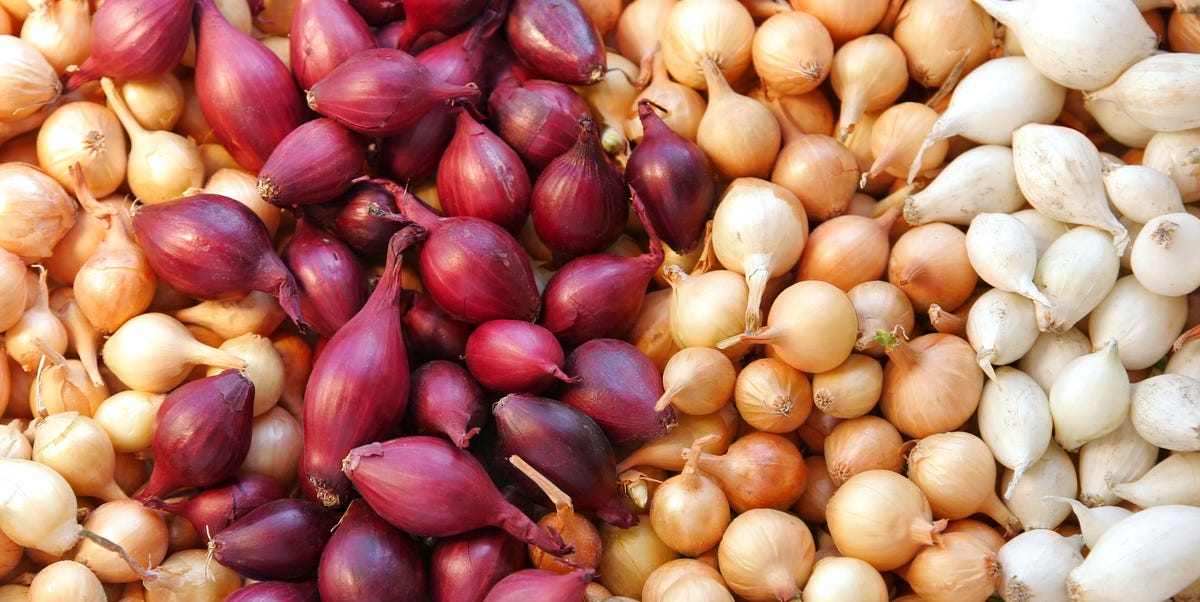
Onions are another everyday prebiotic superstar. They contain inulin and other fermentable fibers that support beneficial bacteria in the colon. Red, yellow, white, and sweet onions all bring something to the table, including flavor, antioxidants, and that magical ability to make a sandwich taste like someone actually tried.
Onions can be eaten raw, cooked, caramelized, roasted, grilled, or added to soups and stews. Cooking may soften their intensity, making them easier for some people to tolerate.
Easy way to eat it: Add thinly sliced red onion to tacos, grain bowls, salads, or avocado toast. For a gentler flavor, soak slices in cold water for 10 minutes before serving.
3. Leeks
Leeks are part of the same allium family as garlic and onions, but they have a milder, slightly sweet flavor. They are rich in prebiotic fibers and work beautifully in soups, egg dishes, roasted vegetable trays, and savory pies.
The only catch is that leeks can hide dirt between their layers like they are training for a spy movie. Slice them lengthwise and rinse well before cooking.
Easy way to eat it: Sauté sliced leeks with potatoes and vegetable broth for a simple leek soup. Add white beans for extra fiber and protein.
4. Asparagus
Asparagus is a crisp, green vegetable that contains inulin, a well-studied prebiotic fiber. It is also low in calories and provides folate, vitamin K, and plant compounds that fit nicely into an overall healthy eating pattern.
Asparagus is especially useful because it cooks quickly. Roast it, grill it, steam it, shave it raw into salads, or toss it into pasta. If you have ever opened the fridge and asked, “What vegetable can I make before I lose motivation?” asparagus is your answer.
Easy way to eat it: Toss asparagus spears with olive oil, black pepper, and lemon juice, then roast until tender-crisp. Serve with salmon, eggs, chicken, tofu, or whole-grain pasta.
5. Bananas
Bananas are one of the easiest prebiotic foods to include in everyday meals. Slightly green bananas contain more resistant starch, a type of carbohydrate that resists digestion and can act as fuel for gut bacteria. Riper bananas still provide fiber, sweetness, potassium, and convenience.
Bananas are especially helpful for people who want a gut-friendly food that does not require chopping, cooking, peeling with a knife, or asking the internet what “julienne” means.
Easy way to eat it: Slice a slightly firm banana over oatmeal, Greek yogurt, or whole-grain toast with peanut butter. For smoothies, pair banana with oats and kefir for a prebiotic-probiotic combination.
6. Oats
Oats are famous for beta-glucan, a soluble fiber associated with heart-health benefits and digestive support. They also provide a steady, satisfying base for breakfast and snacks. Because oats are whole grains, they bring more than fiber: they also offer minerals, plant protein, and slow-digesting carbohydrates.
Oats are also extremely forgiving. You can cook them, bake them, soak them overnight, blend them into smoothies, or turn them into homemade granola. Oats are basically the reliable friend of the pantry.
Easy way to eat it: Make overnight oats with rolled oats, milk or a fortified milk alternative, chia seeds, cinnamon, and sliced banana. Add berries for even more fiber and color.
7. Apples
Apples contain pectin, a soluble fiber with prebiotic potential. Pectin is found mostly in the peel, so eating apples with the skin provides more fiber than peeling them. Apples also offer polyphenols, which are plant compounds that may help support overall health.
They are portable, affordable, and available almost everywhere. Plus, they make a satisfying crunch, which is helpful when you want a snack that feels more dramatic than a cracker.
Easy way to eat it: Pair apple slices with peanut butter, almond butter, cottage cheese, or a handful of walnuts. For dessert, bake chopped apples with oats and cinnamon.
8. Beans and Lentils
Beans and lentils are fiber champions. Black beans, chickpeas, kidney beans, navy beans, pinto beans, split peas, and lentils contain prebiotic fibers that nourish gut bacteria. They also provide plant-based protein, iron, magnesium, potassium, and slow-burning carbohydrates.
If beans make you feel bloated, do not panic and exile them from your life forever. Start with small portions, rinse canned beans, cook dried beans thoroughly, and increase intake gradually. Your gut may need time to adjust, like a roommate learning where the recycling bin is.
Easy way to eat it: Add half a cup of lentils to soup, toss chickpeas into salads, mash black beans into tacos, or blend white beans into a creamy dip.
9. Jerusalem Artichokes
Despite the name, Jerusalem artichokes are not from Jerusalem and are not artichokes. They are tubers, also called sunchokes, and they are especially rich in inulin. That makes them a powerful prebiotic food, but also one to introduce slowly if your digestive system is sensitive.
The flavor is slightly nutty and earthy, similar to a cross between a potato and an artichoke heart. They can be roasted, sautéed, pureed into soups, or sliced thinly into salads.
Easy way to eat it: Roast sliced Jerusalem artichokes with olive oil and herbs. Start with a small serving the first time, because your gut bacteria may celebrate a little too enthusiastically.
10. Barley
Barley is a chewy whole grain that contains beta-glucan and other fibers that support gut health. It is hearty, budget-friendly, and excellent in soups, grain bowls, and side dishes. Pearled barley cooks faster, while hulled barley is less processed and contains more fiber.
Barley is a good choice when you want something more interesting than rice but less demanding than a recipe with 37 ingredients and emotional backstory.
Easy way to eat it: Use barley in vegetable soup, mix it with roasted vegetables, or serve it as a warm grain bowl with beans, greens, and a lemon-tahini dressing.
How to Add More Prebiotic Foods Without Digestive Drama
Prebiotic foods are helpful, but adding too much fiber too quickly can lead to gas, bloating, or discomfort. Your gut bacteria are enthusiastic little workers, and when suddenly handed a mountain of fiber, they may clock in with fireworks.
Start Small
Add one new prebiotic food at a time. Try a few tablespoons of beans, half a banana, or a small serving of asparagus before dramatically reinventing your entire diet.
Drink Enough Water
Fiber works better when fluid intake is adequate. If you increase fiber but forget water, your digestive system may respond with the enthusiasm of a printer jam.
Choose Variety
Different fibers feed different types of gut bacteria. A varied diet that includes fruits, vegetables, legumes, nuts, seeds, and whole grains gives your microbiome a broader menu.
Cook Foods When Needed
Some people tolerate cooked onions, garlic, asparagus, and leeks better than raw versions. Roasting, steaming, and sautéing can make prebiotic vegetables gentler and tastier.
Consider Your Personal Tolerance
People with irritable bowel syndrome, inflammatory bowel disease, small intestinal bacterial overgrowth, or other digestive conditions may need individualized advice. Some prebiotic foods are high in fermentable carbohydrates and may trigger symptoms in sensitive individuals.
Sample One-Day Prebiotic Meal Plan
Need a practical example? Here is a simple day of meals that includes several prebiotic-rich foods without requiring you to become the kind of person who owns twelve kinds of vinegar.
Breakfast
Overnight oats with sliced banana, chia seeds, cinnamon, and Greek yogurt.
Lunch
Barley grain bowl with chickpeas, roasted asparagus, sautéed onions, greens, and lemon dressing.
Snack
Apple slices with peanut butter or a small bowl of yogurt topped with oats.
Dinner
Lentil soup with garlic, leeks, carrots, and herbs, served with a side salad.
Common Mistakes When Eating Prebiotic Foods
Eating Too Much Too Fast
A sudden jump from low fiber to high fiber can be uncomfortable. Increase gradually over several days or weeks.
Depending Only on Supplements
Prebiotic supplements can be useful for some people, but whole foods provide a wider range of nutrients. Food-first is usually the better long-term strategy.
Forgetting Protein and Healthy Fats
A gut-friendly diet is not only about fiber. Balanced meals should also include protein, healthy fats, and enough total calories to support energy and wellness.
Ignoring Symptoms
If a certain prebiotic food repeatedly causes discomfort, reduce the portion, try it cooked, or talk with a registered dietitian or healthcare professional.
Extra Experience Section: Real-Life Ways to Make Prebiotic Foods Easier to Eat
Adding prebiotic foods to your routine sounds simple until real life enters the kitchen wearing muddy shoes. You may plan to roast asparagus and cook lentils from scratch, then suddenly it is 7:42 p.m., everyone is hungry, and the only thing standing between you and dinner is a can opener. The good news is that prebiotic eating does not require perfection. It requires patterns.
One of the easiest habits is to build “fiber anchors” into meals you already eat. If breakfast is usually toast, add sliced banana or apple on the side. If lunch is often a sandwich, add onions, a bean salad, or a small bowl of vegetable soup. If dinner includes rice, swap in barley once or twice a week or mix beans into the dish. These tiny upgrades are less dramatic than a complete diet overhaul, but they are much more likely to survive a busy Tuesday.
Another useful experience-based tip is to keep prebiotic foods visible. Apples on the counter are more likely to be eaten than apples hiding in the produce drawer, where good intentions go to nap. Canned beans in the front of the pantry are easier to remember than dried beans buried behind holiday sprinkles from 2019. Pre-sliced onions, frozen asparagus, quick oats, and canned lentils can all make gut-friendly meals faster.
For people who are new to high-fiber foods, comfort matters. Beans and lentils are excellent, but they can surprise your digestive system. Start with small servings, such as two tablespoons added to soup or salad. Rinse canned beans thoroughly. Cook lentils until soft. Pair them with familiar flavors like garlic, cumin, lemon, tomato, or olive oil. When food tastes good, consistency becomes much easier.
Prebiotic foods also fit nicely into family meals. A pot of lentil soup, oatmeal bar, taco night with black beans, roasted vegetables, or baked apples can serve different preferences without making separate dinners. For picky eaters, try blending white beans into pasta sauce, adding finely chopped onions to meatballs or veggie burgers, or mixing oats into muffins. The goal is not to trick anyone in a villainous way; it is to make fiber feel normal, not like homework.
Eating out can work, too. Choose dishes with beans, whole grains, onions, garlic, vegetables, or fruit. A burrito bowl with black beans, fajita vegetables, and brown rice can be a prebiotic win. So can oatmeal at breakfast, lentil soup at lunch, or a salad topped with chickpeas and apples. You do not need to carry asparagus in your backpack like a wellness magician.
The biggest lesson from everyday experience is this: prebiotic eating is not one food, one supplement, or one perfect meal. It is the repeated act of feeding your gut bacteria a variety of plant foods. Some days that looks like homemade barley soup. Other days it is a banana, canned beans, and oats. Both count. Your microbiome does not demand a five-star tasting menu. It mostly wants regular, fiber-rich foodand maybe a little less chaos from your snack drawer.
Conclusion: Feed Your Gut Like It MattersBecause It Does
Prebiotic foods are not trendy magic beans, although beans are definitely invited to the party. They are everyday plant foods that help nourish beneficial gut bacteria and support digestive wellness. Garlic, onions, leeks, asparagus, bananas, oats, apples, beans, Jerusalem artichokes, and barley are practical options that can fit into real meals without requiring a nutrition degree.
The smartest approach is simple: add variety, increase fiber gradually, drink enough water, and choose foods you actually enjoy. Your gut microbiome thrives on consistency, not perfection. So start with breakfast oats, toss beans into lunch, roast asparagus for dinner, or add garlic and onions to whatever is already on the stove. Your gut bacteria will not send a thank-you card, but they may reward you with better digestive rhythmand honestly, that is more useful than a card.