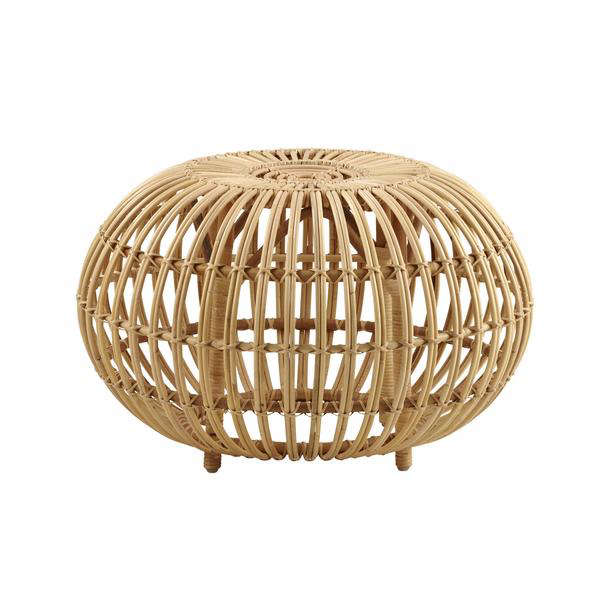
The Franco Albini Ottoman is what happens when a practical little furniture piece decides to dress like sculpture. It is round, airy, handmade, and quietly dramaticlike a design-school graduate who also knows how to hold a coffee tray without complaining. At first glance, it may look simple: a woven rattan pouf with a light, open structure. Look closer, though, and the genius appears in the details: curved rattan ribs, careful bindings, a hollow visual center, and a shape that feels both vintage and surprisingly modern.
Designed in the mid-century era and widely associated with Italian architect and designer Franco Albini, this ottoman has become a favorite among people who love rattan furniture, mid-century modern design, natural materials, and pieces that can do more than one job. It can serve as a footrest, accent stool, low side table, decorative object, or that stylish “extra seat” guests notice before they notice your carefully curated bookshelf.
But the Franco Albini Ottoman is not just another boho accessory. It carries the DNA of Italian modernism: rational structure, honest material, visible craftsmanship, and a belief that everyday objects should be useful without becoming boring. In other words, it is the rare furniture piece that looks good doing absolutely nothingand even better when actually used.
Who Was Franco Albini?
Franco Albini was an Italian architect, furniture designer, urban planner, and interior designer born in 1905 and active through much of the 20th century. He studied architecture at the Politecnico di Milano and worked in the orbit of influential Italian design figures, including Gio Ponti. Albini became known for a refined Neo-Rationalist approach: clean lines, transparent structures, minimal ornament, and a deep respect for traditional craftsmanship.
That last point matters. Albini was not a designer who treated craft like old furniture hiding in grandma’s attic. He saw craft as a living technology. His best work often joined modern forms with humble materialswood, glass, steel, cane, bamboo, and rattan. The result was furniture that looked light but felt thoughtful, elegant but not precious, and modern without acting allergic to history.
His well-known designs include chairs, shelving systems, desks, and rattan pieces that continue to appear in museum collections, design galleries, vintage marketplaces, and high-end interiors. The Franco Albini Ottoman belongs to this broader world: a piece that celebrates structure instead of hiding it.
What Makes the Franco Albini Ottoman Special?
The charm of the Franco Albini rattan ottoman comes from its balance of opposites. It is solid enough to use, yet visually light. It feels vintage, yet works beautifully in contemporary homes. It is handmade, yet precise. It has a relaxed natural texture, but the silhouette is disciplined rather than messy.
Most ottomans are basically upholstered blocks with better public relations. Albini’s ottoman is different. Instead of foam and fabric, it uses woven rattan to create an open, rounded form. The eye moves through it, which makes the piece ideal for smaller rooms. It adds presence without visually swallowing the floor plan. For apartments, sunrooms, reading corners, beach houses, boutique hotels, and airy living rooms, that is a very useful trick.
The Beauty of Natural Rattan
Natural rattan is one of the reasons this piece has aged so gracefully. Rattan has warmth, flexibility, and texture. Unlike synthetic materials that try very hard to look natural, rattan simply is natural. It brings a relaxed, organic quality into a room without forcing the entire space into “coastal vacation rental” territory.
The indoor Franco Albini Ottoman is commonly produced in natural rattan, often with visible bindings and a warm honey-toned finish. Those details give it a handcrafted personality. No two woven pieces feel completely identical, and that slight variation is part of the appeal. It is furniture with fingerprints, not factory coldness.
A Shape That Works in Many Rooms
The rounded form is another major advantage. Square ottomans can feel bulky, especially in tight spaces. A round rattan ottoman softens a room, improves flow, and pairs easily with sofas, lounge chairs, daybeds, and low coffee tables. The Franco Albini Ottoman looks especially good beside linen upholstery, leather lounge chairs, teak furniture, boucle seating, or a simple modern sofa that needs a little texture to stop looking like it was assembled by a spreadsheet.
Design Details and Common Sizes
Modern reproductions and authorized versions of the Franco Albini Ottoman are commonly available in two practical sizes. The smaller version is roughly 21.6 to 21.7 inches in diameter and about 14 inches high. The larger version is roughly 25.6 inches in diameter and about 16 inches high. In metric terms, many retailers describe the sizes as approximately 55 cm and 65 cm in diameter.
The smaller ottoman is ideal for apartments, reading corners, bedrooms, and compact living rooms. It is easy to move, easy to style, and just large enough to function as a footrest or small stool. The larger ottoman has more visual presence and works better as a central accent, a low table with a tray, or a companion to a generous lounge chair or sectional sofa.
Most indoor versions are designed for interior use. Outdoor-inspired versions exist as well, but they typically use weather-friendly materials such as powder-coated aluminum frames and synthetic fibers rather than natural rattan. That distinction is important. Natural rattan loves indoor comfort. It does not love rainstorms, blazing sun, or being forgotten on a patio during a weather event with a dramatic name.
How to Use a Franco Albini Ottoman
The best thing about the Franco Albini Ottoman is that it refuses to be only one thing. It is a footrest, yes, but stopping there would be like buying a Swiss Army knife and only using the toothpick.
As a Footrest
Its original and most obvious function is as a footrest. Place it in front of a lounge chair, armchair, or sofa, and it instantly makes the seating area feel more relaxed. Because the surface is woven and structured rather than padded, it has a firmer feel than a cushioned ottoman. That firmness can be a benefit if you like a stable place to rest your feet without sinking into a soft pouf.
As a Side Table
Add a flat tray, and the ottoman becomes a casual side table. This is one of its most popular uses. A tray creates a stable surface for coffee, books, candles, or a small vase. The trick is to choose a tray wide enough to sit securely on the curved top. Natural wood, lacquered, woven, brass, or black metal trays can all work depending on your room’s style.
As Extra Seating
The ottoman can also serve as occasional seating. It is not a plush dining chair, and it will not replace your favorite reading chair, but it is useful when guests arrive and your living room suddenly becomes a furniture-themed game of musical chairs. Its lightweight nature makes it easy to move around, which is a major advantage in real homes where layouts change with conversations, snacks, and children who believe every object is part of an obstacle course.
As a Decorative Accent
Even when not in active use, the Franco Albini Ottoman brings sculptural texture to a room. It works well under a console, beside a fireplace, near a bed, in an entryway, or in a sunroom. Designers often use rattan pieces to warm up rooms dominated by smooth surfaces like glass, stone, metal, or painted cabinetry. This ottoman does that beautifully.
Franco Albini Ottoman vs. Regular Rattan Pouf
At a distance, a Franco Albini-style ottoman and a generic rattan pouf may seem similar. Both are round. Both are woven. Both suggest you own at least one plant and possibly read design magazines. But the differences become clear in proportion, structure, and craftsmanship.
A regular rattan pouf may be decorative but loosely shaped. Albini’s design is more architectural. The curved ribs, binding pattern, and open framework create a rhythm. There is a sense of engineering, not just weaving. That is the key difference: it is not merely a basket turned upside down. It is a carefully considered piece of modern furniture.
Vintage examples may vary in size, patina, and attribution. Some marketplace listings use terms like “attributed to Franco Albini” or “in the style of Franco Albini,” which buyers should read carefully. If authenticity matters, look for clear documentation, reputable sellers, maker information, and detailed condition photos. If you simply want the look, modern Sika Design versions offer a reliable way to enjoy the design language without playing detective in the vintage market.
Where It Fits Best in Interior Design
The Franco Albini Ottoman fits naturally into several interior styles. In a mid-century modern living room, it pairs well with low-profile sofas, walnut storage pieces, and sculptural lounge chairs. In a coastal room, it adds texture without becoming overly themed. In a bohemian space, it blends with layered rugs, plants, ceramics, and relaxed fabrics. In minimalist interiors, it softens the look and prevents the room from feeling like a very stylish waiting area for a spaceship.
It also works in transitional homes, where classic and modern pieces live together. Place it near a tailored linen sofa, a vintage leather chair, or a simple white slipcovered loveseat, and it adds warmth immediately. The natural tone of rattan is forgiving. It can bridge light oak, walnut, cane, jute, seagrass, cotton, wool, and even black metal accents.
Buying Tips: What to Look For
When shopping for a Franco Albini Ottoman, start with the intended use. If you need a footrest for an indoor lounge chair, natural rattan is the classic choice. If you need a patio piece, choose an outdoor-rated version made with weather-resistant materials. Do not assume all rattan-looking pieces are outdoor-safe. Some are made for indoor beauty, not backyard survival training.
Check the dimensions carefully. The small size is easier to tuck into compact spaces, while the large size has stronger table potential. Also review the height of your sofa or chair. A footrest that is much taller or much lower than your seat can feel awkward. Ideally, the ottoman should sit close to seat height or slightly lower for comfortable lounging.
Examine the weave and bindings. On quality pieces, the rattan should look even, the structure should feel stable, and the bindings should appear secure. For vintage pieces, look for cracks, loose strands, repaired areas, missing feet, uneven coloration, or signs of brittleness. Some patina is beautiful. Structural weakness is less charming, unless your hobby is explaining to guests why the ottoman is “mostly decorative.”
Care and Maintenance
Natural rattan is fairly easy to care for, but it appreciates common sense. Keep indoor rattan away from prolonged moisture and harsh direct sunlight. Dust it regularly with a soft cloth or vacuum brush attachment. For light cleaning, use a slightly damp cloth and dry the piece afterward. Avoid soaking it, because natural fibers can weaken, swell, or stain when exposed to too much water.
If the ottoman is used as a table, a tray is strongly recommended. This protects the woven surface and prevents small objects from wobbling. It also gives the piece a more finished look. Think of the tray as the ottoman’s little business suit: suddenly casual becomes polished.
Outdoor versions made with synthetic fibers and aluminum frames are easier to clean and better suited for exposure. Even then, mild soap and water are usually enough. Covers can help extend the life of outdoor furniture, especially in climates with heavy sun, rain, pollen, or dust.
Why the Franco Albini Ottoman Still Feels Modern
Some mid-century pieces feel locked in the past. They look great in a museum photo but awkward in an actual living room with phone chargers, dog toys, and a suspiciously permanent laundry chair. The Franco Albini Ottoman avoids that problem because it is simple, useful, and material-driven.
Its design is not based on trend colors, oversized ornament, or novelty. It relies on proportion, texture, and structure. Those qualities age well. The open rattan form also fits today’s interest in sustainable-looking materials, warmer minimalism, and interiors that feel human rather than overproduced.
It is also highly photogenic, which does not hurt. The curved weave catches light beautifully. In photos, it adds depth and shadow. In real life, it adds tactility. That combination explains why the ottoman appears in everything from vintage shops to modern design retailers, from relaxed homes to boutique hospitality spaces.
Experience Notes: Living With a Franco Albini Ottoman
Living with a Franco Albini Ottoman is less about owning a precious design object and more about discovering how often a small, flexible piece of furniture can save the day. In a living room, it tends to become the piece people move around without asking. One moment it is beside the sofa holding a book and a cup of tea on a tray. Ten minutes later, someone has pulled it toward an armchair as a footrest. By evening, it may be serving as extra seating during a conversation. It is the furniture equivalent of a helpful friend who somehow always has tape, gum, and a phone charger.
The first thing most people notice in daily use is the visual lightness. Because the ottoman is open and woven, it does not make a room feel crowded. This is especially valuable in apartments or smaller homes where every object must earn its floor space. A solid upholstered ottoman can make a room feel tighter, but the Albini design lets light pass through and keeps the floor visible. That small visual trick can make a room feel more relaxed.
The second experience is texture. Smooth modern interiors often need one natural element to feel complete. The Franco Albini Ottoman does that instantly. Put it near a white sofa, a black metal lamp, or a glass coffee table, and the rattan softens the scene. It adds warmth without requiring a full design makeover. No wall demolition, no dramatic paint choice, no weekend lost to assembling something with 482 screws.
As a footrest, the feel is firm rather than cushy. That may surprise people expecting a padded pouf. However, the firmness makes it practical for trays, books, and occasional seating. If comfort is the priority, pairing it with a lounge chair and using it casually works best. If you want a sink-in soft ottoman for long movie nights, an upholstered version may be better. But if you want something elegant, flexible, and sculptural, the Albini ottoman wins.
In homes with children or pets, placement matters. The open weave can attract curious fingers, paws, and the occasional toy car garage fantasy. It is sturdy when used properly, but it is still woven furniture, not playground equipment. A good rule is to treat it as a functional accent, not a climbing structure. Adults usually understand this. Toddlers may require a press conference.
Styling the ottoman is refreshingly easy. A round or square tray turns it into a table. A small stack of books makes it feel collected. A plant nearby enhances the organic look. It also works well in pairs, especially in larger rooms, where two ottomans can replace a bulky coffee table and create a more flexible layout. In a bedroom, one can sit near a reading chair or at the side of a bed. In an entryway, it can become a quick perch for putting on shoes while making the space look intentionally designed.
The strongest experience, however, is long-term appreciation. Many trendy pieces announce themselves loudly and then become tiring. The Franco Albini Ottoman is quieter. It grows on you because it keeps being useful and keeps looking good from every angle. That is the secret of great design: it does not beg for attention; it earns it.
Conclusion
The Franco Albini Ottoman is a small piece with a large design story. It combines mid-century modern clarity, Italian craft sensibility, natural rattan texture, and practical everyday function. Whether used as a footrest, side table, accent stool, or sculptural object, it brings warmth and intelligence to a room without overwhelming the space.
For homeowners, designers, collectors, and anyone trying to make a living room look thoughtful without making it look like a furniture showroom sneezed, this ottoman is a strong choice. It is versatile, lightweight, timeless, and genuinely useful. More importantly, it proves that great design does not always need to be huge, expensive-looking, or dramatic. Sometimes it is round, woven, quietly brilliant, and waiting patiently for your coffee tray.