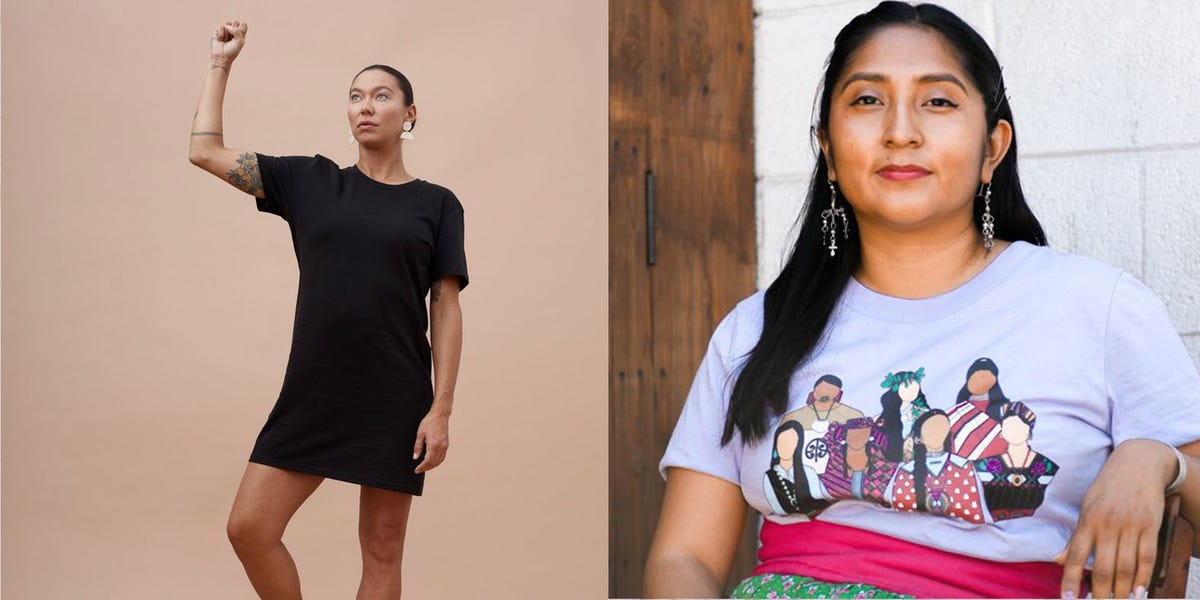
Indigenous fashion is not a trend. It is storytelling, business leadership, cultural continuity, design innovation, andlet’s be honestsome seriously good style. From luxury couture and handcrafted moccasins to graphic streetwear, swimwear, denim, blankets, jewelry, and everyday basics, Indigenous and Native-owned clothing brands are reshaping what modern fashion can look like.
Shopping from Indigenous and Native-owned clothing brands also matters because it moves support away from mass-produced “Native-inspired” products and toward artists, designers, and communities creating work from lived culture. In other words, it is the difference between buying a copy-and-paste design from a mystery warehouse and buying from the people whose stories, teachings, and creativity actually shaped the work. Your closet can have taste and a conscience. Revolutionary, right?
This guide highlights 35 Indigenous and Native-owned clothing brands and companies across the United States, Canada, Australia, and beyond. Some are runway-ready. Some are cozy enough for Sunday laundry day. Some make statement tees that say what your group chat has been saying for years. All of them show how powerful fashion becomes when it is rooted in authenticity.
Why Indigenous and Native-Owned Clothing Brands Matter
For decades, mainstream fashion has borrowed from Indigenous cultures without proper credit, permission, or financial benefit to the communities being referenced. That history makes authentic Indigenous fashion especially important. When you buy directly from Native designers, tribally owned businesses, or Indigenous-led fashion companies, you help support original creators and reduce demand for knockoffs.
Indigenous fashion also challenges the idea that Native design must look one specific way. It can be beadwork, denim, couture, minimalist streetwear, bold prints, sustainable swimwear, athletic clothing, ribbon-inspired patterns, or a hand-shaped hat made from reclaimed materials. There is no single “Indigenous aesthetic.” There are many nations, communities, families, languages, and design traditionsand the brands below prove it beautifully.
35 Indigenous and Native-Owned Clothing Brands to Know
1. Urban Native Era
Urban Native Era is one of the best-known Indigenous-owned streetwear brands, recognized for clean, powerful graphics such as “You Are On Native Land.” The brand makes hats, tees, hoodies, sweatpants, and accessories that turn everyday clothing into a statement of visibility.
2. B.YELLOWTAIL
Founded by Bethany Yellowtail, B.YELLOWTAIL is a Native American woman-owned fashion and lifestyle brand known for apparel, silk scarves, textiles, and artful designs. The brand blends contemporary fashion with authentic Indigenous design, making it a strong choice for shoppers who want wearable storytelling.
3. Beyond Buckskin Boutique
Beyond Buckskin, created by Dr. Jessica R. Metcalfe, is more than a shopit is a platform for Native American and First Nations designers. The boutique carries clothing, jewelry, accessories, and art from Indigenous makers, making it a helpful place to discover multiple creators at once.
4. ACONAV
ACONAV is a Native American-owned couture fashion brand founded by Loren and Valentina Aragon. Based in Phoenix, the brand draws from Acoma Pueblo and Navajo cultural connections, creating elegant designs that celebrate women’s strength and modern Native representation.
5. Ginew
Ginew is widely recognized as a Native American-owned denim and lifestyle brand founded by Amanda Bruegl and Erik Brodt. Its jeans, jackets, leather goods, blankets, and bandanas combine heritage references with durable, small-batch craftsmanship.
6. Jamie Okuma / J.Okuma
Jamie Okuma is a celebrated Native American fashion artist known for ready-to-wear pieces, intricate artwork, graphic patterns, and museum-worthy design. Her work has helped expand mainstream understanding of Indigenous fashion beyond stereotypes and into fine art, couture, and modern luxury.
7. Lauren Good Day
Lauren Good Day creates wearable art rooted in Arikara, Hidatsa, Blackfeet, and Plains Cree heritage. Her collections often feature vivid colors, geometric motifs, accessories, and apparel that feel joyful, confident, and highly collectible.
8. OXDX Clothing
OXDX is a Diné-owned fashion label based in Tempe, Arizona. Founded by Jared Yazzie, the brand uses bold graphics, tees, hoodies, and visual storytelling to address Indigenous identity, history, and contemporary issues.
9. Eighth Generation
Eighth Generation is a Seattle-based Native-owned and tribally owned lifestyle brand known for its “Inspired Natives, not Native-inspired” approach. The company produces Native-designed blankets, scarves, socks, bags, towels, and other goods while collaborating with Indigenous artists.
10. Section 35
Section 35, founded by Justin Louis of Samson Cree Nation, brings Indigenous art and culture into modern streetwear. Expect graphic tees, hoodies, outerwear, sportswear-inspired pieces, and designs that feel bold without trying too hardwhich is harder than it sounds.
11. Lesley Hampton
Lesley Hampton is an Indigenous-owned, size-inclusive fashion brand based in Toronto. Known for eveningwear, bridal pieces, everyday luxury, and accessories, the brand centers body neutrality, mental wellness, and authentic representation.
12. Anne Mulaire
Anne Mulaire is a Métis-led sustainable fashion brand based in Winnipeg. The company makes comfortable, long-lasting clothing such as leggings, tops, dresses, and basics, with an emphasis on ethical production, inclusive sizing, and eco-conscious fabrics.
13. EMME Studio
Created by Korina Emmerich, EMME Studio is a slow-fashion clothing and accessory brand connected to Puyallup heritage and social justice. The work often uses upcycled materials, natural fibers, and thoughtful production methods.
14. 4KINSHIP
4KINSHIP is a Navajo-owned fashion and lifestyle brand known for upcycled vintage pieces, bold color, and Southwestern-inspired energy grounded in Native creativity. It is a great brand for shoppers who love clothing with personality and a little “yes, I planned this outfit” drama.
15. ThunderVoice Hat Co.
ThunderVoice Hat Co. is known for hats, shirts, footwear, jewelry, blankets, and reclaimed-material design. The brand’s creative identity often centers sustainability, Navajo influence, and a strong respect for the materials being used.
16. Manitobah
Manitobah is famous for mukluks and moccasins, but its broader footwear and accessory collections have helped bring Indigenous-rooted design to a global audience. The brand was founded by Métis entrepreneur Sean McCormick and continues to support Indigenous artists and communities.
17. Mobilize Waskawewin
Mobilize is a Cree-owned streetwear brand that uses hoodies, shirts, denim, patches, and bold design to empower Indigenous identity. Its work is especially appealing for shoppers who want pieces that feel both modern and mission-driven.
18. Warren Steven Scott
Warren Steven Scott is an Indigenous designer from the Nlaka’pamux Nation whose brand includes clothing, accessories, and art. His work often bridges contemporary luxury with ancestral worldview, producing pieces that feel sculptural, colorful, and refined.
19. Makwa Studio
Makwa Studio, founded by artist and designer Maggie Thompson, is known for knitwear, scarves, hats, tops, and textile-based pieces. The brand’s work is warm, graphic, and modernbasically what your winter wardrobe has been politely begging for.
20. Alano Edzerza
Alano Edzerza is a Tahltan multimedia artist whose brand includes patterned streetwear, athletic apparel, and art-driven products. His designs often carry strong visual movement, making them ideal for shoppers who like fashion with energy.
21. Red Rebel Armour
Red Rebel Armour is an Indigenous streetwear brand with a social mission. In addition to making apparel, the company is known for supporting Indigenous people who are rebuilding their lives after involvement with the justice system.
22. Niio Perkins
Niio Perkins is an Akwesasne Mohawk designer known for raised beadwork, clothing, jewelry, and pieces that honor Haudenosaunee artistry. Her work feels elegant, powerful, and deeply rooted in generational craft.
23. Soul Curiosity
Soul Curiosity, founded by artist and designer Tessa Sayers, offers apparel, beadwork, bags, blankets, and swimwear connected to wellness and Indigenous teachings. The brand’s creative world feels soft, intentional, and spiritually grounded.
24. TP MOCS
TP MOCS makes baby and children’s moccasins with a mission connected to Indigenous community support. The brand is especially popular for gifts because tiny moccasins are, scientifically speaking, almost impossible not to call adorable.
25. The NTVS
The NTVS is a Native-owned clothing company offering tees, hoodies, snapbacks, tanks, prints, and limited-edition designs. The brand is driven by Indigenous art and culture and often collaborates with Native artists.
26. SheNative
SheNative is an Indigenous-owned lifestyle and fashion brand focused on empowering Indigenous women and changing public perceptions. Its bags, apparel, and accessories make strong use of message-driven design.
27. I Am Anishinaabe
I Am Anishinaabe features work by Delina White, a Native designer, jewelry maker, and beadwork artist. The brand includes couture, scarves, tees, totes, jewelry, and pieces that connect fashion with Anishinaabe identity.
28. White Bear Moccasins
White Bear Moccasins offers handmade and customizable moccasins using materials such as bison, deerskin, and buckskin. The brand is associated with Shauna White Bear, whose work highlights careful craft and personal customization.
29. Born of Legends
Born of Legends is an apparel company known for shirts, hoodies, masks, aprons, and designs that raise awareness of Indigenous issues, including Missing and Murdered Indigenous Women. It is a reminder that clothing can be comfortable and still carry a serious message.
30. Boy Chief Trading Company
Boy Chief Trading Company is known for blankets and designs connected to Blackfoot symbolism, color, and cultural storytelling. While blankets are not “clothing” in the narrowest sense, they are a major part of Indigenous textile expression and wearable warmth.
31. Clan Mother Goods & Apparel
Clan Mother Goods & Apparel offers Indigenous apparel rooted in identity, culture, and survival. The brand’s pieces often combine cultural pride with streetwear attitude, making them easy to style with jeans, sneakers, or your “I definitely meant to look this cool” jacket.
32. Liandra
Liandra, founded by Yolngu designer Liandra Gaykamangu, is known for swimwear and lifestyle pieces with prints rooted in Aboriginal Australian culture. The brand combines refined silhouettes, color, culture, and consciously chosen materials.
33. Evan Ducharme
Evan Ducharme is a Métis designer whose work explores Métis identity, gender, place, tailoring, outerwear, and eveningwear. The brand is strong for shoppers interested in conceptual fashion with cultural depth.
34. Osamuskwasis
Osamuskwasis, founded by Cree and Dene designer Osamuskwasis Roan, is known for colorful clothing, accessories, florals, geometric motifs, and wearable Indigenous art. The brand celebrates joy, resilience, and intergenerational teachings.
35. Red Berry Woman
Red Berry Woman, created by Norma Baker-Flying Horse, blends Native American traditional garment styles with contemporary couture and ready-to-wear. The brand has gained attention for elegant, culturally grounded designs worn by high-profile Indigenous figures and models.
How to Shop Indigenous Fashion Respectfully
Start by checking who owns the brand and who designed the product. A label saying “Native-inspired” is not the same as Native-owned, Indigenous-designed, or artist-collaborative. Look for transparent information about the founder, tribal affiliation when shared publicly, artist partnerships, materials, and production practices.
Second, understand that not every Indigenous-made piece is meant to be cheap, fast, or endlessly available. Many designers work in small batches, produce made-to-order items, or use handwork that takes time. If a hoodie sells out, that is not poor planning; it may be ethical production saying, “Please calm down, supply chain gremlin.”
Third, respect cultural boundaries. Some items are designed for everyone; others may carry specific ceremonial, community, or cultural meaning. When in doubt, read the product description, brand FAQ, or designer notes. Many Indigenous brands clearly explain which pieces are appropriate for broad wear and which designs require context.
Shopping Experience: What It Feels Like to Build a Wardrobe Around Native-Owned Brands
The best experience with Indigenous and Native-owned clothing brands begins with slowing down. Modern online shopping trains people to scroll, click, and forget. Indigenous fashion asks for a different rhythm. You notice the maker. You read the story behind the print. You learn why a phrase matters, why a color combination appears, or why a designer chose reclaimed fabric instead of new yardage. Suddenly a shirt is not just a shirt. It is a conversation starter, a small act of support, and occasionally the reason strangers compliment you in the grocery store while you are holding cereal.
One practical experience shoppers often mention is variety. A person might arrive looking for one graphic tee and leave with a mental wishlist that includes moccasins, a wool blanket, a silk scarf, denim, swimwear, beadwork earrings, and a couture dress they have no event for but emotionally require. This variety is important because it breaks the outdated idea that Indigenous fashion belongs only in museums, ceremonies, or special cultural events. These brands prove that Indigenous design belongs in everyday wardrobes, on runways, at beaches, in offices, at concerts, and yes, on the couch during a snack-based movie marathon.
Another part of the experience is learning to value limited production. Many Native-owned clothing companies do not operate like giant fast-fashion retailers. Drops may be seasonal. Sizes may sell out. Custom pieces may require patience. That can feel inconvenient at first, but it also makes the purchase more meaningful. You are not buying an anonymous item from a warehouse pile the size of a small mountain. You are often buying from a designer, a family-run business, a collective, or a company working closely with Indigenous artists.
Fit and styling can be surprisingly easy. Indigenous streetwear pairs naturally with denim, cargo pants, sneakers, boots, and layered jackets. A scarf from B.YELLOWTAIL or Eighth Generation can upgrade a plain outfit without requiring a fashion degree or a dramatic mirror montage. Moccasins and mukluks from Indigenous footwear brands add function and heritage-informed design. A Lauren Good Day print or Lesley Hampton piece can turn a simple look into something polished and memorable. The secret is to let one statement piece lead and keep the rest simple.
The most rewarding experience, though, is the shift in mindset. Buying from Indigenous and Native-owned clothing brands turns fashion into relationship-based shopping. You start asking better questions: Who made this? Who benefits? What story is being told? Is this appreciation or appropriation? Those questions make you a smarter shopper everywhere, not just in Indigenous fashion. And your closet becomes more than a place where laundry goes to negotiate. It becomes a collection of choices with meaning, beauty, and accountability.
Conclusion
Indigenous and Native-owned clothing brands are shaping the future of fashion with originality, resilience, sustainability, and cultural authority. Whether you love streetwear, high fashion, denim, moccasins, swimwear, jewelry, blankets, or everyday basics, there is an Indigenous designer or Native-owned company creating something worth knowing.
Supporting these brands is not about treating a purchase like charity. It is about recognizing excellent design and making sure the people behind the culture receive the credit, respect, and revenue. From Urban Native Era’s visibility-driven streetwear to Jamie Okuma’s elevated artistry, Manitobah’s footwear, Ginew’s denim, and B.YELLOWTAIL’s contemporary Native fashion, these companies prove that authentic design has power. Your wardrobe gets better. Indigenous creators get supported. The knockoff aisle gets ignored. Everybody winsexcept maybe the knockoff aisle, and frankly, it had this coming.