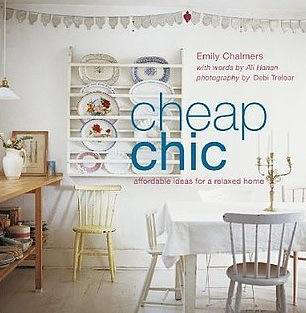
Some design books arrive wearing pearls, whispering about custom millwork and sofas that cost more than a sensible used car. Cheap Chic by Emily Chalmers walks in with a flea-market lamp under one arm, a roll of fabric under the other, and a very practical question: “What if your home could look deeply personal without terrifying your bank account?”
That is the charm of Cheap Chic: Affordable Ideas for a Relaxed Home, the much-loved interiors book by Emily Chalmers and Ali Hanan. It belongs on the shelf of anyone who wants a stylish home but does not want to live on instant noodles for six months to afford one chair. The book’s central idea is refreshingly sane: great rooms are not built only with expensive furniture, designer labels, or showroom perfection. They are built with color, texture, confidence, patience, thrifted treasures, clever basics, and a little bit of decorative mischief.
For readers who love relaxed interiors, vintage decorating, flea market style, affordable home decor, and rooms that look collected rather than purchased in one panicked Saturday afternoon, Cheap Chic still feels relevant. In fact, it may be more relevant now than ever. With furniture prices rising, small-space living becoming common, and sustainability moving from trend to necessity, Chalmers’ approach to budget decorating feels less like a compromise and more like the smartest person at the party.
What Is Cheap Chic Really About?
Cheap Chic is not about making a home look “cheap.” That word has baggage. It has the emotional energy of a wobbly plastic chair and a lamp that buzzes like it has secrets. The book uses “cheap” in the better sense: affordable, resourceful, approachable, and free from the snobbery that sometimes clings to interior design like dust on a forgotten chandelier.
The book shows readers how to combine well-chosen mainstream pieces with individual finds, vintage objects, textiles, lighting, paint, and creative display ideas. It is built around the practical ingredients of a room: color, pattern, fabric, window treatments, furniture, storage, accessories, lighting, materials, and flooring. Instead of treating budget as a design curse, Chalmers treats it as a creative framework.
That distinction matters. A limited budget forces decisions. It asks you to notice what you already own, hunt carefully, reuse boldly, and spend where it counts. A high budget can buy polish, but a thoughtful budget can create personality. Cheap Chic arguesquietly, beautifully, and with plenty of visual evidencethat personality wins.
Why Emily Chalmers’ Design Voice Still Works
Emily Chalmers is known for interiors that blend vintage character with modern ease. Her broader work, including books such as Flea Market Style and Modern Vintage Style, celebrates the art of mixing rather than matching. Her style is not about chasing a perfect catalog room. It is about creating homes with rhythm, warmth, humor, and evidence of real life.
That is exactly why Cheap Chic works as required reading. It does not scold readers for owning ordinary furniture. It does not imply that a room is doomed because the sofa came from a chain store. Instead, it teaches a more useful design skill: how to layer affordable pieces with items that have soul.
A simple white bookcase can become interesting when styled with old ceramics, framed postcards, worn hardbacks, and a sculptural lamp. A basic bed can feel charming with linen bedding, a thrifted quilt, and a painted secondhand nightstand. A dining table does not need royal ancestry if it is surrounded by good light, useful chairs, and a vase that looks like it has lived an adventurous life.
The Main Design Lessons From Cheap Chic
1. Start With What You Have
One of the smartest ideas behind affordable interior design is also the easiest to ignore: before buying anything, look carefully at what is already in the room. Many people decorate by panic-shopping. A corner feels empty, so they buy a table. The table looks lonely, so they buy a lamp. The lamp makes the wall look sad, so they buy art. Suddenly the room is full, the credit card is wheezing, and nothing really works together.
Cheap Chic encourages a slower approach. Take inventory. Move things between rooms. Try the hallway mirror above the bedroom dresser. Use a kitchen chair as a bedside table. Put old jars on a shelf for storage. Rediscover forgotten textiles. The cheapest design move is often not buying something new; it is seeing something old with better eyes.
2. Mix High-Street Basics With One-of-a-Kind Finds
Affordable home decor becomes more interesting when it avoids the “all from one store” look. A room filled only with new mass-market pieces can feel efficient but flat, like it was assembled by a very organized robot. The magic happens when basic pieces are mixed with vintage, handmade, inherited, or thrifted items.
For example, a plain modern sofa can handle patterned pillows made from old fabric remnants. A simple metal bed frame can look romantic with a vintage blanket and mismatched bedside lamps. Store-bought curtains can feel custom when hung high and wide, or trimmed with ribbon, fringe, or a contrasting panel. The goal is not to hide budget pieces. It is to give them better company.
3. Color Is a Budget Decorator’s Superpower
Paint remains one of the most dramatic low-cost decorating tools. A wall color can make secondhand furniture feel intentional, turn awkward architecture into a feature, and give a room emotional direction. Soft neutrals can create calm. Deep greens and blues can make a small room feel cocoon-like. Warm terracotta, ocher, or coral can rescue a space from beige boredom.
Chalmers’ design world often favors color that feels lived-in rather than loud for the sake of being loud. The lesson is not “paint everything neon and hope for applause.” It is to use color as a connector. If a thrifted chair, a patterned rug, and a piece of art share a similar tone, the room begins to feel collected rather than chaotic.
4. Texture Makes Affordable Rooms Feel Rich
Texture is the secret handshake of good budget decorating. You can have inexpensive furniture, but if the room includes linen, wood, wicker, wool, ceramic, metal, paper, glass, and woven fibers, the eye has plenty to enjoy. Texture gives depth where price tags cannot.
Imagine a simple white room with a cotton slipcovered sofa, a rough wooden coffee table, a jute rug, a brass lamp, a stack of books, and a handmade bowl. None of those pieces must be wildly expensive, but together they create warmth. The room feels human. It has a pulse. It does not look like it was shrink-wrapped and delivered by a truck called “Instant Personality.”
5. Storage Can Be Stylish
Budget homes often need smart storage because real life comes with cables, shoes, paperwork, towels, craft supplies, and mysterious objects everyone swears are important. Cheap Chic treats storage and display as design opportunities, not afterthoughts.
Open shelves can display everyday dishes. Baskets can hide clutter while adding texture. Vintage cabinets can store linens. Peg rails can hold bags, hats, aprons, or tools. A humble crate can become book storage. When storage is visible, it should look intentional. When it is not beautiful, give it a basket and let it live in peace.
Why Flea Market Style Feels More Personal Than Fast Decor
Flea market decorating works because it introduces surprise. A vintage mirror has a different emotional effect than a new mirror. A hand-painted plate, a slightly crooked side table, or an old glass lamp brings a sense of story. These pieces make a room harder to copy, which is exactly the point.
Fast decor can solve a problem quickly, but it often creates rooms that feel temporary. Secondhand and vintage finds require more patience, but they reward the hunt. You may not find the perfect dresser today. You may find it three months from now in a thrift store, hiding under a ceramic rooster and a stack of board games. This is the glamorous reality of budget decorating: sometimes style smells faintly like a church basement until you clean it properly.
The best flea market finds usually have strong shape, useful function, or interesting material. Look for solid wood furniture, ceramic lamps, framed art, mirrors, baskets, stools, glassware, stoneware, quilts, and small tables. Avoid pieces that need repairs beyond your skill level unless you enjoy living with “future projects,” also known as furniture-shaped guilt.
How to Apply the Cheap Chic Philosophy Room by Room
Living Room
Start with comfort. A stylish living room that nobody wants to sit in is just a furniture museum with throw pillows. Choose a practical sofa or seating arrangement, then add layers: a secondhand coffee table, a washable rug, thrifted art, a floor lamp, and textiles with different textures.
If the room feels scattered, repeat one or two colors. If it feels dull, add pattern. If it feels cold, add wood, woven materials, or warm lighting. If it feels cluttered, remove half the small accessories and let the remaining pieces breathe. Editing is free, which makes it the most underrated decorating tool in the universe.
Bedroom
The bedroom is where Cheap Chic really shines because soft goods do much of the work. Bedding, curtains, rugs, lampshades, and cushions can transform a plain room quickly. A basic bed becomes inviting with layered linens, a quilt, a textured throw, and a pair of mismatched but balanced bedside tables.
For affordable bedroom decor, avoid buying everything as a matching set. Matching sets can look neat, but they often remove the charm. Instead, combine a simple dresser with an old mirror, a modern lamp with a vintage chair, or plain bedding with patterned pillowcases. The goal is relaxed, not random.
Kitchen and Dining Area
Kitchens are expensive to renovate, but they are surprisingly easy to refresh. Change cabinet hardware, paint a small wall, add open shelving, display everyday dishes, use hooks for mugs or pans, and bring in a vintage table if space allows. A secondhand dining table with honest wear can look far better than a new one pretending to be rustic.
Cheap chic kitchen style is about usefulness with charm. Glass jars, old pitchers, wooden boards, café curtains, enamelware, and simple flowers can make the room feel alive. Even a tiny breakfast corner can become memorable with a small bistro table, two sturdy chairs, and a pendant light that does not look like it came from an office supply closet.
Bathroom
Bathrooms are often ignored until they become a tragic kingdom of plastic bottles. The affordable fix is simple: better textiles, better storage, and better lighting. Add a fabric shower curtain, a small stool, a framed print, attractive hooks, and baskets for toiletries. Replace a harsh bulb with warmer light. Decant everyday items if you like that polished look, but do not feel morally obligated to pour shampoo into a tiny amber bottle unless it brings you joy.
The Sustainability Angle: Budget Decorating With a Conscience
One reason Cheap Chic feels current is its natural alignment with sustainable decorating. Reusing furniture, buying secondhand, repairing pieces, and choosing quality basics over disposable trends all reduce waste. A thrifted chair is not just affordable; it keeps one more object out of the landfill.
The book’s philosophy also encourages slower consumption. Instead of replacing an entire room every time trends change, you build a flexible foundation and update through smaller layers: cushions, lampshades, art, paint, rugs, and seasonal textiles. This creates a home that evolves rather than expires.
Sustainable style does not have to look severe. It can be colorful, funny, romantic, modern, rustic, or wonderfully eccentric. A home filled with reused pieces can still feel fresh when the arrangement is thoughtful and the colors are intentional.
Common Budget Decorating Mistakes to Avoid
Buying Too Much Too Quickly
The fastest way to ruin a budget room is to buy everything at once. Good rooms need time. Live in the space. Notice where light falls. See what you actually use. Then buy slowly and specifically.
Confusing “Vintage” With “Anything Old”
Not every old object deserves a place in your home. Some pieces are charming. Some are just tired. Choose items with good lines, useful function, or emotional meaning. A vintage cabinet with character is a treasure. A wobbly chair that threatens guests is a lawsuit wearing upholstery.
Ignoring Scale
Affordable finds still need to fit the room. A tiny rug makes a living room feel nervous. A huge sofa can swallow a small apartment. A lamp that is too short will make reading feel like an interrogation. Measure first. Your future self will applaud quietly.
Using Only Overhead Lighting
Lighting can make or break a cheap chic room. Overhead lighting alone often feels harsh. Add table lamps, floor lamps, wall lights, or plug-in sconces. Layered lighting makes affordable furniture look softer, warmer, and more intentional.
Who Should Read Cheap Chic?
This book is ideal for renters, first-time homeowners, small-space dwellers, vintage lovers, DIY decorators, students, creative families, and anyone who wants a home with personality but not a terrifying receipt. It is especially useful for readers who feel overwhelmed by interior design rules. Chalmers’ approach gives permission to experiment.
It is also useful for people who think they have “no style.” Often, having style simply means noticing what you repeatedly love. Do you collect blue ceramics? Are you drawn to worn wood? Do you like striped textiles, old portraits, painted furniture, or industrial lamps? Those preferences are clues. Cheap Chic helps readers follow those clues without turning the home into a theme restaurant.
Why Cheap Chic Belongs on a Modern Design Bookshelf
Many interior design books age badly because they are too attached to a specific trend. Cheap Chic endures because it focuses on principles rather than formulas. Mix old and new. Spend carefully. Use color. Add texture. Display meaningful objects. Improve lighting. Make storage attractive. Let rooms feel relaxed.
These ideas are not trendy; they are durable. They work in a studio apartment, a suburban house, a rented room, a cottage, or a city loft. They work for maximalists and minimalists, although maximalists may need to be gently reminded that “display” and “pile” are cousins, not twins.
The real value of the book is confidence. It helps readers stop waiting for the perfect budget, the perfect house, or the perfect shopping list. It says: start now, start small, and make the room better with imagination.
Practical Cheap Chic Decorating Checklist
- Shop your own home before buying anything new.
- Choose a simple color palette to connect mixed pieces.
- Use paint for high-impact, low-cost transformation.
- Mix mainstream basics with vintage, thrifted, or handmade items.
- Add texture through wood, linen, wool, metal, ceramic, glass, and woven materials.
- Upgrade lighting with lamps and warm bulbs.
- Use baskets, shelves, hooks, and cabinets to make storage attractive.
- Buy secondhand pieces with good shape and solid construction.
- Edit accessories so special objects have room to stand out.
- Decorate slowly instead of panic-buying an entire room.
Conclusion: Cheap Chic Is a Mindset, Not a Price Tag
Required Reading: Cheap Chic by Emily Chalmers is more than a design-book recommendation. It is a reminder that style does not have to be expensive, intimidating, or professionally installed by someone carrying 47 fabric samples and a very serious tote bag.
The best homes are not always the most polished. They are the ones that feel layered, personal, comfortable, and alive. Cheap Chic teaches readers how to build that feeling with modest means: a thrifted lamp, a better wall color, a repaired chair, a meaningful collection, a clever storage idea, a bold textile, or one beautiful object placed exactly where it belongs.
In a world full of fast furniture and algorithm-approved rooms, Emily Chalmers’ message still feels generous and useful: buy less, look harder, mix better, and trust your eye. A stylish home is not about proving how much you spent. It is about creating a place that welcomes you back every day and says, “Yes, this is yours.” Preferably with good lighting.
Personal Experience: Living With the Cheap Chic Mindset
The real beauty of the Cheap Chic approach is that it changes how you walk through the world. Once you understand the value of affordable style, every ordinary errand becomes a potential design expedition. A Saturday trip to a thrift store is no longer just a quick browse; it becomes a treasure hunt with better parking. An old chair on the curb is no longer “trash” immediately. It is a question: Could this be saved, painted, reupholstered, or at least admired from a safe distance?
One of the most useful experiences related to this topic is learning how much patience matters. When decorating on a budget, the temptation is to fill the room quickly because empty corners feel unfinished. But the best affordable rooms often come together slowly. You find a lamp one month, a rug two months later, a framed print while traveling, and a perfect side table when you were not even looking for one. That slow process gives the room a story. It also prevents the dreaded “everything came from the same sale aisle” effect.
Another lesson is that small upgrades can feel surprisingly powerful. Changing a lampshade can make a tired lamp look intentional. Hanging curtains higher can make a low-ceilinged room feel taller. Painting a scratched dresser can turn it from “garage exile” into a bedroom hero. Swapping plastic storage bins for baskets can make clutter look almost poetic, which is a small miracle considering clutter usually behaves like a raccoon in a cardigan.
Living with cheap chic style also teaches you to respect imperfection. A vintage table may have a scratch. A secondhand mirror may have a tiny mark in the glass. A flea market cabinet may not close with the silent precision of luxury millwork. But those flaws often make a room feel human. Perfect rooms can be beautiful, but imperfect rooms are easier to love.
The most rewarding part is realizing that budget decorating builds confidence. At first, mixing patterns or buying secondhand furniture can feel risky. What if it looks strange? What if nothing matches? But after a few successful choices, you begin to trust your eye. You learn that a room does not need to match perfectly to feel harmonious. It needs repetition, balance, comfort, and a few pieces that make you smile for reasons nobody else needs to understand.
That is why Cheap Chic remains such a valuable idea. It is not just about saving money. It is about creating a home with curiosity, humor, and independence. It gives people permission to decorate with what they can afford now, not someday when life becomes magically calmer and the budget grows wings. In practice, cheap chic is generous. It says your home can be beautiful today, even if the sofa is basic, the art is thrifted, and the side table once had a suspicious life in someone’s garage.
The experience of applying this mindset is simple but powerful: you stop asking, “Is this expensive enough?” and start asking, “Does this add warmth, function, character, or joy?” That one question can change everything.
Note: This article is original editorial content for web publication, synthesized from reputable book, design, and home-decor references. No source links are embedded in the article body for a cleaner publishing format.