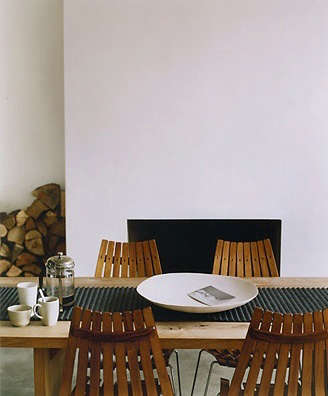
The Scandia Chair is the kind of furniture that makes people pause mid-sentence and say, “Wait, what is that?” It does not shout for attention with giant cushions, dramatic arms, or a frame that looks like it was designed during a caffeine-fueled argument. Instead, it wins the room with quiet confidence: a sculptural seat made from slender laminated wooden slats, a clean metal base, and a silhouette that somehow feels both vintage and fresh enough to live beside a laptop, a linen sofa, and a slightly overwatered fiddle-leaf fig.
Designed by Norwegian furniture designer Hans Brattrud in 1957, the Scandia Chair has become one of the most recognizable examples of Scandinavian modern furniture. It began as a student project at the National College of Art & Design in Oslo, but it did not stay in the classroom for long. Its clever construction, graceful curves, and practical comfort helped it grow into a celebrated chair collection, admired by collectors, architects, interior designers, and anyone who enjoys furniture with a backboneliterally and aesthetically.
Today, the Scandia Chair is more than a chair. It is a small lesson in how good design survives trends. Whether you are researching mid-century modern chairs, looking for authentic Scandinavian furniture, or trying to understand why a ribbed wooden seat can make design lovers speak in poetic whispers, the Scandia Chair deserves a closer look.
What Is the Scandia Chair?
The Scandia Chair is a Scandinavian modern chair collection best known for its laminated wooden slat seat and back, shaped into an elegant three-dimensional curve. The original design was created by Hans Brattrud in 1957 and later produced by Hove Møbler in Norway. Modern versions are associated with Fjordfiesta, a Norwegian furniture manufacturer known for reviving classic Nordic designs.
The chair’s most distinctive feature is its ribbed shell. Instead of using one solid molded panel, Brattrud used horizontal slats that create a flexible, body-hugging form. This approach gave the chair a sense of movement and lightness. From the side, it looks almost like a wave frozen in wood. From the front, it feels architectural but not cold. From the seat, it feels surprisingly comfortable, which is important because a chair should not merely be a sculpture that punishes your lower back.
The Designer Behind the Chair: Hans Brattrud
Hans Brattrud was a Norwegian designer whose name is closely tied to the Scandia Chair. Born in 1933, Brattrud developed the chair while still a student. That fact alone gives the design a charming origin story: one young designer, one ambitious school project, and one chair that refused to behave like ordinary furniture.
Brattrud’s goal was not just to make a good-looking seat. He wanted to explore how a two-dimensional laminated form could become a three-dimensional sitting experience. The result was a chair that used wood intelligently, not heavily. It balanced craft, engineering, and visual rhythm in a way that still feels modern decades later.
In the broader world of Scandinavian furniture design, Brattrud belongs in the conversation with designers who valued simplicity, material honesty, and everyday usefulness. The Scandia Chair is not decorative in a fussy way. It is decorative because its structure is beautiful. That is a very Scandinavian trick: make the useful part so elegant that nobody misses the ornament.
Why the Scandia Chair Became a Scandinavian Design Classic
Many chairs are attractive for a season. The Scandia Chair has lasted because its beauty comes from construction, not styling. Its wooden ribs are not just visual decoration. They form the seat, support the back, and create the chair’s signature identity. This is why the design still feels relevant in modern homes, offices, boutique hotels, galleries, and carefully edited dining rooms where nobody is allowed to put a wet glass directly on the table.
1. The Shape Is Instantly Recognizable
A Scandia Chair does not disappear into a room. Its curved slats create shadow, depth, and rhythm. Unlike bulky lounge chairs, it feels light and open. That makes it especially useful in interiors where visual space matters. A set of Scandia dining chairs can add character without making the room feel crowded.
2. The Materials Feel Honest
The Scandia Chair is strongly associated with wood and metal, two materials that age beautifully when treated well. Vintage examples may appear in teak, rosewood, or other veneers, while contemporary versions often use oak or walnut. The metal base adds stability and contrast, keeping the chair from looking too rustic or too delicate.
3. It Balances Art and Use
Some famous chairs look wonderful until a real human being attempts to sit in them. The Scandia Chair avoids that trap. Its curved shell is designed to follow the body, while the slatted construction gives the back and seat a light visual presence. It is stylish, yes, but not in the “please admire me from across the room” category.
Different Versions of the Scandia Chair
The phrase “Scandia Chair” can refer to several related models in the Scandia collection. Understanding the differences helps shoppers, collectors, and design fans identify the right piece.
Scandia Junior
The Scandia Junior is often used as a dining chair. It has the same signature laminated slat construction but in a practical size for dining tables, workspaces, and compact interiors. Modern Scandia Junior versions are commonly seen in oak, walnut, and colored finishes, making them suitable for both classic Scandinavian interiors and more contemporary rooms.
Scandia Nett
The Scandia Nett is a lounge chair version designed for more relaxed seating. It has a lower, wider stance and works well in reading corners, living rooms, and hospitality spaces. Its shape invites a slower kind of sittingthe kind where you say you will read one chapter and somehow wake up forty minutes later with the book on your chest.
Scandia Senior
The Scandia Senior is generally associated with a taller, more dramatic profile. Vintage Scandia Senior chairs are especially desirable among collectors because they combine height, sculptural presence, and mid-century character. In a room, a Scandia Senior does not simply “provide seating.” It makes a design statement, but politely, because it is Norwegian.
Scandia Bar Stool
Later additions to the Scandia family include bar stool versions. These extend the design language into kitchen islands, bars, and hospitality interiors. The high back and slim frame make the stool more refined than the usual chunky counter seating that looks like it wandered in from a sports pub.
Construction: Why the Slatted Design Matters
The Scandia Chair’s laminated slats are the heart of the design. Each slat contributes to the chair’s curved form, creating a seat that is both structured and visually light. This construction method also allows the chair to have a flexible-looking profile without sacrificing strength.
The slats create negative space, which is design-speak for “the gaps are doing important work.” Those gaps make the chair appear less heavy. They also allow light to pass through, creating subtle shadows that change throughout the day. Put a Scandia Chair near a window and you may suddenly become the kind of person who notices afternoon light. Congratulations; the chair has upgraded your personality.
The base is usually metal, often chrome or steel depending on the model and period. This contrast between warm wood and cool metal is a classic mid-century modern move. It keeps the chair from feeling too cabin-like while preserving the organic appeal of natural material.
How to Style a Scandia Chair at Home
The Scandia Chair is versatile, but it looks best when given room to breathe. Because the slatted back is so visually interesting, avoid hiding it against a cluttered wall or under piles of coats. This chair deserves better than becoming a laundry assistant.
In the Dining Room
A set of Scandia Junior chairs can make a dining room feel intentional without becoming formal. Pair them with a simple wood table for a warm Scandinavian look, or contrast them with a stone, glass, or black table for a sharper modern effect. If the chairs are in oak, they pair beautifully with pale walls, wool rugs, and simple ceramic lighting. Walnut versions feel richer and work well with darker floors or brass accents.
In the Living Room
A Scandia Nett or Scandia Senior can function as an accent chair. Place it beside a low side table, a floor lamp, and a textured rug. Because the chair has such a strong silhouette, it does not need much styling. A small leather or sheepskin headrest can add comfort and warmth, but avoid over-accessorizing. The chair already brought its own personality to the party.
In an Office or Studio
The Scandia Chair works surprisingly well in creative workspaces. Its disciplined form gives the room a sense of order, while its sculptural back adds inspiration. For a home office, one Scandia dining chair can serve as a guest chair or a design-forward reading seat. It is not necessarily the best choice for eight-hour ergonomic desk work, but it is excellent for adding taste without making the office look like a furniture showroom brochure.
Buying a Scandia Chair: Vintage vs. Modern Reissue
If you are shopping for a Scandia Chair, you will generally encounter two categories: vintage originals and modern reissues. Both have advantages.
Vintage Scandia Chairs
Vintage Scandia chairs appeal to collectors because they carry history, patina, and original production details. Older examples may feature teak, rosewood, or period-specific metal bases. Condition matters greatly. Look for stable frames, intact slats, honest wear, and signs of careful restoration. A little patina can be beautiful; a wobbly frame with mysterious cracking is less charming.
When buying vintage, confirm the seller’s description carefully. Ask about provenance, repairs, finish, dimensions, and whether the chair has been refinished. Photos should show the front, back, side, underside, joints, and close-ups of the slats. If a listing includes only one moody photo taken from across the room, proceed with the caution of a cat approaching a bathtub.
Modern Scandia Reissues
Modern reissues are ideal for buyers who want the Scandia look with current production standards. Contemporary versions may offer more predictable finishes, availability, and replacement options. They also suit people who love the design but do not want to spend weekends decoding vintage listings like ancient furniture scrolls.
Modern Scandia chairs can be especially appealing for dining rooms because buyers may be able to order matching sets. With vintage chairs, assembling a complete set in the same finish and condition can require patience, luck, and possibly a spreadsheet.
How to Care for a Scandia Chair
Proper care depends on the age, finish, and material of the chair, but a few general rules apply. Dust the chair regularly with a soft cloth. Avoid harsh chemical cleaners, especially on wood veneers and lacquered finishes. Keep the chair away from extreme humidity and direct sunlight, which can affect wood color and stability over time.
For vintage pieces, do not rush into refinishing. Original finish can be part of the chair’s value. If the wood looks dry or damaged, consult a furniture restoration professional who understands mid-century modern pieces. The goal is preservation, not turning a historic chair into something that looks like it was dipped in plastic.
For daily use, check the base and fasteners occasionally. Chairs are working objects, not museum ghosts. A little maintenance helps ensure the Scandia Chair remains both beautiful and usable for years.
Why the Scandia Chair Still Feels Modern
The Scandia Chair continues to feel current because it avoids trend-dependent design. It is not tied to one color palette, one decorating movement, or one Instagram filter. Its appeal comes from proportion, material, and construction. That makes it easy to place in many interiors: minimalist apartments, warm Nordic homes, mid-century spaces, modern cabins, design studios, and even eclectic rooms where nothing matches but everything somehow works.
Its sustainability appeal also feels relevant today. Long-lasting furniture is one of the best arguments against disposable design. A chair that remains desirable after decades is not just beautiful; it is responsible. The Scandia Chair reminds us that good furniture should not be treated like seasonal fashion. Nobody should have to replace a chair because last year’s “trend beige” became this year’s “quiet mushroom.”
Scandia Chair Experience: Living With a Design Classic
Spending time with a Scandia Chair changes how you notice furniture. At first, the eye goes straight to the slats. They look delicate, almost musical, like the ribs of a wooden instrument. Then you sit down and realize the design is not only about appearance. The curve supports the body in a way that feels natural, especially for shorter conversations, reading breaks, or dining with friends.
In a dining space, the Scandia Chair has a wonderful ability to make the table feel lighter. Traditional upholstered dining chairs can be comfortable, but they often create a blocky wall around the table. Scandia chairs do the opposite. Their open backs let the room breathe. This is especially helpful in apartments, breakfast corners, and smaller dining rooms where every visual inch matters. A set of Scandia chairs can make a room feel designed without making it feel staged.
One of the most enjoyable experiences is seeing how the chair changes with light. Morning light emphasizes the pale grain of oak. Evening light deepens walnut and adds drama to the spaces between the slats. Even the shadows become part of the design. That may sound overly romantic for a chair, but furniture people are allowed one poetic moment before breakfast.
The chair also teaches restraint. Because it is already sculptural, it discourages clutter. You do not feel tempted to bury it under pillows or throws. A small cushion may be practical for longer sitting, but the chair looks best when its shape remains visible. It rewards simple surroundings: a clean table, a quiet rug, a ceramic vase, maybe one plant that has not given up on life.
For visitors, the Scandia Chair often becomes a conversation starter. People may not know its history, but they notice it. They ask whether it is vintage. They run a hand along the slats. They comment on the curve. In that sense, the chair does what great design should do: it invites attention without demanding applause.
From a practical standpoint, the Scandia Chair is best appreciated as a design-forward seating piece rather than a heavily cushioned lounge monster. It is comfortable, but it is not trying to be a recliner. It supports good posture and encourages sitting with a little dignity. That may be useful in a dining room, where full recliner energy can lead to guests refusing to leave.
Owning or styling a Scandia Chair also creates a deeper appreciation for Scandinavian modern furniture. It shows how simplicity can be complex, how wood can feel architectural, and how a chair designed in the 1950s can still look sharper than many brand-new pieces. The Scandia Chair is not famous because it is old. It is famous because it keeps proving that thoughtful design does not expire.
Conclusion
The Scandia Chair is a standout piece of Scandinavian furniture because it combines visual lightness, structural intelligence, and timeless beauty. Hans Brattrud’s 1957 design transformed laminated wooden slats into a chair that feels sculptural, practical, and unmistakably Nordic. From the Scandia Junior dining chair to the Scandia Nett lounge chair and Scandia Senior models, the collection continues to attract collectors and design lovers for good reason.
Whether you choose a vintage original or a modern reissue, the Scandia Chair brings more than seating into a room. It brings history, craftsmanship, and a calm confidence that few furniture pieces achieve. It is proof that great design does not need to be loud. Sometimes it only needs wood, metal, a brilliant curve, and the good manners to look stunning from every angle.
Note: This article is written as an original SEO-focused furniture guide based on real historical and product information about the Scandia Chair, Hans Brattrud, Scandinavian modern design, vintage furniture markets, and current reissue details.