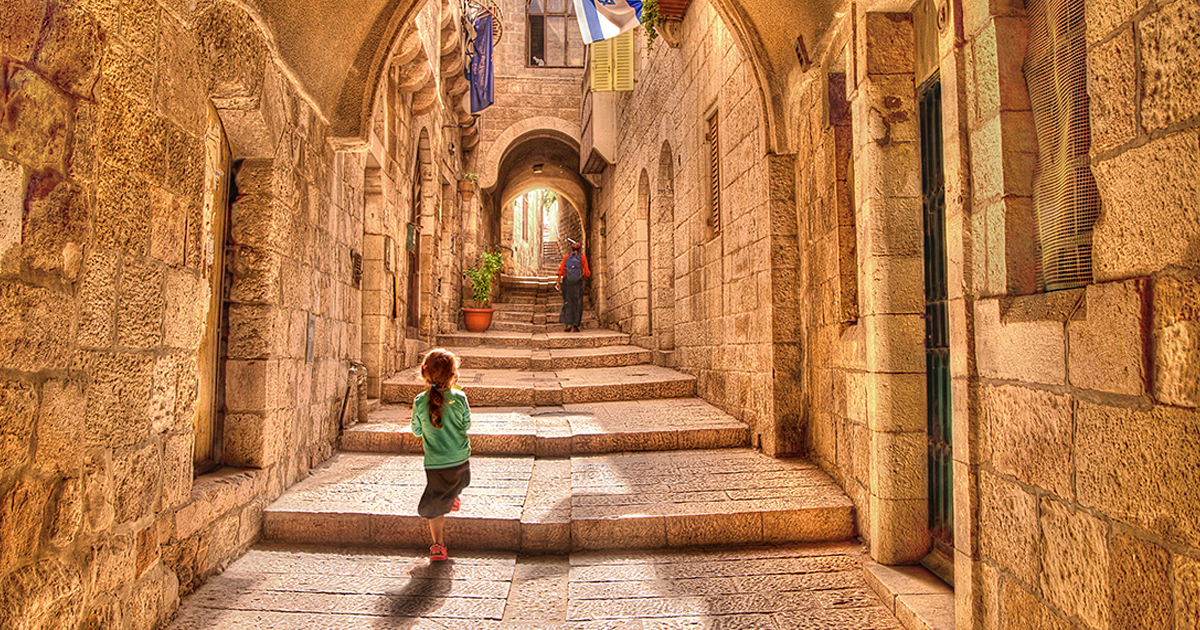
Jerusalem is one of those cities that refuses to sit still for a photograph. Point your camera at a stone wall, and suddenly you are framing three thousand years of longing, argument, prayer, empire, lunch breaks, laundry lines, and one very determined cat who thinks it owns the alley. Spoiler alert: it probably does.
Most people arrive in Jerusalem with a checklist: the Western Wall, the Church of the Holy Sepulchre, the Dome of the Rock, the Mount of Olives, the Old City gates, maybe a hummus stop that turns into a life event. Those landmarks matter deeply. They are iconic for good reason. But behind the lens, Jerusalem becomes more than a postcard of holy sites. It becomes a study in contrast: sunlight against limestone, silence beside market noise, ancient arches above modern sneakers, sacred rituals unfolding next to ordinary errands.
This article is not just about taking Jerusalem photos. It is about learning how to see Jerusalem differently. A camera can flatten a city into proof that you were there, or it can open a door into texture, patience, and story. The difference is perspective. And in Jerusalem, perspective is not a small thing; it is the whole assignment.
Why Jerusalem Looks Different Through a Camera
Jerusalem is visually powerful because it is layered. The Old City alone is a compact maze of religious, cultural, and architectural meaning. Its quarters, gates, courtyards, markets, churches, synagogues, mosques, rooftops, and narrow stone lanes create a cityscape where every angle feels like it has already lived several lives before breakfast.
For photographers, this is both a blessing and a gentle trap. The blessing is obvious: the city is beautiful. The trap is that beauty can make you lazy. It is easy to stand in front of a famous site, raise the camera, click, and walk away with a photo that looks exactly like 80,000 other photos. Nice? Yes. Memorable? Maybe. Yours? Not quite.
To show Jerusalem from a different perspective, I look for what happens around the landmark, not only the landmark itself. A hand resting on old stone. A shaft of light sliding across a doorway. A shopkeeper arranging spices like he is composing a symphony in red, yellow, and brown. A child chasing pigeons in a plaza where adults are carrying the weight of history. The city is not only its monuments. It is also the motion between them.
The Old City: Where Every Alley Has a Plot Twist
The Old City of Jerusalem is often described through its major religious sites, and rightly so. It contains some of the most significant places in Judaism, Christianity, and Islam. But as a photographer, I find that the Old City is also a masterclass in visual storytelling. Its lanes are narrow, its light is dramatic, and its stone surfaces bounce warmth into the frame like a natural reflector that went to architecture school.
Photographing the Western Wall Without Reducing It to a Symbol
The Western Wall is one of Jerusalem’s most recognizable sacred spaces. A distant shot may capture its scale, but a closer, more thoughtful frame can suggest its emotional gravity. I avoid treating it like a backdrop. Instead, I watch for quiet gestures: folded notes, bowed heads, fingertips on stone, the space between people who stand shoulder to shoulder yet seem to be speaking privately with eternity.
Respect matters here. A sacred site is not a movie set, and a prayer is not public property just because it happens outdoors. When photographing near the Western Wall, the best lens is not the longest one; it is the most considerate one. Sometimes the strongest photo is the one you decide not to take. Painful for the camera roll, excellent for the soul.
The Church of the Holy Sepulchre: Photographing Darkness, Light, and Waiting
Inside and around the Church of the Holy Sepulchre, photography becomes an exercise in patience. The space is layered with devotion, movement, candlelight, incense, shadows, and centuries of sacred memory. Instead of trying to capture everything at once, I focus on one visual idea at a time: a flame, a hand, a doorway, a face illuminated for half a second before the crowd closes again.
Low light can be tricky, but it also creates mood. A slightly slower shutter, a steady hand, and a willingness to embrace shadow can produce images that feel honest. Jerusalem does not always reveal itself in bright, clean lines. Sometimes it appears in the glow of a candle and then disappears like it remembered an appointment.
The Dome of the Rock and the Power of Distance
The Dome of the Rock is one of the most visually striking structures in Jerusalem. Its golden dome, geometric details, and elevated presence make it a natural focal point from many viewpoints around the city. Yet the most interesting photographs are not always the closest ones.
From certain rooftops, arches, and distant overlooks, the dome becomes part of a broader conversation with the skyline. Framing it through stone windows or between market awnings can create a layered image: sacred architecture in the background, daily life in the foreground. That is the Jerusalem photograph I love mostthe one where history is not frozen but still breathing.
Finding Fresh Angles Beyond the Famous Sites
Jerusalem rewards anyone willing to look sideways. Of course, the grand views are grand. But the city’s personality often hides in small details: blue doors, chipped paint, metal shutters, carved signs, staircases that appear to lead directly into legend, and cats who pose like unpaid influencers.
Machane Yehuda Market: Color, Chaos, and Candid Energy
Machane Yehuda Market, often called the shuk, is where Jerusalem’s visual rhythm changes. The Old City speaks in stone; the market speaks in color, noise, food, and elbows. Here, the camera has to move faster. Vendors call out, shoppers squeeze past, trays of pastries glow under shop lights, and spices sit in pyramids so perfect they make you question your own work ethic.
For better market photography, I look for repetition and interruption. Rows of fruit are beautiful, but a hand reaching into the frame gives the photo life. A wall of halva is impressive, but a vendor smiling behind it gives the image personality. The goal is not to make the market look tidy. The goal is to capture its delicious disorder.
Rooftops: Jerusalem’s Secret Balcony System
Some of the best Jerusalem photography happens above eye level. Rooftops reveal the Old City as a living map. From above, domes, satellite dishes, laundry lines, courtyards, church towers, minarets, and stone terraces share the same frame. The result is a perspective that feels both intimate and expansive.
Rooftop photography also helps avoid the “landmark postcard” problem. Instead of presenting Jerusalem as one famous object, it shows the city as a mosaic. A good rooftop image can include layers of religion, residence, commerce, and weather all at once. Not bad for a camera and a pair of knees that are quietly filing a complaint after all those stairs.
The Mount of Olives: The Classic View With a New Eye
The Mount of Olives offers one of the most famous panoramic views of Jerusalem. The challenge is to make a familiar view feel personal. I try to arrive when the light is low and warm, because golden hour softens the city’s edges and adds depth to the limestone. But I also look for foreground elements: branches, railings, stones, silhouettes, or people pausing to take in the view.
A wide shot gives context. A tighter shot gives emotion. A series of both can tell a better story than one perfect frame. Jerusalem is too complex for a single “best photo.” It prefers chapters.
How Light Changes the Story of Jerusalem
Light in Jerusalem is not just a technical issue; it is a character. Morning light enters the alleys softly, picking out textures in the stone. Midday light can be harsh, flattening details and turning white walls into enthusiastic reflectors. Evening light brings warmth, depth, and long shadows that make every staircase look like it knows a secret.
For photography behind the lens, I plan around light rather than around convenience. Early morning is ideal for quiet streets, cleaner compositions, and a sense of anticipation. Late afternoon is best for dramatic shadows and golden tones. Night photography brings another Jerusalem forward: glowing shop signs, polished stone, quiet courtyards, and the modern city humming beyond the walls.
If the sky is overcast, I do not panic. Cloudy light is excellent for portraits, details, and market scenes. The city becomes less contrast-heavy, and colors can appear richer. In other words, bad weather is not always bad photography. Sometimes it is just the city changing outfits.
Composition: How to Make Jerusalem Photos Feel Alive
To show Jerusalem from a different perspective, composition matters more than equipment. A great camera helps, but it cannot rescue a boring idea. Before pressing the shutter, I ask: What is the subject? What is the story? What should the viewer feel first?
Use Frames Within the Frame
Jerusalem is full of natural frames: arches, windows, gates, doorways, tunnels, and narrow lanes. Framing a subject through an arch adds depth and context. It also gives the viewer the feeling of discovery, as if they are peeking into a moment rather than being handed a brochure.
Follow Lines and Layers
Staircases, alley walls, rooflines, and market corridors create strong leading lines. These lines guide the eye and give movement to still images. Layers are equally important. A person in the foreground, a street scene in the middle, and a sacred landmark in the distance can produce a photograph that feels full without feeling crowded.
Let People Be People
Human presence gives Jerusalem photography emotional scale. But people should not be used as props. Ask permission when appropriate, avoid intrusive close-ups during prayer or private moments, and remember that daily life deserves dignity. A respectful photo has a different energy. Viewers can feel it, even if they cannot explain why.
Jerusalem Beyond the Ancient Frame
A different perspective also means looking beyond the ancient stone. Modern Jerusalem has cafés, galleries, restaurants, light rail stations, street art, students, musicians, families, cyclists, and late-night conversations that do not fit neatly into a pilgrimage brochure. Photographing only the old cityscape can unintentionally turn Jerusalem into a museum. It is not. It is a living city.
The Israel Museum offers another kind of visual experience, especially around the Shrine of the Book and its distinctive architecture. Yad Vashem, the World Holocaust Remembrance Center, requires a much more solemn approach, reminding photographers that some places are not about aesthetic pleasure but memory, education, and respect. In both cases, the lens must know when to admire, when to document, and when to lower itself.
This is where Jerusalem teaches restraint. Not every meaningful place needs to become content. Not every emotional moment needs to be captured. Sometimes the most mature photographer is the one who lets the camera rest and allows the experience to enter without a lens between it and the heart.
Practical Tips for Photographing Jerusalem Respectfully
First, dress with respect when visiting sacred sites. Modest clothing is often expected, and even where rules vary, courtesy travels well. Second, check local access rules before visiting religious compounds, museums, or sensitive areas. Security conditions and entry policies can change, and a photographer who plans ahead spends more time shooting and less time explaining why a tripod suddenly became a diplomatic incident.
Third, travel light. Jerusalem involves stairs, crowds, uneven stones, and alleys where a huge camera bag can turn you into a slow-moving furniture item. A versatile zoom lens or a small prime lens can be enough for street scenes, portraits, details, and architecture. Fourth, back up your photos. This is less poetic than golden hour, but losing a memory card will humble you faster than climbing the Mount of Olives at noon.
Finally, slow down. Jerusalem is not a city to sprint through with a checklist and a caffeine tremor. Sit in a courtyard. Watch the light move. Listen to the languages around you. Let the city decide what it wants to show you. Cameras are fast; understanding is slow. The best images usually happen somewhere in the middle.
Personal Field Notes: of Experience Behind the Lens
The first lesson Jerusalem teaches behind the lens is that the obvious photo is rarely the final photo. I might arrive at a famous viewpoint with a clear plan, only to find that the better image is happening behind me: a vendor opening his shutters, a woman adjusting a child’s hat, a reflection in a shop window, or a sudden beam of light cutting across a stone passage like it was placed there by a very theatrical electrician.
Walking with a camera in Jerusalem feels different from walking with a camera almost anywhere else. The city constantly asks for attention, but not in one voice. In the Old City, the sound of footsteps on stone mixes with church bells, calls to prayer, conversations in multiple languages, rolling carts, camera shutters, and the occasional scooter entering an alley with the confidence of a tiny dragon. Every sound changes how I frame the scene. Photography becomes less about hunting images and more about listening visually.
One of my favorite experiences is waiting at the edge of a narrow lane until the composition completes itself. At first, there is only stone and shadow. Then someone passes through wearing a bright color, or a shop light flickers on, or a cat appears with the emotional intensity of a retired emperor. The frame becomes alive for one second. That second is the reward for patience.
Another experience that shapes my Jerusalem photography is learning to balance intimacy and distance. In sacred spaces, I do not want the viewer to feel like a tourist pressing their nose against someone else’s private moment. I want the photo to breathe. Sometimes that means including more empty space. Sometimes it means photographing hands instead of faces, shadows instead of crowds, or architecture instead of ceremony. Distance can be respectful, and respect often creates stronger storytelling.
In markets, the opposite is often true. Energy lives up close. I like photographing textures: sesame bread, olives, citrus, copper trays, paper signs, handwritten prices, and spice piles that look dangerously close to collapsing into delicious avalanches. But even there, the best images include rhythm. A market photo should feel noisy without being messy. It should make the viewer imagine smell, motion, and the very real possibility of buying snacks “for later” and eating them immediately.
The most memorable Jerusalem images are rarely perfect. A little blur can suggest movement. A tilted shadow can create tension. A bright highlight can feel like heat. A crowded frame can communicate density. Technical perfection is useful, but emotional accuracy matters more. Jerusalem is not polished in a studio sense. It is layered, worn, radiant, complicated, and alive.
Behind the lens, I learn that Jerusalem cannot be captured by one style. It needs wide shots and quiet details, iconic views and humble corners, sunrise discipline and wandering curiosity. To photograph Jerusalem differently is not to ignore its famous beauty. It is to look past the expected frame and notice the city still making itself, one step, one prayer, one shadow, one cup of coffee, and one stubborn cat at a time.
Conclusion: The Real Perspective Is Patience
Showing Jerusalem from a different perspective behind the lens is not about finding a secret filter, a rare camera, or a rooftop that nobody else has discovered. It is about patience, respect, and curiosity. The city already has drama, beauty, and symbolism. The photographer’s job is to notice the quieter stories woven between them.
Jerusalem can be photographed as a skyline, a sacred destination, a historic maze, a market, a memory, or a modern city with ancient bones. The strongest images often combine several of those truths at once. They show the famous and the ordinary sharing the same light. They remind us that a place can be deeply historic and fully present, solemn and funny, monumental and human.
So when I lift the camera in Jerusalem, I try not to ask, “What should I photograph?” I ask, “What is the city showing me now?” That question changes everything. It turns the lens from a souvenir machine into a storytelling tool. And in a city like Jerusalem, that is exactly where the better picture begins.