Finding clothing as a cross dressing man can feel like trying to solve a fashion puzzle while the puzzle pieces keep changing sizes, labels, and opinions. One store says you are a large, another says you are a 14, and the dress you loved online arrives looking like it was designed for a decorative lamp. Welcome to women’s sizing: mysterious, inconsistent, and occasionally dramatic.
The good news is that building a feminine wardrobe does not require magic, a personal stylist, or a secret password whispered at the mall. It requires three things: accurate measurements, smart shopping habits, and a practical sense of what makes you feel confident. Whether you want a soft everyday look, a polished office-inspired outfit, a date-night dress, or simply a private wardrobe that helps you explore gender expression, the process becomes much easier when you stop guessing and start using a system.
This guide breaks the process into three simple steps. You will learn how to measure your body, translate those numbers into better clothing choices, shop online or in person with less stress, and build outfits that fit your frame, your comfort level, and your personality. Because style should feel like self-expression, not a math exam wearing heels.
Step 1: Measure First, Shop Second
The biggest mistake many beginners make is trying to convert men’s sizes directly into women’s sizes. Unfortunately, there is no reliable one-to-one translation. A men’s medium shirt does not automatically become a women’s large blouse. A 34-inch waist in men’s jeans may not behave like a size 14, 16, or XL in women’s pants. Women’s clothing is usually shaped around bust, waist, hip, rise, inseam, shoulder width, and fabric stretch. That means measurements matter more than the letter on the tag.
Take Your Core Body Measurements
Use a soft measuring tape and write your numbers in inches. Keep the tape level with the floor, snug but not tight. If you do not have a measuring tape, use a string, mark the length, and compare it against a ruler or yardstick. Your fashion career does not need to be stopped by a missing $3 tape measure.
Start with these measurements:
- Chest or bust: Measure around the fullest part of your chest. If you wear breast forms, a padded bra, or shaping garments, measure while wearing them.
- Underbust: Measure around your rib cage directly under the chest. This helps when choosing bras, bralettes, and fitted tops.
- Natural waist: Bend slightly to one side and find the crease. That is usually your natural waist.
- Low waist: Measure where you normally wear pants or jeans.
- Hips: Measure around the fullest part of your hips and seat.
- Shoulders: Measure across the back from shoulder point to shoulder point. This is especially useful for dresses, blazers, and button-down tops.
- Inseam: Measure from the inner thigh to the ankle, or measure a pair of pants that already fits well.
- Foot length and width: Shoe size conversion is helpful, but foot shape and width matter just as much.
Once you have these numbers, compare them to each brand’s size chart. Do not rely only on small, medium, large, or numeric sizing. A medium in one brand can fit like a small in another, while a different brand’s large may have enough room for your confidence, your lunch, and your emotional support cardigan.
Understand Women’s Size Charts Without Panic
Most women’s clothing size charts organize fit by bust, waist, and hip. If your measurements fall into different sizes, choose based on the garment type. For example, if you are buying a skirt, your waist and hip measurements are most important. If you are buying a dress, pay attention to bust, waist, hips, and shoulder width. If you are buying a stretchy knit top, you may have more flexibility. If you are buying a structured blazer with no stretch, your shoulders and chest must be respected like VIP guests.
For many cross-dressing men, shoulders and torso length can be the trickiest areas. Women’s tops may be narrower in the shoulders and shorter in the torso than expected. Look for details such as stretch fabric, relaxed fit, wrap styles, dolman sleeves, open-front cardigans, tunics, and tops with a little drape. These styles can create a softer silhouette without making you feel trapped in fabric engineering.
Do Not Fear Plus, Tall, Petite, or Wide Categories
Women’s clothing categories are tools, not judgments. If you are tall, look for tall sizing in jeans, dresses, and jumpsuits. If you are shorter or have a shorter torso, petite sizing may work even if you do not think of yourself as “petite.” Petite generally refers to proportions, not body weight. If your feet are larger or wider, search for extended sizes, wide-width shoes, and brands that carry women’s 11, 12, 13, or beyond.
For shoes, a common starting point is to add about two sizes when converting from U.S. men’s to U.S. women’s sizing. For example, a men’s 10 may roughly equal a women’s 12. However, this is only a starting point. Heels, pointed toes, boots, sandals, and wide-width designs can all fit differently. When in doubt, read reviews and look for phrases like “runs small,” “wide foot friendly,” or “size up.” Those little customer comments are the ancient scrolls of online shopping.
Step 2: Choose Clothes That Work With Your Shape and Style Goals
Once you know your measurements, the next step is choosing clothes that help you create the look you want. The goal is not to hide your body or copy someone else perfectly. The goal is to use clothing as design: shape, color, proportion, texture, and comfort working together.
Start With a Simple Style Direction
Before buying anything, ask yourself what kind of feminine presentation you want to explore. Do you like classic, casual, glamorous, romantic, edgy, office-chic, cottagecore, sporty, or minimalist looks? A clear style direction prevents random purchases. Otherwise, you may end up with a sequined mini dress, hiking sandals, a pencil skirt, and a giant floral hat wondering why your closet looks like it lost a bet.
Here are a few beginner-friendly style directions:
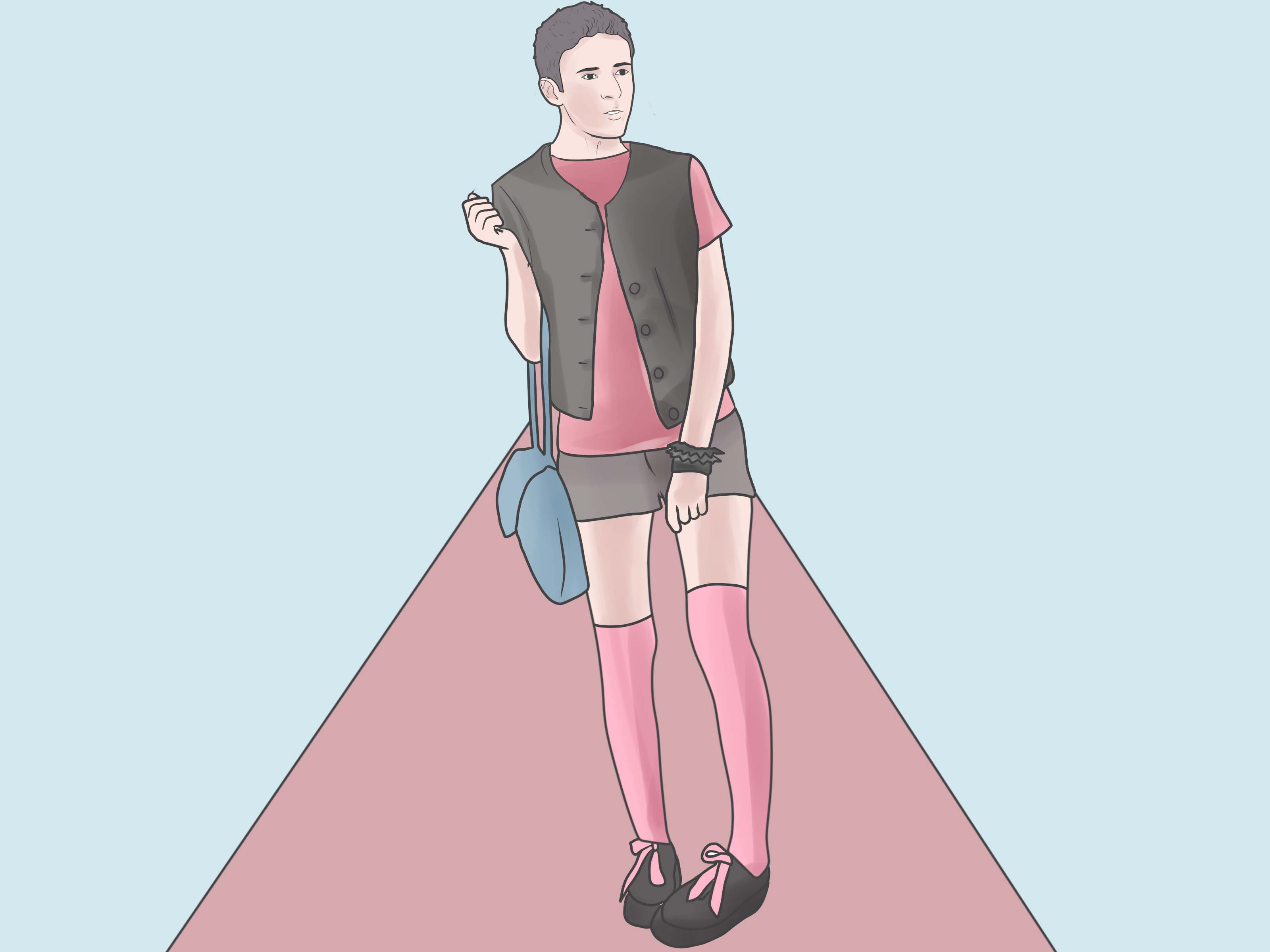
- Casual feminine: Soft T-shirts, tunics, leggings, cardigans, ballet flats, simple jewelry.
- Classic polished: Wrap dresses, dark jeans, blouses, blazers, loafers, ankle boots.
- Soft romantic: A-line skirts, floral prints, draped tops, lightweight sweaters, delicate accessories.
- Glam night-out: Fitted dresses, shapewear if desired, heels or dressy flats, bold earrings, statement makeup.
- Everyday stealth femme: Women’s jeans, subtle tops, neutral cardigans, sneakers, soft fabrics, simple bags.
Use Silhouette to Create Balance
Many cross-dressing men have broader shoulders, narrower hips, longer torsos, or straighter waistlines than standard women’s fit models. That does not mean feminine clothing will not work. It simply means silhouette matters.
If you want to soften broader shoulders, try V-necks, scoop necks, wrap tops, darker colors on top, open cardigans, and vertical lines. Avoid extremely stiff shoulder seams or high necklines if they make the upper body feel boxy. If you want to add visual fullness around the hips, look for A-line skirts, fit-and-flare dresses, peplum tops, pleated skirts, wide-leg pants, and prints or lighter colors on the lower half.
If you want more waist definition, belts, wrap dresses, high-waisted skirts, and structured cardigans can help. If you prefer a relaxed shape, tunics, shift dresses, sweater dresses, and flowy tops can be comfortable and flattering. The best outfit is not always the tightest outfit. Sometimes the best outfit is the one that lets you sit, walk, breathe, and eat tacos with dignity.
Build a Beginner Wardrobe With Mix-and-Match Pieces
A capsule-style wardrobe is especially helpful when you are learning. Instead of buying ten dramatic pieces that only work once, begin with versatile basics that combine easily. This saves money and makes outfit planning less stressful.
A practical starter wardrobe might include:
- One pair of dark stretch jeans or jeggings
- One A-line skirt or midi skirt
- Two soft tops in neutral colors
- One blouse with a V-neck, wrap shape, or draped neckline
- One cardigan or open blazer
- One casual dress, such as a wrap dress, fit-and-flare dress, or sweater dress
- One pair of flats, ankle boots, or low block heels
- One comfortable bra, bralette, camisole, or shaping top
- Basic accessories such as earrings, a scarf, a belt, or a small handbag
Neutral colors like black, navy, gray, cream, denim, and soft brown are easy to mix. Add color through tops, scarves, lipstick, nail polish, or accessories. If you are nervous, start with one feminine item at a time. A women’s cardigan over jeans can feel less intimidating than a full dress-and-heels moment. Confidence can be built gradually. Nobody needs to go from “curious” to “runway finale” by Tuesday.
Think Carefully About Bras, Forms, and Shapewear
Not every cross-dressing man wants breast forms, padding, shapewear, hip pads, or waist cinchers. These are optional tools, not requirements. If you use them, choose comfort and safety over extreme shaping. A bralette, lightly padded bra, camisole, or sports-bra-style top can be a good beginner choice. If you wear breast forms, measure your bust while wearing them so dresses and tops fit correctly.
For shapewear, avoid anything painfully tight. You should be able to breathe, sit, and move normally. Shapewear can smooth lines under dresses, but it should not turn your evening into a medical mystery. If a garment causes numbness, pain, shortness of breath, dizziness, or pinching, remove it and choose a larger size or a softer style.
Step 3: Shop Smart, Try Things On, and Create Confidence
Shopping can be the most emotional part of the process. Some people love browsing in stores. Others prefer online shopping for privacy. Both approaches work. The right method is the one that helps you feel safe, comfortable, and in control.
Shopping Online: Privacy, Reviews, and Returns
Online shopping is often the easiest place to begin. You can compare size charts, read reviews, filter by size, and try things at home. Before ordering, check the return policy. Look for free returns, prepaid labels, reasonable return windows, and clear rules about lingerie, shapewear, and final-sale items.
Use reviews strategically. Search for comments from shoppers who mention height, weight, bust size, shoulder width, or shoe width. Photos from real customers can show how a dress hangs on different bodies. If many reviewers say “runs small in the shoulders,” believe them. They are not being dramatic; they are saving you from a blouse with betrayal issues.
Order two sizes when possible, especially for dresses, jeans, and bras. Keep the one that fits and return the other. If you are between sizes, choose based on the fabric. Stretchy knits may allow you to size down. Structured woven fabrics usually require more room. For heels, start with lower block heels, wedges, or flats before jumping into stilettos. Your ankles deserve a peaceful introduction.
Shopping In Person: You Have the Right to Be There
If you want to shop in person, remember this: clothing stores sell clothing. You are a customer. You do not need a perfect explanation for why you are buying a dress, skirt, or bra. You can say, “I’m looking for a gift,” but you do not have to. A simple “I’m just browsing” works beautifully. Store staff are usually focused on helping customers and keeping the racks from turning into textile spaghetti.
Start with larger department stores, thrift stores, discount retailers, or inclusive boutiques if you feel nervous. Thrift stores are excellent for experimenting because prices are lower and the variety is huge. You can test colors, fabrics, skirt lengths, and dress shapes without spending half your rent on one “maybe” outfit.
If fitting rooms feel intimidating, shop at quieter times, such as weekday mornings or early afternoons. Bring a trusted friend if possible. Wear easy-to-remove clothing so trying things on is simple. Take mirror photos if you feel comfortable; sometimes photos reveal proportion better than the mirror does.
Create Outfits, Not Just a Pile of Clothes
A common beginner mistake is buying single items without knowing how to wear them. A cute skirt is lovely, but if you have no top, shoes, or undergarments that work with it, it becomes a closet decoration. When shopping, think in outfits.
Try formulas like:
- Soft casual: Tunic top + leggings + flats + long cardigan.
- Classic feminine: Wrap dress + low block heels + small necklace.
- Everyday polished: Dark jeans + blouse + open blazer + ankle boots.
- Skirt outfit: A-line skirt + tucked knit top + belt + ballet flats.
- Comfort-first femme: Sweater dress + tights + boots + scarf.
Once you find a formula that works, repeat it in different colors and fabrics. Style is not about reinventing your entire identity every morning. Even fashionable people rely on formulas. They just call them “signature looks” because it sounds fancier than “this works and I’m tired.”
Common Clothing Problems and Easy Fixes
The Dress Fits the Waist but Not the Shoulders
Choose wrap dresses, fit-and-flare dresses, stretch fabrics, or sleeveless styles with a cardigan. If shoulders are consistently tight, size up and have the waist tailored, or use a belt to bring shape back.
The Top Feels Too Short
Look for tunics, tall sizes, longline tops, bodysuits, or women’s tops labeled “relaxed,” “oversized,” or “boyfriend fit.” Pair shorter tops with high-waisted skirts or pants.
Jeans Fit the Waist but Not the Hips
Try curvy fit, stretch denim, jeggings, pull-on jeans, or straight-leg styles. If you use hip pads, measure while wearing them and choose jeans with enough stretch to move naturally.
Heels Hurt Immediately
Start with flats, loafers, ankle boots, wedges, or low block heels. Pointed toes and very high heels can be difficult for wider feet. Comfort is not a style failure; limping is not a fashion accessory.
Experience-Based Tips: What Actually Helps When You Are Learning
The most useful experience when learning how to find clothing as a cross dressing man is realizing that confidence usually comes after experimentation, not before it. Many beginners wait until they feel completely brave before buying their first outfit. In reality, bravery often arrives in small pieces: ordering a simple blouse, trying on a skirt at home, walking around the room in flats, or looking in the mirror and thinking, “Actually, this feels like me.”
One practical experience is to create a private try-on session at home. Choose three or four items: a top, a bottom, a dress, and a layering piece. Try each one slowly, not in a panic. Notice where it pulls, where it drapes, and where it makes you smile. Sit down, walk around, reach your arms forward, and check whether the clothing still behaves. A dress that looks great while standing perfectly still may become a wrestling match when you sit. Clothes need to work in real life, not just in mirror diplomacy.
Another helpful habit is taking notes. Keep a simple list on your phone with your measurements, sizes that worked by brand, and styles that did not. For example: “Brand A: XL top fits shoulders, large too tight. Brand B: size 16 dress good in waist but short. Women’s 12 wide boots fit best.” This turns shopping from guesswork into data. Glamorous data, but data.
It also helps to separate fantasy outfits from lifestyle outfits. There is nothing wrong with a dramatic dress, a wig, or high heels if that brings joy. But if you want clothes you will actually wear often, include comfortable everyday pieces too. A soft cardigan, stretchy jeans, a casual dress, or a simple blouse may become more important than the sparkly item that looked amazing online but requires perfect posture, perfect lighting, and possibly a personal assistant.
Budget matters as well. Beginners often buy too much too quickly because every item feels exciting. Slow down. Buy a few pieces, learn from them, then upgrade. Thrift stores, clearance racks, and return-friendly online retailers are excellent training grounds. You are not just buying clothing; you are learning your proportions, preferences, and comfort zone.
Finally, remember that your style does not need to impress everyone. Some people dress privately. Some go out with friends. Some blend subtle feminine pieces into everyday outfits. Some love full glam. All of those choices are valid. Clothing is a language, and you get to decide how loudly or softly you want to speak. The best outfit is not the one that follows every rule. It is the one that fits your body, respects your comfort, and lets you recognize yourself with a little more joy.
Conclusion
Finding clothing as a cross dressing man becomes much easier when you follow a simple three-step plan: measure your body accurately, choose styles that support your shape and goals, and shop with patience, privacy, and confidence. Instead of guessing sizes or chasing every trend, focus on fit, comfort, silhouette, and repeatable outfit formulas. Start small, learn what works, and let your wardrobe grow naturally.
Fashion should not feel like a locked room. It should feel like a mirror with better lighting. Whether your style is subtle, glamorous, casual, classic, or still under construction, the right clothes can help you explore gender expression in a way that feels personal and empowering. Your first outfit does not have to be perfect. It only has to be a beginning.