Note: This is an original, web-ready article written in standard American English and synthesized from current U.S. painting, wall-prep, metallic-finish, faux-finish, and stencil best practices.
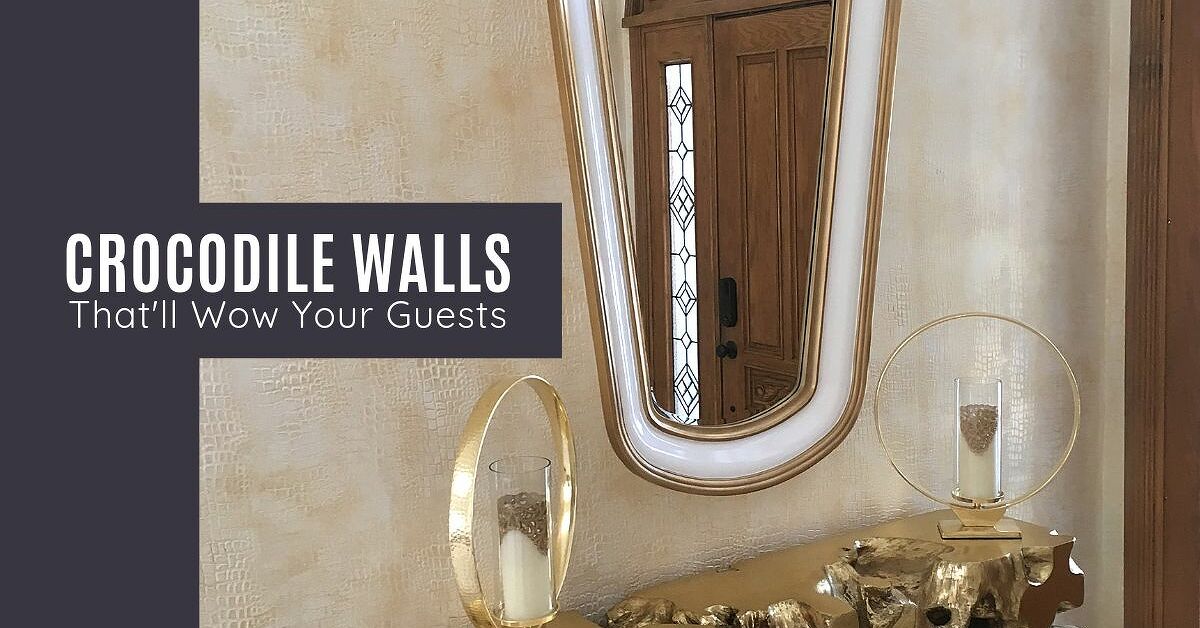
A gold crocodile wall is not shy. It does not whisper, “I enjoy neutrals.” It enters the room wearing sunglasses, orders espresso, and somehow makes your powder room feel like a boutique hotel lobby. Done well, this dramatic decorative finish can turn a plain wall into a shimmering, textured-looking focal point with the upscale feel of embossed leather, metallic wallpaper, or custom plasterwithout requiring you to sell your sofa to pay for it.
The idea is simple: create a crocodile-skin pattern on an accent wall using paint, stencil work, glaze, or metallic finish. The effect can be bold and glamorous in black and gold, warm and vintage in bronze and espresso, or soft and sophisticated in champagne gold over taupe. The secret is not just the gold paint. It is the preparation, base color, scale of the pattern, layering technique, lighting, and patience. Yes, patience. Decorative walls reward the person who does not rush in like they are painting a rental the night before moving out.
This guide walks you through how to paint a gold crocodile wall your guests will not stop talking about, including tools, paint choices, step-by-step instructions, design tips, mistakes to avoid, and real-life experience notes for getting a finish that looks intentional rather than “craft night got loose.”
What Is a Gold Crocodile Wall?
A gold crocodile wall is a decorative painted wall that mimics the pattern of crocodile or alligator skin using a metallic gold finish. It is usually created with a stencil, textured roller, specialty glaze, or layered faux-painting technique. Unlike flat paint, this finish relies on contrast: a darker base coat sits underneath a shimmering gold pattern, creating depth and movement when light hits the surface.
The look works especially well as an accent wall because crocodile texture is visually rich. Covering every wall in a room may feel like living inside a luxury handbag, which is either fabulous or exhausting depending on your caffeine level. A single wall behind a console table, bed, bar cart, fireplace, or powder room vanity gives the pattern enough space to shine without overwhelming the room.
Best Rooms for a Gold Crocodile Accent Wall
This finish is dramatic, so placement matters. A gold crocodile wall looks best where guests naturally pause and notice details.
Powder Rooms
Small powder rooms are perfect for bold design. Because guests spend only a short time there, you can go moodier and more glamorous than you might in a large living room. Pair a black-and-gold crocodile wall with a round mirror, warm sconces, and a simple vanity for instant “fancy restaurant restroom” energy.
Dining Rooms
A crocodile-patterned wall behind a sideboard or bar cabinet adds drama without competing with the table. Metallic finishes glow beautifully under dimmable lighting, especially in the evening.
Bedrooms
Use the finish behind the headboard for a boutique-hotel look. For bedrooms, choose champagne, antique gold, or bronze instead of bright yellow gold if you want the space to feel luxurious rather than loud.
Entryways
An entryway accent wall sets the tone immediately. If your home has mostly simple furnishings, a gold crocodile wall can become the one bold design moment that makes the whole space feel curated.
Tools and Materials You Will Need
Before you start, gather everything. Nothing ruins momentum like standing on a drop cloth with wet paint and realizing your stencil brush is somewhere in the garage, possibly retired.
- Painter’s tape
- Drop cloths or plastic sheeting
- Microfiber cloths or sponge
- Mild cleaner or degreasing wall cleaner
- Spackling compound
- Putty knife
- Fine-grit sanding sponge
- Primer, preferably tinted for your base color
- Interior wall paint for the base coat
- Metallic gold paint or metallic glaze
- Crocodile or alligator skin wall stencil
- Stencil brush, dense foam roller, or small microfiber roller
- Paint tray and liner
- Level or laser level
- Low-tack stencil adhesive, optional
- Clear water-based protective topcoat, optional
Choosing the Right Gold Paint
Not all gold paints are created equal. Some look rich and luminous; others look like a school project crown. For walls, choose a high-quality metallic wall paint or metallic glaze designed for interior surfaces. Metallic paints often contain mica, pearlescent pigments, or reflective particles that catch light and create shimmer. A glaze can be mixed or layered for a softer, more translucent effect.
For a crocodile pattern, you generally want the gold layer to sit on top of a darker base. The darker background makes the pattern visible and adds depth between the “scales.” Popular combinations include:
- Black base with bright gold: bold, dramatic, modern glam.
- Charcoal base with antique gold: sophisticated and slightly softer.
- Espresso brown base with bronze gold: warm, leathery, and rich.
- Deep olive base with champagne gold: earthy but elegant.
- Navy base with soft gold: moody, classic, and upscale.
If you are using warm gold, a warm-toned primer or beige-tinted primer can help the metallic layer appear richer. If the wall is currently glossy, dark, stained, or patched in several places, primer becomes even more important because it creates a consistent surface for paint adhesion and color accuracy.
Step 1: Pick the Wall and Plan the Pattern
Choose one focal wall. The best wall is usually the one you see first when entering the room or the wall anchoring a major design element, such as a bed, sofa, console, fireplace, or vanity. Avoid walls with too many windows, doors, outlets, shelves, or switches because the crocodile pattern will be interrupted repeatedly.
Next, think about scale. A large crocodile stencil feels more modern and designer-inspired, while a smaller pattern can read busier and more traditional. In a tiny powder room, a medium-scale stencil often works beautifully. In a dining room or bedroom, larger scales look more elegant because they have room to breathe.
Before painting, tape a sample of the stencil to the wall and view it from several angles. Look at it in morning light, afternoon light, and artificial light. Metallic paint changes throughout the day, which is exactly why people love itand also why you should test before committing.
Step 2: Prepare the Wall Like a Pro
Preparation is the least glamorous part of the project and the most important. Metallic finishes reveal bumps, dust, and uneven patches more than flat paint. If your wall has dents, nail holes, old adhesive, or mystery smudges from a decade of life happening, fix those before opening the gold paint.
Remove wall decor, outlet covers, switch plates, and anything mounted on the wall. Protect the floor with drop cloths. Use painter’s tape along trim, ceiling lines, adjacent walls, and built-ins. Then clean the wall with a damp cloth or mild cleaner to remove dust and residue. In kitchens, bathrooms, and entryways, take extra time to remove grease or film.
Patch holes with spackling compound, let it dry, and sand smooth. Wipe away sanding dust with a microfiber cloth. Run your hand over the surface. If you can feel the flaw, the metallic paint will probably advertise it like a tiny billboard.
Step 3: Prime for Better Adhesion and Color
Primer helps create an even surface, improves paint adhesion, and keeps the final color looking consistent. For a dark base color, use a tinted primer close to the base paint. If your current wall is glossy, patchy, stained, or very different from your new color, priming is a smart move.
Apply primer with a brush around edges and a roller across the main wall area. Roll in overlapping sections and maintain a wet edge to reduce lap marks. Let the primer dry fully according to the label. If the wall still looks uneven after one coat, apply a second thin coat. Decorative finishes are built on layers; a clean foundation makes every later step easier.
Step 4: Paint the Base Coat
Your base coat is the color that will show through between the crocodile scales. For the most dramatic look, choose black, charcoal, espresso, or deep brown. For a softer designer look, try warm taupe, smoky olive, or deep navy.
Cut in along the edges with an angled brush, then roll the rest of the wall. Use smooth, overlapping strokes and avoid pressing too hard on the roller. Two thin coats are usually better than one heavy coat. Heavy paint can create texture you did not ask for, and this wall already has big plans.
Let the base coat dry completely. This is not the stage for optimism. If the base coat is even slightly tacky, the stencil may lift paint, smear the pattern, or create fuzzy edges. For best results, allow the wall to dry overnight before adding the metallic crocodile layer.
Step 5: Position the Crocodile Stencil
Start at the most visible section of the wall, usually the top center or a central vertical line. Use a level or laser level to keep the stencil straight. Crocodile patterns are organic, but crooked repeats can still look accidental.
Secure the stencil with painter’s tape. A light spray of low-tack stencil adhesive on the back can help prevent movement, especially with detailed scale patterns. Do not overuse adhesive; you want the stencil to stay in place, not enter a long-term relationship with the wall.
Check the stencil alignment marks if your stencil has them. These marks help you repeat the pattern evenly across the wall. Work from the center outward and from top to bottom, especially if the wall will have furniture hiding the lower portion. That way, any minor imperfections end up in less noticeable areas.
Step 6: Apply the Gold Metallic Pattern
The biggest rule with stenciling is simple: use less paint than you think you need. Too much paint causes bleeding under the stencil and ruins the crisp pattern. Load your stencil brush or foam roller, then offload excess paint onto a paper towel or tray until the tool looks almost dry.
For a crisp crocodile effect, use one of these methods:
Dry Brush Method
Dip the tips of a stencil brush into metallic gold paint, offload most of it, then tap or swirl lightly over the stencil openings. This method gives control and texture. It is slower but excellent for detailed patterns.
Foam Roller Method
Use a dense foam roller with very little paint. Roll lightly over the stencil in short passes. This method is faster and works well for large wall stencils, but it requires discipline. If the roller squishes paint under the stencil, you are pressing too hard.
Layered Glaze Method
For a softer, more expensive-looking finish, use metallic glaze instead of opaque gold paint. Apply a light first layer, let it dry, then add a second layer only in selected areas. This creates dimension and keeps the wall from looking flat.
Once one stencil section is painted, carefully peel the stencil away while the paint is still workable. Do not drag it across the wall. Reposition the stencil using the alignment marks, then repeat. Wipe the back of the stencil occasionally to prevent buildup from smudging the wall.
Step 7: Add Depth With a Second Metallic Tone
If you want the wall to look truly custom, add subtle variation. Real crocodile skin does not look like a flat stamp, so your painted version should have a little movement too.
After the first gold layer dries, lightly stencil selected areas with antique gold, bronze, champagne, or copper. Do not cover the entire wall with the second tone. Instead, feather it into corners, around light sources, or near the center of scales. This creates highlights and shadows that make the pattern feel more dimensional.
Another option is to dry-brush a tiny amount of darker glaze over the finished pattern, then gently wipe it back with a clean rag. This can antique the gold and tone down brightness. Test this on a sample board first. A little glaze is elegance; too much glaze is “I accidentally aged my wall 300 years.”
Step 8: Touch Up the Details
Once the wall is dry, step back and inspect it from across the room. Do not judge it from six inches away unless your guests are decorative painters with magnifying glasses. Look for obvious gaps, smears, or pattern misalignment.
Use a small artist brush to sharpen edges or fill missed spots. If gold paint bled into the base color, touch it up with the original base paint. Keep both paints nearby for corrections. Decorative wall finishes are forgiving because the pattern itself has movement, but clean touch-ups make the result feel professional.
Step 9: Seal the Wall If Needed
A clear topcoat is optional, but it can be useful in high-touch areas such as hallways, powder rooms, or behind a bar cart. Choose a water-based clear protective finish compatible with your paint. Avoid overly glossy topcoats unless you want a highly reflective, lacquered look.
For most living rooms and bedrooms, you may not need a sealer if you used durable interior wall paint. In bathrooms or busy spaces, a satin or low-luster clear coat can make the finish easier to wipe clean. Always test the clear coat on a sample first because it can slightly change the metallic sheen.
Design Tips for Making Gold Crocodile Walls Look Expensive
Use Lighting Strategically
Metallic paint comes alive under light. Wall sconces, picture lights, table lamps, or warm ceiling lights can make the gold shimmer gently. Harsh cool lighting may make the finish look brassy or flat, so choose warm bulbs for a softer glow.
Keep Nearby Decor Simple
A gold crocodile wall is already the main character. Pair it with clean furniture lines, solid fabrics, and restrained accessories. Black, cream, camel, ivory, walnut, marble, glass, and brass all play nicely with this look.
Repeat Gold in Small Doses
Use small gold accents elsewhere in the room: a mirror frame, lamp base, cabinet hardware, picture frame, or tray. Repetition makes the wall feel intentional instead of random.
Balance the Drama With Texture
Add velvet, linen, leather, wood, or stone nearby. A crocodile wall looks best when it is part of a layered room, not the only interesting surface.
Common Mistakes to Avoid
Using Too Much Paint on the Stencil
This is the most common mistake. Excess paint bleeds under the stencil and creates blurry scales. Offload the brush or roller until it feels almost too dry.
Skipping the Sample Board
Always test the base color, gold paint, stencil, and topcoat on a board first. This helps you see how the combination looks in your actual lighting.
Choosing the Wrong Scale
A tiny crocodile pattern on a large wall can look busy. A huge pattern in a cramped space can feel chaotic. Match the stencil scale to the room size.
Ignoring Wall Imperfections
Metallic finishes highlight texture. Patch, sand, clean, and prime before painting.
Overdecorating the Finished Room
Once the wall is done, resist the urge to add twelve gold accessories, a leopard chair, and a chandelier the size of a weather system. Let the wall breathe.
How to Maintain a Gold Crocodile Wall
To clean the wall, dust it regularly with a soft microfiber cloth. For small marks, use a slightly damp cloth and gentle pressure. Avoid abrasive scrubbers because they can dull metallic paint. If the wall is sealed, it will tolerate light cleaning better, but still treat it like a decorative finish rather than a kitchen backsplash.
Keep a small amount of base paint and gold paint in labeled containers for future touch-ups. Write the paint brand, color name, sheen, and date on the container. Future you will be grateful, especially after searching the garage for “that gold paint from the dramatic wall era.”
Experience Notes: What It Is Really Like to Paint a Gold Crocodile Wall
The first thing you notice when painting a gold crocodile wall is that the project feels more like makeup artistry than regular wall painting. A standard wall paint job is about coverage. This finish is about restraint, layering, and knowing when to stop. The gold paint can look underwhelming during the first few stencil sections, especially when you are standing too close. Then you step back, the light hits it, and suddenly the wall starts doing that expensive little shimmer that makes the whole project feel worth it.
One practical lesson: your sample board matters more than your imagination. Gold can shift wildly depending on the base color. Over black, it looks dramatic and high contrast. Over espresso, it becomes warmer and more leathery. Over navy, it looks tailored and almost Art Deco. Over beige, it may disappear unless the metallic paint is strong. Testing saves you from painting an entire wall and then realizing your “luxury crocodile” has become “subtle reptile fog.”
Another experience-based tip is to work in short sessions. Stenciling a full wall requires focus, and tired hands make sloppy edges. After several repeats, it is easy to overload the roller, press too hard, or misalign the stencil by a fraction of an inch. Take breaks. Clean the stencil backing. Step back often. Decorative painting is not a race; it is more like convincing a wall to wear jewelry.
Lighting also changes everything. A gold crocodile wall that looks bold in daylight can look soft and glamorous at night with warm lamps. Before deciding the project is too bright or too subtle, view it at different times of day. Many people panic halfway through because metallic paint looks patchy while drying. Give it time. Metallic finishes often even out as they cure, and the pattern becomes more cohesive once the whole wall is complete.
If this is your first decorative wall project, start with a smaller area such as a powder room wall, niche, closet door, or the wall behind a bar cabinet. You will learn how much paint your stencil needs, how firmly to press, and how quickly your metallic paint dries. After that, a larger bedroom or dining room wall will feel much less intimidating.
The best compliment this wall can receive is not “Nice paint.” It is “Wait, is that wallpaper?” That means the pattern is clean, the finish has depth, and the gold feels integrated into the room. A successful gold crocodile wall should look bold but not messy, glamorous but not gimmicky, and custom without requiring a professional muralist. When guests lean closer to figure out how it was done, you know the wall has done its job.
Conclusion
Painting a gold crocodile wall is one of the fastest ways to give a room personality, drama, and a custom-designed feel. The project is completely achievable for a careful DIYer, but it depends on the basics: clean the wall, repair imperfections, prime properly, choose a strong base color, use high-quality metallic paint, and apply the stencil with a light touch.
The magic comes from contrast and control. A deep base color gives the gold pattern richness, while careful stenciling keeps the finish crisp. Add warm lighting, simple decor, and a few repeated metallic accents, and your crocodile wall can look less like a weekend experiment and more like something a designer casually “just had done.” Very casual. Very fabulous.
Whether you use it in a powder room, entryway, dining room, or bedroom, a gold crocodile accent wall brings texture, shine, and conversation. And if your guests keep asking how you did it, feel free to smile mysteriously and say, “Oh, just a little paint.”