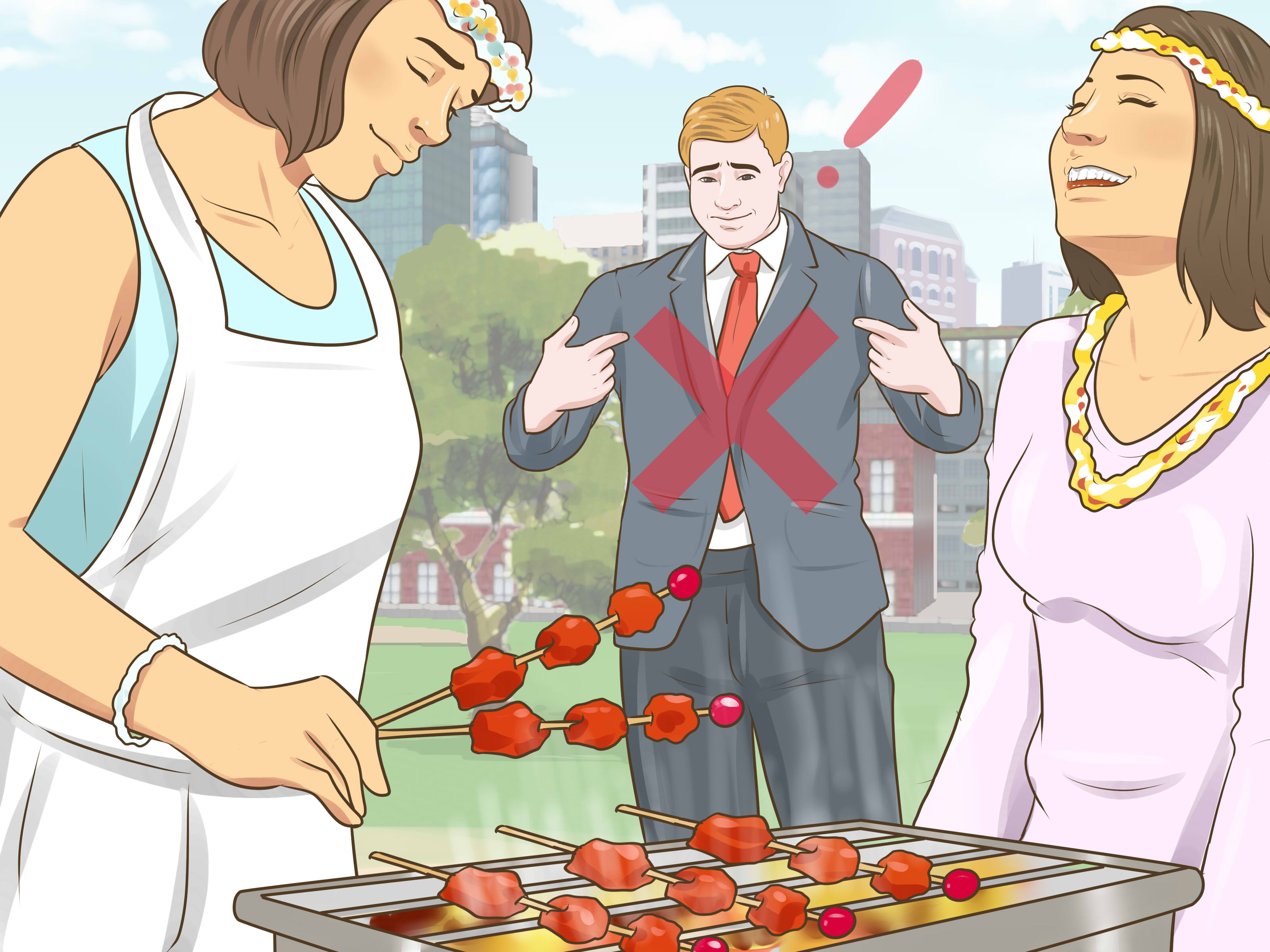
Becoming an English gentleman is not about owning a country estate, polishing a monocle, or saying “splendid” every time someone passes the salt. It is about carrying yourself with quiet confidence, treating people with respect, dressing appropriately, and knowing how to behave when life gets awkwardwhich, let’s be honest, happens right around the time soup is served at a formal dinner.
The classic idea of the English gentleman has deep roots in British social history, but the modern version is far more useful than the old stereotype. Today, an English gentleman is not defined by birth, money, accent, or whether he can identify twelve types of tweed from across a foggy field. He is defined by manners, self-control, reliability, taste, and consideration for others.
This guide breaks the concept into four practical ways anyone can use. Whether you want to improve your social confidence, refine your personal style, or simply stop looking panicked when handed three forks at dinner, these principles will help you become more polished without becoming stiff, snobbish, or tragically allergic to fun.
What Does It Mean to Be an English Gentleman Today?
The phrase “English gentleman” once referred to class, family background, land, and social rank. Historically, a gentleman was associated with education, property, and a particular place in society. Thankfully, modern life has done us the favor of making the idea more democratic. You no longer need a family crest, a horse named Reginald, or a portrait of an ancestor looking disappointed in the hallway.
Today, being an English gentleman is best understood as a personal standard. It means being courteous without being performative, stylish without shouting for attention, confident without arrogance, and principled when no one is watching. The modern gentleman does not use manners as a costume. He uses them as a way to make other people feel comfortable.
In simple terms, the English gentleman style is built on four pillars: manners, appearance, communication, and character. Master those, and you will look composed in a boardroom, at a wedding, during afternoon tea, or while waiting in a painfully slow line behind someone buying lottery tickets with coins from 1998.
1. Practice Manners That Put Other People at Ease
The first way to be an English gentleman is to understand that manners are not decorative. They are practical tools. Good etiquette exists to reduce friction, prevent embarrassment, and make social life smoother for everyone involved. A gentleman does not show off his manners like a peacock in a waistcoat. He uses them quietly.
Start With Consideration, Not Performance
A true gentleman thinks about how his behavior affects others. He does not interrupt, dominate conversations, mock people for entertainment, or treat service workers as invisible. He says “please,” “thank you,” and “excuse me” because these small phrases still work beautifully, even in a world where people sometimes communicate entirely in thumbs-up emojis.
Consideration also means paying attention to timing. If someone is carrying a heavy bag, offer help. If someone is speaking, let them finish. If you are invited to dinner, arrive on time. If you are late, apologize without delivering a dramatic weather report, traffic documentary, and three-act personal tragedy.
Learn Basic Dining Etiquette
Dining manners are one of the easiest places to spot polish. You do not need to memorize every rule of Victorian banquets, but you should know the basics. Sit up straight. Place your napkin on your lap. Wait until everyone is served before eating, unless your host says otherwise. Chew with your mouth closed. Avoid reaching across the table like a pirate claiming treasure.
If you are unsure which fork to use, begin from the outside and work inward with each course. If bread is served, break off small pieces instead of turning the roll into a handheld construction project. If you dislike something, do not announce it like a restaurant critic having a crisis. Simply eat what you can and remain gracious.
Respect Personal Space and Social Boundaries
The English gentleman is often associated with restraint, and for good reason. Restraint does not mean being cold. It means understanding that not every thought needs a microphone. Avoid intrusive questions about money, age, weight, politics, religion, or personal relationships unless the other person clearly opens the door. Even then, enter carefully. Social grace is not barging into someone’s private life wearing muddy boots.
Good manners also apply online. A modern gentleman does not behave politely at dinner and then become a keyboard goblin after midnight. He writes emails clearly, avoids needless insults, responds when appropriate, and remembers that digital communication still has real human beings on the other side.
2. Dress With Quiet Confidence
The second way to be an English gentleman is to dress well without looking like you are auditioning for a period drama. English gentleman style is not about wearing the most expensive clothes in the room. It is about fit, cleanliness, appropriateness, and restraint. In other words, your outfit should say, “I have standards,” not “I wrestled a luxury catalog and lost.”
Choose Fit Over Flash
A well-fitting navy blazer, crisp shirt, clean shoes, and tailored trousers will outperform loud designer pieces almost every time. Fit is the secret language of good style. A modest jacket that fits properly looks better than an expensive suit that sags, pulls, or makes you resemble a child wearing his uncle’s business clothes.
Pay attention to shoulder seams, sleeve length, trouser break, and collar fit. These details may seem small, but together they create the impression of order. The goal is not perfection. The goal is looking as though you noticed yourself before leaving the house.
Build a Classic Gentleman’s Wardrobe
A practical English gentleman wardrobe can be simple. Start with a navy blazer, gray trousers, dark denim without distressing, white and light blue dress shirts, knitwear, brown or black leather shoes, and a good overcoat. Add a few tasteful ties, a pocket square if it suits your personality, and a watch that does not require its own charging station, satellite system, and emotional support app.
Classic colors such as navy, charcoal, gray, white, cream, olive, and brown are easy to combine. Patterns should be used with care. A subtle stripe, check, or herringbone can add depth. Wearing five patterns at once, however, may cause innocent bystanders to experience visual turbulence.
Dress for the Occasion
One of the most gentlemanly style habits is dressing appropriately. A dark suit belongs at formal business events, weddings, and evening occasions. A blazer and slacks work well for smart casual settings. Clean sneakers may be acceptable in relaxed environments, but muddy sneakers at a nice dinner are not charmingly rebellious. They are just muddy.
When in doubt, it is usually better to be slightly overdressed than underdressed. Slightly overdressed looks thoughtful. Underdressed looks as though you lost a bet with your laundry basket.
Grooming Is Part of Respect
Good grooming is not vanity. It is basic consideration. Keep your hair neat, nails clean, breath fresh, and clothes pressed. Maintain your shoes. A gentleman’s shoes do not need to be brand-new, but they should not look as if they survived a medieval siege.
Fragrance should be subtle. The room should discover your cologne only if it is standing politely nearby. If people can smell you before you enter, your fragrance has stopped being fragrance and become weather.
3. Speak and Listen With Grace
The third way to be an English gentleman is to become skilled in conversation. This does not mean speaking in grand quotations, using complicated words, or pretending to know the Latin name of every garden plant. It means communicating with clarity, warmth, and self-awareness.
Be a Better Listener Than Performer
A gentleman listens carefully. He does not simply wait for his turn to deliver a speech he has been rehearsing internally since breakfast. Good listening includes eye contact, relaxed posture, thoughtful questions, and attention to tone. If someone tells you about a challenge, do not immediately hijack the story with a bigger challenge of your own.
For example, if a friend says, “I had a difficult week at work,” the gentlemanly response is not, “That reminds me of my week, which was historically worse.” Instead, ask, “What happened?” or “How are you handling it?” Conversation is not competitive weightlifting. You do not win by carrying the heaviest complaint.
Speak Clearly and Kindly
The English gentleman’s speech is measured, but not robotic. Use clear language. Avoid shouting, mumbling, and constant profanity. Humor is welcome, especially dry humor, but never at the expense of someone who cannot comfortably laugh with you.
A polished man knows how to disagree without becoming rude. He can say, “I see it differently,” rather than “That is the worst opinion ever released into the atmosphere.” He understands that strength is not shown by crushing the conversation. Strength is shown by staying composed when disagreement appears.
Master Introductions and Small Talk
Introductions are simple but powerful. Stand if appropriate, make eye contact, smile, and say the person’s name clearly. If introducing two people, offer a small detail to help them connect: “Daniel, this is Marcus. You both enjoy architecture and strong coffee, so I suspect civilization may advance during this conversation.”
Small talk is not meaningless. It is the doorway to deeper conversation. Weather, travel, books, food, local events, and shared surroundings are safe beginnings. Avoid launching immediately into controversial topics. Nobody wants to be asked about tax policy before the appetizers arrive.
Write With Courtesy
Written communication matters. A gentleman sends clear messages, answers invitations, and writes thank-you notes when appropriate. A short, sincere note after a dinner, interview, gift, or helpful favor can leave a strong impression. It says, “I noticed your kindness and did not let it vanish into the swamp of daily busyness.”
In professional emails, use a clear subject line, courteous greeting, concise message, and proper closing. Avoid writing in all caps unless you are warning someone about actual fire, not merely asking about a spreadsheet.
4. Build Character, Not Just Polish
The fourth way to be an English gentleman is the most important: cultivate character. Without character, manners become theater and style becomes packaging. A man can wear a perfect suit and still be a perfectly polished nuisance. The real test is how he behaves when there is nothing to gain.
Keep Your Word
Reliability is gentlemanly. If you say you will call, call. If you accept an invitation, attend unless a real emergency arises. If you borrow something, return it in good condition. If you make a mistake, admit it. The modern world is crowded with excuses; a gentleman stands out by being dependable.
Keeping your word does not require dramatic speeches. It requires consistency. Show up. Follow through. Be the person others do not have to chase, remind, or decode.
Stay Calm Under Pressure
Composure is one of the most recognizable qualities of an English gentleman. This does not mean suppressing every emotion until you become a teapot with unresolved issues. It means responding thoughtfully instead of reacting wildly.
If a waiter makes a mistake, handle it politely. If plans change, adjust. If someone insults you, resist the temptation to perform a verbal duel in the middle of the room. Calmness is not weakness. Often, it is the most elegant form of strength.
Show Humility
A gentleman does not need to advertise his intelligence, income, connections, or achievements. He understands that confidence becomes more attractive when paired with humility. Let your actions speak. If you are excellent at something, people will notice. If you announce your excellence every seven minutes, they will also noticebut not in the way you hoped.
Humility also means learning. Ask questions. Accept correction. Apologize when necessary. Being a gentleman is not about pretending to know everything. It is about being secure enough to improve.
Be Generous Without Making a Parade of It
Generosity is not limited to money. Offer your time, attention, encouragement, and help. Hold the door. Give credit. Let someone else have the better seat. Support friends privately. Tip fairly. Praise publicly and criticize carefully.
The English gentleman ideal has always included service, even if history has sometimes wrapped it in too much class-conscious packaging. The modern version is simple: use whatever advantages you have to make life easier for others.
Common Mistakes to Avoid
Trying to be an English gentleman can go wrong if you turn it into imitation rather than refinement. Avoid fake accents, exaggerated formality, and treating etiquette as a way to feel superior. Nobody enjoys being corrected mid-meal by someone who has recently discovered fork geography.
Another mistake is confusing quiet confidence with emotional distance. A gentleman can be warm, funny, relaxed, and approachable. He can enjoy sports, barbecue, road trips, video games, and badly sung karaoke. Refinement should improve your personality, not bury it under thirteen layers of starch.
Finally, avoid obsessing over rules while forgetting the purpose behind them. The purpose is respect. If a rule makes people uncomfortable, use judgment. If someone else does not know a rule, do not embarrass them. The most gentlemanly person at the table is often the one who helps others feel at ease.
Real-Life Experiences: Practicing the English Gentleman Mindset
The idea of being an English gentleman becomes much clearer when it leaves the page and enters everyday life. In real situations, gentlemanly behavior is rarely dramatic. It usually appears in small choices that other people remember because they made the moment easier, warmer, or less awkward.
Consider a dinner invitation. A man trying too hard might arrive overdressed, correct everyone’s pronunciation of “scone,” and explain the history of the soup spoon until dessert loses the will to live. A genuine gentleman arrives on time, brings a thoughtful host gift if appropriate, compliments the meal sincerely, includes quieter guests in conversation, and sends a thank-you message afterward. Nobody leaves thinking, “What a scholar of etiquette.” They leave thinking, “He was easy to have around.” That is the real victory.
In the workplace, the English gentleman mindset can be even more useful. Imagine a meeting where a junior colleague presents an idea and gets interrupted. A polished man does not need to make a heroic scene. He might simply say, “I’d like to hear the rest of what Alex was saying.” That small sentence protects respect in the room. It shows awareness, fairness, and quiet leadership. No cape required, which is fortunate because capes are difficult to pair with business casual.
Travel offers another test. Flights are delayed, hotel rooms are not ready, luggage disappears into some mysterious international sock dimension. A gentleman handles inconvenience without unloading frustration on people who did not cause the problem. He is firm when needed but never cruel. “Could you please help me understand the options?” works better than treating the front desk like a courtroom.
There is also the everyday experience of appearance. Dressing like an English gentleman does not mean turning every grocery run into a royal garden party. It means being presentable enough that you respect yourself and the people around you. A clean shirt, decent shoes, and basic grooming can change how you carry yourself. When you know you look put together, you often behave with more patience and confidence.
Socially, the gentleman’s greatest skill may be making others feel seen. At a party, he introduces newcomers, remembers names, asks good questions, and avoids trapping one person in a lecture about his favorite topic. He knows when to speak and when to rescue someone from conversational quicksand. He can talk about himself without building a monument to himself.
The most valuable experience, however, is learning that gentlemanly conduct is not perfection. You will forget names, spill coffee, misread dress codes, or say something clumsy. The difference is how you recover. Apologize, laugh lightly if appropriate, correct the mistake, and move forward. A gentleman is not a flawless statue. He is a work in progress with clean shoes, better timing, and enough humility to keep learning.
Conclusion
Learning how to be an English gentleman is less about copying old-world customs and more about adopting timeless habits that still matter. Practice manners that make people comfortable. Dress with quiet confidence. Speak and listen with grace. Build character strong enough to support the polish on the outside.
The result is not a costume. It is a way of moving through the world with respect, composure, and good taste. You do not need a title, a manor house, or a rainy afternoon in London to begin. Start with the next conversation, the next invitation, the next outfit, the next chance to be patient when impatience would be easier.
That is the real charm of the English gentleman: he makes effort look natural, kindness look strong, and dignity look surprisingly practical. And if he can do all that while keeping tea off his shirt, so much the better.
Note: This article is written for web publication and is based on synthesized etiquette, menswear, grooming, dining, and communication principles from established public references. The content is original, rewritten in a natural style, and does not include source links per the publishing requirement.