Retirement has a funny way of turning money into a mirror. During your working years, spending often happens on autopilot: the mortgage leaves the account, the car needs gas, the office wardrobe mysteriously requires another pair of “comfortable but professional” shoes, and lunch somehow costs $18 because a salad once looked at an avocado. Then retirement arrives, the paycheck stops, and suddenly every dollar feels like it has a tiny microphone attached to it asking, “So, what are we doing today?”
The first five years of spending in retirement matter more than many people realize. This is the transition zone between earning a paycheck and building a paycheck from Social Security, pensions, retirement accounts, savings, and investment income. It is also the period when many retirees are healthiest, most active, and most tempted to finally do the things they postponed for decades: travel, remodel, help adult children, spoil grandchildren, upgrade hobbies, relocate, or buy the dream RV that looked much smaller in the brochure.
A good five-year retirement spending plan is not about being cheap. It is about being intentional. The goal is to enjoy retirement without letting early excitement quietly steal from your future self. Think of it as giving your money a job description instead of letting it wander around the house eating snacks.
Why the First 5 Years of Retirement Spending Are So Important
The first five years of retirement are a financial adjustment period. You are no longer saving for retirement in the traditional sense; you are now using the money you saved. That emotional shift can be surprisingly difficult. Some retirees overspend because they feel liberated. Others underspend because they fear running out of money. Both reactions are human, and both can create problems.
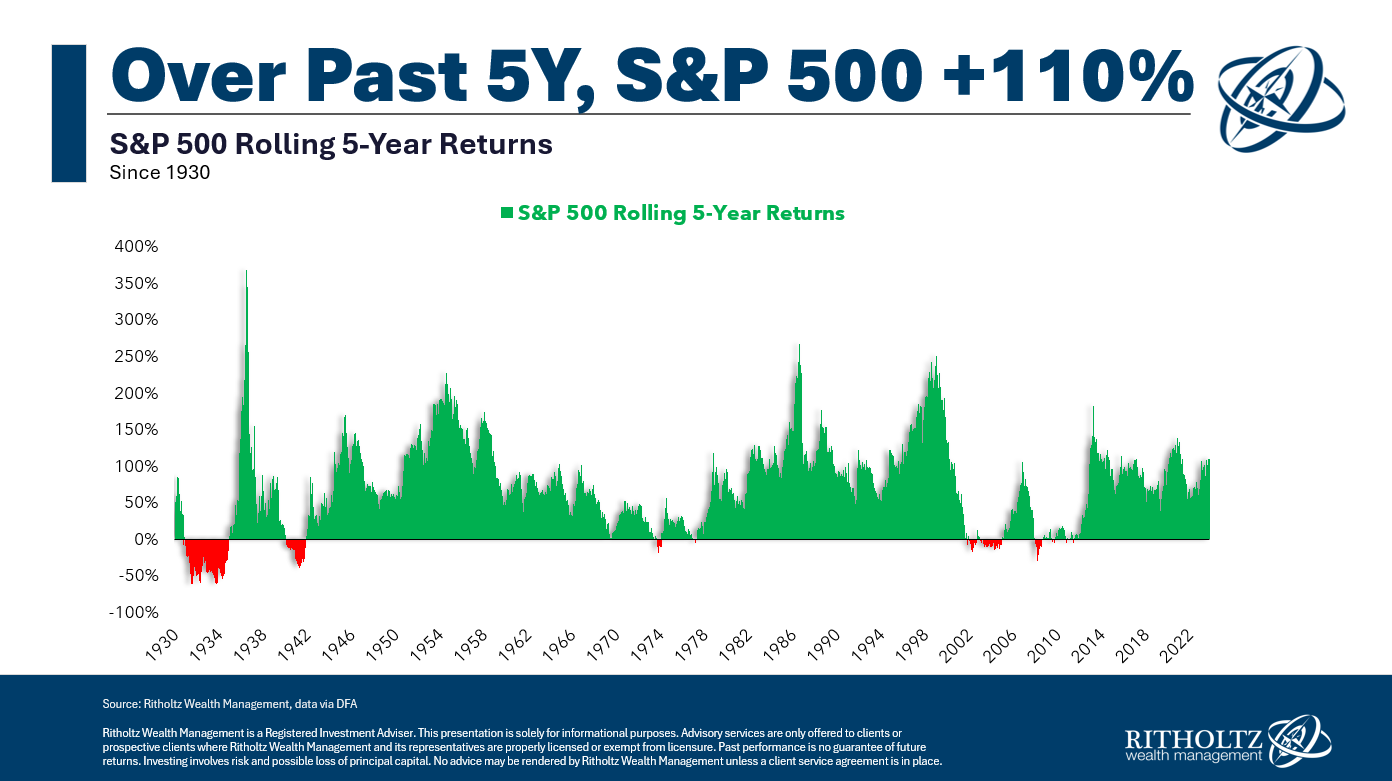
Early retirement spending is especially important because of sequence-of-returns risk. In plain English, this means poor market returns early in retirement can hurt more than poor returns later, especially if you are withdrawing from your investment portfolio at the same time. If the market drops and you keep selling investments to fund a lifestyle that cannot bend, your portfolio may have less time and less capital to recover.
That does not mean retirees should panic every time the stock market coughs. It means the first five years should include a flexible spending system, a cash reserve, and a realistic understanding of which expenses are essential and which ones can wait until the market stops acting like a toddler in a grocery store.
What Retirees Typically Spend Money On
Most retirement budgets are built around a few major categories: housing, food, transportation, health care, taxes, insurance, travel, hobbies, family support, and charitable giving. While every household is different, national spending data shows that housing remains one of the largest expenses for older Americans. Even retirees who own their homes outright still face property taxes, insurance, utilities, maintenance, repairs, and the occasional surprise plumbing event that arrives with the confidence of a Broadway performer.
Health care is another major category. Medicare helps, but it does not make health care free. Retirees may still pay premiums, deductibles, coinsurance, prescription drug costs, dental care, vision care, hearing aids, and long-term care expenses. Planning for health care is not pessimistic; it is practical. Your knees may be optimistic, but your budget should be more realistic.
Food and transportation often change after retirement. Some people eat at home more and drive less because there is no daily commute. Others spend more on restaurants, road trips, and visits to family. Entertainment may rise in the early years because retirees finally have time for golf, pickleball, concerts, classes, museums, gardening projects, and the grand American tradition of buying tools for a project that may or may not happen.
Year 1: The “New Freedom” Year
The first year of retirement is often the most emotional. You may feel excited, relieved, nervous, or oddly guilty for drinking coffee at 10 a.m. on a Tuesday while other people are in meetings. Financially, Year 1 should be treated as a test year.
Start by tracking real spending for 12 months. Do not rely only on estimates from your working years. Retirement changes the rhythm of life. You may spend less on commuting, payroll taxes, dry cleaning, lunches out, and retirement contributions. At the same time, you may spend more on travel, home projects, health care, hobbies, and family visits.
Best moves for Year 1
- Create a monthly retirement spending plan based on actual expenses, not guesses.
- Separate essential expenses from discretionary expenses.
- Build or maintain 12 to 24 months of safer cash flow for near-term needs.
- Avoid huge irreversible purchases until you understand your new lifestyle.
- Review Medicare, insurance, tax withholding, and Social Security timing.
Year 1 is not the time to buy three vacation homes, a boat, and a pottery kiln unless your financial plan has already given those decisions a standing ovation. The better approach is to enjoy retirement while collecting data about your real spending behavior.
Year 2: The Lifestyle Calibration Year
By the second year, the novelty of retirement begins to settle into routine. This is when you can ask better questions. Did you spend more than expected? Less? Were travel costs realistic? Did health insurance cost more than planned? Did you discover that staying home is delightful, or did you realize you need more adventure than your couch can provide?
Year 2 is the time to calibrate. If you overspent in Year 1, do not automatically panic. One expensive year does not ruin retirement. But if your ongoing spending is higher than your sustainable income, you need to adjust early. Small changes made in Year 2 are far easier than drastic cuts made in Year 12.
Useful Year 2 questions
- Which expenses brought real joy, comfort, or health benefits?
- Which purchases felt exciting for five minutes and annoying by the credit card statement?
- Are withdrawals from retirement accounts tax-efficient?
- Would delaying Social Security improve long-term income security?
- Should travel be planned annually, seasonally, or only when the budget allows?
A smart retirement spending plan should not punish enjoyment. It should identify the spending that matters most. If a yearly beach trip makes life wonderful, keep it. If a storage unit full of forgotten “someday” items costs $180 a month, maybe someday has had enough time to prove itself.
Year 3: The Inflation Reality Check
By Year 3, inflation becomes more noticeable. A grocery bill that used to feel normal may start acting like it got promoted. Insurance premiums may rise. Home repairs may cost more than expected. Medicare premiums and prescription costs can change. Even small increases across several categories can squeeze a fixed retirement income.
This is why retirees should build inflation into their five-year retirement spending plan. Social Security benefits receive cost-of-living adjustments, but not every income source rises with inflation. Pension payments may be fixed. Withdrawals from savings may need to increase. Investment income can fluctuate.
How to fight inflation without ruining retirement
- Review subscriptions, insurance policies, and recurring charges every year.
- Compare Medicare plans during open enrollment.
- Use a travel budget instead of treating every trip as a financial surprise party.
- Keep some growth-oriented investments for long-term purchasing power.
- Consider part-time consulting or seasonal work if it fits your lifestyle.
Inflation does not require retirees to become joyless coupon robots. It does require awareness. A budget that worked at age 65 may need updates at age 68, 72, and 80. Retirement spending is not a stone tablet; it is a living document with coffee stains and edits.
Year 4: The Health Care and Home Maintenance Year
Year 4 is often when retirees become more realistic about health care and home maintenance. The early glow of retirement may still be there, but practical needs become clearer. Maybe dental work costs more than expected. Maybe the roof is aging. Maybe the car needs replacing. Maybe your back has issued a formal complaint about carrying mulch.
Health care and housing are two categories that can disrupt retirement spending because they are necessary and often unpredictable. A strong five-year plan includes sinking funds for these expenses. Instead of treating every repair as an emergency, set aside money monthly for home maintenance, vehicle replacement, and medical out-of-pocket costs.
Common costs to prepare for
- Medicare premiums and deductibles
- Prescription drug costs
- Dental, vision, and hearing expenses
- Home repairs, appliances, roofing, plumbing, and HVAC
- Property taxes and homeowners insurance
- Vehicle repairs or replacement
Many retirees underestimate home maintenance because they no longer have a mortgage. But a paid-off house is not a free house. It is more like a beloved pet dragon: wonderful, valuable, and occasionally expensive when it sneezes fire into the HVAC system.
Year 5: The Long-Term Sustainability Review
By Year 5, you have enough real-world information to review your retirement spending with confidence. You know what retirement actually costs for your household. You know whether your travel dreams are annual events or once-in-a-while treats. You know whether your withdrawal rate feels comfortable. You know which expenses are flexible and which ones are permanent residents.
This is the year to run a deeper retirement income review. Look at your portfolio balance, withdrawal rate, Social Security income, pension income, tax situation, Medicare costs, required minimum distribution timeline, and estate goals. If you retired before claiming Social Security, Year 5 may also be a good time to revisit claiming decisions. If you are approaching required minimum distributions, tax planning becomes even more important.
Year 5 review checklist
- Compare five years of actual spending against your original retirement budget.
- Calculate your current withdrawal rate from investment accounts.
- Review your asset allocation and cash reserve.
- Update beneficiary forms and estate documents.
- Plan for future health care and possible long-term care needs.
- Consider whether downsizing, relocating, or aging-in-place improvements make sense.
The fifth year is not an ending. It is a checkpoint. A retiree who reviews spending early has more choices, more confidence, and fewer unpleasant surprises later.
How Much Should You Withdraw in the First 5 Years?
The famous 4% rule is often used as a starting point for retirement withdrawals. The basic idea is to withdraw a percentage of your portfolio in the first year, then adjust that dollar amount for inflation each year. However, modern retirement planning is more flexible than one rule. Your safe withdrawal rate depends on your age, portfolio mix, guaranteed income, health, taxes, market conditions, and willingness to adjust spending.
For example, a retiree with $1,000,000 invested might begin with a $39,000 to $40,000 annual withdrawal, depending on the strategy used. But that number should not be viewed in isolation. If Social Security and a pension cover all essential expenses, portfolio withdrawals may fund travel and extras. That gives the retiree more flexibility. If portfolio withdrawals must cover rent, food, insurance, taxes, and health care, the plan needs to be more conservative.
Fixed vs. flexible withdrawals
A fixed withdrawal strategy offers predictable income but may strain a portfolio during market downturns. A flexible withdrawal strategy adjusts spending based on investment performance. In strong markets, retirees may give themselves a modest raise. In weak markets, they may delay a big trip, reduce discretionary spending, or draw more from cash reserves instead of selling investments at a loss.
Flexibility is one of the most powerful tools in retirement. You do not need to cancel joy. You simply need to avoid making every expense nonnegotiable.
A Practical 5-Year Retirement Spending Framework
A strong five-year retirement spending plan can be organized into three layers: needs, wants, and wishes.
1. Needs
Needs include housing, utilities, groceries, basic transportation, insurance, taxes, health care, and minimum debt payments. These expenses should be covered by reliable income whenever possible, such as Social Security, pensions, annuities, or a conservative withdrawal plan.
2. Wants
Wants include dining out, travel, hobbies, gifts, entertainment, home upgrades, and lifestyle extras. These expenses make retirement enjoyable, but they should be adjustable. If markets fall or inflation rises, wants are the first place to make temporary changes.
3. Wishes
Wishes include major trips, large family gifts, second homes, luxury purchases, major renovations, or legacy goals. These should be planned carefully and funded only after essential income security is protected.
This framework helps retirees avoid the classic mistake of treating every expense as equally important. Groceries and a spontaneous luxury cruise are not the same type of expense, even if both technically involve snacks.
Specific Example: A 5-Year Spending Plan
Imagine a newly retired couple with $72,000 in annual spending. Their reliable income includes $42,000 from Social Security and a small pension. They need $30,000 from savings and investments to cover the rest. They divide their budget like this:
- Essential expenses: $50,000 per year
- Lifestyle expenses: $15,000 per year
- Big-ticket fund: $7,000 per year
In Year 1, they travel heavily and spend $80,000. In Year 2, they reduce travel and spend $70,000. In Year 3, inflation pushes essential expenses higher, so they review insurance and subscriptions. In Year 4, they replace an HVAC system using their home maintenance fund. In Year 5, they review their portfolio and realize their average spending is sustainable because they adjusted early instead of pretending the budget was a decorative object.
The lesson is simple: the first five years do not have to be perfectly even. They have to be monitored.
Tax Planning During the First 5 Years
Taxes can quietly shape retirement spending. Withdrawals from traditional IRAs and 401(k)s are generally taxable as ordinary income. Roth IRA withdrawals may be tax-free if rules are met. Taxable brokerage accounts may create capital gains. Social Security benefits may be partly taxable depending on income. Medicare premiums can also rise for higher-income retirees because of income-related adjustments.
The first five years may offer tax-planning opportunities, especially for retirees who stop working before required minimum distributions begin. Some households use lower-income years to make partial Roth conversions, manage capital gains, or choose a tax-efficient withdrawal order. The right strategy depends on personal income, account types, state taxes, age, and legacy goals.
A tax-efficient plan does not mean paying no taxes. It means avoiding unnecessary taxes and unpleasant surprises. The IRS may not send confetti, but good planning can still feel like a party.
Common Retirement Spending Mistakes to Avoid
Spending too much too soon
The early years are often active and exciting, but overspending can create long-term pressure. Large recurring expenses are especially risky because they are harder to reverse than one-time purchases.
Being too afraid to spend
Some retirees save diligently for decades and then feel guilty using their money. This can lead to a retirement that is financially secure but emotionally small. A good plan gives permission to spend on what matters.
Ignoring health care costs
Health care deserves its own category in the retirement budget. Medicare is valuable, but it does not cover everything.
Forgetting inflation
Even moderate inflation can reduce purchasing power over a long retirement. A plan should include both safe income and growth potential.
Helping family without boundaries
Supporting adult children or grandchildren can be meaningful, but it should not endanger retirement security. Generosity works best when it has a budget.
of Real-Life Retirement Spending Experience
The first five years of spending in retirement often feel less like a spreadsheet and more like learning to drive a new car. The steering wheel is familiar, but the dashboard has new buttons, and one of them may or may not open the sunroof. Many retirees discover that the emotional side of spending is just as important as the math.
One common experience is the “vacation mode” effect. After decades of work, retirement can feel like one long Saturday. In the first year, people may say yes to everything: a family reunion in Florida, a national parks trip, a new patio, season tickets, premium cable, upgraded luggage, and a hobby that requires specialized equipment with names no one can pronounce. None of these choices are bad by themselves. The challenge is that they can stack up quickly. Retirement freedom is wonderful, but it needs a guardrail or two.
Another experience is the surprise of routine spending. Many retirees expect to spend dramatically less once they stop working. Sometimes they do. But daily life still costs money. The electric bill does not retire. The refrigerator continues its lifelong mission to become empty. Cars still need tires. Grandchildren still have birthdays, and they do not accept “portfolio volatility” as an excuse for skipping gifts. The practical lesson is to build a retirement budget around real monthly living, not the fantasy version where every day is peaceful, inexpensive, and somehow includes free blueberries.
Health care also becomes more visible. During working years, employer benefits may hide the full cost of coverage. In retirement, premiums, prescriptions, dental care, and out-of-pocket expenses can feel more direct. Retirees who review Medicare options annually often feel more in control than those who let plans renew automatically forever. The plan that worked last year may not be the best fit this year.
Home spending is another reality check. A paid-off house can make retirement much easier, but maintenance still matters. Retirees often find that home projects compete with travel for the same dollars. A new roof is not as fun as a river cruise, but it is much better at preventing indoor rain. Successful retirees usually create a home repair fund so maintenance does not derail the fun budget.
The happiest retirees are not always the ones who spend the most. They are often the ones who spend clearly. They know which expenses create joy, comfort, health, connection, and purpose. They cut the waste without cutting the good stuff. They talk openly with spouses or partners about priorities. They revisit the plan every year. Most importantly, they allow retirement to evolve. The first five years are not about locking yourself into one perfect budget. They are about learning, adjusting, and building a lifestyle that can last.
Conclusion: Make the First 5 Years Count
The first five years of spending in retirement set the tone for the decades that may follow. This period is your chance to understand real expenses, protect against early market risk, plan for health care, adjust for inflation, and decide what kind of retirement actually feels meaningful. A strong plan does not require perfection. It requires awareness, flexibility, and the courage to make changes before small leaks become big financial puddles.
Retirement spending should support your life, not scare you away from living it. Track your money, protect your essentials, enjoy your priorities, and review the plan every year. The goal is not to die with the most organized spreadsheet. The goal is to use your resources wisely so your retirement feels secure, generous, and genuinely yours.
Note: This article is for general educational purposes and should not be considered personalized financial, tax, legal, or investment advice. Retirement decisions should be reviewed with qualified professionals who understand your full financial situation.