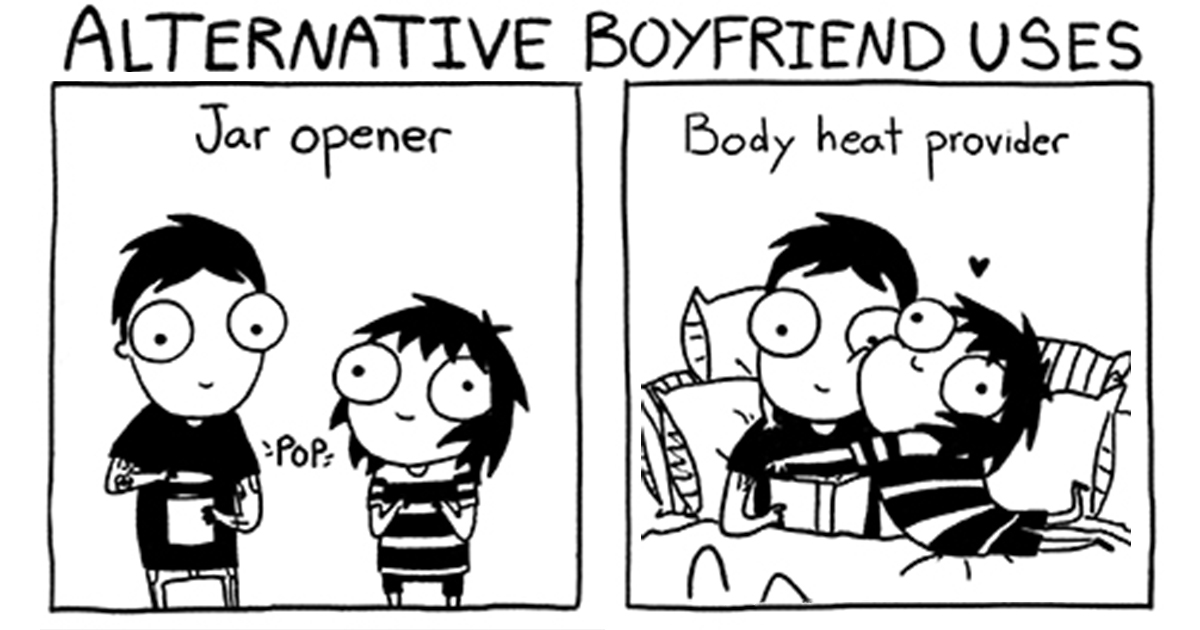
Some truths arrive wearing lab coats. Others arrive as a four-panel comic about trying to look effortlessly elegant while your hair has declared independence, your bra has become a medieval torture device, and your social battery is blinking at one percent. That is the magic of hilariously honest comics about women’s everyday lives: they take ordinary frustrations and turn them into tiny, illustrated therapy sessions.
Relatable comics have become one of the internet’s favorite ways to say, “Wait, I thought that was just me.” From body image and bad hair days to work stress, dating confusion, period problems, messy apartments, and the strange emotional event known as “finding jeans that almost fit,” women-centered comics capture daily life with humor, warmth, and a sharp little eyebrow raise at society’s expectations.
This style of comic is not just cute content for a quick scroll. It is a modern form of storytelling. Artists such as Sarah Andersen, Cassandra Calin, Catana Chetwynd, Lainey Molnar, Debbie Tung, and many other illustrators have helped turn awkward adulthood, relationships, anxiety, self-image, and domestic chaos into art that feels personal without being preachy. The result is funny, honest, deeply shareable, and sometimes more emotionally accurate than a 3,000-word essay with footnotes and a very serious title.
Why Honest Comics About Women’s Everyday Lives Feel So Powerful
The best comics about women’s problems work because they are specific. A generic joke about “being tired” is fine. But a comic about planning to become a glamorous, well-rested, productive person after one cup of coffee, only to spend the next three hours staring into the fridge like it contains answers from the universe? That hits differently.
These comics succeed because they recognize the tiny battles that fill real life. A woman may laugh at a drawing about tangled hair, but she is also recognizing the daily pressure to look polished. She may smile at a comic about hiding from phone calls, but underneath that joke is the exhausting performance of always being available. A comic about shaving one leg and then giving up is funny because it is both silly and painfully human.
Humor gives these subjects room to breathe. Instead of turning every issue into a heavy lecture, honest comics use exaggeration, facial expressions, visual contrast, and quick punchlines. The artist can draw “expectation” as a graceful goddess in flowing pajamas and “reality” as a goblin wrapped in a blanket eating cereal at midnight. The joke lands because the audience has lived both versions.
The Rise of Relatable Webcomics
Before social media, comic strips often lived in newspapers, magazines, or printed collections. Today, many of the most beloved slice-of-life comics are born online. Instagram, Webtoon, Tumblr, Facebook, TikTok, Pinterest, and personal websites have turned short illustrated stories into global conversations. A comic can travel from one artist’s sketchbook to millions of screens in a single day, especially when it captures a feeling people instantly want to share.
That shareability is important. Relatable comics are often less about the joke itself and more about the message attached to it: “This is us,” “This is me before coffee,” “I feel attacked,” or “Why is this my entire personality?” The audience becomes part of the punchline. People tag friends, save posts, repost panels, and build little communities around the relief of being understood.
Women-centered comics thrive in this space because so many everyday experiences have historically been dismissed as too small, too domestic, too emotional, or too “girly” to be taken seriously. Webcomics flip that assumption. They say the small things are the story. The sink full of dishes, the group chat drama, the dressing-room meltdown, the work email written with fake cheerfulness, the cramps, the messy bun, the late-night overthinkingthese are not side notes. They are life.
Common Themes in Hilariously Honest Women’s Comics
1. Beauty Expectations vs. Real Life
One of the most popular themes in comics about women’s problems is the gap between how beauty is advertised and how it actually behaves in the wild. Makeup tutorials promise a five-minute glow. Reality replies with uneven eyeliner, mascara on the eyelid, and a mysterious orange line at the jaw. Hair ads show smooth waves. Real hair may decide to resemble a decorative shrub during a thunderstorm.
These jokes are funny because they expose the absurdity of constant perfection. The comic format is perfect for “before and after” humor: one panel shows the fantasy, the next shows the lived experience. It is not about mocking women’s appearances. It is about laughing at the impossible standards that make ordinary bodies feel like failed projects.
2. Body Image and Self-Acceptance
Honest comics often explore body image with a mix of tenderness and sarcasm. A character may try on ten outfits, reject all of them, and return to the first one while emotionally aging seven years. Another may stand in front of a mirror, determined to practice self-love, while her brain offers an unhelpful TED Talk on every insecurity it can find.
The strongest comics do not tell readers to magically love themselves by Tuesday. Instead, they show the messy process of living in a body while society keeps handing out opinions nobody ordered. They normalize softness, stretch marks, bloating, acne, changing weight, tired faces, and bodies that do not look like edited images. The humor creates a friendly doorway into a topic that can otherwise feel heavy.
3. Periods, Cramps, and Physical Discomfort
Menstruation is a recurring subject because it is both ordinary and strangely under-discussed in public. Comics can make period cramps, mood swings, cravings, leaks, and surprise timing feel less isolating. A simple drawing of a woman curled up with a heating pad while her uterus is imagined as a tiny villain can say what many people feel but rarely announce at brunch.
The humor here is not about making discomfort cute. It is about making it visible. When comics show periods as part of everyday life, they push back against the old idea that normal bodily experiences should be hidden behind whispers, purse-smuggling, and emergency sweater strategies.
4. Dating, Relationships, and Emotional Labor
Relationship comics can be sweet, chaotic, or brutally accurate. Some focus on cozy moments: sharing snacks, stealing hoodies, becoming weird together, or silently communicating across a room. Others highlight emotional labor: remembering birthdays, managing plans, interpreting vague texts, and asking, “What do you want for dinner?” with the bravery of a battlefield commander.
Women’s relationship comics often work best when they notice the tiny rituals that define intimacy. Love is not always dramatic speeches in the rain. Sometimes it is sending a meme from across the couch. Sometimes it is knowing exactly how someone likes their fries. Sometimes it is letting another person see your full gremlin mode and still choosing to stay.
5. Work, Burnout, and the Myth of Having It All
Modern women’s comics frequently tackle productivity culture. The character starts the day with a planner, three goals, and main-character energy. By afternoon, she is surviving on iced coffee, unanswered messages, and a heroic refusal to cry during a meeting. That contrast is comedy gold because so many readers know the pressure to be ambitious, kind, organized, attractive, healthy, informed, and emotionally stablepreferably before 9 a.m.
These comics question the fantasy of “having it all” by showing how exhausting “all” can be. They make room for burnout, procrastination, imposter syndrome, awkward office conversations, and the quiet satisfaction of closing 47 browser tabs as if that counts as inner peace.
Why the Art Style Matters
Many relatable comics use simple lines, exaggerated expressions, and minimal backgrounds. That simplicity is not laziness. It is strategy. A clean drawing lets the emotion take center stage. Wide eyes, slumped shoulders, messy hair, and tiny hands can communicate embarrassment, panic, joy, or exhaustion faster than a paragraph.
The cartoon body is also flexible. A character can melt into a puddle after socializing, transform into a potato on the couch, or grow demon eyes when someone says, “You look tired.” This visual exaggeration turns internal feelings into external comedy. Readers laugh because the drawing shows exactly what the emotion feels like, not necessarily what it looks like.
That is why comics can be so comforting. They make invisible experiences visible: anxiety becomes a creature, fatigue becomes a blanket cocoon, self-doubt becomes a loud little gremlin, and confidence becomes a rare but glorious sparkle effect.
Women Cartoonists Turn Small Moments Into Big Recognition
The popularity of women-led webcomics shows that audiences are hungry for stories that treat everyday life as worthy material. Sarah Andersen’s work helped define the awkward-adulthood comic for a generation of readers who felt underprepared for bills, social expectations, and basic human functioning. Cassandra Calin’s comics capture expectation-versus-reality humor, daily mishaps, curly hair struggles, relationships, and the drama of trying to look like the person you imagined in your head. Catana Comics made cozy relationship humor feel intimate and universal. Lainey Molnar’s illustrations often examine social pressure, body image, gender expectations, and women’s autonomy.
Each artist has a different voice, but they share a key strength: they turn private thoughts into public recognition. Their comics do not say, “Here is the perfect life.” They say, “Here is the weird, funny, imperfect one we are actually living.” That honesty is why readers keep coming back.
The SEO Power of Relatable Comics Content
For publishers, blogs, and entertainment websites, articles about women’s problems in honest comics perform well because they combine visual culture, humor, identity, and emotional connection. Search terms such as “relatable comics,” “women’s everyday problems,” “funny comics about life,” “honest comics about women,” and “everyday life comics” match what readers already want: quick entertainment with a little emotional payoff.
But good SEO content should not treat this topic like a pile of random images. A stronger article explains why the comics matter, what themes they explore, and how they connect with readers. Search engines reward useful, organized content, but humans reward personality. The sweet spot is an article that offers context, examples, and insight without sounding like it was assembled by a bored toaster.
Specific Examples of Everyday Problems Comics Capture So Well
Imagine a comic about buying a cute outfit online. In the first panel, the model looks effortless, elegant, and possibly lit by angels. In the second panel, the package arrives. In the third, the character tries it on and somehow looks like she is wearing a confused curtain. The joke is simple, but the experience is universal: expectation, hope, delivery, betrayal.
Another common setup is the “productive Sunday” fantasy. The character plans to clean, meal prep, exercise, answer emails, and become a new woman. By evening, she has reorganized one drawer, watched six episodes of a show she has already seen, and eaten shredded cheese directly from the bag. It is ridiculous, but it is also honest about how rest and avoidance often collide.
Then there are comics about public confidence. A woman leaves the house feeling powerful, stylish, and ready for the day. One unexpected comment, one bad reflection in a store window, or one gust of wind later, the confidence exits her body like a ghost with better plans. The humor lies in how fragile self-assurance can feel when the world keeps poking at it.
Why Readers Feel Seen
The phrase “I feel seen” may be overused online, but it perfectly explains the emotional success of honest comics. Readers feel seen when a comic names something they thought was too minor to mention. They feel seen when an artist draws the mental gymnastics of sending a text, the panic of an unexpected video call, or the joy of canceling plans and immediately becoming 40 percent healthier.
Being seen does not always require a grand confession. Sometimes it is enough to see a cartoon character choose comfort over perfection, admit she is tired, laugh at her own contradictions, and keep going. That small recognition can be surprisingly powerful.
How These Comics Challenge Stereotypes
At first glance, comics about makeup, dating, periods, or messy rooms may seem light. But many of them quietly challenge stereotypes. They reject the idea that women must be effortlessly beautiful, endlessly patient, naturally organized, emotionally available, and cheerful through discomfort. They also challenge the belief that women’s humor must be polite or decorative.
Honest comics allow women to be anxious, lazy, ambitious, annoyed, silly, romantic, private, loud, soft, angry, hungry, confused, brilliant, and ridiculoussometimes in the same afternoon. That range matters. It gives readers permission to be more than one thing.
Experiences Related to Women’s Problems And Everyday Lives In Hilariously Honest Comics
The experience of reading these comics often feels like opening a window in a room you did not realize was stuffy. A reader may arrive for a quick laugh and leave with a sense of relief. That relief comes from recognition. The comic says, “Your tiny daily disasters are not proof that you are failing. They are proof that you are alive, human, and possibly in need of a snack.”
One common experience is the dressing-room spiral. Many women know the emotional roller coaster of walking into a store with optimism and walking out questioning the entire clothing industry. Sizes vary wildly. Lighting can feel personally insulting. Mirrors seem designed by someone with unresolved anger. A hilariously honest comic can turn that frustration into a shared joke, reminding readers that the problem is not their body; often, the problem is unrealistic design, inconsistent sizing, and expectations that change faster than fashion trends.
Another familiar experience is the “social battery” problem. A woman may love her friends, enjoy the invitation, choose the outfit, and still feel completely drained before leaving the house. Comics capture this perfectly by showing the character excited in theory and exhausted in practice. The punchline is not that she dislikes people. It is that modern life demands constant performance: reply quickly, show up smiling, be charming, take photos, remember details, and somehow recover before Monday.
There is also the private comedy of domestic ambition. Many people have experienced the sudden urge to reinvent their entire home at 10 p.m. A comic might show a character deciding to clean “just one shelf” and then sitting in the middle of the floor surrounded by old receipts, tangled chargers, expired coupons, and a mysterious key that may open a portal. The humor works because the task began as self-improvement and became archaeology.
Food cravings are another rich source of comic truth. The character announces a healthy lifestyle, buys leafy greens, and then spends the evening thinking intensely about fries. The joke is not about shame; it is about the gap between intention and reality. Honest comics are at their best when they show people trying, failing, laughing, and trying again without turning life into a moral scoreboard.
Workplace comics also resonate strongly. Many women recognize the experience of writing emails with friendly punctuation while internally screaming into the office carpet. A message that says “Just checking in!” may actually mean, “Please answer before I become part of the furniture.” Comics exaggerate this emotional translation, making visible the gap between professional language and human feeling.
Perhaps the most meaningful experience these comics capture is the pressure to appear fine. Fine at work. Fine in relationships. Fine in photos. Fine while tired, cramping, overwhelmed, underpaid, overthinking, or holding together a schedule with caffeine and hope. Hilariously honest comics give that pressure a funny face. They do not solve every problem, but they make the reader feel less alone inside it.
That is why these comics continue to matter. They are not just jokes about messy buns and bad dates. They are small acts of honesty. They turn everyday survival into shared laughter. And sometimes, shared laughter is exactly what keeps a regular Tuesday from becoming a dramatic season finale.
Conclusion
Women’s problems and everyday lives in hilariously honest comics are funny because they are true. They make room for the awkward, the ordinary, the uncomfortable, and the wonderfully ridiculous parts of being human. From body image and burnout to relationships, periods, social anxiety, beauty expectations, and domestic chaos, these comics transform private frustrations into public connection.
The best relatable comics do more than make readers laugh. They validate lived experience without turning it into a lecture. They remind us that perfection is boring, honesty is magnetic, and sometimes the most powerful story is a tiny drawing of someone wrapped in a blanket, choosing peace over pants.