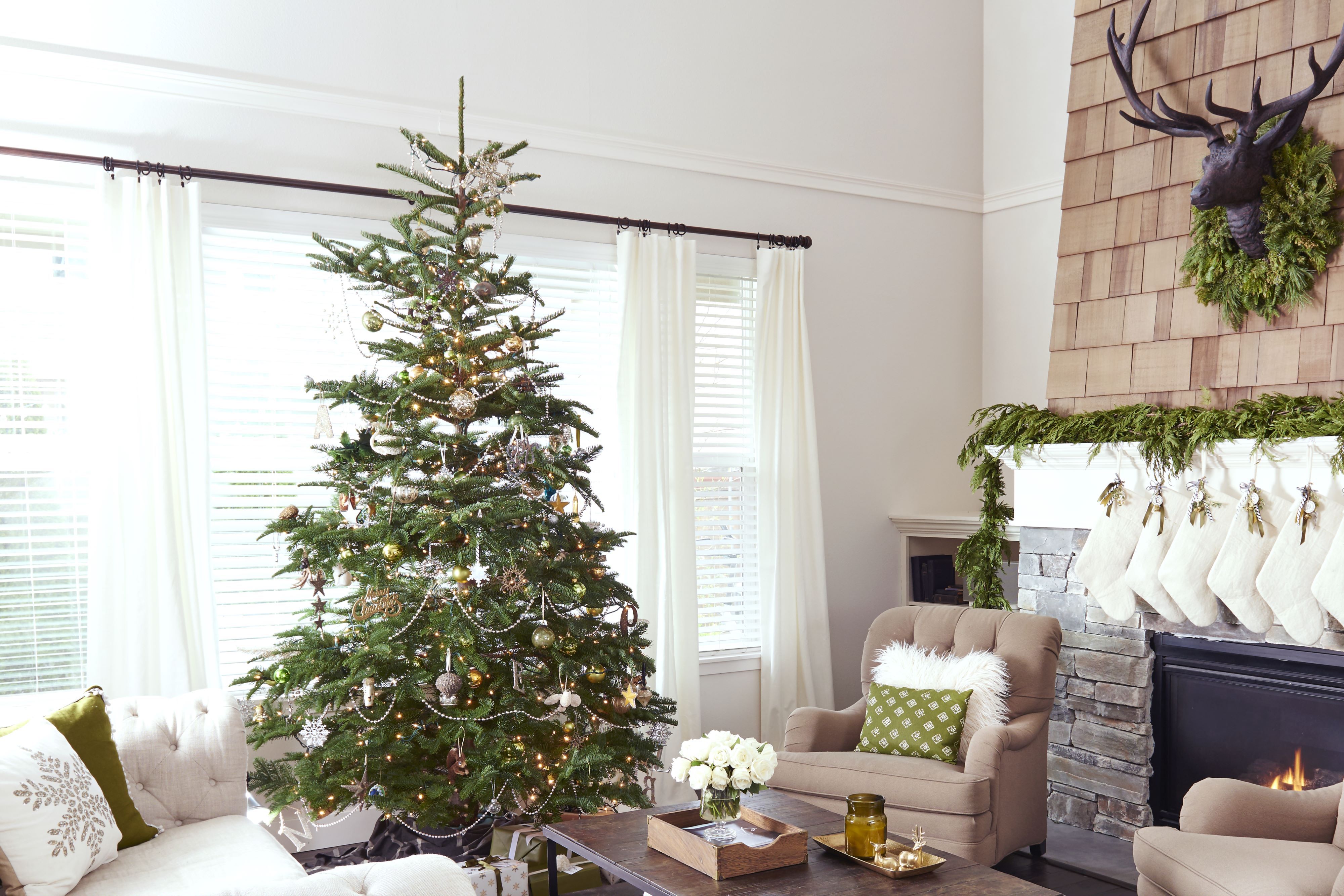
Picking a Christmas tree is fun. Fluffing it is a workout. Untangling lights is an annual test of character. But choosing where the tree should actually go? That part gets weirdly ignored, even though it can make the difference between a cozy holiday setup and a dry, droopy, needle-shedding mess that seems determined to ruin your rug and your mood.
Most people think about how a tree looks in a room. Far fewer think about how a tree behaves in a room. Real trees dry out faster in warm, drafty spaces. Artificial trees still need safe placement because lights, cords, pets, kids, and heavy ornaments do not care how magical your aesthetic is. And whether your style is elegant winter wonderland or “every ornament from 1997 is going on this tree,” location matters.
If you want your Christmas tree to stay fresher, safer, and easier to live with all season, there are three spots you should avoid at all costs. Here’s where not to put your Christmas tree, why these places are trouble, and what to do instead.
Why Christmas Tree Placement Matters More Than You Think
A Christmas tree is not just décor. It is a living evergreen that is slowly drying indoors, or a large seasonal object wired with lights and surrounded by people, pets, presents, and furniture. In other words, it is festive, but it is also a project.
When a real tree gets too warm or too dry, it loses moisture faster. That means brittle needles, sagging branches, and higher fire risk. When any tree is placed in the wrong traffic zone, it becomes a bump-and-snag magnet. And when it sits near vents, doors, or strong sunlight, it can go from “freshly cut forest beauty” to “crispy holiday tumbleweed” much faster than most people expect.
Good tree placement helps with all of the following:
- Keeping a live tree hydrated longer
- Reducing fire risk during the holiday season
- Preventing blocked exits and awkward foot traffic
- Avoiding tripping hazards from cords and tree skirts
- Protecting ornaments from crashes, grabs, and accidental body checks
- Making the room feel cheerful instead of crowded
Now let’s talk about the three biggest no-go zones.
1. Never Put Your Christmas Tree Next to a Heat Source
Why this spot is a problem
If your tree is parked next to a fireplace, radiator, space heater, wood stove, candle display, or heat vent, you are basically fast-tracking the drying process. Real trees lose moisture more quickly in warm conditions, which means they can become brittle and hazardous sooner. Even if the room looks gorgeous with the tree by the fireplace, the heat is quietly doing the opposite of your holiday décor goals.
This is one of the most common Christmas tree mistakes because it makes visual sense. Fireplace equals cozy. Tree equals cozy. Fireplace plus tree should equal peak December. In reality, it can equal a parched evergreen shedding needles like it is being paid by the pine needle.
Artificial trees are not magically exempt from bad placement, either. They may not dry out like live trees, but putting them too close to direct heat or open flame is still a terrible idea. Add string lights, wrapping paper, and a few curious pets, and suddenly that “perfect corner” starts looking less perfect.
What counts as a heat source?
More things than people realize. Obvious offenders include fireplaces, radiators, portable heaters, and candles. But less dramatic heat sources matter too, including baseboard heaters, HVAC vents, sunny windows that roast one side of the tree all afternoon, and even electronics that pump out steady warmth in a small room.
- Fireplaces, including gas fireplaces
- Radiators and baseboard heaters
- Portable space heaters
- HVAC supply vents
- Wood stoves
- Candles and candelabras
- Hot lighting setups
- Very sunny windows that heat the tree over several hours
What to do instead
Choose a spot that stays relatively cool and stable throughout the day. A live tree does best when it is kept away from direct heat and watered consistently. If you have a dramatic fireplace wall and cannot resist decorating near it, give the tree plenty of distance and place a wreath, garland, or decorative baskets closer to the hearth instead.
A good rule of thumb is simple: if the spot feels warm to you, it is probably not a great long-term home for a real Christmas tree.
Design tip
You do not need the tree to be beside the fireplace to make the room feel balanced. Put the tree nearby but not too nearby, then visually connect the two with a matching color palette, ribbon style, or metallic accents. You still get the cozy look without turning your tree into holiday kindling.
2. Never Put Your Christmas Tree in a Doorway, Hallway, or Anywhere That Blocks Movement
Why this spot is a problem
A Christmas tree should not block an exit, squeeze a walkway, or force people to do a sideways shuffle to get through the room. It sounds obvious, but every year people wedge a tree into an entry path because it “sort of fits” or because that was the only open corner not already occupied by furniture, toys, a dog bed, and three mysterious Amazon boxes.
The problem is bigger than convenience. During everyday life, a badly placed tree means bumped branches, knocked-off ornaments, snagged sweaters, tripped kids, and stressed adults carrying trays of snacks. In an emergency, blocked pathways are far more serious. A tree should never interfere with getting in or out of a room cleanly.
Even if the tree is not fully blocking a doorway, placing it in a high-traffic route creates constant friction. Every time someone brushes past it, the stand can shift, ornaments can swing loose, and the branches take a beating. The tree becomes less of a centerpiece and more of an obstacle course with twinkle lights.
Signs your tree is in the wrong traffic zone
- People have to sidestep around it
- The bottom branches get hit every day
- Presents spill into the walking path
- The cord crosses an area where people step
- You have to move furniture just to open a door normally
- Kids or pets treat the tree like a slalom marker
Why entryways are especially tricky
An entryway tree can look charming in photos, but in real life it often becomes a bottleneck. Coats, bags, boots, guests, and grocery runs all pass through that space. Add a tree skirt, a power cord, and maybe a few low ornaments, and you have created the world’s most festive trip hazard.
Hallways have a similar problem. They may seem like empty real estate, but they are meant for movement, not bulky seasonal décor. If a hallway tree seems like your only option, it is usually a sign that the tree is too large for the space and you would be better off sizing down.
What to do instead
Place your Christmas tree where people can enjoy it without colliding with it. Think of it as a destination, not a hurdle. The best spots tend to be visible from the room’s main seating area while still leaving wide, comfortable pathways around furniture and door openings.
If your room is tight, go narrower rather than taller and bulkier. Slim-profile trees, pencil trees, or tabletop trees can look intentional and stylish without swallowing the room. This is one of those rare decorating moments where “less tree” can actually mean “more peace.”
3. Never Put Your Christmas Tree Near Vents, Drafty Doors, or Sunny Windows
Why this spot is sneakier than it looks
This is the placement mistake many people do not see coming. A tree can appear safely away from the fireplace and still struggle if it sits near a vent, drafty back door, or bright window that bakes one side of it each afternoon. These spots create temperature swings and dry air, which are not great for a live tree’s longevity.
Heating vents are especially rough on a real tree because they blow warm, dry air directly onto the branches. That speeds up moisture loss and can leave one side of the tree looking tired before the other. Drafty doors and chilly windows can also cause uneven conditions that stress the tree and make needle drop worse.
Sunny windows deserve their own warning label. Natural light is lovely, but direct sun can heat a tree more than people realize. That can dry the needles, fade ornaments, and make the branches closest to the glass look worn out while the rest of the tree wonders what it did wrong.
Why this location can also hurt your setup
Placement near vents or windows is not just about freshness. It can also mess with the look and function of the tree. Airflow can flutter ribbon, shift lightweight ornaments, and make tissue-paper decorations look like they are trying to escape. If your tree sits by a frequently used door, cold air, wet shoes, and sudden gusts are all part of the package.
That means the setup often feels messier, less stable, and more annoying to maintain. You end up adjusting the tree, sweeping needles, fixing the skirt, and wondering why this “great idea” is somehow creating administrative overhead.
What to do instead
Look for a spot with steady indoor conditions: away from strong air flow, away from direct sunlight, and away from doors that open all day long. A corner in the living room, family room, or dining space usually works better than the area right beside a drafty window or vent register.
If your home layout limits your options, make the best of the safest available space. Close nearby vents if practical, use LED lights that give off less heat, keep the stand full of water, and rotate the tree slightly if one side gets more light than the other. Small adjustments can buy you extra freshness and a better-looking tree.
How to Choose the Best Spot for Your Christmas Tree Instead
So where should your Christmas tree go? Ideally, place it in a room where people gather, but not in the direct path of movement. You want the tree to feel like a focal point without becoming a traffic cone.
- Start with safety. Pick a spot away from heat sources, open flames, and high-traffic walkways.
- Check the floor. Make sure the surface is flat and stable so the stand sits evenly.
- Think about watering access. If it is a real tree, you should be able to reach the stand easily every day.
- Plan your cord route. The plug should not run across a doorway or under a rug.
- Give it breathing room. Leave enough space around the tree for decorating, gift placement, and ordinary life.
- Match the tree size to the room. Not every room needs a towering twelve-foot holiday giant.
The sweet spot is simple: visible, stable, cool, and out of the way.
Quick Christmas Tree Safety Checklist
- Water a real tree daily
- Use a sturdy stand sized for the tree
- Keep the tree away from fireplaces, radiators, heaters, vents, and candles
- Make sure the tree does not block an exit
- Use lights in good condition
- Turn tree lights off before bed or when leaving the house
- Use LED lights when possible
- Keep cords tidy and out of walking paths
- Remove the tree when it becomes dry or brittle
What About Artificial Christmas Trees?
Artificial trees solve some problems, but not all of them. They do not need water, and they will not dry out like a live tree. Still, they should not be placed near heat sources or in blocked pathways. If they are pre-lit, the electrical setup deserves the same respect as any other seasonal lighting.
Artificial trees can also tip, crowd a room, and create cord hazards if placed carelessly. So yes, you get a little more flexibility, but not a free pass to put the tree directly beside a roaring fireplace because it looked good in your imagination.
The Bottom Line
The best Christmas tree location is not always the most obvious one. The prettiest photo corner may be too hot. The “empty” hallway may actually be an exit route. The sunny window may be quietly drying your tree into a crunchy seasonal liability. If you remember just three things, make them these: keep the tree away from heat, keep it out of the path, and keep it away from drying drafts and vents.
Do that, and your tree is more likely to stay fresh, festive, and standing upright through the season. Which, honestly, is the bare minimum we ask from a holiday centerpiece wearing 400 tiny lights and the emotional weight of December.
Holiday Home Stories: Lessons People Learn the Hard Way
Every family seems to have a Christmas tree story, and most of them start the same way: “At the time, it seemed like a good idea.” That sentence has launched a thousand holiday mishaps.
One common version goes like this: the tree gets placed right next to the fireplace because the room looks picture-perfect. The stockings are hanging, the mantel is glowing, the lights are dimmed just enough to feel magical, and everyone agrees it belongs there. Fast-forward a week, and one side of the tree is shedding like a golden retriever in July. The needles are everywhere, the branches feel dry, and the ornaments closest to the heat somehow look exhausted. The room still looks festive, but the tree has clearly been through something.
Then there is the front-entry tree. In theory, it gives guests a warm welcome. In practice, it gets clipped by backpacks, winter coats, and that one relative who always arrives carrying too many casserole dishes. The lower ornaments start disappearing first. Then the skirt shifts. Then the cord ends up where someone’s shoe catches it. The tree survives, but only after becoming the most high-maintenance object in the house.
Another classic mistake is the “window showcase” tree. People love the idea of a beautifully lit tree visible from outside. And yes, it can be gorgeous. But if that window gets strong afternoon sun or sits beside a drafty section of the house, the tree can start drying unevenly. One side stays relatively full, while the sun-facing side starts looking like it skipped moisturizer for a month. Suddenly the family is rotating the tree like a museum exhibit just to hide the rough patch.
Families with pets and young kids often learn a different lesson: a tree in a busy corner becomes irresistible. Cats see climbing equipment. Toddlers see sparkling treasure. Dogs see a new indoor obstacle with dangling chew toys. When the tree is tucked into a calmer part of the room, many of those problems ease up. The fewer drive-by opportunities, the better.
And perhaps the most relatable experience of all is realizing that the “perfect” tree spot is not always the one you imagined before decorating. Sometimes the best location is the one that keeps the room functional. It may not be centered on the fireplace. It may not be framed by the window. It may not star in every photo. But it lets people move, keeps the tree fresher, and lowers stress for the entire season. That is not settling. That is winning.
The smartest holiday hosts usually arrive at the same conclusion: a Christmas tree should add joy, not logistics. If the tree placement makes daily life harder, that spot is probably wrong. Move it once, and the whole season often gets easier. Fewer needles. Fewer near misses. Fewer muttered speeches about who bumped the tree this time. More cocoa, more twinkle lights, and a lot less chaos. And really, that is the kind of Christmas magic most homes could use.