Autumn is the season with the best publicist. It arrives with good lighting, better snacks, and the kind of wardrobe upgrade that makes people feel emotionally attached to knitwear. But if you strip away the clichésthe pumpkin overload, the one-note orange, the annual rush to buy a candle that smells like a pie with commitment issueswhat are we really obsessed with in fall?
The answer is bigger than trend. Current obsessions in autumn are really about how the season breaks itself into parts: texture, color, ritual, flavor, atmosphere, and memory. That is the trick. Fall is not one thing. It is a beautifully layered system. It is suede next to denim. It is candlelight against earlier sunsets. It is apples and squash doing the heavy lifting in the kitchen while wool throws quietly take over the sofa. It is style, home, food, and mood all conspiring to make daily life feel more cinematic.
So this is autumn, deconstructed: not as a generic “cozy season,” but as a living mood board built from tactile design, practical fashion, seasonal ingredients, and the very human craving for routine, comfort, and meaning.
Why Autumn Hits So Hard
There is a reason the autumn aesthetic feels so magnetic. Fall gives people structure without asking for perfection. Summer is chaotic, spring is ambitious, winter is dramatic, but autumn? Autumn says, “Let’s make soup and answer a few emails.” That is emotional branding at its finest.
Part of the appeal is nostalgia. Fall rituals tend to be familiar and repeatable: baking something with cinnamon, switching to warmer bedding, walking under trees that suddenly look like they got promoted, and revisiting old comforts like stew, flannel, and books with serious cover art. Nostalgia is powerful because it can reinforce belonging and meaning, which helps explain why so many seasonal habits feel soothing instead of silly. That emotional pull turns ordinary habits into seasonal rituals.
There is also a practical side. As daylight changes, people naturally rethink how they live at home and how they care for their energy. Shorter days make lighting, sleep habits, and evening routines matter more. Autumn pushes us indoors, but not in a bleak way. It encourages us to make indoor life better. That is why the strongest fall trends are not just decorative. They are functional, mood-based, and deeply tied to how people want to feel.
The Color Story: Autumn Is Not Just Orange in a Sweater
If you still think fall color means pumpkin orange and nothing else, autumn would like a word. Today’s version of fall home styling and fall fashion trends is much more nuanced. The palette has gotten richer, moodier, and far more interesting.
1. Browns are back, and they mean business
Espresso, cocoa, chestnut, and latte tones are everywhere because they do something black sometimes cannot: they soften a look without making it feel vague. Brown reads grounded, expensive, and seasonally smart. In clothing, it shows up through suede shoes, loafers, belts, boots, and oversized bags. In interiors, it appears in wood finishes, woven accents, leather, and textiles that add depth without shouting.
2. Jewel tones are doing the flirting
Burgundy, plum, forest green, and deep berry shades give autumn its drama, but the best looks use them with restraint. A burgundy throw pillow, a smoky glass lamp, a wine-toned manicure, or a plum scarf can shift the mood of an entire outfit or room. These shades feel seasonal without becoming costume design for a haunted farmhouse.
3. Neutrals are the actual MVPs
Soft creams, pale amber, oat, stone, and warm gray are what keep autumn from becoming visually heavy. The smartest fall spaces start with a neutral base and then layer in deeper tones. The same works in fashion: cream knit, brown shoe, olive jacket, done. Fall does not need to yell. It just needs contrast.
Texture Is the Whole Plot
If color sets the tone, texture tells the story. More than anything, current obsessions: autumn, deconstructed comes down to surfaces you want to touch. Fall is tactile. That is why it feels luxurious even when the actual upgrade is just changing pillow covers and pretending your cardigan counts as personal growth.
Suede, velvet, fringe, and tweed
Fashion is leaning hard into tactile materials, and honestly, it makes sense. Suede loafers, brown sneakers, riding boots, textured bags, and velvet accents bring visual warmth before you even add a coat. These pieces feel nostalgic and current at the same time, which is basically autumn’s entire personality.
At home, that same instinct shows up in layered textiles, fringe trim, velvet pillows, quilted throws, herringbone patterns, and darker wood tones. Even the smallest objects are getting more tactile. Cordless lamps, statement bowls, rich upholstery, and silvery metals are replacing flat, sterile minimalism with something more personal and lived-in.
Nature, but make it edited
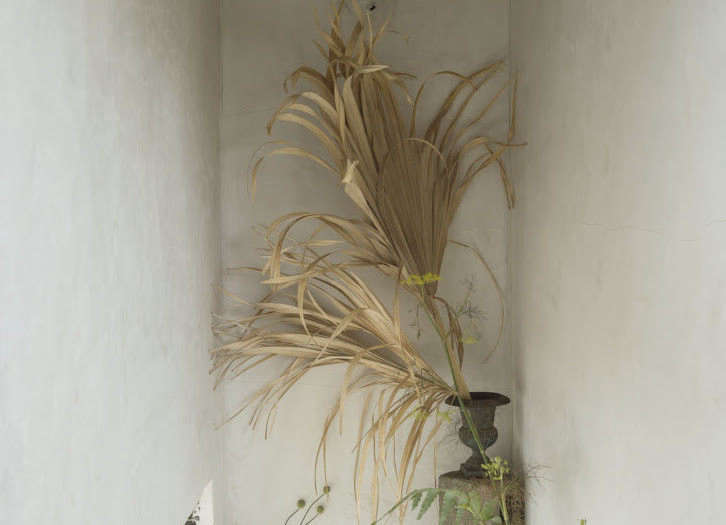
The strongest autumn decor trends are less about buying a truckload of themed products and more about using natural elements with intention. Think branches, mums, berries, gourds, herbs, magnolia leaves, pinecones, dried grasses, and seasonal produce arranged like they belong there. Fall looks best when it feels collected, not merchandised.
This is also why people are moving away from oversaturated décor and obvious signage. A room that whispers “harvest” through texture and material is far more compelling than one that screams it from a decorative pillow in cursive.
The Home Shift: How Autumn Changes the Way We Live Indoors
Once the weather cools, home stops being a pit stop and becomes a destination again. That shift affects everything from lighting to layout to what ends up on the dining table. Autumn asks homes to feel warmer, softer, and a little more layered.
Lighting becomes emotional infrastructure
In summer, natural light does the heavy lifting. In fall, your lamps suddenly become key staff. Ambient lighting matters more because darker evenings change how rooms feel. Lanterns, candles, cordless lamps, and warm pools of light can make a room feel intimate rather than dim. The goal is not brightness; it is atmosphere.
Tablescapes get looser and more organic
Autumn entertaining is moving toward centerpieces that look gathered from a good farmers market rather than ordered from a catalog. Tiny pumpkins mix with herbs, radishes, kale, succulents, fruit, and candles. The effect is abundant, but relaxed. It feels like hospitality instead of performance.
Vintage and heirloom details matter more
Fall is an ideal season for old things with character: brass candlesticks, worn wood trays, plaid throws, ceramic crocks, floral tapestry accents, scalloped details, and patterned table linens. These pieces work because autumn is all about age, patina, and a little imperfection. A room should feel like it has stories, not just shipping updates.
What We Crave in the Kitchen
The food side of autumn is one of the clearest examples of seasonal living. Once temperatures drop, people crave meals with more body, deeper flavor, and ingredients that can handle roasting, simmering, and baking. Summer food says “assembly.” Fall food says “development.”
The produce doing the most
Apples, pears, sweet potatoes, squash, cauliflower, mushrooms, beets, kale, collards, Brussels sprouts, and cabbage define the season because they offer sweetness, earthiness, and structure. They hold up in soups, sheet-pan dinners, grain bowls, salads, casseroles, and desserts. Fall ingredients are team players. They roast well, reheat well, and generally behave like adults.
Flavor gets warmer, not louder
What makes cozy fall recipes so appealing is not just richness. It is balance. Apple and squash pair sweet with savory. Sage butter makes pasta feel elegant. Cinnamon, nutmeg, maple, and ginger add warmth without requiring a full dessert monologue. Even salads get sturdier in autumn, with grains, bitter greens, nuts, seeds, roasted vegetables, and bold vinaigrettes stepping in where delicate summer lettuce exits politely.
The return of soup season, obviously
Soup is not just food in fall. It is a coping mechanism with a ladle. Mushroom, squash, beef noodle, lentil, chili-adjacent hybrids, creamy vegetable blends, and broth-based bowls all make sense because autumn is the bridge between fresh produce and comfort food. It is the season where both can exist in one pot.
Fashion in Fall: The Great Layering Renaissance
Every year, fall fashion comes back like the valedictorian of seasonal dressing. It deserves the hype. Layering is more visually interesting than summer minimalism and less bulky than deep winter survival gear. That sweet spot is why fall fashion trends stay so beloved.
The current mood favors clothes and accessories with texture, polish, and utility. Think suede loafers, riding boots, roomy totes, statement belts, brown sneakers, structured outerwear, and gold or brooch-style accents. The most successful outfits combine softness and structure: a crisp trench over a knit, a suede shoe under relaxed denim, or a dark bag against cream tailoring.
The real obsession, though, is not any single item. It is the feeling that a fall outfit looks thoughtful without looking overworked. Autumn style is persuasive because it suggests you have plans, but not annoying plans. Maybe cider. Maybe a bookstore. Maybe an outdoor lunch where someone says “the light is beautiful” and they are right.
Autumn as Ritual, Not Consumption
Here is where the season gets interesting. The best version of fall is not just aesthetic. It is behavioral. People are not only buying autumn things; they are building autumn routines. That matters because routines are what turn a theme into a lifestyle.
Maybe your ritual is swapping bright summer flowers for branches and mums. Maybe it is walking after dinner before the air gets too sharp. Maybe it is roasting vegetables on Sunday, reading in low light, setting out an extra throw, or finally committing to a bedtime that is not inspired by chaos. Autumn supports all of it.
And yes, there is even a subtle wellness logic here. Seasonal light changes can affect sleep and mood, which is one reason the shift into fall makes people more aware of rest, rhythm, and comfort. A better lamp, a calmer evening routine, a warmer room, and a more consistent schedule are not glamorous obsessions, but they are the kinds of upgrades that make the season feel good instead of merely photogenic.
Autumn, Deconstructed: What We Are Really Obsessed With
So what is autumn made of when you take it apart? Not just pumpkins. Not just boots. Not just cinnamon pretending to be a personality trait. Autumn is a layered equation.
It is color that deepens but does not overwhelm. It is texture that adds warmth before the heat even comes on. It is food that tastes like comfort with a backbone. It is home styling that feels gathered, natural, and softly lit. It is fashion that thrives on contrast and layering. It is ritual that brings order to darker evenings. And maybe most of all, it is memory: the annual pleasure of doing familiar things in a slightly more beautiful way.
That is why the season keeps winning. Fall is not popular because it is trendy. It is popular because it is editable. Everyone can build their own version of it. One person’s autumn is a velvet pillow and a pot of beans. Another’s is suede loafers and a bookstore receipt. Another’s is a porch planter full of kale and pumpkins and a freezer full of soup. All of it counts.
Current obsessions: Autumn, Deconstructed is really the story of how a season becomes a system. It enters through the senses, settles into the home, changes the closet, rewrites the menu, and quietly improves the rhythm of everyday life. That is not hype. That is design.
Experiences: What “Autumn, Deconstructed” Feels Like in Real Life
The experience of autumn rarely arrives all at once. It starts with a small correction in the air. One morning, the walk outside feels less like weather and more like a note. The heat loosens its grip. The breeze has edges. You notice that the coffee tastes more like coffee, the sidewalk looks a little cleaner, and somehow your oldest sweater has gone from “forgotten” to “beloved archive piece” overnight.
Then the season begins to assemble itself in layers. The grocery store looks different first. Apples appear in unreasonable abundance, squash starts stacking itself like it owns the place, and herbs suddenly feel less decorative and more essential. Dinner shifts quietly. You stop craving cold, scattered meals and start wanting food with structure: roasted vegetables, grain bowls, soups, pasta with browned butter, maybe a loaf cake that makes the kitchen smell like effort and comfort at the same time.
At home, autumn is often experienced as editing rather than redecorating. You fold away the brightest summer pieces almost without thinking. A throw blanket lands on the arm of the couch. A lamp gets moved closer to the chair where you actually sit. Candles come back into rotation, not because you need a signature scent named after a woodland bakery, but because soft light changes the room in a way overhead bulbs never can. The house starts feeling less like a container and more like a collaborator.
Closets go through their own seasonal identity crisis, and autumn handles it beautifully. You reach for texture before you reach for trend. Suede shoes feel right. Denim looks better. A trench coat suddenly makes every errand seem slightly more important. Even getting dressed becomes more satisfying because the season allows for combinations. Summer asks for efficiency. Fall allows composition.
There is also something deeply social about autumn, even when the plans are small. The season makes ordinary gatherings feel intentional. A bowl of pears on the table, a pot of soup on the stove, a plate of something baked with cinnamon, and suddenly people linger longer. Conversation slows down. Nobody is in a rush to get back outside and outrun the heat. Fall makes staying in feel like an event.
Emotionally, the season can feel like a reset without the pressure of a full reinvention. That may be its most appealing quality. Autumn does not demand a brand-new version of you. It simply invites refinement. Better routines. Better lighting. Better meals. Better layers. Better attention to the hours that used to slip by unnoticed. In that way, the season feels less like a performance and more like a returnto favorite textures, familiar recipes, old memories, and the small rituals that make a life feel shaped instead of scattered.
That is the lived experience of autumn, deconstructed. It is not one big aesthetic event. It is a hundred subtle upgrades that add up to a mood: the first cool walk, the first soup, the first evening when a lamp and a blanket feel necessary, the first outfit that makes you stand a little taller, the first meal that tastes like the season has officially begun. Autumn wins because it changes daily life at the level of feeling. And once that starts, obsession is almost inevitable.
Conclusion
Autumn keeps its grip on us because it is both beautiful and useful. It refreshes wardrobes, deepens interiors, improves menus, and invites rituals that make everyday life feel steadier and more intentional. When you deconstruct the season, the appeal becomes obvious: fall is less about buying into a trend and more about curating an atmosphere. It is the art of layering colors, textures, flavors, routines, and memories until life feels warmer, richer, and just a little more cinematic.
If summer is about motion, autumn is about meaning. And that is exactly why we keep coming back for more.