Honey water sounds almost too simple to deserve a recipe. After all, it is basically honey plus water, right? Technically, yes. But if you have ever stirred a spoonful of honey into cold water and watched it sink like a golden submarine, you already know there is a right way and a “why is my spoon sticky forever?” way.
This guide explains how to make honey water in 11 easy steps, including the best water temperature, honey-to-water ratio, flavor add-ins, storage tips, and smart safety notes. Honey water can be a cozy morning drink, a soothing evening sip, or a quick alternative to heavily sweetened beverages. It is not magic in a mug, but when made well, it tastes like comfort decided to put on a cardigan.
Before we begin, one important reminder: honey is still a form of added sugar, so moderation matters. Also, honey should never be given to babies under 12 months old because of the risk of infant botulism. For older children and adults, honey water can be a pleasant drink when enjoyed sensibly as part of a balanced diet.
What Is Honey Water?
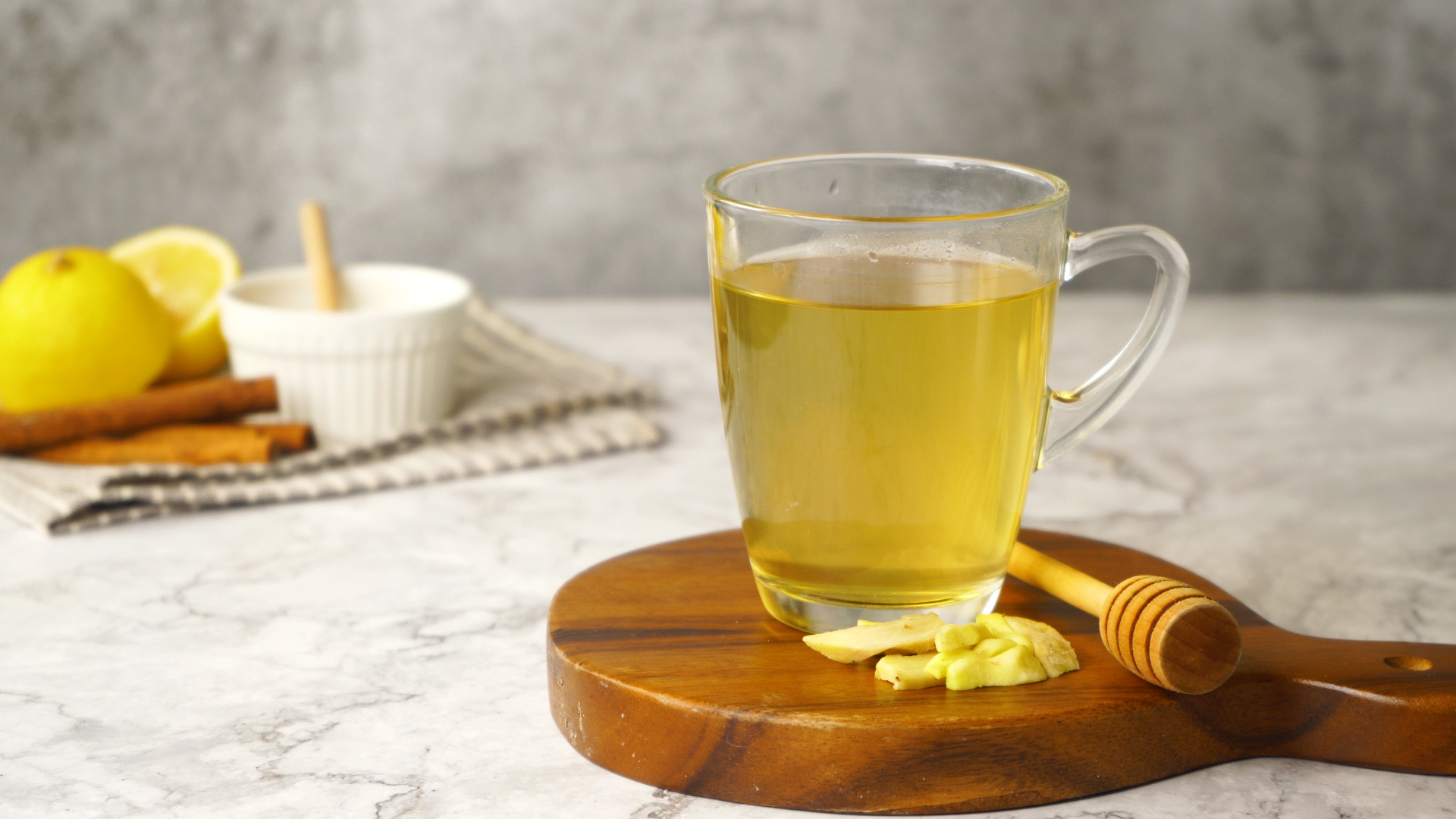
Honey water is a simple drink made by dissolving honey in warm or room-temperature water. Some people drink it plain, while others add lemon, ginger, cinnamon, apple cider vinegar, mint, or a tiny pinch of salt. The goal is usually to create a lightly sweet, hydrating beverage that feels gentler than soda, juice, or syrupy coffee drinks.
Honey itself is mostly carbohydrate, mainly natural sugars such as fructose and glucose. A tablespoon of honey contains about 64 calories and around 17 grams of carbohydrates, which is why a little goes a long way. The good news is that honey has a strong flavor, so you usually do not need much to make water taste pleasantly sweet.
Benefits of Drinking Honey Water
It Can Help You Drink More Water
If plain water makes you feel like you are being punished by a very boring cloud, honey water can make hydration more appealing. A teaspoon of honey in a cup of warm water adds flavor without turning the drink into a dessert. For people who struggle to drink enough fluids, a lightly sweetened warm drink can be a helpful habit.
It May Soothe a Scratchy Throat
Honey has long been used as a home remedy for throat irritation and coughs. Health organizations and medical sources often note that honey may help calm cough symptoms in children over age 1 and may soothe irritation in the throat. Warm honey water is not a cure for illness, but it can feel comforting when your throat sounds like it has been hosting a gravel convention.
It Offers a Gentler Sweet Drink Option
Compared with soda or commercial sweet tea, homemade honey water gives you control. You decide whether to use one teaspoon, two teaspoons, or just a delicate drizzle. This makes it easier to manage added sugar while still enjoying a flavored drink.
It Pairs Well With Healthy Add-Ins
Lemon adds brightness, ginger adds warmth, mint adds freshness, and cinnamon adds cozy flavor. These ingredients can make honey water feel like a small wellness ritual without turning it into a complicated kitchen project.
Ingredients You Need
- 1 cup water: Warm water works best for dissolving honey.
- 1 to 2 teaspoons honey: Use raw, local, wildflower, clover, or any honey you enjoy.
- Optional lemon juice: Add 1 to 2 teaspoons for brightness.
- Optional ginger: Use a thin slice of fresh ginger or a small pinch of ground ginger.
- Optional cinnamon: Add a tiny pinch for a warm, spiced flavor.
- Optional mint: Add a few fresh leaves for a refreshing version.
How to Make Honey Water: 11 Steps
Step 1: Choose Good-Quality Honey
Start with honey that tastes good on its own. If the honey smells floral, warm, or slightly fruity, it will probably make excellent honey water. Clover honey is mild and familiar. Wildflower honey can be more complex. Orange blossom honey is bright and fragrant. Buckwheat honey is darker, stronger, and not shy about making an entrance.
Raw honey may have more natural aroma and character, while regular filtered honey often has a smoother texture and clearer appearance. Either can work. The best honey for honey water is the one you actually like.
Step 2: Use Warm, Not Boiling, Water
Warm water helps honey dissolve quickly. Boiling water is not necessary and can flatten some of honey’s delicate flavor. Aim for water that feels comfortably hot, similar to tea you could sip without burning your mouth. If you are making honey water for a child over age 1, let it cool to a safe drinking temperature before serving.
Step 3: Measure One Cup of Water
Use about 8 ounces of water for a standard serving. This gives you enough liquid for a satisfying drink without diluting the honey too much. If you want a stronger flavor, use less water. If you prefer a lighter drink, add more water after the honey dissolves.
Step 4: Add 1 to 2 Teaspoons of Honey
For everyday honey water, start with 1 teaspoon of honey per cup of water. This creates a lightly sweet drink. If you want something richer, use 2 teaspoons. Some recipes suggest a full tablespoon, but that can become quite sweet and adds more sugar than many people realize.
A good rule: start small. You can always add more honey, but removing it requires either more water or a tiny kitchen miracle.
Step 5: Stir Until Fully Dissolved
Stir for 15 to 30 seconds, making sure the honey disappears into the water instead of clinging to the spoon. If honey collects at the bottom of the cup, the water may be too cool. Add a splash of warmer water and stir again.
Step 6: Add Lemon for a Bright Flavor
Lemon honey water is one of the most popular variations. Add 1 to 2 teaspoons of fresh lemon juice for a clean, bright taste. Lemon balances the sweetness of honey and makes the drink feel refreshing. It is especially nice in the morning or after a heavy meal.
If you want a stronger lemon flavor, add a thin slice of lemon directly to the cup. Just remember that lemon is acidic, so rinsing your mouth with plain water afterward can be kind to your teeth if you drink lemon water often.
Step 7: Add Ginger for Warmth
Fresh ginger gives honey water a spicy, warming kick. Add one thin slice of ginger to the cup and let it steep for 3 to 5 minutes. For a faster version, use a tiny pinch of ground ginger. Do not overdo it unless you want your cozy drink to start acting like a tiny dragon.
Step 8: Try Cinnamon or Mint
Cinnamon makes honey water taste cozy, especially in cooler weather. Add a small pinch and stir well. Mint creates a fresher version that works beautifully over ice. You can also combine mint and lemon for a light summer drink.
Step 9: Taste and Adjust
Now taste your honey water. Too sweet? Add more water. Too plain? Add a little more honey, lemon, or spice. Too strong? Dilute it. The best honey water recipe is flexible. Think of it less like chemistry homework and more like tuning a radio until the station comes in clearly.
Step 10: Serve Warm or Iced
Warm honey water is soothing and relaxing. Iced honey water is refreshing, especially with lemon or mint. To make iced honey water, dissolve the honey in a small amount of warm water first, then add cold water and ice. This prevents the honey from hardening at the bottom of the glass.
Step 11: Drink Fresh
Honey water tastes best when freshly made. If you prepare it ahead, store it covered in the refrigerator and drink it within 24 hours for the best flavor. Stir before drinking because natural ingredients like cinnamon or lemon pulp may settle.
Best Honey-to-Water Ratio
The ideal honey-to-water ratio depends on your taste and goals. For a lightly sweet drink, use 1 teaspoon honey per 8 ounces of water. For a richer drink, use 2 teaspoons. For a very sweet version, use 1 tablespoon, but treat it more like a sweet beverage than plain hydration.
Here is a simple guide:
- Light: 1 teaspoon honey + 1 cup water
- Medium: 2 teaspoons honey + 1 cup water
- Sweet: 1 tablespoon honey + 1 cup water
- Iced version: Dissolve honey in 2 tablespoons warm water, then add cold water and ice
Popular Honey Water Variations
Lemon Honey Water
Combine warm water, honey, and fresh lemon juice. This version tastes bright and clean. It is great in the morning or whenever you want something lighter than tea.
Ginger Honey Water
Add fresh ginger to warm honey water and steep for several minutes. This version is warming and aromatic, especially during chilly weather.
Cinnamon Honey Water
Add a tiny pinch of cinnamon to warm honey water. Stir well, because cinnamon does not dissolve as easily as honey. This variation feels cozy and dessert-like without needing much sweetener.
Mint Honey Water
Muddle a few mint leaves in a glass, add dissolved honey water, and serve over ice. This version is refreshing and ideal for warm afternoons.
Apple Cider Vinegar Honey Water
Add 1 teaspoon of apple cider vinegar to honey water for a tangy drink. Keep the amount small, because vinegar is acidic and intense. Also, it is not a miracle detox drink, no matter what your most enthusiastic social media friend says.
Common Mistakes to Avoid
Using Water That Is Too Cold
Honey does not dissolve well in cold water. If you want iced honey water, always dissolve the honey in warm water first.
Adding Too Much Honey
Honey is natural, but it is still sugar. Too much can turn a healthy-ish drink into liquid candy wearing a wellness hat. Start with 1 teaspoon and adjust only if needed.
Believing Every Health Claim
Honey water can be soothing and enjoyable, but it does not detox your organs, melt fat overnight, or replace medical treatment. Your liver and kidneys already handle detoxification. Honey water is a drink, not a wizard.
Giving Honey to Babies
Never give honey or honey water to infants under 12 months old. This includes honey mixed into drinks, baked goods, or homemade remedies. For babies, even a small amount can be unsafe.
When Is the Best Time to Drink Honey Water?
You can drink honey water at almost any time of day. In the morning, it can be a gentle alternative to sweet coffee drinks. In the afternoon, an iced version can help satisfy a craving for something flavorful. In the evening, warm honey water may feel soothing before bed, especially when paired with lemon or ginger.
If you are watching your sugar intake, drink honey water with or after a meal rather than sipping sweet drinks all day. This can be better for blood sugar balance and dental health. People with diabetes or medical conditions that require carbohydrate monitoring should ask a healthcare professional how honey fits into their eating plan.
How to Store Honey Properly
Honey should be stored in a tightly sealed container at room temperature. Keep it away from excess moisture, because honey can absorb water from the air. If honey crystallizes, it is usually still safe to use. Place the closed jar in warm water and stir until the crystals loosen. Avoid overheating it, and do not panic. Crystallized honey is not ruined; it is just honey being dramatic.
Frequently Asked Questions About Honey Water
Can I Make Honey Water With Cold Water?
Yes, but dissolve the honey in a small amount of warm water first. Then add cold water and ice. This creates a smooth drink without sticky honey sitting at the bottom.
Is Honey Water Good for Weight Loss?
Honey water is not a weight-loss shortcut. However, if it replaces higher-calorie drinks like soda, sweet tea, or flavored coffee, it may help reduce overall sugar and calorie intake. The key is portion control.
Can I Drink Honey Water Every Day?
Many adults can enjoy honey water regularly in small amounts. The important part is keeping added sugar in check. One teaspoon of honey in warm water is very different from several tablespoons throughout the day.
Is Raw Honey Better Than Regular Honey?
Raw honey may have a stronger flavor and may retain more natural compounds because it is less processed. Regular honey is often filtered for a clearer appearance and smoother texture. For honey water, flavor matters most. Choose honey you enjoy and buy from a trustworthy source.
Can Honey Water Replace Tea or Coffee?
It can, especially if you want a caffeine-free drink. Honey water will not provide the same bold flavor as coffee or tea, but it can satisfy the desire for a warm, comforting beverage.
Extra Experience Section: Real-Life Tips for Making Better Honey Water
After making honey water many different ways, one lesson becomes obvious: temperature matters more than people think. The first time many beginners try to make honey water, they add honey to cold water and stir with heroic confidence. Then the honey sinks, the spoon becomes sticky, and the drink tastes like plain water with a secret honey blob hiding at the bottom. The fix is simple: use warm water first, even if the final drink will be iced.
A practical method is to create a quick honey concentrate. Add your honey to two or three tablespoons of warm water, stir until smooth, then add the rest of your cold water. This works especially well for iced lemon honey water. It also helps when making multiple servings in a pitcher. Instead of fighting with honey in cold water, you make a smooth base first and then dilute it.
Another useful experience is that different honeys change the whole personality of the drink. Mild clover honey creates a simple, friendly honey water that tastes familiar. Wildflower honey can be more floral and interesting. Orange blossom honey tastes sunny and slightly citrusy, even before lemon joins the party. Darker honey, such as buckwheat honey, has a stronger flavor that some people love and others politely describe as “memorable.” If your honey water tastes too intense, the honey may simply be too bold for your preference.
Lemon is the easiest upgrade, but it should be balanced. Too much lemon can overpower the honey and make the drink sharp. Start with one teaspoon of lemon juice per cup, then add more if needed. For a smoother taste, add a small slice of lemon instead of squeezing in a lot of juice. This gives aroma without turning the drink into lemonade’s intense cousin.
Fresh ginger is another excellent addition, especially when the weather is cold or your throat feels irritated. A thin slice is enough. Let it steep for a few minutes, then remove it if the flavor gets too strong. Ground ginger works in a pinch, but it can settle at the bottom and create a slightly gritty texture. Fresh ginger usually gives a cleaner result.
For evenings, cinnamon honey water can feel especially comforting. The trick is to use a tiny pinch, not a spoonful. Cinnamon does not dissolve completely, so too much can make the drink dusty. A cinnamon stick is a better option if you want flavor without powder floating around like tiny brown confetti.
For summer, mint honey water is underrated. Dissolve the honey in warm water, add cold water and ice, then clap a few mint leaves between your hands before adding them to the glass. That little clap releases the mint aroma. It also makes you look like you know secret chef things, which is always a bonus.
One final tip: do not turn honey water into a health contest. You do not need ten ingredients, a sunrise ritual, imported pink salt, and a motivational playlist. A good cup of honey water can be as simple as warm water, a teaspoon of honey, and a quiet moment. The best recipe is the one you will actually make again.
Conclusion
Learning how to make honey water is easy, but making it well depends on small details: warm water, the right honey-to-water ratio, careful stirring, and balanced flavor add-ins. Start with 1 teaspoon of honey per cup of warm water, then adjust based on your taste. Add lemon for brightness, ginger for warmth, cinnamon for coziness, or mint for refreshment.
Honey water is not a miracle cure, but it can be a delicious, soothing, and flexible drink. Keep portions moderate, avoid giving honey to babies under 12 months old, and enjoy it as part of a balanced lifestyle. In other words, let honey water be what it is: simple, golden, comforting, and much easier than pretending to enjoy plain hot water.