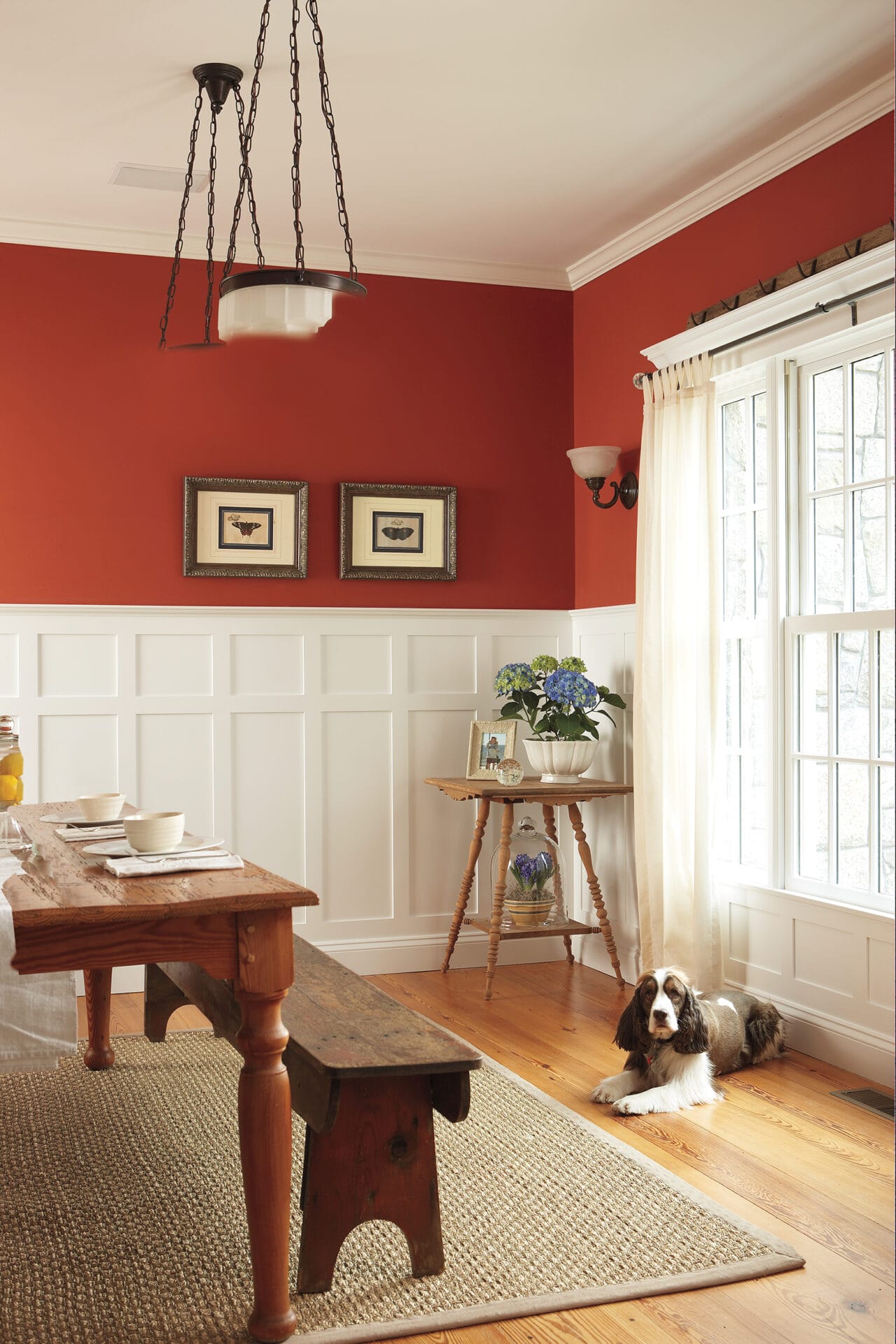
Wainscoting is one of those home details that quietly walks into a room wearing a tailored jacket and says, “Yes, I have taste.” It is not just decorative wall paneling. It is texture, protection, proportion, history, and personality packed into the lower portion of a wall. Whether you have a formal dining room begging for elegance, a hallway tired of scuff marks, or a bathroom that needs charm without looking like it tried too hard, wainscoting can be the upgrade that makes the whole space feel intentional.
The beauty of wainscoting is that it works in old homes, new homes, small apartments, suburban houses, cottages, modern interiors, and even awkward powder rooms that have been ignored since the invention of beige paint. Done well, it adds architectural character and helps a room feel finished. Done poorly, it can look like someone glued rectangles to a wall during a long weekend and hoped for applause. The difference comes down to style, scale, material, placement, and finishing.
This guide covers what wainscoting is, the most popular wainscoting styles, where to use it, how high it should be, what materials to choose, how installation works, what it may cost, and how to avoid the most common mistakes. Consider this your friendly, practical, no-drama guide to wall paneling that actually earns its compliments.
What Is Wainscoting?
Wainscoting is a decorative and protective wall treatment, usually installed on the lower portion of an interior wall. Traditionally, it was made from wood panels and used to protect walls from chairs, boots, moisture, and daily household chaos. Today, it still protects walls, but its biggest job is often visual: adding dimension, rhythm, and craftsmanship to a room.
Classic wainscoting usually includes several parts: a baseboard at the bottom, vertical stiles, horizontal rails, panel sections, and a top cap or chair rail. Some versions are built from individual boards and moldings. Others use large panels, beadboard sheets, MDF kits, PVC panels, or trim applied directly to drywall to create the illusion of framed panels.
Although people often use the words “wainscoting,” “wall paneling,” “beadboard,” and “board and batten” interchangeably, they are not always the same thing. Wainscoting refers to the overall lower-wall treatment. Beadboard and board and batten are specific styles that can be used as wainscoting. Think of wainscoting as the category, and beadboard as one charming member of the family who probably owns a cottage mug.
Why Wainscoting Remains So Popular
Wainscoting has survived centuries of design trends because it solves both practical and visual problems. A plain wall can feel flat, cold, or unfinished. Add wainscoting, and suddenly the room has structure. The lower wall feels anchored, furniture looks more connected to the architecture, and paint colors or wallpaper above the paneling gain a natural frame.
It is also useful in high-traffic areas. Hallways, mudrooms, staircases, dining rooms, breakfast nooks, and kids’ spaces all collect scuffs and fingerprints. Wainscoting creates a more durable surface, especially when painted with a washable finish. In bathrooms and powder rooms, moisture-resistant materials can add personality while helping shield walls from splashes.
Another reason homeowners love wainscoting is flexibility. It can look traditional, coastal, farmhouse, modern, transitional, cottage-inspired, or dramatic depending on the profile and paint color. White beadboard feels casual and classic. Dark green raised panels feel historic and moody. A simple grid pattern painted the same color as the wall can feel sleek and architectural. It is the same basic idea wearing different outfits.
Popular Types of Wainscoting
Raised Panel Wainscoting
Raised panel wainscoting is the formal, polished version many people associate with historic homes, elegant dining rooms, libraries, and traditional foyers. Each panel has a raised center with beveled or molded edges, creating depth and shadow. This style pairs beautifully with crown molding, hardwood floors, chandeliers, and rooms where you want the walls to look like they have a trust fund.
Raised panels are usually more expensive and labor-intensive than simpler styles because they involve detailed millwork. However, the result can be stunning. If your home has classic architecture, high ceilings, or formal rooms, raised panel wainscoting can feel perfectly at home.
Flat Panel or Shaker Wainscoting
Flat panel wainscoting, sometimes called Shaker-style wainscoting, uses clean lines and recessed flat panels. It is less ornate than raised paneling, which makes it a favorite for transitional, modern farmhouse, craftsman, and contemporary interiors. It gives walls structure without shouting across the room.
This style is especially versatile because it works with many paint colors. Painted white, it feels crisp and timeless. Painted charcoal, navy, olive, or taupe, it becomes a design statement. If you want wainscoting that feels current but not trendy, flat panel is a safe and stylish choice.
Beadboard Wainscoting
Beadboard is made of narrow vertical planks or panels with small grooves, known as beads, between them. It has a relaxed, cottage-like quality and is often used in bathrooms, kitchens, mudrooms, laundry rooms, beach houses, and casual dining spaces.
Beadboard can be installed using traditional tongue-and-groove boards or large sheets that mimic the same look. Sheet beadboard is usually more budget-friendly and faster to install, which makes it popular for DIY projects. The main thing to watch is alignment. Crooked beadboard lines are like crooked eyeliner: technically small, but somehow impossible to ignore.
Board and Batten Wainscoting
Board and batten uses vertical battens placed over boards or directly on drywall to create a strong linear pattern. It can feel rustic, farmhouse, coastal, or modern depending on spacing, height, and color. Wider spacing looks clean and contemporary, while tighter spacing feels more traditional or cottage-inspired.
This style is a favorite for entryways, bedrooms, staircases, and accent walls because it adds bold geometry without requiring highly detailed trim. Many homeowners install battens directly onto smooth drywall, then paint everything one color to create the look of custom paneling.
Picture Frame Wainscoting
Picture frame wainscoting, also called applied molding or shadow box molding, uses trim pieces attached to the wall to form rectangular frames. Instead of installing full panels, the existing drywall becomes part of the design. This can be a cost-effective way to create an elegant look, especially in dining rooms, hallways, staircases, and formal living rooms.
The key to picture frame molding is proportion. The boxes should be evenly spaced, aligned, and balanced around doors, windows, outlets, and corners. It is a layout project before it is a carpentry project. Measure twice, sketch once, then measure again because walls love surprises.
Best Rooms for Wainscoting
Dining Rooms
Dining rooms are classic wainscoting territory. A chair rail and paneling naturally fit the purpose of the room, especially where chairs may bump the wall. Raised panel, flat panel, and picture frame styles all work well here. For a traditional look, paint the wainscoting white or soft cream and use wallpaper or a deeper paint color above. For a moodier look, paint both the paneling and upper wall in the same saturated color.
Bathrooms and Powder Rooms
Bathrooms love wainscoting because small rooms benefit from texture. Beadboard is especially popular in powder rooms and cottage-style bathrooms. For moisture-prone spaces, choose PVC, sealed wood, moisture-resistant MDF, or properly primed and painted materials. Avoid leaving raw edges exposed, especially near sinks, tubs, or showers.
Entryways and Hallways
Entryways and hallways take a beating from bags, shoes, hands, pets, and the mysterious wall marks no one in the family admits to making. Wainscoting adds durability and creates a welcoming first impression. Board and batten or flat panel designs are especially useful in these areas because they create structure without making narrow spaces feel too busy.
Bedrooms
In bedrooms, wainscoting can replace a headboard wall, frame the bed, or wrap the entire room for a cozy, finished effect. A taller board and batten treatment behind the bed can create a soft architectural focal point. Painted in warm neutrals, dusty blue, sage, or greige, it adds depth while keeping the room restful.
Living Rooms
Living room wainscoting can be subtle or dramatic. A low treatment around the room adds polish. Full-height paneling on one wall creates a modern accent. If your living room has built-ins, a fireplace, or large windows, wainscoting can help connect those features visually.
How High Should Wainscoting Be?
The most common guideline is to install wainscoting on the lower one-third of the wall. For an 8-foot ceiling, that usually means a height of about 32 to 36 inches, including the cap or chair rail. This proportion tends to feel balanced because it gives the wall visual weight without cutting the room awkwardly in half.
That said, the right height depends on the room. Dining rooms often look good with wainscoting around chair-rail height. Bathrooms may use beadboard at 36 to 48 inches. Mudrooms can go higher for better wall protection. Bedrooms and dramatic living spaces may use two-thirds-height or even full-wall paneling.
Avoid choosing the height randomly. Consider ceiling height, window sill height, existing trim, furniture placement, light switches, outlets, and the overall mood you want. If the top rail lands awkwardly just below a window casing or cuts through a wall plate, adjust the design. Good wainscoting should look like it belongs to the room, not like it arrived late and picked a seat.
Best Materials for Wainscoting
Solid Wood
Solid wood is traditional, durable, and beautiful. It can be stained or painted and works especially well in formal or historic interiors. However, it can be expensive and may expand or contract with humidity. It is best for rooms where moisture is controlled.
MDF
Medium-density fiberboard, or MDF, is widely used for painted wainscoting. It is smooth, affordable, and easy to cut. It does not have wood grain, which makes it ideal for crisp painted finishes. The downside is that standard MDF does not love water. In bathrooms or laundry rooms, use moisture-resistant MDF or another water-friendly material.
PVC and Vinyl
PVC and vinyl wainscoting are practical options for bathrooms, basements, laundry rooms, and other damp areas. They resist moisture and are easier to clean than many wood products. They may not have the same warmth as real wood, but with the right paint and profile, they can look polished and fresh.
Plywood and Panel Sheets
Plywood and pre-made panel sheets can make installation faster and less expensive. Beadboard sheets are especially common for DIY projects. The main challenge is hiding seams and ensuring edges are trimmed neatly. Caulk, primer, and careful paintwork make a big difference.
How Much Does Wainscoting Cost?
Wainscoting costs vary widely based on material, room size, trim complexity, labor, and whether you hire a professional or do it yourself. A simple DIY picture frame molding project may be relatively affordable because it uses trim and paint. Beadboard panels are also budget-friendly compared with custom raised panel millwork.
Professional installation typically costs more because layout, cutting, leveling, caulking, and finishing take time. Complex designs, uneven walls, premium hardwood, staircases, bathrooms, and custom details can increase the price. As a broad planning range, homeowners may spend from a few hundred dollars for a small DIY wall to several thousand dollars for a professionally installed room with detailed millwork.
If budget matters, spend money where it shows most: clean layout, good trim, smooth caulk lines, quality primer, and durable paint. Cheap materials installed carefully often look better than expensive materials installed impatiently. The wall does not care how much you spent. It cares whether your corners line up.
DIY vs. Professional Installation
DIY wainscoting is possible, especially for picture frame molding, beadboard sheets, and simple board and batten. If you are comfortable measuring, cutting trim, using a level, applying construction adhesive, nailing boards, caulking seams, and painting, you can likely handle a basic project.
Professional installation is worth considering for raised panel wainscoting, staircases, complicated rooms, old homes with uneven walls, expensive materials, or layouts that must align with multiple architectural features. A skilled carpenter can solve proportion problems before they become expensive mistakes.
For DIY projects, the most important step is planning. Draw the wall. Mark outlets. Measure around windows and doors. Decide how panels will die into corners. Use a level line instead of trusting the floor, because floors are often dramatic little liars. Dry-fit pieces before attaching them. Label cuts. Caulk cleanly. Sand between coats. These small habits separate a polished project from a “well, we learned a lot” project.
Basic Wainscoting Installation Steps
Most wainscoting projects follow a similar process, though details vary by style. First, choose the design and height. Then measure the room and create a layout. Next, locate studs, mark a level line, and prepare the wall by cleaning, patching, and sanding where needed.
After prep, install baseboards or work with existing baseboards if they are suitable. Add panels, boards, battens, or molding according to the layout. Use construction adhesive where appropriate and secure pieces with nails. Cut around outlets carefully and follow electrical safety rules. Once the trim is installed, fill nail holes, caulk seams, sand rough spots, prime, and paint.
Painting is not the final little detail. It is half the project. A beautiful layout can look sloppy if the finish is streaky or the caulk lines are messy. Use a high-quality primer, choose a durable paint finish such as satin or semi-gloss for high-traffic areas, and allow proper drying time between coats.
Wainscoting Design Ideas That Actually Work
Pair White Wainscoting With Wallpaper
This is a classic approach for powder rooms, dining rooms, nurseries, and hallways. The wainscoting grounds the room, while wallpaper above adds pattern and personality. It also keeps bold wallpaper from overwhelming the entire wall.
Paint Everything One Color
For a modern look, paint the wainscoting, trim, and upper wall the same color. This “color-drenched” approach makes the paneling feel architectural rather than decorative. Deep blue, mushroom, olive, terracotta, warm white, and charcoal can all work beautifully.
Use Tall Wainscoting for Drama
Taller wainscoting can make a room feel custom and dramatic. It works especially well in bedrooms, dining rooms, and staircases. Just make sure the proportions relate to windows, doors, and ceiling height.
Try Board and Batten in a Small Entry
A small entryway can look instantly more finished with board and batten. Add hooks above or between battens, and the wall becomes both stylish and useful. It is a great solution for homes that need a mini mudroom without building an actual mudroom.
Common Wainscoting Mistakes to Avoid
The first mistake is bad proportion. Wainscoting that is too high can make a room feel squat. Wainscoting that is too low can look accidental. Always test the height with painter’s tape before installing anything permanent.
The second mistake is ignoring existing architecture. Window trim, door casing, baseboards, outlets, vents, and stair angles all affect the design. If your panels crash awkwardly into these features, the result will feel off even if you cannot immediately explain why.
The third mistake is skipping wall prep. Wainscoting does not magically hide every flaw. Bumpy drywall, dust, peeling paint, and uneven surfaces can cause gaps, weak adhesion, and messy seams. Prep may not be glamorous, but neither is redoing a wall because the adhesive gave up emotionally.
The fourth mistake is using the wrong material in damp spaces. Standard MDF in a steamy bathroom can swell if moisture reaches unsealed edges. For wet or humid rooms, choose moisture-resistant products and seal all cuts, seams, and edges properly.
How to Maintain Wainscoting
Wainscoting is generally easy to maintain. Dust it regularly with a microfiber cloth or vacuum brush attachment. Wipe scuffs with a damp cloth and mild soap. In high-traffic spaces, touch up paint as needed. If the wainscoting has grooves, such as beadboard, pay attention to dust collecting in the channels.
In bathrooms and laundry rooms, watch for moisture issues. Keep seams sealed, maintain ventilation, and repair caulk if it cracks. Painted wainscoting holds up best when the paint finish is durable and washable. Flat paint may look elegant, but in a busy hallway it can collect marks faster than a toddler collects stickers.
Is Wainscoting Still in Style?
Yes, wainscoting is still in style because it is not a single trend. It is an architectural detail with many interpretations. What changes is the way people use it. Today’s wainscoting is often cleaner, simpler, taller, bolder in color, or paired with modern wallpaper and lighting.
The most timeless versions respect the home’s architecture. A colonial-style house can handle traditional raised panels. A modern home may look better with flat panel or vertical slat-inspired wainscoting. A cottage or bungalow can wear beadboard naturally. The goal is not to force a trend onto a wall. The goal is to make the wall look like it always had potential and finally found a good tailor.
Real-Life Experience: What Homeowners Learn After Adding Wainscoting
One of the first things people notice after installing wainscoting is how much it changes the feeling of a room before the furniture even moves back in. A plain dining room can suddenly feel like a space meant for long dinners, holiday meals, and conversations that start with “just one more cup of coffee.” A hallway that once felt like a pass-through becomes a feature. Even a tiny powder room can feel charming instead of forgotten.
In real homes, the most successful wainscoting projects usually begin with painter’s tape. Taping the proposed height and panel layout on the wall helps homeowners see the proportions before cutting a single board. This step often prevents regret. A height that sounded perfect in a blog post may look strange under your particular window trim. A panel width that seemed balanced on paper may collide with an outlet in the most annoying possible way. Painter’s tape is cheap therapy for design decisions.
Another common lesson is that corners matter more than expected. Inside corners, outside corners, stair transitions, and door casing returns can turn a simple project into a puzzle. Homeowners who slow down at these points usually get better results. Those who rush often end up using extra caulk and the phrase “good enough” with suspicious confidence.
Paint choice also becomes surprisingly important. Many homeowners choose white by default, and white can be beautiful, but it is not the only option. Soft beige, warm gray, sage green, deep navy, muted black, clay, and creamy taupe can make wainscoting feel custom. In small rooms, painting the paneling and upper wall the same color can make the space feel larger and more cohesive. In dining rooms, contrast between the lower and upper wall can create a classic, layered effect.
Families with kids or pets often appreciate wainscoting for practical reasons. A washable painted surface on the lower wall can handle bumps, fingerprints, and the occasional backpack attack better than plain drywall. In mudrooms and entries, board and batten can be paired with hooks, benches, and baskets, turning decoration into organization. That is the rare design move that looks good and helps prevent the daily shoe explosion near the door.
Bathrooms teach another lesson: materials matter. Beadboard in a bathroom can look adorable, but only if it is properly sealed and suitable for moisture. Homeowners who use PVC or moisture-resistant materials tend to sleep better, especially in bathrooms with limited ventilation. The prettiest wall treatment in the world is not worth it if it swells, warps, or starts looking like it regrets living near a sink.
Many DIYers also discover that caulking is both an art and a personality test. Clean caulk lines make wainscoting look built-in. Messy caulk lines make it look homemade in the less flattering sense. The trick is to use paintable caulk, cut a small tip, smooth the bead carefully, and avoid applying too much. Caulk should whisper, not announce itself with jazz hands.
Finally, homeowners often realize that wainscoting works best when it supports the room rather than steals the show. It should add structure, not visual clutter. Simple paneling in the right proportions can look more expensive than complicated trim squeezed into a small space. When in doubt, cleaner lines usually age better.
The biggest experience-based takeaway is this: wainscoting rewards patience. Good measuring, thoughtful layout, careful cuts, smooth prep, and quality paint make the difference. You do not need a mansion, a historic home, or a professional design degree. You need a plan, a level, a realistic budget, and the humility to admit that walls are rarely as straight as they look.
Conclusion
Wainscoting is more than decorative trim. It is a practical, stylish, and highly adaptable wall treatment that can make a room feel finished, protected, and full of character. From formal raised panels to casual beadboard, clean Shaker-style panels, board and batten, and picture frame molding, there is a wainscoting style for almost every home.
The secret is choosing the right design for your architecture, using the right material for the room, planning the height carefully, and finishing the installation with patience. Whether you hire a carpenter or take the DIY route, wainscoting can transform plain walls into architectural features that feel timeless instead of trendy.
If your room feels flat, unfinished, or slightly bored with itself, wainscoting may be the upgrade that gives it structure, charm, and a little well-deserved confidence.