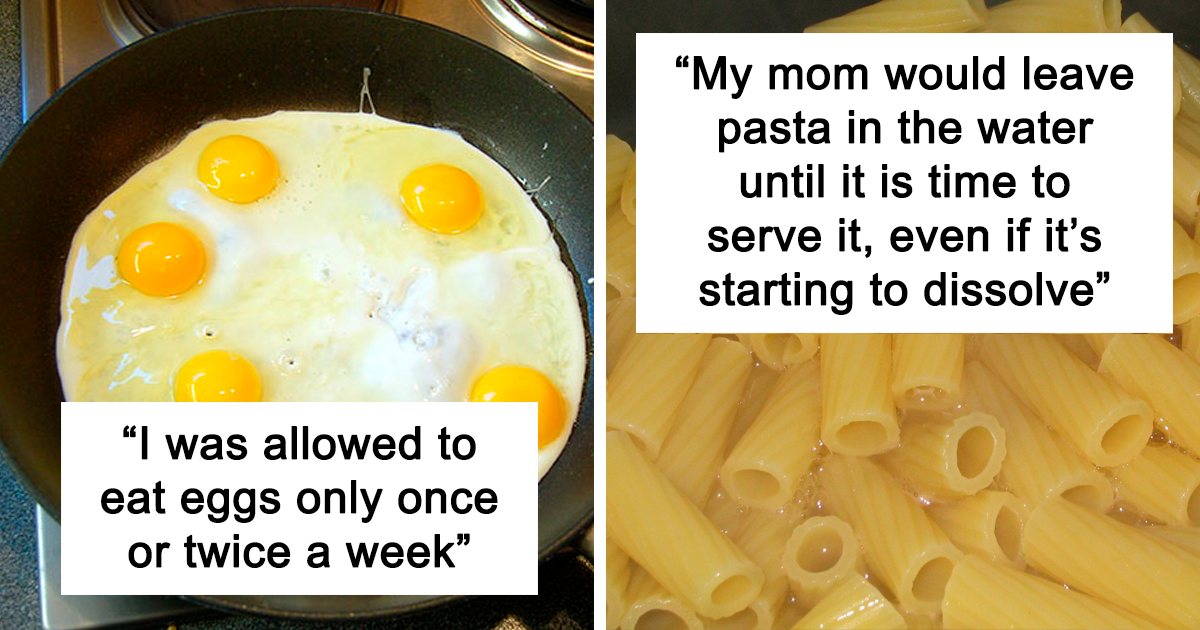
Family recipes are priceless. Family cooking myths, however, sometimes belong in the same drawer as the mystery batteries, expired coupons, and that one soy sauce packet from 2014.
Across kitchens everywhere, people grow up absorbing cooking advice from parents, grandparents, aunties, uncles, and whoever was loudest near the stove. Some of it is brilliant: season in layers, clean as you go, never underestimate garlic. Some of it is charming but suspicious: “The cake will fall if you make noise,” “Oil in pasta water prevents sticking,” or “Chicken is clean only after it has had a dramatic spa rinse in the sink.”
An online thread about the worst cooking beliefs people inherited from their parents struck a nerve because almost everyone has one. These old-school kitchen rules often came from good intentions, limited information, food-safety habits from another era, or the ancient parental desire to keep children quiet while dinner was being made. But modern food science, better testing, and more adventurous home cooks have exposed many of these beliefs as outdated, unnecessary, or just plain funny.
Below are 30 of the worst cooking beliefs people have been taught by their parents, along with what actually works better. Consider this a loving roast of bad kitchen advice, not of the people who gave it. After all, many of us survived on their casseroles, roasts, pancakes, and emergency spaghetti. We simply know better now.
Why Bad Cooking Beliefs Stick Around
Bad cooking advice survives because it usually sounds confident. A parent says, “Never salt beans before they cook,” and suddenly it becomes family law. Nobody asks for peer-reviewed evidence because dinner is at 6:30 and everyone is hungry.
Cooking myths also survive because results can be inconsistent. If a cake collapses once while someone is laughing in the kitchen, silence becomes a baking strategy. If pasta stuck together one time when nobody stirred it, oil becomes the family hero. If steak tasted good after being seared, “searing locks in juices” becomes a permanent belief, even though searing mainly builds flavor and color.
The good news is that cooking is wonderfully forgiving. You do not need to throw away every family habit. You only need to separate sentimental tradition from practical technique.
30 Bad Cooking Beliefs People Learned at Home
1. “Wash raw chicken before cooking it.”
This is one of the most common inherited kitchen habits, and it feels logical at first. We wash produce, hands, and dishes, so why not chicken? The problem is that rinsing raw poultry can splash bacteria around the sink, countertops, utensils, and nearby food. Cooking poultry to the proper internal temperature is what makes it safe. The sink shower does not help; it only gives germs a water park.
2. “If meat is brown, it is cooked enough.”
Color is not a reliable safety test. A burger can look brown and still be undercooked, while some safely cooked poultry can remain slightly pink near the bone. A food thermometer is the adult in the room. For poultry, casseroles, and reheated leftovers, 165°F is the key safety number. For whole cuts of beef, pork, lamb, or veal, 145°F with rest time is commonly recommended.
3. “Leftovers are fine overnight if they smell okay.”
The nose is useful, but it is not a laboratory. Perishable food should not sit at room temperature for more than two hours, or one hour when conditions are very hot. Bacteria can grow before food smells strange. The safer habit is simple: cool leftovers quickly, store them in shallow containers, and refrigerate them on time.
4. “Oil in pasta water keeps noodles from sticking.”
Oil mostly floats on top of the water. It may reduce foaming a bit, but it does not reliably prevent sticking. Worse, it can make pasta slippery so sauce clings less effectively. The better move is to use enough water, stir during the first minute or two, salt the water, and save a little starchy pasta water for the sauce.
5. “Never salt pasta water because sauce is salty enough.”
Pasta absorbs seasoning while it cooks. If the water tastes flat, the noodles may taste flat too. Sauce can help, but it cannot fully rescue bland pasta. Salting pasta water is not about making it ocean-level salty for drama; it is about seasoning the food from the inside out.
6. “Searing meat locks in the juices.”
Searing does not create a magical waterproof force field. Meat still loses moisture during cooking. What searing does beautifully is create browning, aroma, and savory flavor through the Maillard reaction. So yes, sear your steak. Just do it for flavor, not because you think you have built a meat vault.
7. “You must only flip steak once.”
The one-flip rule sounds elegant, like something a cowboy chef would whisper beside a grill. But frequent flipping can cook meat more evenly and help avoid a harsh overcooked band near the surface. The real keys are heat control, thickness, seasoning, and internal temperaturenot treating the steak like it signed a one-turn contract.
8. “You have to bring meat fully to room temperature first.”
Letting a steak sit out for a short time may take the chill off the surface, but thick meat does not quickly become room temperature inside. The difference is often smaller than people expect. Better techniques include dry-brining, patting the surface dry, using appropriate heat, and checking doneness accurately.
9. “Do not season eggs before cooking.”
Some families insist that salting eggs before cooking makes them watery or tough. In reality, timing is less dramatic than the myth suggests. Gentle heat and avoiding overcooking matter more. Scrambled eggs become rubbery mainly when cooked too hot or too long, not because a pinch of salt arrived early.
10. “All vegetables should be boiled until soft.”
Many people grew up thinking vegetables were naturally dull because they only met them after twenty minutes of boiling. Roasting, sautéing, steaming, grilling, blanching, and stir-frying can preserve texture and build flavor. Broccoli does not have to smell like a school cafeteria memory to be considered cooked.
11. “Garlic should go in first and cook forever.”
Garlic burns quickly, especially when minced. Burnt garlic tastes bitter and can bully an entire dish. In many recipes, onions or sturdier aromatics should start first, while garlic joins later for a shorter cook. Garlic is powerful, but it is not a marathon runner.
12. “High heat makes everything cook faster and better.”
High heat is useful for searing, stir-frying, and crisping, but it is not a universal solution. Pancakes burn outside while staying raw inside. Chicken dries out. Butter smokes. Sauces split. Good cooking is often heat management, not heat aggression.
13. “Microwaves destroy all nutrition.”
Microwaves have an undeserved villain reputation. Cooking method, time, and water exposure matter more than the appliance itself. In some cases, microwaving vegetables with minimal water can preserve nutrients well because cooking time is short. The microwave is not a nutrition thief; it is just misunderstood and excellent at reheating coffee you will forget again.
14. “Cast iron must never touch soap.”
Old-fashioned harsh soaps could be rough on pans, but modern mild dish soap is generally fine for cleaning seasoned cast iron. The important part is to dry the pan thoroughly and lightly oil it if needed. Treat cast iron with respect, not superstition.
15. “Mushrooms should never be washed.”
Mushrooms can absorb some water, but a quick rinse and prompt drying will not ruin them. What ruins mushrooms is crowding them in a pan and steaming them into sadness. Clean them efficiently, then cook them with enough space and heat to brown.
16. “Salt makes dried beans tough.”
This belief has haunted bean pots for generations. Salt is not the main villain; acid is more likely to slow softening. Many tested approaches show that salting soaking water can actually help beans cook up creamy and flavorful. Beans deserve seasoning too. They have suffered enough.
17. “You should rinse cooked pasta.”
Rinsing pasta washes away starch that helps sauce cling. For hot pasta dishes, skip the rinse and finish the pasta in the sauce. Rinsing has a place for some cold pasta salads or stir-fry prep, but for spaghetti night, starch is your friend.
18. “A sharp knife is more dangerous than a dull one.”
A dull knife is often more dangerous because it requires more pressure and is more likely to slip. A sharp knife gives control. Safe cutting also depends on a stable board, proper grip, and paying attention instead of chopping onions while emotionally arguing with a podcast.
19. “You cannot open the oven while baking anything.”
Constantly opening the oven is not ideal, especially for delicate cakes and soufflés. But a quick check at the right time will not doom every baked good. This belief may have been less about pastry science and more about parents wanting children to stop fogging the oven door.
20. “You must follow every recipe exactly.”
Some recipes, especially baking formulas, benefit from precision. But everyday cooking allows adjustment. Taste as you go. Add acid if a dish is flat, salt if it is dull, water if it is too thick, and patience if it is your first risotto. Recipes are maps, not ankle monitors.
21. “Baking is impossible unless you have special talent.”
Baking is science, but it is not magic reserved for people born holding a whisk. Measuring accurately, understanding temperature, and following steps carefully can take a beginner far. Talent helps, but repeat practice helps more.
22. “Chicken breast is the only healthy protein.”
Many families treated boneless skinless chicken breast as the crown jewel of responsible eating. It can be great, but it is not the only option. Fish, beans, lentils, eggs, tofu, turkey, lean pork, yogurt, and many other foods can fit into balanced meals. Variety also keeps dinner from becoming a beige committee meeting.
23. “Fat is always bad.”
Fat carries flavor, supports texture, and helps with satiety. The quality and amount matter. Olive oil, avocado, nuts, seeds, fatty fish, and modest amounts of butter or cheese can all play roles in real cooking. Removing every bit of fat often leads to dry food and a table full of people reaching for snacks later.
24. “Seasoning means only salt and black pepper.”
Salt and pepper are a great start, but flavor has a bigger toolbox. Acid from lemon or vinegar, sweetness from caramelized onions, heat from chiles, freshness from herbs, depth from spices, and umami from mushrooms, tomatoes, soy sauce, or Parmesan can transform a dish.
25. “If food sticks to the pan, the pan is bad.”
Sometimes the pan is the problem, but often the issue is technique. Food may stick if the pan is not hot enough, if the surface is too wet, if there is not enough fat, or if you try to move it before browning naturally releases it. Patience prevents panic scraping.
26. “All meat must be cooked until completely dry to be safe.”
Safety depends on internal temperature and handling, not turning every pork chop into a sandal. Overcooking became common because families feared undercooking. A thermometer allows you to cook safely without sacrificing juiciness.
27. “Never taste while cooking.”
Not tasting while cooking is like driving with your eyes closed because the destination is printed on a map. Taste safely and often. You can catch bland soup, overly acidic sauce, or underseasoned rice before it reaches the table.
28. “Fresh vegetables are always better than frozen.”
Fresh produce is wonderful, but frozen vegetables are often picked and frozen near peak ripeness. They are convenient, affordable, and useful for soups, stir-fries, casseroles, smoothies, and quick sides. Frozen peas have saved more weeknight dinners than many celebrity chefs.
29. “A recipe failed, so you are bad at cooking.”
This belief may be the worst one of all. Recipes fail for many reasons: unclear instructions, inaccurate oven temperature, old baking powder, wrong pan size, rushing, distractions, or simply bad recipe development. One failed dish is not a personality diagnosis.
30. “Good cooks never make mistakes.”
Good cooks make mistakes constantly. They burn garlic, oversalt soup, forget timers, misread labels, and occasionally produce pancakes that look like emotional support coasters. The difference is that experienced cooks know how to adjust, learn, and keep going.
What These Cooking Myths Have in Common
Most bad cooking beliefs come from three places: fear, habit, and misunderstanding. Food safety fears lead people to overcook meat. Habit keeps oil going into pasta water. Misunderstanding turns useful tips into rigid commandments.
There is also a generational factor. Many parents cooked with different tools, different ingredients, and different information. They may not have had instant access to food-safety charts, culinary testing, or thousands of technique videos. They cooked with what they knew, and much of it worked well enough to feed a family. The goal now is not to mock them. It is to upgrade the operating system.
How To Replace Bad Cooking Beliefs With Better Habits
Use a thermometer without shame
A thermometer is not a sign that you lack instinct. It is a sign that you prefer facts over guessing. Professional kitchens use tools. Home cooks should too.
Learn why techniques work
When you understand why pasta water should be salted, why garlic burns, or why crowded mushrooms steam, you become less dependent on memorized rules. Knowledge makes cooking flexible.
Taste and adjust
Many family cooking habits discourage tasting until the end. That is how bland soup becomes a surprise guest. Taste during cooking and adjust with salt, acid, sweetness, fat, or heat.
Keep the traditions that still taste good
Not every inherited habit is wrong. Maybe your parent’s dumpling fold is perfect. Maybe your grandmother’s soup technique is unbeatable. Keep the gems. Retire the myths.
Personal Kitchen Experiences: What Happens When You Unlearn Bad Cooking Advice
Unlearning old cooking beliefs can feel strangely rebellious. The first time someone skips rinsing chicken, there may be a tiny voice in the back of the mind saying, “Are we allowed to do this?” That voice often sounds exactly like a parent standing near the sink. But once you understand that proper cooking temperature is what matters, the new habit becomes normal. The kitchen gets cleaner, prep becomes faster, and dinner no longer begins with raw chicken water splashing like a low-budget disaster movie.
The pasta myth is another memorable one. Many home cooks grew up watching oil go into boiling water like a sacred offering. The pot would shimmer, everyone would nod, and the spaghetti would still sometimes clump together because nobody stirred it. After learning that stirring early is more useful, the improvement is obvious. Pasta comes out better, sauce clings more nicely, and the bottle of olive oil can save its talents for the sauce, where it actually gets applause.
Beans are a perfect example of how family advice can be both confident and wrong. The old warning against salting beans before they soften made many people afraid to season them properly. The result was often a pot of beans that tasted like homework. Once you try salting the soaking water or seasoning earlier in the process, the difference can be dramatic. The beans taste fuller, creamier, and less like something you are eating only because it is economical.
One of the biggest emotional shifts comes from accepting that mistakes are not proof of failure. Many people learned cooking in tense kitchens where burning toast felt like a public trial. But the best cooks are not people who never mess up. They are people who know what can be fixed. Too salty? Add more unsalted ingredients, starch, fat, or acid depending on the dish. Too bland? Add salt, lemon, vinegar, herbs, or something savory. Too thick? Loosen it. Too thin? Reduce it. Too dry? Sauce exists for a reason.
There is also freedom in realizing that recipes are not always perfect. A recipe may say “cook onions for three minutes,” but your stove, pan, onion size, and heat level may require eight. A recipe may call for one clove of garlic, which in some homes is legally interpreted as four. Learning to observe the food instead of blindly obeying the clock is a major step toward confidence.
The best experience, though, is sharing updated knowledge without turning dinner into a lecture. Nobody wants a food-safety seminar while reaching for mashed potatoes. The gentle approach works better: cook the better way, let people taste the result, and explain only if asked. A juicy pork chop is more persuasive than a speech. Properly browned mushrooms can change minds faster than a debate. A creamy pot of salted beans can quietly end a family myth that lasted forty years.
In the end, unlearning bad cooking beliefs is not about rejecting family. It is about honoring the part of family cooking that matters most: feeding people well. The recipes can stay. The love can stay. The unnecessary fear, bland vegetables, dry chicken, and pasta oil slicks can leave through the back door.
Conclusion
The worst cooking beliefs people learned from their parents are often funny because they are so familiar. They remind us of crowded kitchens, loud advice, overcooked vegetables, holiday chaos, and the deep human need to sound certain while holding a wooden spoon.
But better information makes better food. Washing raw chicken is unnecessary and risky. Oil in pasta water is mostly a distraction. Searing builds flavor but does not lock in juices. Salt does not automatically ruin beans. A thermometer is your friend. Mistakes are normal. And yes, you can probably open the oven once without destroying dessert and dishonoring your ancestors.
Cooking improves when curiosity replaces fear. Keep the family stories, keep the favorite dishes, and keep the love. Just do not keep every rule. Some of them have been overcooked long enough.