A turtle that refuses food can turn a calm pet owner into a full-time detective. Yesterday your turtle was paddling around like a tiny armored submarine, and today it is staring at dinner like you served it tax paperwork. Before panic takes the wheel, take a breath. Turtles can stop eating for many reasons, including cold temperatures, stress, poor lighting, seasonal changes, dirty water, diet boredom, illness, or a habitat setup that quietly needs fixing.
The key is not to force food immediately. The key is to figure out why your turtle is refusing to eat, correct the most likely causes, and offer the right foods in the right way. This guide explains how to feed a turtle that is not eating, how to check its environment, when appetite loss is normal, when it is dangerous, and when a reptile veterinarian should get involved.
Why Your Turtle May Be Refusing to Eat
A turtle’s appetite is closely tied to its environment. Unlike mammals, turtles are ectothermic, meaning their body temperature depends on the temperature around them. If the enclosure is too cold, digestion slows down, energy drops, and food becomes much less interesting. In turtle language, “I am cold” often looks like “No, thank you, I will not eat that pellet.”
Refusing food can also happen when a turtle is stressed. A new tank, a recent move, too much handling, loud surroundings, bullying from another turtle, or a sudden change in lighting can make a turtle withdraw. Some turtles need several days or even weeks to feel safe in a new setup.
Diet is another common problem. Many pet turtles become picky when they are fed the same food too often. A turtle that has been spoiled with shrimp or worms may ignore vegetables and pellets like a toddler rejecting broccoli with courtroom-level confidence. Other turtles refuse food because the pieces are too large, the food is offered on land when the species needs water to swallow, or the meal simply does not match the turtle’s natural diet.
First: Check for Emergency Warning Signs
Before trying appetite tricks, look at your turtle’s overall condition. Appetite loss with other symptoms can point to illness, and turtles often hide sickness until the problem is advanced.
Call a reptile veterinarian if you notice:
- Refusing food for more than a few days, especially in a young turtle
- Lethargy, weakness, or sleeping much more than usual
- Swollen or closed eyes
- Wheezing, bubbles from the nose, open-mouth breathing, or tilted swimming
- Soft shell, shell injuries, shell odor, or unusual spots
- Weight loss, sunken eyes, or signs of dehydration
- Diarrhea, constipation, or unusual droppings
- A female turtle digging constantly, straining, or acting restless, which may suggest egg-laying trouble
If your turtle is very small, newly purchased, injured, or already thin, do not wait long. A reptile veterinarian can check hydration, parasites, respiratory infection, vitamin deficiencies, mouth problems, shell disease, and other issues that home feeding tricks cannot fix.
Step 1: Warm the Habitat Before Offering Food
Temperature is one of the biggest appetite switches for turtles. If the water or basking area is too cool, your turtle may not eat because its body is not ready to digest. For aquatic turtles, food is usually best offered in warm water. Many common aquatic turtles eat better when the water is in the upper 70s Fahrenheit, though the exact range depends on species and age.
Use reliable thermometers instead of guessing. Your hand is not a scientific instrument, no matter how confident it feels. Check both water temperature and basking temperature. A red-eared slider, painted turtle, or similar aquatic turtle needs access to a dry basking area with heat and UVB lighting. Box turtles and other land-based species need a warm zone, a cooler zone, proper humidity, and secure hiding areas.
If the enclosure has been too cold, correct the temperature and give your turtle time to adjust. Offer food after it has had a chance to warm up. Feeding a cold turtle is usually frustrating for you and unhelpful for the turtle.
Step 2: Improve Lighting and UVB Exposure
UVB lighting is not just fancy turtle interior design. It helps many turtles produce vitamin D3, which supports calcium metabolism and shell health. Poor lighting can contribute to low activity, poor appetite, and long-term health problems. A turtle may sit under a lamp that gives visible light but not enough useful UVB, especially if the bulb is old, blocked by glass, placed too far away, or not designed for reptiles.
Use a reptile-appropriate UVB bulb and follow the manufacturer’s distance recommendations. Replace UVB bulbs on schedule, because many bulbs continue glowing after their UVB output has weakened. Also provide a normal day-night cycle. Constant light can stress turtles, while too little daytime brightness can reduce normal activity.
Step 3: Make the Water Clean and Comfortable
Aquatic turtles are messy eaters. They also use their water as a bathroom, dining room, swimming pool, and occasional food-storage disaster zone. Dirty water can reduce appetite and contribute to infections. Remove leftover food daily, use strong filtration, and test water quality when possible.
If your turtle eats in its main tank, scoop out uneaten food after 15 to 20 minutes. Some keepers use a separate feeding tub with warm, clean water to reduce tank mess. This can work well, but not every turtle likes being moved. If your turtle is already stressed, feeding in the main habitat may be better until it feels secure.
Step 4: Offer the Right Food for the Species
There is no one-size-fits-all turtle menu. A young aquatic turtle may need more animal-based protein than an adult. An adult slider may need more leafy greens and aquatic plants. Box turtles are omnivores and often eat a mix of animal foods, vegetables, greens, and some fruits. Tortoises are a different category entirely and usually need high-fiber plant-based diets, not turtle pellets designed for aquatic species.
Common foods for many aquatic turtles include:
- High-quality commercial turtle pellets
- Leafy greens such as romaine, red leaf lettuce, dandelion greens, or collard greens
- Aquatic plants such as duckweed, water lettuce, or anacharis
- Occasional protein foods such as earthworms, crickets, black soldier fly larvae, bloodworms, or feeder insects from safe sources
- Small amounts of vegetables such as squash or carrot shavings
Foods to avoid or limit:
- Raw meat from your kitchen, which can be unbalanced and messy
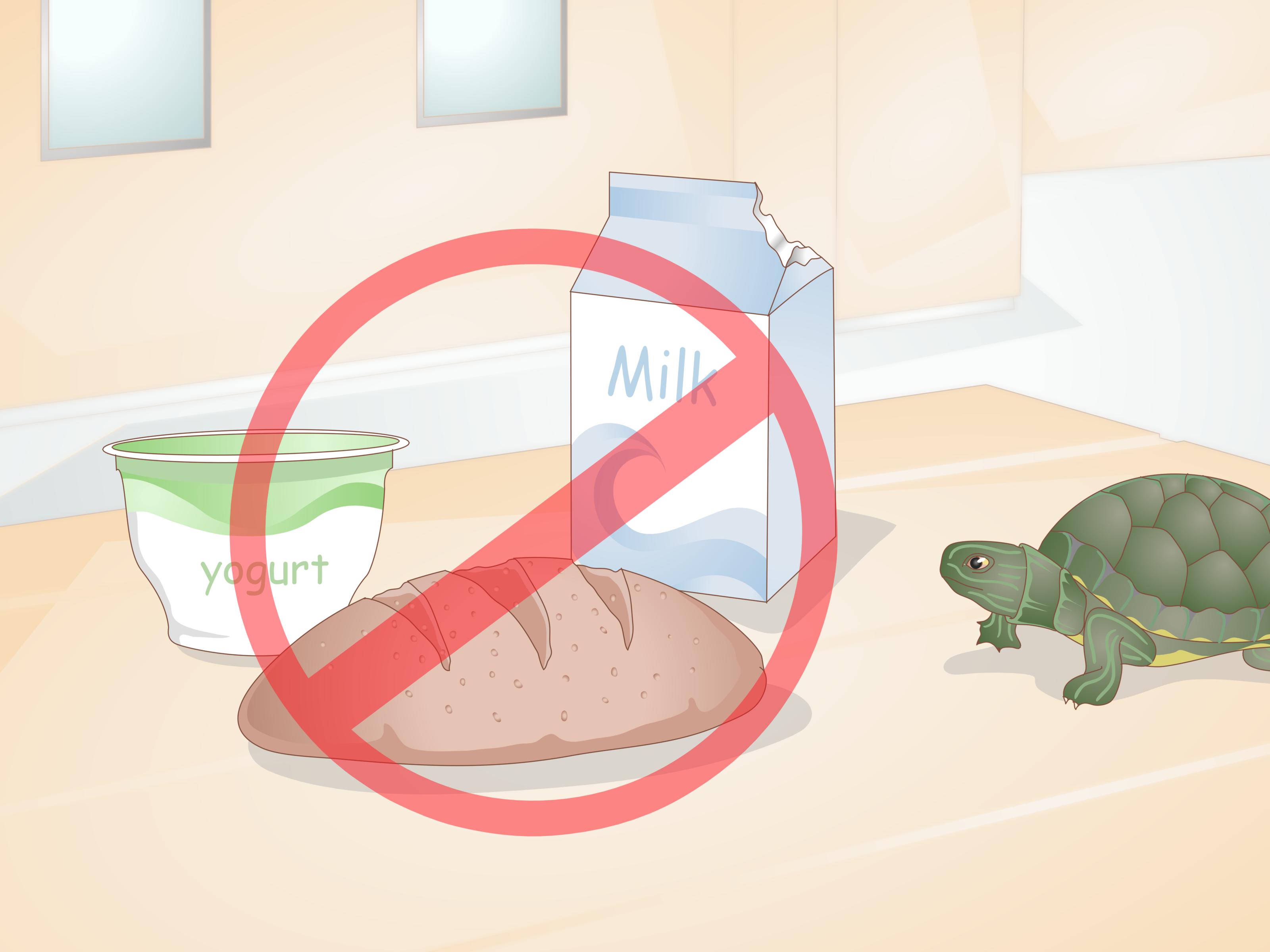
- Processed human foods, bread, chips, sweets, or dairy
- Too much dried shrimp, because turtles may become picky and ignore balanced foods
- Wild-caught insects from areas exposed to pesticides
- Large, hard food pieces that can cause choking or be ignored
When in doubt, identify your turtle’s species first and build the diet around that species. “Turtle” is a broad word. Feeding a box turtle like a red-eared slider or a tortoise like an aquatic turtle can create long-term health problems.
Step 5: Use Appetite-Stimulating Foods Carefully
If the habitat is correct and your turtle is alert but picky, try foods with stronger smell, movement, or color. Many turtles respond to movement, so live or wiggling foods can catch attention. Earthworms, black soldier fly larvae, crickets, or thawed bloodworms may tempt reluctant eaters. For aquatic turtles, placing food in the water can help because many species need water to swallow properly.
You can also soak pellets in tuna water, low-sodium fish juice, or the water from thawed bloodworms to increase scent. Use this as a temporary trick, not a permanent lifestyle. The goal is to restart eating and then transition back to a balanced diet. Think of it as adding a tiny appetizer aroma, not turning every meal into a seafood buffet.
Bright greens can also work. Try floating pieces of red leaf lettuce, romaine, or dandelion greens. Some turtles ignore greens at first but nibble later when the food drifts naturally. Young sliders may be especially stubborn about vegetables, but repeated offering helps build the habit.
Step 6: Adjust How You Offer the Food
Sometimes the food is fine, but the presentation is wrong. Aquatic turtles usually prefer food placed directly in water. Box turtles may prefer food served in a shallow dish in a quiet area. Shy turtles may not eat while being watched. Yes, your turtle may want privacy. Apparently, dinner with an audience is not always appreciated.
Try feeding at the warmest, most active part of the day. Many turtles respond best after basking or after the lights have been on for a while. Cut food into bite-size pieces. For small turtles, tiny portions are less intimidating. Remove uneaten food before it spoils.
Use feeding tongs carefully if your turtle recognizes movement. Keep your fingers away from the mouth. Turtles can miss the food and find your fingertip, which is a memorable bonding experience for all the wrong reasons.
Step 7: Reduce Stress Around Feeding Time
A stressed turtle may refuse even favorite foods. Reduce handling, keep the enclosure in a calm location, and provide hiding places. Avoid tapping on the glass, rearranging the tank constantly, or introducing new tankmates. If multiple turtles live together, watch for bullying. One turtle may block food, chase the other, or dominate the basking spot.
New turtles often need time to settle. For the first week, focus on correct heat, clean water, UVB, hiding places, and a predictable routine. Offer food gently and leave the turtle alone. A calm turtle is more likely to eat than one that feels like it has been enrolled in a daily inspection program.
Step 8: Create a Simple Feeding Schedule
Overfeeding can create picky eating, poor water quality, and obesity. Underfeeding can weaken a turtle and slow growth. The right schedule depends on age, species, and health, but many juvenile aquatic turtles eat daily, while many adults eat pellets or protein foods several times per week with greens offered more often.
A practical portion guide for many aquatic turtles is to offer roughly the amount of pellets that would fit inside the turtle’s head, not including the neck. Protein foods can be offered in small portions that the turtle can finish in a few minutes. Vegetables and leafy greens can be offered more generously, especially for adult omnivorous turtles that should be shifting toward more plant matter.
What if Your Turtle Only Eats One Food?
Food fixation is common. Some turtles become obsessed with shrimp, worms, or one brand of pellets. The solution is patience, not a dramatic kitchen showdown. Mix small amounts of the preferred food with healthier items. Soak pellets in the scent of the favorite food. Chop greens finely and mix them with something more tempting. Gradually reduce the treat food as your turtle accepts the balanced option.
Do not starve a sick, young, or underweight turtle into eating vegetables. That can be dangerous. For a healthy adult turtle that is simply picky, short periods of stubbornness may happen during diet transitions. Still, appetite loss should always be interpreted alongside behavior, weight, temperature, and overall health.
When Appetite Loss May Be Seasonal
Some turtles naturally slow down during cooler months or when daylight changes. Outdoor turtles may reduce feeding as temperatures drop. However, pet turtles kept indoors should not be allowed to become cold unintentionally. Brumation, the reptile version of winter slowdown, is species-specific and should not be casually attempted without proper preparation and veterinary guidance.
If your indoor turtle stops eating in winter, check the basics first: water temperature, basking temperature, UVB age, photoperiod, and room drafts. A tank near a window or air-conditioning vent can become much cooler than expected.
Should You Force-Feed a Turtle?
Do not force-feed a turtle unless a reptile veterinarian instructs you and shows you how. Force-feeding can injure the mouth, cause aspiration, increase stress, or make the underlying problem worse. A turtle refusing food because of respiratory infection, mouth pain, egg binding, parasites, dehydration, or improper temperatures needs diagnosis and treatment, not a wrestling match with a syringe.
If nutritional support is needed, a veterinarian may provide assisted feeding, fluids, medication, or a recovery diet. Home care should focus on correcting husbandry, offering appropriate foods, and monitoring signs closely.
How to Track Progress
Keep a simple feeding log. Write down the date, food offered, amount eaten, temperatures, behavior, and any symptoms. Weigh your turtle regularly with a kitchen scale if it can be done safely. Weight loss is more important than one skipped meal.
A log helps you notice patterns. Maybe your turtle eats only after basking. Maybe it refuses pellets but eats worms. Maybe appetite drops every time the water temperature falls. This information is also useful for your veterinarian.
Practical Feeding Plan for a Turtle That Refuses to Eat
Day 1: Check the setup
Measure water temperature, basking temperature, and humidity if relevant. Check UVB lighting, water cleanliness, filter function, and hiding areas. Do not start with exotic food tricks if the habitat is wrong.
Day 2: Offer a favorite healthy food
Try a small amount of a familiar food in warm water. For aquatic turtles, offer food after the turtle has warmed up. Remove leftovers quickly.
Day 3: Add scent and movement
Try earthworms, black soldier fly larvae, thawed bloodworms, or pellets soaked in a tempting scent. Keep portions small.
Day 4: Reduce stress
Feed in a quiet area, avoid handling, and step away after offering food. Watch from a distance.
Day 5 and beyond: Call the veterinarian if needed
If appetite does not return, or if symptoms appear at any point, contact a reptile veterinarian. Waiting too long can make treatment harder.
Real-Life Experience: What Usually Works When a Turtle Refuses Food
One of the most common real-world lessons from turtle keeping is that appetite problems are rarely solved by food alone. Many owners start by buying five new foods, three kinds of pellets, and a dramatic-looking treat container with a turtle smiling on the label. Then they discover the real problem was water that was five degrees too cool or a basking bulb that was no longer producing useful heat. The turtle was not being difficult. It was simply running on low battery.
A practical experience-based approach is to treat feeding refusal like troubleshooting a small ecosystem. Start with temperature. A turtle that is warm enough becomes more alert, basks more normally, swims with more purpose, and shows more interest in food. After temperature, check lighting. A proper day-night rhythm can make a surprising difference. Turtles are creatures of routine. When the lights switch on consistently, the water stays clean, and feeding happens at predictable times, appetite often improves.
Another useful experience is learning not to hover. Many turtles refuse food while a giant human face is parked against the glass like a wildlife documentary camera. Put the food in, step back, and give the turtle space. Some shy turtles will not eat until the room is quiet. This is especially true for newly adopted turtles, rescued turtles, and turtles that have been moved into a new enclosure.
Food texture matters too. A turtle that ignores large pellets may eat the same pellets softened in warm water. A turtle that rejects a whole leaf may nibble thin strips. A turtle that refuses vegetables may sample them when they float naturally beside a familiar pellet. Small changes often work better than big experiments.
Many keepers also learn that treats can become a trap. Dried shrimp, for example, may wake up a turtle’s appetite, but if offered too often, it can turn the turtle into a tiny food critic with a shell. The best trick is to use favorite foods as bridges. Rub pellet scent onto greens, mix a tiny amount of treat with balanced food, or offer the favorite food only after the turtle has taken a few bites of the staple diet.
Clean water is another lesson that arrives quickly, usually with smell. Turtles are not tidy diners. Feeding in a separate tub can help some aquatic turtles, but others find the move stressful and refuse food. If a separate tub does not work, feed in the main tank and remove leftovers right away. The best method is the one that keeps water clean without making the turtle feel unsafe.
Finally, experienced turtle owners learn not to confuse “picky” with “sick.” A bright, active turtle that skips one meal is different from a turtle that is weak, swollen, wheezing, losing weight, or hiding constantly. Appetite is only one clue. Behavior, posture, swimming, shell condition, eyes, breathing, and weight tell the bigger story. When those signs look wrong, the smartest feeding strategy is not another snack. It is a reptile veterinarian.
Conclusion
Feeding a turtle that refuses to eat starts with understanding why the refusal is happening. Warmth, clean water, proper UVB lighting, low stress, and a species-appropriate diet are the foundation. Appetite tricks such as scented pellets, live insects, leafy greens, and feeding in warm water can help, but they should never replace good husbandry or veterinary care.
If your turtle is alert, active, and recently stressed by a change, a few careful adjustments may bring appetite back. If your turtle is weak, losing weight, breathing oddly, swollen, or refusing food for several days, contact a reptile veterinarian. The goal is not just to get your turtle to take one bite. The goal is to help it feel healthy enough to eat normally again.
Note: This article is for general educational purposes and does not replace care from a qualified reptile veterinarian. Always wash your hands after handling turtles, turtle water, tanks, filters, or feeding tools.