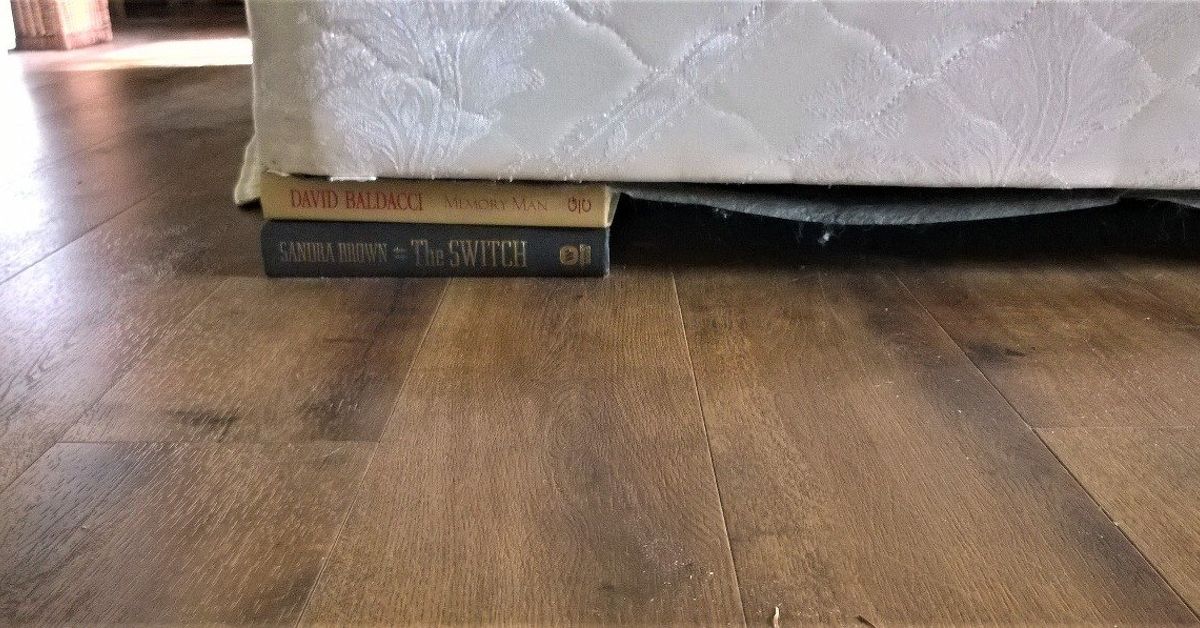
Note: This article is written for web publication and takes a practical, safety-first angle. While the title sounds like a quirky DIY hack, the safest takeaway is simple: books belong on shelves, nightstands, and in dramatically overstuffed tote bagsnot under bed legs as structural supports.
Introduction: When Your Bed Needs a Boost and Your Books Look Suspiciously Useful
At some point, nearly every small-room dweller has stared at the empty space beneath a bed and thought, “What if I could fit storage bins under there?” Then the eyes drift toward a stack of thick textbooks, old hardcovers, or coffee-table books that seem sturdy enough to support a small civilization. Suddenly, the idea appears: raising a bed with books.
It has a certain sitcom charm. A few encyclopedias here, a chemistry textbook there, maybe that giant art book nobody has opened since 2018. Problem solved, right? Not exactly. While using books to raise a bed may sound creative, budget-friendly, and wonderfully chaotic, it is usually not a safe or reliable solution. Beds are heavy. People move in their sleep. Floors are rarely perfect. And books, noble as they are, were designed to hold knowledgenot your mattress, bed frame, and late-night snack decisions.
This guide explores why people want to raise a bed, why books are a risky choice, what safer alternatives exist, and how to create more under-bed storage without turning your bedroom into a physics experiment. We will also look at real-life experiences and practical lessons from trying to make a small bedroom work smarter.
Why People Raise Their Beds in the First Place
Raising a bed is usually not about luxury. It is about survivalespecially in small bedrooms, dorm rooms, studio apartments, shared spaces, and homes where closets seem to have been designed by someone who owns only three shirts.
More Under-Bed Storage
The most common reason to raise a bed is to create storage space underneath. That hidden zone can hold seasonal clothing, extra bedding, shoes, luggage, storage bins, craft supplies, books that are not being used as furniture, or emergency “I need to clean my room in five minutes” containers.
In a small room, vertical storage is everything. Raising the bed by just a few inches can turn wasted space into a mini storage system. For college students, renters, and anyone living in a compact home, that extra space can feel like discovering a secret room in a video game.
Easier Getting In and Out of Bed
Some people raise their bed because a slightly taller bed is more comfortable to sit on or stand up from. A bed that is too low may feel awkward, especially for taller adults or anyone who prefers a chair-height sleeping surface. However, the height should still feel stable, balanced, and easy to access.
Better Room Layout
In dorm rooms and small apartments, bed height can affect the entire layout. A raised bed can make room for a dresser, storage drawers, laundry basket, or compact workspace underneath. But this is also where safety rules matter most. Many universities have specific limits on bed risers, lofting kits, and homemade solutions because an unstable bed is not a design featureit is a problem waiting to happen.
Can You Raise a Bed With Books?
Technically, yes, a stack of books can lift something off the floor. Practically, no, books are not a recommended way to raise a bed. The issue is not whether books can hold weight for a moment. The issue is whether they can safely and evenly support a bed over time while people sit, roll, climb in, climb out, bump the frame, change sheets, or drop onto the mattress after a long day.
Books are not engineered furniture supports. They vary in size, density, cover texture, binding strength, and surface grip. A stack of hardcovers might seem solid at first, but the covers can slide. Paper can compress. Dust jackets can shift. Uneven stacks can tilt. A paperback in the wrong place can turn your bed frame into a slow-motion wobble machine.
In other words: books are excellent for improving your mind. They are not excellent for becoming surprise bed legs.
Why Raising a Bed With Books Is Risky
1. Books Can Shift Under Pressure
A bed does not just sit quietly like a museum sculpture. It moves every time someone gets in, gets out, sits on the edge, changes position, or leans against the headboard. That movement creates side pressure. Books stacked under bed legs can slide, especially if the covers are glossy, the floor is smooth, or the stacks are not perfectly aligned.
Even a small shift can make one corner lower than the others. Once the bed becomes uneven, more weight may transfer to one stack. That stack may compress or tilt, causing the frame to wobble. A wobbling bed is annoying at best and unsafe at worst.
2. Weight Distribution Is Hard to Control
Safe bed elevation depends on even weight distribution. Each support point must carry its share of the total load, including the bed frame, mattress, bedding, people, pets, and any dramatic flopping onto the bed after school or work. Books do not come with a verified load rating. You cannot look at a stack of novels and know how much weight it can safely hold.
Commercial bed risers, by contrast, are designed with a listed weight capacity. They are made to support furniture legs and often include recessed cups or non-slip surfaces to help keep the bed in place. Books offer none of that engineering. A dictionary may be thick, but it is not a certified structural component.
3. The Bed Legs May Not Sit Securely
Most bed legs are small, narrow, rounded, or angled. If they sit on a stack of books, there may not be a secure pocket to hold them. A leg can slide toward the edge of the book, especially if the stack is slightly uneven. Once the leg reaches the edge, the risk of tipping increases.
Purpose-built risers usually have a depressed center or a shaped surface that helps keep furniture legs from moving. This small design detail matters. Without it, the support system relies mostly on hope, friction, and the questionable loyalty of old textbooks.
4. Books Can Be Damaged
Even if safety were not a concern, using books as bed risers can destroy the books themselves. Covers may bend, pages may warp, bindings may crack, and moisture from floors can damage paper. If the books have sentimental, educational, or financial value, placing hundreds of pounds on them is a rough retirement plan.
5. It Can Damage Floors
Uneven book stacks can drag or press into flooring. Glossy covers may trap grit underneath, causing scratches on wood, laminate, or vinyl. On carpet, stacks may sink unevenly, making the bed less stable over time. The more the stacks shift, the more likely they are to leave marks.
Safer Alternatives to Raising a Bed With Books
The good news is that you do not have to give up on extra storage or a better bed height. You just need a safer method than turning your personal library into a construction project.
Use Commercial Bed Risers
Commercial bed risers are the most common alternative. They are typically made from heavy-duty plastic, wood, or metal and are designed to lift furniture by a fixed height. Many come in sets of four, and some are stackable or adjustable. When choosing bed risers, check the weight capacity, the shape of your bed legs, the riser height, and whether the base has anti-slip features.
For example, if a riser set says it supports a combined weight of 1,200 pounds, that rating applies to the full set when used properlynot to one random corner carrying the emotional burden of your entire bedroom. Always read the product details carefully and make sure every bed support point is properly supported, including center legs if your bed frame has them.
Choose the Right Height
More height is not always better. Raising a bed too high can make it harder to climb into, increase wobble, and create a greater fall risk. For many rooms, a modest lift of two to six inches is enough to fit slim storage bins underneath. In dorm rooms, always check the housing rules first because schools may limit riser height or require approved products.
Use Under-Bed Storage Designed for Low Beds
If you only need a little more organization, you may not need to raise the bed at all. Low-profile storage bins, rolling drawers, fabric storage bags, vacuum-seal bags, and sliding shoe organizers can fit under many standard beds. This is the simplest solution when safety, rental rules, or furniture design make bed risers a poor option.
Consider a Platform Bed With Built-In Storage
If you are buying new furniture, a platform bed with drawers can be a cleaner long-term solution. Built-in storage keeps weight distributed through the frame rather than relying on small supports under each leg. It also looks more intentional than a bed floating on towers of suspiciously stressed literature.
Ask for Approved Dorm Bed Adjustments
In campus housing, do not assume you can use any riser or homemade setup. Some universities allow certain risers; others prohibit them. Some campuses require maintenance staff to raise or lower beds. If the bed belongs to a school, landlord, or furnished apartment, check the rules before making changes. “But I saw it on TikTok” is not usually accepted as a maintenance policy.
How to Raise a Bed Safely
If you decide to use proper bed risers or another approved method, take a few minutes to set it up carefully. A safer setup is not complicated, but it does require attention.
Step 1: Count Every Support Point
Look underneath the bed frame. Many beds have four corner legs plus one or more center supports. Every leg that touches the floor should be supported at the same height. If the middle support is left hanging, the frame may sag or become stressed.
Step 2: Match the Riser to the Bed Leg
The bed leg should fit fully inside the riser’s top cup or support area. If the leg is too wide, too narrow, angled, or wheeled, choose a different riser. A poor fit can create instability even if the riser itself is strong.
Step 3: Check the Weight Rating
Add up the likely load: bed frame, mattress, bedding, people, and anything stored or placed on the bed. Select risers with a weight capacity comfortably above that total. Avoid guessing. Weight limits exist for a reason, and gravity is famously strict about paperwork.
Step 4: Place the Bed on a Level Surface
A level floor helps keep the bed stable. If your floor slopes, dips, or has thick carpet, inspect the setup more carefully. Risers may behave differently on carpet than on hard flooring. Non-slip pads may help protect floors and reduce movement, but they do not fix a poor or unstable setup.
Step 5: Test for Wobble
After raising the bed, gently test it from different sides. Sit on the edge. Press lightly against the frame. Watch whether the risers shift, lean, or make noise. If anything feels unstable, lower the bed and rethink the setup.
Step 6: Inspect Regularly
Even a good setup should be checked occasionally. Look for cracks, bending, sliding, floor damage, or loose bed hardware. If your bed starts wobbling, do not ignore it. Furniture problems rarely fix themselves out of embarrassment.
When You Should Not Raise a Bed
Raising a bed is not always the right choice. Avoid raising a bed if the frame is damaged, the legs are uneven, the bed already wobbles, the floor is unstable, the risers do not fit, or the room rules prohibit it. Also avoid risers on bunk beds or very high lofted beds unless the manufacturer or housing provider clearly allows it. Elevated sleeping surfaces can involve additional fall risks, and safety rails or ladders may be required.
If the bed is for a child, extra caution is important. A higher bed may be harder to climb into and may increase the risk of falling. Keep the setup simple, stable, and age-appropriate.
What to Do With the Books Instead
Now that the books have been officially fired from bed-support duty, they still deserve a meaningful role in the room.
Create a Bedside Book Stack
A neat stack of books beside the bed can act as a decorative nightstand for lightweight items such as glasses, a notebook, or a phone. Just do not use it to support furniture. Keep the stack low and stable.
Use Books as Decor
Books add warmth, color, and personality to a room. Stack them on shelves, arrange them by color, display a few favorite covers, or use them to style a dresser. A room with books looks lived-in, thoughtful, and slightly more likely to contain someone who says, “The book was better.”
Donate or Declutter
If you have books you no longer read, consider donating them to a library sale, school, community center, thrift store, or neighborhood book exchange. Decluttering can free up space without asking your bed to levitate on a pile of outdated manuals.
Small-Room Storage Ideas That Work Better Than Book Risers
If your goal is storage, raising the bed is only one option. A well-organized small room uses every zone wisely.
Use Matching Under-Bed Bins
Clear bins make it easy to see what is inside. Fabric bins look softer and slide neatly under beds. Rolling drawers are helpful if you access items often. Labeling bins can prevent the classic storage mystery: “Is this winter clothes, craft supplies, or cables from a device I no longer own?”
Try Vacuum Storage Bags
Bulky bedding, jackets, and seasonal clothing can shrink dramatically in vacuum-seal bags. These are especially useful in dorm rooms and apartments with limited closet space.
Add Vertical Shelving
If floor space is limited, go upward. Tall bookshelves, wall-mounted shelves, over-door organizers, and hanging closet systems can reduce the need to shove everything under the bed.
Use Furniture With Double Duty
Storage ottomans, benches with hidden compartments, headboards with shelves, and nightstands with drawers can reduce clutter without changing bed height at all.
The Bottom Line: Creative, Yes. Safe, Not Really.
Raising a bed with books is one of those ideas that feels clever for about eight seconds. Then reality arrives wearing steel-toed boots. Books are uneven, slippery, compressible, and unrated for furniture support. A bed needs stable, purpose-built support that distributes weight evenly and resists movement.
If you need more height, choose commercial bed risers that fit your bed and meet the proper weight rating. If you are in a dorm or furnished rental, check the rules first. If your main goal is storage, try low-profile bins, rolling drawers, or a platform bed with built-in storage.
Books can inspire you, entertain you, educate you, and make you look mysterious in coffee shops. But when it comes to raising a bed, let them stay in their lane.
Experience Section: What Raising a Bed With Books Teaches You in Real Life
The first thing you learn when you try to solve a furniture problem with books is that the idea looks much better in your head than it does on the floor. In theory, the process seems almost elegant: gather four sturdy stacks, place one under each bed leg, and enjoy your newly elevated sleeping palace. In reality, the books are different heights, the covers slide around, and the bed leg always seems to land on the one glossy cookbook with the friction level of an ice rink.
Imagine a small bedroom where storage is scarce and the bed sits just low enough to make standard plastic bins useless. The temptation is obvious. A stack of hardcover books feels strong in your hands. Some are thick enough to look like architectural materials. You arrange them carefully, step back, and think, “This might actually work.” Then you sit on the bed and hear the soft, unpleasant sound of pages shifting under pressure. That is the sound of a DIY idea losing confidence.
The biggest problem is not always immediate collapse. More often, it is the slow discovery that the setup is annoying. One corner feels slightly higher. The bed frame makes a new clicking sound. The books collect dust because they are now trapped under furniture. When you need one of them, you have to decide whether the book is worth partially dismantling your bed. Spoiler: it is usually not, unless there is a test tomorrow and the trapped book is the exact textbook you suddenly need.
Another real-life lesson is that beds experience more movement than people realize. You may think you sleep peacefully, but your bed frame has evidence to the contrary. Sitting on the edge, reaching for a charger, changing sheets, or pushing the bed slightly while vacuuming can all shift the stacks. A support system that depends on perfect stillness is not a support system; it is a polite request to physics.
There is also the emotional damage to the books. A favorite novel with a bent cover feels like betrayal. A textbook with a dented spine becomes even more unpleasant than it already was. Books that once made a room feel cozy begin to look like victims of a bad home-improvement decision. The whole scene has the energy of “I saved twenty dollars and created seven new problems.”
The better experience comes from switching to proper bed risers or smarter storage. The difference is immediate. A purpose-built riser has a stable base, a shaped top, and a clear job. It does not slide around like a paperback thriller. It does not complain by bending at the corners. It simply lifts the bed and lets the storage bins glide underneath. That small upgrade can make the entire room feel more organized.
There is a satisfying moment when the space under the bed finally works. Shoes go in one bin. Extra sheets go in another. Seasonal clothes disappear into labeled containers. The room feels less crowded, the floor becomes easier to clean, and the bed no longer looks like it is auditioning for a low-budget engineering documentary.
The experience teaches a useful rule for small-space living: creative solutions are great, but the best ones respect the purpose of each object. Books are for reading, learning, decorating, and occasionally pressing flowers between pages if you are feeling poetic. Bed supports are for supporting beds. When each item does its real job, the room becomes safer, neater, and far less dramatic.
So, if you have ever considered raising a bed with books, you are not foolishyou are resourceful. You saw a problem and looked for what you had nearby. That instinct is valuable. But the smarter move is to redirect that creativity into a safer setup. Measure the bed, choose the right risers, organize the storage, and put the books somewhere they can be admired instead of crushed.
In the end, the book-stacked bed is a funny story, not a lasting solution. It belongs in the category of household experiments that teach you something useful: cheap is good, clever is better, but stable wins every time.
Conclusion
Raising a Bed With Books! may sound like a charming DIY shortcut, but it is not the safest or most practical way to lift a bed. Books can slide, compress, tilt, and create uneven support. A safer approach is to use properly rated bed risers, approved dorm bed adjustments, low-profile storage bins, or furniture designed with built-in storage.
The goal is not just to make the bed higher. The goal is to make the room work better without creating a wobbly bedtime obstacle course. With the right tools and a little planning, you can gain storage, improve room flow, and keep your books exactly where they belong: ready to be read, displayed, and dramatically quotednot flattened under a bed frame.