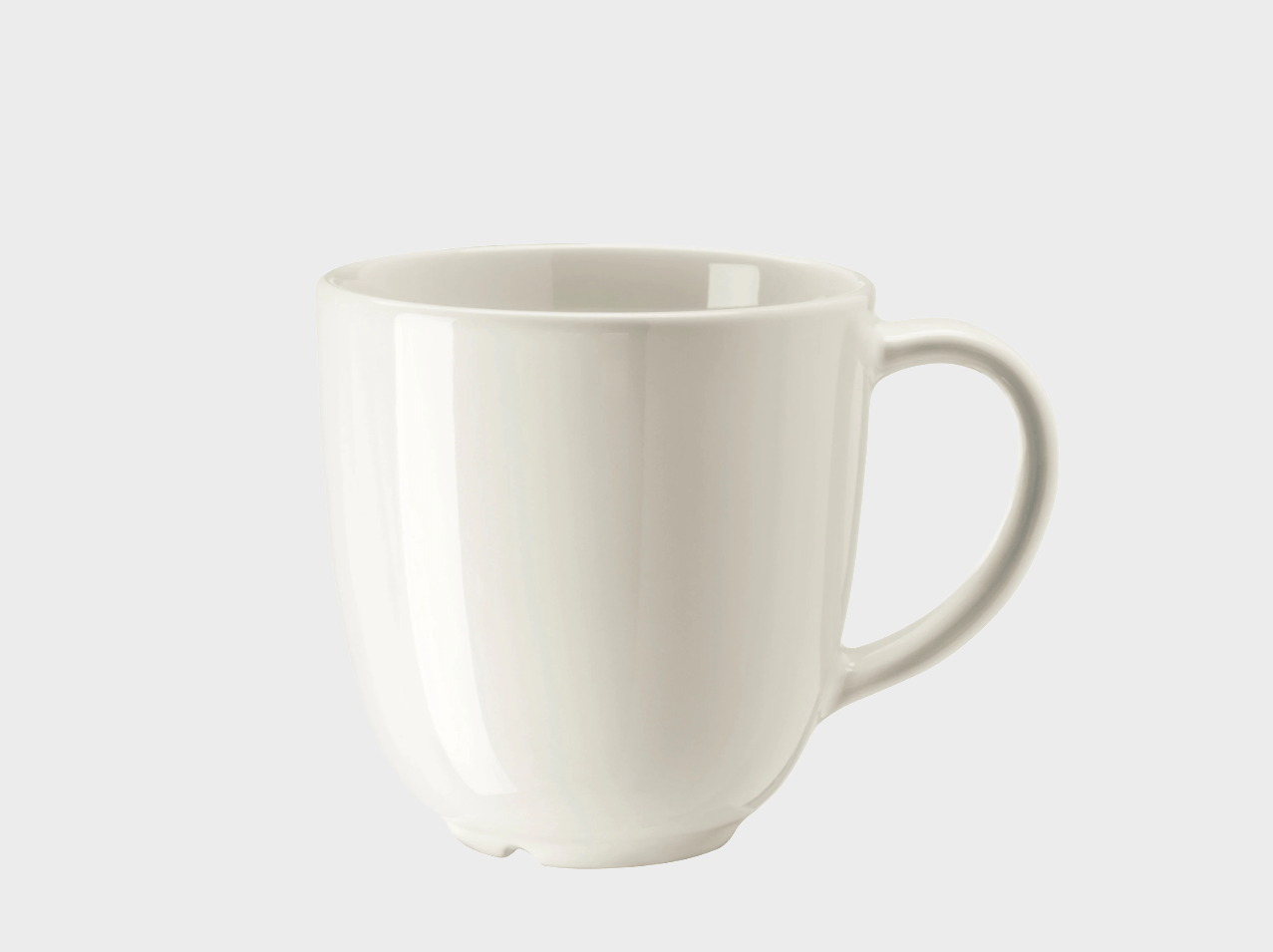
You bought a new Ikea mug, brought it home, gave it a proud little rinse, flipped it over, and there it was: a suspicious “chip” on the bottom. Naturally, your first thought was probably not, “Ah yes, Scandinavian functional minimalism at work.” It was more likely, “Did I just pay for a broken mug?”
Good news: in many cases, that little notch on the bottom of an Ikea mug is not damage at all. It is an intentional design feature called a drainage gate. Its job is simple, practical, and quietly brilliant: it helps water escape from the underside of the mug when the mug is placed upside down in the dishwasher.
In other words, your mug is not injured. It is engineered. Tiny difference, big relief.
The “Ikea mug chip” has become one of those delightful household mysteries that turns ordinary kitchenware into a design conversation. It looks like a flaw, behaves like a convenience feature, and makes you wonder why every mug on Earth does not have the same little escape hatch for dishwasher water. Let’s unpack why it exists, how it works, and when a chip is actually a chip.
What Is the Chip on the Bottom of Ikea Mugs?
The small cutout on the bottom ring of many Ikea mugs is known as a drainage gate. It is usually found on the unglamorous underside of the mug, along the raised foot ring that keeps the cup stable on a table. At first glance, it can look like a manufacturing defect, especially because most people expect the base of a ceramic mug to be perfectly round and uninterrupted.
But the shape is too neat to be accidental. A real chip usually has rough edges, uneven break lines, missing glaze, or a sharp spot that makes you nervous when you run your finger over it. Ikea’s drainage notch is smooth, deliberate, and placed where it serves a purpose.
The reason is wonderfully practical. When mugs are loaded upside down in a dishwasher, the raised ring on the bottom can form a tiny moat. During the wash and rinse cycles, water sprays everywhere, which is exactly what you want. But when the cycle ends, water can remain trapped inside that circular base. Then you unload the dishwasher, grab the mug, tilt it slightly, and receive a tiny surprise waterfall onto your hand, counter, sock, dog, or all of the above.
The drainage gate gives that trapped water a way out. Instead of sitting in the base like a miniature birdbath, the water can drain away as the mug dries.
Why Ikea Added a Drainage Gate
Ikea is famous for making everyday objects more functional without turning them into expensive science projects. The drainage gate fits that philosophy perfectly. It is not flashy. It does not connect to Bluetooth. It will not remind you to drink coffee in a soothing Swedish accent. It simply solves a common household irritation.
The design works because most mugs have a foot ring, the raised circular rim on the bottom. This foot ring helps the mug sit evenly and keeps the central base slightly lifted. That shape is useful, but it can also trap water when the mug is upside down. A notch breaks the ring, allowing water to run out.
That is why the feature matters most in dishwashers. Dishwashers clean mugs upside down so water can spray into the interior and drain out. However, the outside base of the mug becomes the “top” during the cycle. If that base has a recessed area or raised ring, it can collect water. Ikea’s drainage gate is a small design fix for a very real kitchen annoyance.
The best part is that the feature does not make the mug harder to use. You do not have to press a button, align a valve, or consult a 42-page manual named something like FLÖRGNÄPP. You just load the mug, run the dishwasher, and enjoy fewer puddles afterward.
How the Bottom Notch Works in the Dishwasher
Imagine placing a mug upside down on the top rack of your dishwasher. The drinking opening faces downward. The bottom of the mug faces upward. During the wash cycle, water hits the mug from different angles. Some of that water lands on the raised foot ring at the base.
On a mug without a notch, the raised ring can act like a dam. Water collects in the ring and stays there through the drying cycle. Heat may evaporate some of it, but not always. Ceramic and stoneware can hold heat well, yet the shape of the base still matters. If water has nowhere to go, it often waits patiently until you unload the dishwasher and spill it on your clean dishes.
On an Ikea mug with a drainage gate, the circular barrier is interrupted. Gravity gets a path. Water can slide through the notch and off the base instead of pooling. It is not magic; it is geometry wearing a tiny apron.
Why Angling Mugs Still Helps
The drainage gate is helpful, but it is not a superhero cape. Loading mugs at a slight angle still improves drying. Dishwasher brands and cleaning experts often recommend placing cups, glasses, and mugs upside down and angled toward the spray arms. This helps water reach the inside for cleaning and helps excess water run off during drying.
Think of the drainage gate as an assist, not a full replacement for smart dishwasher loading. If the notch is facing uphill because of how the mug sits, or if the mug is wedged flat against another item, water may still linger. A little tilt gives the feature a better chance to do its job.
Is the Ikea Mug Chip a Defect?
Usually, no. If the “chip” is smooth, uniform, and located on the bottom foot ring, it is probably a drainage gate. It was designed into the mug intentionally.
However, not every mark on a mug should be trusted. A real chip may appear on the rim, handle, sidewall, or bottom edge. It may feel sharp. It may show a different color under the glaze. It may look jagged instead of neatly shaped. If the mug has a crack, a rough broken patch, or glaze that is flaking away, treat it as damage.
A damaged mug can be more than an aesthetic issue. Sharp ceramic can cut fingers or lips, and cracks can trap residue. If a mug is heavily chipped or cracked near the drinking rim, it is best to stop using it for beverages. The drainage gate, on the other hand, is tucked underneath the mug and should feel finished, not broken.
Which Ikea Mugs Have This Feature?
Several Ikea mug lines have included drainage gates, including everyday ceramic, stoneware, and porcelain-style mugs. Product availability changes over time, but the concept appears on familiar Ikea dinnerware lines such as VÄRDERA, FÄRGRIK, and STRIMMIG. Some mugs have one notch, while others may have multiple small drainage gates around the bottom ring.
The exact design depends on the mug series. A square-edged white porcelain mug may use the feature differently from a rounded stoneware mug. The goal, however, is the same: reduce water trapped on the underside after dishwashing.
That is part of what makes the design so satisfying. It is not a decorative flourish pretending to be useful. It is a useful detail pretending not to exist.
Why Don’t All Mugs Have a Drainage Gate?
Once you notice the Ikea mug notch, it is hard not to inspect every mug in your cabinet like a detective in a very low-stakes crime drama. Some mugs have it. Many do not. So why is this not universal?
There are several reasons. First, mug design varies widely. Some mugs have flat bottoms that do not trap much water. Some have raised foot rings but are shaped in a way that allows water to run off more easily. Some are handmade or decorative and prioritize appearance over dishwasher convenience.
Second, manufacturing choices matter. Adding a drainage gate requires the mold, trimming process, or finishing design to account for that notch. It is a tiny detail, but in mass production, tiny details still need planning. Some brands may not see it as necessary, especially if their mug shape already dries reasonably well.
Third, not every consumer uses a dishwasher. In households where mugs are hand-washed and placed on a drying rack at an angle, the drainage issue may be less noticeable. But for dishwasher users, especially those who unload mugs daily, the difference can feel surprisingly meaningful.
The Hidden Beauty of Practical Design
The Ikea mug chip is a perfect example of design that quietly improves daily life. It does not ask for attention. It does not make the mug look futuristic. It simply prevents a small but recurring annoyance.
That is often where good household design shines: not in grand drama, but in tiny conveniences repeated hundreds of times. A drawer that closes softly. A chair that stacks neatly. A storage box that actually fits the shelf it claims to fit. A mug that does not dump dishwasher water onto your wrist before your first coffee.
Great design is not always about luxury. Sometimes it is about reducing friction. The drainage gate turns an ordinary mug into a slightly better ordinary mug. That may not sound thrilling, but when you live with objects every day, small improvements add up.
How to Tell a Drainage Gate from a Broken Mug
If you are staring at the bottom of your Ikea mug right now, wondering whether it is clever or compromised, use a quick common-sense inspection.
Signs It Is an Intentional Drainage Gate
The notch is located on the bottom ring of the mug. It has a smooth, rounded shape. The edges look glazed or finished. The same feature appears on other mugs from the same set. It does not spread into a crack. It does not feel sharp when touched.
Signs It Is Real Damage
The missing area is jagged, sharp, or uneven. The chip appears on the rim or drinking surface. There is a visible crack extending from the mark. The glaze is flaking or peeling. The mug leaks, wobbles, or makes you emotionally uncomfortable every time you use it.
When in doubt, compare it to another mug of the same model. Intentional features tend to repeat. Accidents tend to freestyle.
Care Tips for Ikea Mugs with Bottom Notches
Most everyday Ikea mugs are designed for normal kitchen use, and many are labeled dishwasher-safe and microwave-safe. Still, a few good habits can extend their life.
Load mugs on the top rack when possible, especially if your dishwasher has strong lower spray jets. Place them upside down and slightly angled so water can drain. Avoid cramming mugs so tightly that they knock into one another during the cycle. Ceramic may be durable, but it does not enjoy being used as percussion.
Use a rinse aid if your dishwasher leaves water spots or lingering droplets. Rinse aid helps water sheet off surfaces more easily, improving drying performance. Also, unload the bottom rack first. If you unload the top rack first and there is still water sitting on bowls or mug bases, it can spill onto the clean plates below. That is not efficiency; that is dish betrayal.
Finally, inspect mugs occasionally. The drainage gate is normal. New cracks are not. Retire any mug that becomes sharp, unstable, or cracked near the rim.
Why This Tiny Detail Became an Internet Favorite
The Ikea mug chip became popular online because it feels like a secret hiding in plain sight. Millions of people have used these mugs without thinking much about the little notch. Then someone points it out, explains the purpose, and suddenly an everyday object becomes interesting.
That is the charm. The discovery gives people a small “aha” moment. It turns a $1-to-$5 mug into a design lesson. It also confirms something many Ikea fans already suspect: the company’s best ideas are often the practical ones, not the loud ones.
People love useful design because it respects real life. Real life includes rushed mornings, crowded dishwashers, wet countertops, and the humble wish not to be splashed by yesterday’s rinse cycle. A drainage gate understands the assignment.
Does the Drainage Gate Affect How the Mug Feels?
For normal drinking, no. The notch is on the bottom exterior, so it does not affect the interior volume, lip comfort, handle grip, or heat retention in any meaningful way. You can sip coffee, tea, cocoa, instant noodles, or whatever “I am an adult” beverage you choose without noticing it.
On a table, the mug should still sit flat. The drainage gate interrupts the foot ring, but it does not remove enough material to make the mug unstable. If your mug wobbles, that is more likely due to an uneven surface, manufacturing issue, or actual damage.
The only time you may notice the feature is when you wash the mug, stack it, or inspect it with the seriousness of a museum curator. Otherwise, it quietly exists underneath, doing its tiny job.
Can the Notch Help with Suction?
The main purpose of the drainage gate is dishwasher water runoff, but a notch can also reduce suction in certain situations. If a mug is placed on a wet counter, a continuous bottom ring may trap a thin layer of water and create a slight seal. A break in the ring allows air to move through, making the mug easier to lift.
This is a secondary benefit, not the headline act. Still, it shows how one small design choice can solve more than one minor problem. The drainage gate is like the quiet coworker who fixes the printer, updates the spreadsheet, and never asks for applause.
500-Word Experience Section: Living with the Ikea Mug “Chip”
The first time I noticed the notch on the bottom of an Ikea mug, I did what many people do: I assumed something had gone wrong. I turned the mug over, squinted at it, and immediately began building a courtroom case in my head. Exhibit A: small missing piece. Exhibit B: suspicious location. Exhibit C: I definitely did not drop it, unless we are counting emotional dropping, which happens every Monday morning.
Then I checked another mug from the same set. Same notch. Same placement. Same smooth little cutout. At that point, the mystery shifted from “Who broke my mug?” to “Why are all my mugs broken in exactly the same elegant way?” That is when the drainage gate explanation finally made sense.
The difference becomes obvious after a few dishwasher cycles. With ordinary mugs, the bottom can hold a stubborn puddle after drying. You open the dishwasher, see everything looking clean, reach for a mug, and suddenly the mug pours water from its base like it has been secretly training as a fountain. It is not a disaster, but it is annoying. The counter gets wet. The dish towel gets involved. Someone sighs dramatically. Civilization continues, but barely.
With a mug that has a drainage gate, there is less of that little surprise splash. The water has a path out, especially when the mug is loaded at an angle. It feels like a tiny improvement until you realize how often you unload the dishwasher. Then it becomes one of those details you quietly appreciate.
It also changes how you shop for mugs. Once you understand the purpose of the notch, you may start flipping mugs over in stores. This is perfectly normal behavior, though it may alarm your friends. You begin evaluating the underside like a professional mug inspector. Is there a foot ring? Will it trap water? Is there a notch? Is the notch smooth? Could this mug survive my dishwasher and my personality before coffee?
The funny thing is that the Ikea mug chip teaches a broader lesson about design. We often judge objects by how they look from the front, but the best everyday products are thoughtful from every angle, including the part that sits on the table. The underside of a mug is not glamorous. Nobody posts it on a wedding registry mood board. But when it solves a real problem, it matters.
After living with these mugs, the notch stops looking like a chip. It starts looking like common sense. It is a reminder that good design does not always announce itself. Sometimes it hides on the bottom of a coffee cup, waiting until the dishwasher finishes to prove its worth.
Conclusion: Your Ikea Mug Is Probably Smarter Than It Looks
So, why do your Ikea mugs have a chip on the bottom? Because that “chip” is most likely a drainage gate, a purposeful notch designed to help water escape when the mug is upside down in the dishwasher. It prevents water from pooling in the foot ring, reduces annoying unload-time splashes, and shows how a tiny design detail can make everyday kitchen routines smoother.
If the notch is smooth, consistent, and located on the bottom ring, you can relax. Your mug is not defective. It is doing its job. If the mark is jagged, sharp, cracked, or located near the drinking rim, then you may be dealing with actual damage and should replace the mug.
The Ikea mug drainage gate is a small feature with a big personality. It is practical, humble, and oddly satisfying once you know what it does. In a world full of overcomplicated gadgets, there is something refreshing about a mug that solves a problem with nothing more than a tiny gap in the right place.