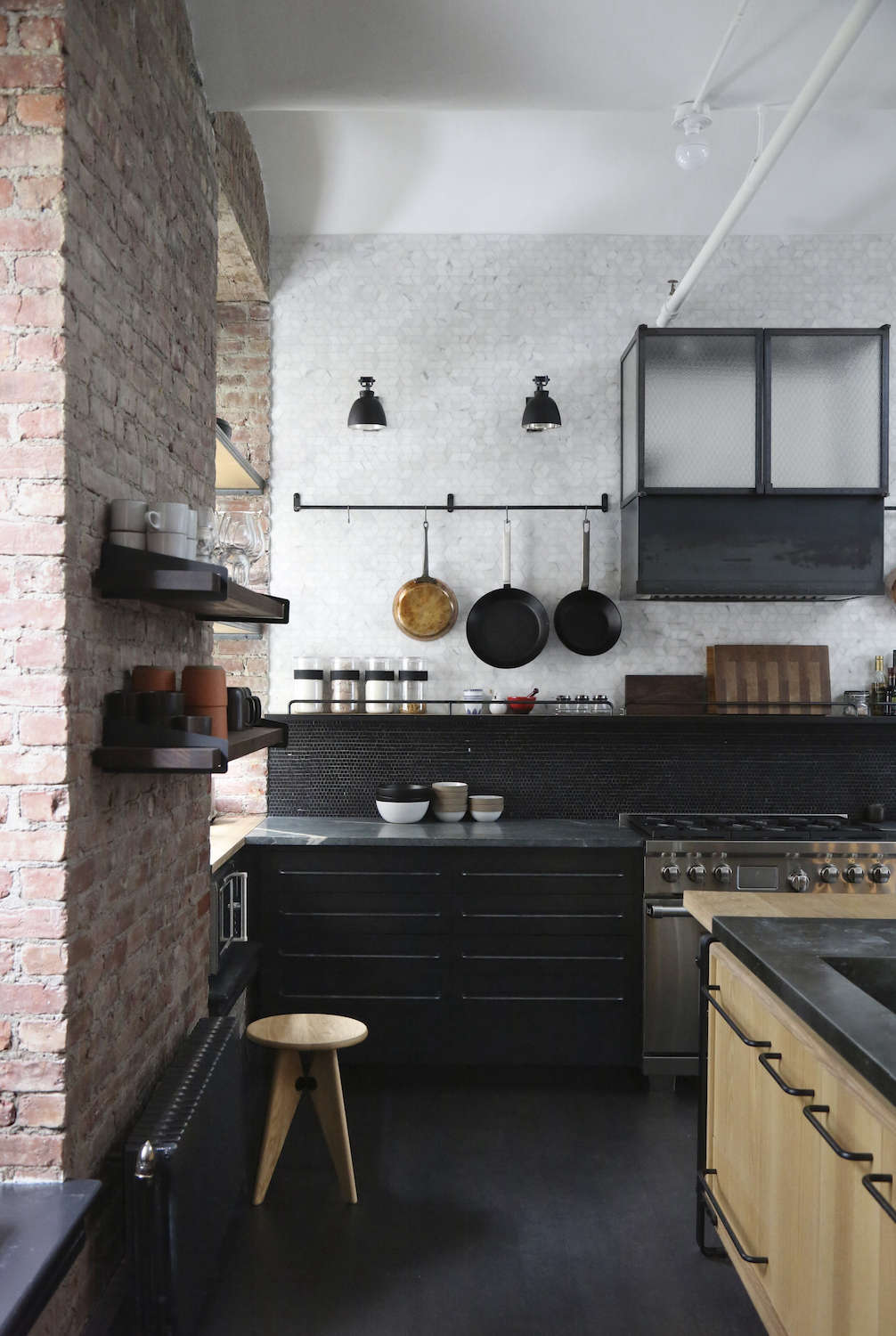
Some New York lofts whisper “minimalism.” Others shout “industrial chic” through a megaphone made of exposed ductwork. Then there is the Great Jones loft by Matt Bear of Union Studio, a space that does something far more interesting: it lets old materials, handmade details, and family life have a real conversation. No design gimmicks. No fake patina. No “rustic” sign hanging above a sofa to remind everyone what theme they are in.
Located in NoHo, Manhattan, the loft is a rugged, rustic, and quietly refined renovation of a 1903 building. The project was designed by Matt Bear, the Berkeley-based founder of Union Studio, whose work sits somewhere between architecture, craft, furniture making, and material poetry. That may sound loftypun absolutely intendedbut the results are grounded: reclaimed glass, blackened industrial lighting, steel, stone, wood, and a layout that feels made for actual humans, not just a camera crew wearing linen.
The story behind this NYC loft is especially compelling because it is not simply about decorating an apartment. It is about respecting a building’s industrial past while making it warm enough for a family to live in. That balance is harder than it looks. Too much polish, and a loft loses its soul. Too much grit, and it starts to feel like someone forgot to finish the renovation. Matt Bear’s Great Jones loft lands in the sweet spot: handsome, useful, tactile, and just imperfect enough to feel alive.
Who Is Matt Bear of Union Studio?
Matt Bear is the founder of Union Studio, a small Berkeley, California-based design studio known for furniture, interiors, architectural work, and a strong devotion to craft. Union Studio’s portfolio includes residential, retail, office, and furniture projects, with Great Jones listed among its New York loft work. Bear’s design language often begins with material: blackened steel, walnut, white oak, live-edge slabs, reclaimed elements, and handmade construction details that show the designer’s hand without waving it frantically in your face.
Before the Great Jones loft gained attention in the design world, Bear was already known for custom handcrafted steelwork, including work connected to March in San Francisco. His background in architecture and furniture making gives his interiors a rare advantage: the big gestures and the small objects appear to come from the same brain. In many homes, the architecture says one thing, the furniture says another, and the lighting looks like it wandered in from a showroom clearance rack. Here, the pieces belong to one conversation.
The Great Jones Loft: A 1903 NoHo Space Reimagined
The Great Jones loft was renovated for Todd Holcomb and Keith Yamashita, a creative couple who had worked with Bear before on other projects. When the family moved to New York, they asked him to help transform a 1903 NoHo loft into a home for themselves and their two daughters. The apartment’s location matters. NoHo is not a blank-slate neighborhood. Its architecture carries the weight of New York’s manufacturing, retail, and commercial past, especially in its historic store-and-loft buildings.
That context makes the design more than an aesthetic choice. A rugged, rustic NYC loft can easily become costume design if it ignores the building’s history. Bear’s approach does the opposite. Rather than hiding the old industrial bones behind drywall and trendy finishes, the renovation leans into the language of the building: factory-era materials, honest surfaces, hard-working fixtures, and strong visual lines. The result is not nostalgic. It is contemporary, but with memory.
Why the Loft Feels Rugged Without Feeling Rough
“Rugged” can be a dangerous word in interiors. In the wrong hands, it becomes splintery benches, oversized lanterns, and a coffee table that looks like it was dragged in from a storm drain. In the Great Jones loft, ruggedness is more controlled. The materials are robust, but the composition is disciplined. There is a clear understanding of proportion, rhythm, and restraint.
The loft uses industrial cues without turning into a theme restaurant. Black vintage lights over the kitchen island create contrast and visual weight. Wire glass brings texture and privacy while maintaining the industrial mood. A marble-topped table with a cast iron base offers a brilliant tension between elegance and utility. It is the kind of table that can handle dinner, homework, meetings, and probably one dramatic family discussion about who left the cereal box open.
What keeps the space from becoming too heavy is the balance of materials. Wood warms the steel. Stone cools the room down. Glass divides without fully closing things off. White walls and open volume keep the loft breathable. The design feels layered, not cluttered; rustic, not dusty; industrial, not cold.
The Kitchen: Where Craft and Daily Life Meet
The kitchen is one of the strongest parts of the Great Jones loft because it understands what kitchens really are. They are not just places where people sauté things while smiling at brass hardware. They are command centers, snack stations, homework zones, casual offices, and the emotional weather system of a home.
Bear’s kitchen design uses a large central table made from a marble slab and cast iron base, sourced through Olde Good Things. This is a perfect example of the project’s intelligence. A marble surface brings light, polish, and a sense of permanence. A cast iron base adds muscle. Together, they create a piece that feels both refined and tough. It is not precious; it is useful. That usefulness is a key reason the loft works.
Above the island, large black vintage industrial lights reinforce the building’s factory-era character. They also solve a basic design problem: in a large loft, lighting has to create zones. Without good lighting, an open-plan apartment can feel like one giant room where every activity floats around aimlessly. The pendants give the kitchen a center of gravity. They say, “This is where the action happens.” They do not need to shout; the black metal does the talking.
Wire Glass, Marble, Steel, and Wood: The Material Story
The Great Jones loft is a masterclass in material storytelling. One of its most memorable features is the use of industrial wire glass, including pebbled chicken wire glass for enclosures. This material is practical, textured, and historically appropriate. It provides privacy and separation without breaking the loft’s open feeling. It also adds a slightly imperfect visual quality that makes the space feel less polished and more authentic.
Wire glass has a particular charm because it plays with contradiction. It is transparent but guarded. It is delicate-looking but durable. It filters light while adding pattern. In a rustic industrial loft, those contradictions are valuable. They prevent the design from becoming flat.
Steel also appears as a recurring language. Whether in furniture, fixtures, or structural references, it gives the apartment a firm backbone. Wood, meanwhile, softens the story. The contrast between blackened steel and warm timber is one of the most reliable combinations in rustic loft design, but it only works when the proportions are right. Too much steel and the home becomes severe. Too much wood and it may drift into cabin territory. Bear keeps the balance steady.
Furniture Choices That Support the Architecture
One of the smartest things about the Great Jones loft is that the furniture does not fight the architecture. Solidwool notes that Matt Bear specified 12 Hembury Chairs for the Great Jones project. The choice makes sense. Hembury Chairs have a sculptural, material-forward quality that fits the loft’s handmade and industrial character without trying too hard.
In a space like this, furniture has to do more than look good in a photograph. It needs to hold its own against high ceilings, open floor area, strong materials, and architectural scale. Lightweight, fussy furniture can disappear in a loft. Overly bulky furniture can suffocate it. The best pieces are sturdy, simple, and textural, with enough character to feel intentional.
Bear’s broader furniture practice also helps explain why the interior feels so coherent. Union Studio’s work often includes walnut, white oak, blackened steel, and carefully detailed cabinetry or tables. This gives the loft a custom-made feeling, even where individual elements are sourced or vintage. The effect is not “everything matches.” The effect is better: everything understands the assignment.
Bathrooms and Tile: Small Spaces With Big Texture
The bathrooms continue the loft’s material logic. Product references connected with the project include Waterworks Keystone mosaic, the R.W. Atlas faucet, Ann Sacks Andy Fleishman hexagon tile, and Marcel Wanders’ Hexagonal Frozen Garden tiles. These selections point toward a sophisticated approach to texture: small-scale pattern, mineral surfaces, geometric rhythm, and fittings that feel substantial rather than flashy.
Rustic loft bathrooms can easily become too raw, especially if every surface is dark or industrial. The better approach is contrast. Use refined tile against rougher architectural elements. Pair strong fittings with softer light. Add pattern without visual noise. The Great Jones loft shows how bathroom design can echo an industrial story while still feeling clean, comfortable, and modern.
Hexagonal tiles are especially effective in this kind of space because they connect old and new. They recall traditional mosaic floors, but they can also feel graphic and contemporary. That bridge between eras is central to the entire loft.
What Makes This Rustic NYC Loft Different?
There are many rustic lofts in New York, and plenty of them follow a predictable formula: exposed brick, giant sofa, Edison bulbs, maybe a ladder that nobody should climb. The Great Jones loft feels different because it is not chasing the “loft look.” It is responding to a real loft.
The difference is subtle but important. A themed loft uses industrial objects as decoration. A well-designed loft uses industrial materials as part of the architecture. Bear’s work belongs to the second category. The wire glass is not there just because it looks cool, although it certainly does. The lighting is not just vintage jewelry. The marble-and-cast-iron table is not just a centerpiece. These elements support how the family lives in the space.
Another difference is restraint. The loft could have gone full theatrical: more metal, more reclaimed wood, more dark drama. Instead, it leaves breathing room. The white walls, open circulation, and controlled palette allow the rugged materials to stand out. This is a key lesson for anyone trying to create a rustic modern interior: do not make every surface the star. Even in design, too many lead singers can ruin the band.
Design Lessons From the Great Jones Loft
1. Let the Building Lead
The best loft renovations begin by listening to the existing structure. In a historic NoHo space, the building already has a strong personality. A successful design does not bury that personality; it edits around it. Bear’s renovation respects the loft’s 1903 roots while adapting it for family life.
2. Use Reclaimed Materials With Purpose
Reclaimed materials should not be sprinkled around like rustic confetti. They work best when they solve real design problems. In the Great Jones loft, vintage glass, industrial lighting, and a cast iron table base add both function and story.
3. Balance Hard and Soft
Industrial interiors need warmth. Rustic interiors need discipline. The Great Jones loft succeeds because it mixes hard materialssteel, glass, stonewith warmer wood tones, open space, and practical domestic zones.
4. Keep the Palette Tight
A rugged loft does not need a dozen competing finishes. Black metal, white walls, warm wood, gray stone, textured glass, and small-scale tile can create plenty of interest. The magic comes from depth, not chaos.
5. Make Custom Pieces Work Hard
Custom furniture and sourced vintage elements should support daily life. The kitchen table in this project is beautiful, but it also works as a gathering place, work surface, and family hub. That is design doing its job.
How to Borrow the Look Without Copying It
Most people do not have a 1903 NoHo loft waiting around patiently for renovation. Rude, but true. Still, the design ideas from Matt Bear’s Great Jones project can translate to apartments, townhouses, studios, and even newer homes that need character.
Start with one strong material story. Maybe it is blackened steel and oak. Maybe it is marble and vintage glass. Maybe it is handmade tile and warm plaster. Choose materials that feel connected, then repeat them with restraint. A black metal light fixture can echo a table base. A textured glass cabinet can nod to a shower enclosure. A stone surface can repeat in smaller accessories or backsplash details.
Next, avoid fake age. Distressed finishes can be useful, but they should not look like they came pre-scratched by a committee. Real patina has irregularity. Real reclaimed materials have quirks. If you cannot use vintage pieces, choose new materials with honest texture: honed stone, matte tile, oiled wood, unlacquered metal, woven wool, or thick linen.
Finally, keep comfort in the plan. The Great Jones loft may look rugged, but it is still a family home. Seating, lighting, storage, and circulation matter. Rustic design should never require guests to sit on something that feels like punishment.
Experience Notes: Living With a Rugged, Rustic Loft Aesthetic
Spending time in a rugged, rustic loft-style space changes the way you notice a room. In a glossy modern apartment, your eye often moves quickly across smooth surfaces. Everything is finished, sealed, and controlled. In a material-rich loft, the eye slows down. You notice the uneven grain of wood, the coolness of stone, the shadow inside textured glass, the dark edge of steel, the small scratches that prove a table has lived a little. The space feels less like a showroom and more like a place with a pulse.
That is the greatest experiential lesson from a project like the Great Jones loft. The beauty is not only visual; it is physical. You can imagine resting your hand on the marble table while someone cooks nearby. You can imagine the glow from black industrial lights falling across the kitchen at night. You can imagine the muted privacy of wire glass in a bathroom or hallway, letting light pass through while still creating a sense of enclosure. These are not abstract design ideas. They are daily-life details.
A rustic industrial interior also teaches patience. Materials like wood, metal, stone, and glass do not all age the same way, and that is part of the charm. Wood darkens or softens. Metal develops small signs of use. Stone may etch or mark. Glass catches fingerprints because, unfortunately, humans continue to have fingers. Instead of treating every mark as damage, a good loft interior allows some evidence of life. That does not mean neglect. It means the home is allowed to participate in time.
There is also an emotional comfort in rooms that are not overly perfect. Highly polished interiors can be impressive, but they sometimes make people behave like nervous museum visitors. A rugged loft says, “Come in, put down your bag, pull up a chair.” The materials are strong enough to absorb daily life. The textures are forgiving. The atmosphere feels grounded. In a city like New York, where everything outside can be loud, fast, and mildly dramatic before breakfast, that grounded feeling is priceless.
The best experience of a loft like this is the way it supports multiple rhythms at once. Someone can cook in the kitchen. Someone else can read nearby. A child can do homework at the table. A meeting can happen without the space suddenly pretending to be an office. That flexibility is the real luxury of loft living. It is not just square footage. It is freedom of use.
Matt Bear’s Great Jones loft captures that freedom beautifully. It proves that rustic design does not have to be heavy, that industrial design does not have to be cold, and that family living does not have to erase architectural character. The project’s lasting appeal comes from its honesty. It respects old materials, celebrates craft, and leaves enough space for real life to unfold. That may be the most New York thing about it: tough on the outside, warm where it counts, and full of stories if you know where to look.
Conclusion
A Rugged, Rustic NYC Loft by Matt Bear of Union Studio remains inspiring because it avoids the obvious traps of loft design. It does not over-polish the past. It does not romanticize roughness. It does not confuse vintage objects with instant character. Instead, it builds a home from materials that mean something: wire glass, marble, cast iron, blackened metal, warm wood, handmade furniture, and carefully chosen tile.
The Great Jones loft is a reminder that good design is not about making a space look expensive, even when the materials are clearly high quality. It is about making a space feel inevitable, as if every element has found its proper place. Matt Bear’s work for Union Studio shows how a historic NYC loft can become modern without losing its grit, rustic without becoming sentimental, and family-friendly without sanding off all the interesting edges.
In a city where interiors often chase trends at subway speed, this loft has staying power. It is rugged, yes. Rustic, absolutely. But above all, it is thoughtful. And thoughtful design, unlike trendy lighting, rarely needs replacing next season.