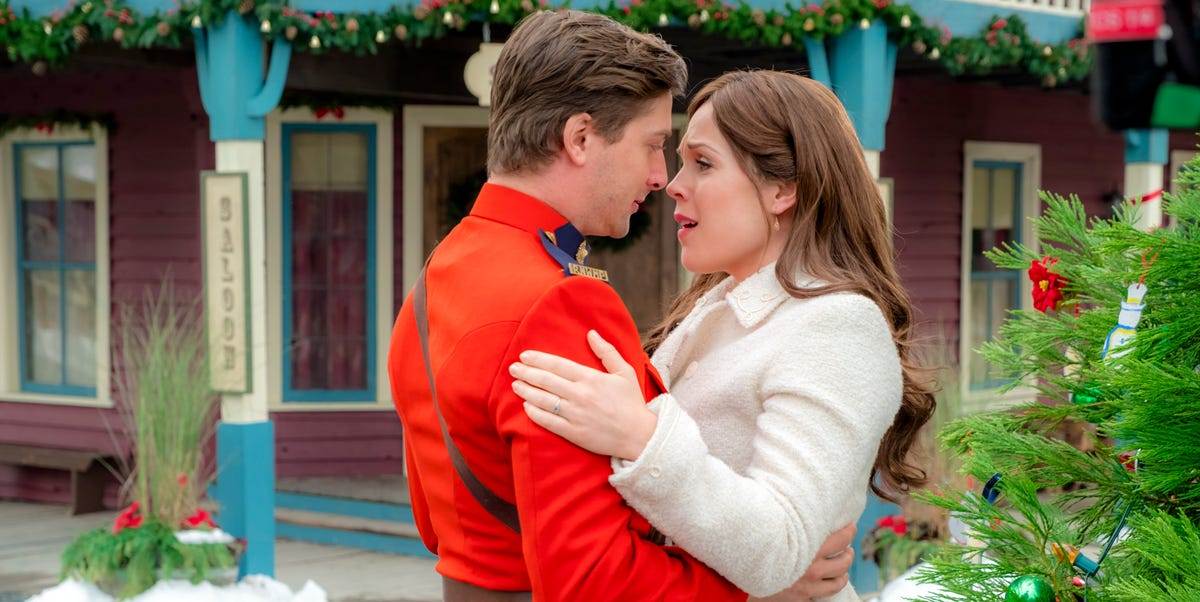
For many When Calls the Heart fans, Daniel Lissing’s exit still feels like the emotional equivalent of opening a Christmas card and finding a jury summons inside. One minute, Jack Thornton and Elizabeth Thatcher were the beloved frontier couple at the center of Hope Valley. The next, Jack was gone, Elizabeth was widowed, and Hearties everywhere were staring at their screens like someone had spilled coffee on the family Bible.
So, why did Daniel Lissing leave When Calls the Heart? The straightforward answer is this: Lissing chose to move on from the Hallmark Channel series after season 5 for personal and professional reasons. His departure was not publicly framed as a scandal, firing, or cast feud. The show then wrote out Jack Thornton by having him die offscreen during a Mountie assignment, creating one of the most heartbreaking turns in the series.
But the full story is more layered than “actor leaves show, fans cry into throw pillows.” Lissing’s decision affected the show’s storytelling, Elizabeth’s future, the fan community, and the long-running identity of When Calls the Heart. Let’s unpack what happened, why Jack died, and why the question still follows the series years later.
The Short Answer: Daniel Lissing Chose to Move On
Daniel Lissing played Jack Thornton, the honorable Canadian Mountie who became Elizabeth Thatcher’s great love. From the beginning, Jack was not just a handsome man in a red serge uniform. He represented duty, courage, restraint, and the kind of romantic patience that makes Hallmark viewers say, “Fine, I believe in love again.”
After five seasons, Lissing decided not to continue as a series regular. In public comments after the season 5 finale, he explained that circumstances in his personal life led him to leave. He did not reveal every private detail, which is fair. Actors are allowed to have boundaries, even when they have played someone’s favorite fictional husband.
The important point is that his exit was presented as his choice. He said Hallmark and his co-stars were supportive, and people connected to the show also pushed back against the idea that there was behind-the-scenes drama. In other words, the public explanation was not “Hollywood chaos,” but “a working actor made a life and career decision.” Less spicy than a gossip headline, yes, but much more believable.
What Happened to Jack Thornton on When Calls the Heart?
In the story, Jack Thornton died after being sent away on official Mountie duty. His death happened offscreen, which made the reveal even more shocking for viewers. Rather than watching an extended goodbye scene, fans learned the devastating news along with Elizabeth and Hope Valley.
Season 5 had finally given Jack and Elizabeth what audiences had waited years to see: their wedding. The romance had been built slowly, with misunderstandings, separations, longing looks, and enough frontier tension to power a small steam engine. Then, just after their marriage, Jack was called away again. His death left Elizabeth a widow, but the season also ended with the revelation that she was pregnant.
That pregnancy became one of the show’s bridges into the future. Elizabeth gave birth to a son, Little Jack Thornton, allowing Jack’s memory to remain part of the series even after Daniel Lissing left. This was a clever narrative move, even if it did not stop fans from needing emotional snacks.
Why Did the Show Kill Jack Instead of Recasting Him?
One of the biggest fan debates is simple: why not recast Jack Thornton? Soap operas have recast characters with the confidence of a magician pulling a rabbit from a hat. Viewers blink, adjust, and eventually accept that the new person is “definitely the same cousin.”
But When Calls the Heart was different. Jack and Elizabeth’s love story had been built around Daniel Lissing and Erin Krakow’s chemistry. Recasting Jack would have meant asking fans to accept a new actor in one of the show’s most emotionally central roles right after the wedding. That is a tall order. Not impossible, but risky.
Killing Jack also gave the writers a dramatic reason for his permanent absence. A Mountie cannot simply vanish from his wife’s life without raising a wagonload of questions. If Jack had abandoned Elizabeth, it would have damaged his character. If he had been reassigned forever, viewers would have expected visits, letters, or a reunion. Death, painful as it was, protected Jack’s honor and gave Elizabeth a new arc centered on grief, motherhood, resilience, and eventually the possibility of loving again.
Was Daniel Lissing Unhappy With When Calls the Heart?
There is no solid public evidence that Daniel Lissing left because he hated the show, disliked the cast, or wanted to distance himself from Hallmark. In fact, his later comments have generally been warm toward the series, the fans, and the people he worked with.
That matters because fan communities often fill silence with theories. When a major actor exits a beloved show, rumors appear faster than Rosemary Coulter can organize a town event. Some viewers wondered whether contracts, creative choices, screen time, or behind-the-scenes tensions played a role. Publicly, however, the most reliable explanation remains the one Lissing gave: personal circumstances and the desire to move forward.
Country Living and other entertainment outlets reported comments from the cast indicating that contracts end and actors sometimes choose not to renegotiate. That sounds very normal because it is very normal. Television work is still work. Even when the show is wholesome, the contracts are not handwritten on lace paper and sealed with jam.
Daniel Lissing Later Said He Had No Regrets
One reason Lissing’s exit is still discussed is that his life changed significantly after leaving the show. He later said that if he had stayed for season 6, his path might not have led him to meet Nadia, the woman who became his wife. The couple met in Iceland in 2018, got engaged in 2019, and married privately in 2020.
That does not mean he left the show because he knew he would meet his future wife. Time machines remain unavailable, even to Hallmark leading men. Instead, he has described the exit as a decision that led him into the right next chapter of his personal life. From his perspective, leaving was part of a larger life journey.
Fans may still miss Jack, but it is difficult to argue with someone finding real happiness. Fictional heartbreak and real-life joy can exist at the same time. That is inconvenient for dramatic arguments, but very healthy for actual humans.
How Jack’s Exit Changed Elizabeth’s Story
Elizabeth Thornton’s life after Jack became one of the show’s biggest creative challenges. The writers had to honor Jack’s memory without freezing Elizabeth in permanent sadness. That is not easy, especially with a fan base as emotionally invested as the Hearties.
In season 6, Elizabeth returned as a new mother. Little Jack gave her a living connection to her late husband, and the renamed Jack Thornton School helped keep his legacy visible in Hope Valley. These details mattered because they showed that Jack was not being erased. He had shaped the town, Elizabeth, and the future.
At the same time, the show slowly introduced new romantic possibilities. Lucas Bouchard and Nathan Grant entered Elizabeth’s world in different ways, creating one of the most discussed love triangles in Hallmark history. For some viewers, Elizabeth moving forward felt hopeful. For others, it felt too soon, too complicated, or too much like replacing the irreplaceable.
This tension is exactly why Jack’s death remains so powerful. A character who can still influence the plot years after leaving is not just a former cast member. He is part of the show’s emotional architecture.
Did Daniel Lissing Ever Return as Jack Thornton?
Yes, but not on When Calls the Heart as a regular character. Daniel Lissing later returned as Jack Thornton in a single-scene cameo for When Hope Calls: A Country Christmas, the spinoff connected to the same family-friendly television universe.
The cameo was designed as a sentimental moment rather than a full resurrection. It gave fans another glimpse of Jack and allowed Lissing to revisit the role without undoing the main story. Think of it as a small emotional gift, not a giant plot reset button.
Lissing has also continued working in television and movies, including projects associated with Hallmark and Great American Family. His post-WCTH career shows that leaving Hope Valley did not mean leaving family entertainment forever.
Why Fans Still Ask About Daniel Lissing’s Exit
The question “Why did Daniel Lissing leave When Calls the Heart?” continues to trend because Jack was not a side character who simply packed a suitcase and moved three towns over. He was one half of the show’s original central romance. His relationship with Elizabeth helped define the early seasons.
Fans invested years in Jack and Elizabeth’s slow-burn love story. They watched them move from friction to friendship, from friendship to courtship, and from courtship to marriage. Then the show removed Jack almost immediately after giving the couple their happy milestone. That kind of timing leaves a mark.
There is also a difference between understanding an actor’s choice and liking the story result. Viewers can respect Daniel Lissing’s decision and still wish Jack had lived. They can appreciate Elizabeth’s growth and still miss the original romance. Hearties contain multitudes, and occasionally very strong opinions.
What the Exit Teaches About Long-Running TV Shows
Daniel Lissing’s departure highlights a hard truth about television: even the warmest fictional worlds depend on real-world contracts, schedules, goals, and personal lives. A show can plan a romance, build a fan base, and create a beloved character, but actors still have choices. When those choices change, the writers must adapt.
For When Calls the Heart, Jack’s death forced a major reset. The series had to prove it could continue without one of its original anchors. It did continue, adding new relationships, new conflicts, new families, and new eras in Hope Valley. That does not mean every fan loved every change. But the show’s longevity proves that its world was bigger than one romance, even if that romance remains unforgettable.
In a way, Jack’s exit became a test of the show’s central theme: hope after loss. That theme is easy to admire when it appears in a tidy inspirational speech. It is harder when it involves losing a character everyone adored. But that is also why the storyline still matters.
Common Misunderstandings About Daniel Lissing Leaving
1. He was not publicly fired
The most reliable public information points to Lissing choosing to leave. There has been no credible confirmation that he was fired from the series.
2. His exit was not officially blamed on a feud
Public comments from Lissing and others connected to the show emphasized support, respect, and the normal reality of contracts and career decisions.
3. Jack’s death was a writing solution
Once Lissing left, the writers had to explain why Jack would no longer be with Elizabeth. Since Jack was loyal, loving, and duty-bound, death was the cleanest explanation, even if it was also the most painful.
4. Lissing did not disappear from entertainment
After leaving When Calls the Heart, Lissing continued acting, appeared in other television projects, and later returned to Hallmark-style holiday programming.
Was Leaving the Right Decision?
From Daniel Lissing’s personal perspective, it seems clear that he believes leaving was the right decision. He has spoken positively about how his life unfolded afterward, especially in relation to meeting his wife and aligning with his personal and professional goals.
From the show’s perspective, the exit was painful but survivable. When Calls the Heart continued beyond season 5, expanded Elizabeth’s story, and kept Jack’s legacy alive through Little Jack and the town’s memory.
From the fans’ perspective, the answer depends on whom you ask. Some viewers eventually embraced the new direction. Others still consider Jack and Elizabeth the heart of the series. A few are probably still emotionally standing in the schoolhouse doorway, refusing to move on, and honestly, that is their journey.
Experience Section: Why This Exit Still Feels Personal to Viewers
Watching Daniel Lissing leave When Calls the Heart is not like watching a random character exit a crime procedural after three episodes and one suspiciously dramatic monologue. Jack Thornton had become part of the comfort-viewing routine for many fans. People did not just watch him solve problems; they watched him grow into Elizabeth’s partner, a protector of Hope Valley, and a symbol of steady love.
That is why the experience of Jack’s death felt so personal. Fans often connect long-running shows with real-life seasons: Sunday nights with family, quiet evenings after work, rewatches during holidays, or background comfort while folding laundry. Jack and Elizabeth’s romance lived inside those routines. When Jack died, it disrupted not only the plot but also the feeling of safety that many viewers associated with the show.
For first-time viewers discovering the series years later, the exit can be even more surprising. Streaming makes it easy to binge five seasons quickly, which means the emotional whiplash arrives like a runaway wagon. One week you are watching Jack and Elizabeth build trust; the next, you are searching “Why did Daniel Lissing leave When Calls the Heart?” at midnight with the intensity of a detective in a frontier mystery.
The experience also reveals how deeply fans care about storytelling fairness. Many viewers were not angry simply because Jack died. They were upset because the timing felt especially cruel. After seasons of waiting, Jack and Elizabeth finally married, only for Elizabeth to lose him almost immediately. In classic drama, tragedy often follows happiness, but Hallmark audiences usually expect the clouds to part before the credits roll. Jack’s death challenged that expectation.
At the same time, the storyline gave some viewers a meaningful portrait of grief and resilience. Elizabeth did not stop being Elizabeth. She became a mother, continued teaching, leaned on her community, and learned to carry love and loss together. For people who have experienced major life changes, that arc can feel honest. Moving forward does not mean forgetting. It means building a life that includes both memory and possibility.
Daniel Lissing’s exit also teaches fans something useful about entertainment: loving a character does not give us ownership over the actor. Lissing had his own life, goals, relationships, and future to consider. That can be hard to accept when a fictional story brings real comfort, but it is part of the agreement between audiences and performers. Actors give viewers memorable characters; viewers do not get to keep them forever in a decorative Hope Valley snow globe.
In the end, the experience of Jack’s departure is bittersweet because both truths are valid. Daniel Lissing had every right to leave. Fans had every right to grieve the story change. The show had to adapt. Elizabeth had to grow. And Jack Thornton, even absent, remained one of the most important characters in When Calls the Heart. That is the mark of a role that worked: years later, people are still asking why he left, still debating the choice, and still remembering the Mountie who rode into Hope Valley and never quite left viewers’ hearts.
Conclusion
Daniel Lissing left When Calls the Heart because he chose to move on for personal and professional reasons after season 5. The show wrote out Jack Thornton through an offscreen death during a Mountie assignment, a decision that protected Jack’s honorable character while giving Elizabeth a new emotional path as a widow and mother.
There is no credible public proof that Lissing’s exit was caused by a feud or firing. Instead, the public record points to a respectful departure, supportive colleagues, and an actor who later said he had no regrets about where life took him. For fans, though, the emotional answer is more complicated. Jack’s death changed the heart of the show, reshaped Elizabeth’s journey, and gave Hearties one of the most memorable heartbreaks in Hallmark history.
So, why did Daniel Lissing leave When Calls the Heart? Because real life called. And because real life called, Hope Valley had to learn how to keep going without one of its most beloved Mounties.