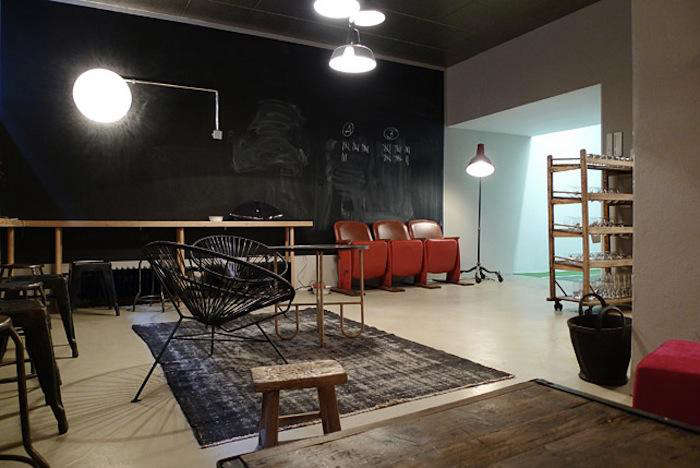
Rugs are the quiet celebrities of interior design. They do not give speeches, they do not ask for applause, and yet they have been warming feet, decorating palaces, protecting floors, and showing off family wealth for thousands of years. A rug may look like a soft rectangle under the coffee table, but historically it has been a portable painting, a status symbol, a survival tool, a trade item, and occasionally the most dramatic thing in the room.
The history of rugs is full of surprising details. Ancient nomads used woven textiles to make life more comfortable on the move. Royal courts turned carpets into luxury art. Painters placed exotic rugs in portraits to signal wealth. American households used hooked rugs, rag rugs, and handmade floor coverings as practical decorations long before “cozy farmhouse style” had a Pinterest board. In other words, rug history is not dusty. It is colorful, global, and occasionally weird in the best possible way.
Below are some of the most fascinating rug history facts, from the frozen tombs of Siberia to Persian court workshops, European collecting habits, American craft traditions, and the everyday experience of living with rugs today.
1. The Oldest Famous Pile Carpet Was Found Frozen in a Tomb
One of the most amazing facts in rug history is that an ancient carpet survived because it was frozen. The Pazyryk carpet, discovered in the Altai Mountains of southern Siberia, dates to roughly the 5th to 3rd century B.C. It was preserved in ice inside a burial mound, which is basically history’s most dramatic freezer storage solution.
This carpet was made with a wool pile and symmetrical knots, showing a level of craftsmanship that still impresses textile historians today. The survival of the Pazyryk carpet proves that rug weaving was already highly developed more than 2,000 years ago. People were not simply tossing fibers together and hoping for the best. They were designing borders, patterns, and structured compositions with remarkable skill.
2. Rugs Were Not Always Just for Floors
Today, most people think of rugs as floor coverings, but historically rugs and carpets had many jobs. They were used on walls, tables, beds, saddles, and ceremonial spaces. In fact, the word “carpet” was once used more broadly for decorative coverings, not only the wall-to-wall flooring people imagine today.
In wealthy homes, a beautiful carpet could be placed on a table rather than underfoot. That might sound odd until you remember that handmade carpets were expensive works of art. Putting one on the floor where boots, crumbs, and muddy dogs could attack it was not always the obvious choice. In many settings, displaying a rug above ground was a way of saying, “Please admire this masterpiece, and please do not spill stew on it.”
3. Persian Rugs Became World-Famous for a Reason
Persian rugs did not become famous by accident. During the Safavid period in Iran, especially in the 16th and 17th centuries, carpet weaving reached extraordinary artistic heights. Court workshops produced sophisticated designs with central medallions, arabesques, scrolling vines, cloud bands, floral patterns, animals, and garden layouts.
These rugs were not merely household objects. They were luxury creations connected to manuscript design, architecture, tilework, and royal taste. Some designs appear to share visual ideas with book covers and architectural decoration, suggesting that artists and workshops influenced multiple art forms at the same time. Imagine a creative director handling manuscripts, buildings, and rugs before “brand identity” was even a phrase.
4. Some Rugs Were Basically Gardens You Could Walk On
Garden carpets are among the most poetic inventions in rug history. Instead of showing a single repeating pattern, these carpets often used channels, compartments, trees, flowers, and symbolic layouts to evoke an ideal garden. In Islamic art, garden imagery could suggest paradise, order, beauty, water, and abundance.
A famous 17th-century Persian garden carpet, the Wagner Garden Carpet, is considered one of the earliest surviving examples of its kind. Rugs like this turned the floor into an imaginary landscape. If you could not stroll through a perfect garden every morning, you could at least own a woven version of one. That is interior design with ambition.
5. “Polonaise” Carpets Were Not Actually Polish
Here is a fun rug history plot twist: “Polonaise” carpets were long associated with Poland, but many were actually made in Iran. The name came partly from European coats of arms found on similar carpets and from 19th-century assumptions about their origin.
These luxurious silk carpets often used pastel colors and metal-wrapped threads of gold or silver. Some were sent to Europe as diplomatic gifts, while others were commissioned by Europeans. Their history is a reminder that rug names can be confusing. A label may tell you more about collectors, trade routes, and old misunderstandings than about where the rug was truly made.
6. Rug Patterns Traveled Across Continents
Rug design has always been a world traveler. Motifs moved across trade routes, empires, workshops, and artistic traditions. Chinese cloud bands and dragon imagery appeared in Persian and related carpet designs. Persian patterns influenced Mughal carpets in India. Turkish “Lotto” carpets appeared in European paintings. A rug could carry visual ideas from one culture into another, long before anyone could save images to a mood board.
This is why antique rugs often look like woven maps of cultural exchange. A single carpet may include design ideas linked to China, Iran, Anatolia, India, or Europe. The rug underfoot might be doing more international diplomacy than the people sitting on the sofa.
7. Rugs Became Status Symbols in European Art
During the Renaissance and later periods, European painters often included luxurious imported carpets in portraits and still lifes. These rugs were not random props. They signaled wealth, refinement, trade connections, and access to rare goods. In many paintings, carpets appear draped over tables instead of spread on floors, emphasizing their value.
If a family could afford a beautifully patterned imported rug, they wanted viewers to notice. The rug was the historical equivalent of a luxury watch placed very casually in a photo. It said, “We are cultured, comfortable, and we definitely know merchants.”
8. The Difference Between a Rug and a Carpet Is Not Always Simple
In modern American usage, a rug is usually a partial floor covering, while a carpet is often fixed down or covers a room wall to wall. But when discussing handmade textiles, the words “rug” and “carpet” are often used interchangeably. That means a museum might call something a carpet even if a homeowner would call it a rug.
The distinction depends on context, size, use, and tradition. So if someone corrects you at a dinner party, you can smile politely and say, “Historically, the terminology is flexible.” Then immediately escape to the snack table, because life is short.
9. American Colonists Did Not All Have Cozy Rugs Everywhere
Modern home photos often show rugs layered in every room, but colonial American interiors were not always so cushioned. Expensive imported carpets from Asia and Europe were rare, and many people lived with bare wood floors. Rugs and carpets were luxury goods, not casual accessories grabbed during a weekend sale.
For wealthier households, imported carpets could add color, softness, and status. For ordinary homes, textile floor coverings became more common over time as materials, trade, and production methods changed. The cozy rug-filled room that feels traditional today is, in many ways, the result of centuries of economic change.
10. Hooked Rugs Turned Scraps into Art
One of the most charming chapters in American rug history is the hooked rug. Hooked rugs became popular in North America as practical, handmade household objects. Many were made by pulling loops of yarn or strips of fabric through a foundation material such as burlap or jute.
What makes hooked rugs especially delightful is their creative thrift. Old clothing, leftover cloth, and worn textiles could become flowers, animals, landscapes, geometric patterns, or cheerful domestic scenes. It was recycling before recycling needed a logo. A hooked rug could be practical, decorative, personal, and resourceful all at once.
11. Rug Beating Was Once a Very Real Household Chore
Before modern vacuum cleaners became common, cleaning rugs could involve taking them outside and beating dust out of them with a carpet beater. In the 19th century, coal and wood stoves created soot and dust that settled on household textiles. Rug beating was not a quaint activity; it was a necessary part of keeping a home livable.
Picture someone carrying a heavy rug outside, hanging it over a line, and whacking it until a small weather system of dust appeared. It was exercise, cleaning, and mild frustration therapy combined. Today, a robot vacuum may bump into a chair leg and call it a day, but earlier households had to work much harder for clean floors.
12. Some Rugs Tell Stories Without Words
Rug patterns are not always just decoration. Many designs carry cultural meanings, regional identities, or symbolic associations. Medallions, trees, flowers, animals, stars, borders, prayer niches, and garden layouts can all point to deeper traditions. In some rugs, repeated motifs help identify a tribal group, weaving region, or workshop style.
Of course, not every pattern has one simple universal meaning. Rug symbolism can be complex, and meanings may shift across places and time. Still, the best antique rugs often feel like visual storytelling. They invite viewers to slow down and look closely, which is something most of us should probably do before stepping on them with shoes.
13. Rugs Can Be Architectural
A well-designed rug can organize a room much like architecture. Borders create boundaries. Medallions form centers. Repeating patterns guide the eye. Prayer rugs may include niche shapes that refer to sacred direction and space. Garden carpets can divide the surface into paths and compartments, creating a woven plan.
This is one reason rugs have remained important in interior design. They do not simply “match the couch.” They define zones, soften acoustics, add warmth, and create visual structure. A room without a rug can feel like it forgot to put on socks. A room with the right rug suddenly knows where everything belongs.
14. Machine-Made Rugs Changed Everything
The rise of machine-made carpets and rugs transformed the market. Handmade rugs remained prized for artistry, labor, and uniqueness, but industrial production made floor coverings more affordable and widely available. This shift changed how people decorated homes and how they thought about rugs.
Instead of owning one precious textile for generations, consumers could eventually choose from many styles, sizes, and prices. The rug moved from palace treasure to middle-class home essential. That democratization brought comfort to more households, even if it also made people argue endlessly about whether beige is “warm neutral” or “oatmeal with commitment issues.”
15. Rug History Is Still Being Rewritten
Rug history is not frozen in place, despite the Pazyryk carpet’s dramatic entrance. Museums and scholars continue to study fibers, dyes, weaving techniques, inscriptions, trade records, and patterns. Sometimes technical analysis changes what experts believe about where a rug was made or how it traveled.
This matters because rugs often move across borders, collections, and centuries. A carpet once believed to be from one region may later be connected to another. A design once described broadly may be linked to a specific workshop tradition. Rug history is part detective story, part art history, and part textile science.
Personal Experiences and Everyday Lessons from Rug History
Learning about rug history changes the way you look at an ordinary room. At first, a rug might seem like the easiest design decision: choose a color, check the size, try not to trip over the corner, and call it a day. But once you understand how much history is woven into rugs, the floor starts to feel a lot more interesting.
One practical experience many people share is discovering that the right rug can completely change the feeling of a space. A room with bare floors may look clean but feel unfinished. Add a rug, and suddenly the furniture stops looking like it is waiting for a bus. The seating area becomes a conversation zone. The bedroom feels warmer. The dining room feels more intentional. This is not just modern design advice; it echoes an old truth. For centuries, rugs have helped people create comfort, structure, and beauty inside their homes.
Another experience connected to rug history is the surprise of noticing patterns. Once you learn about medallions, borders, floral vines, geometric repeats, and garden layouts, you start seeing rugs less as background objects and more as compositions. A rug in a hotel lobby may suddenly look like a distant cousin of a Persian garden design. A vintage runner may reveal a careful rhythm of symbols. Even a simple striped rug begins to feel like part of a much longer design conversation.
There is also a lesson in patience. Handmade rugs remind us that beautiful things often take time. Every knot, loop, color change, and border requires attention. In a world where many home items are ordered with two clicks and forgotten in two weeks, rug history offers a slower perspective. A well-made rug can outlast trends, survive moves, and become part of family memory.
Anyone who has lived with rugs also knows they collect stories along with dust. There is the rug where the dog claimed permanent ownership. The rug that made a first apartment feel less empty. The rug under the table during holiday dinners. The rug that looked perfect online but arrived with colors best described as “surprise pumpkin.” These experiences may not belong in museum catalogs, but they are part of rug history on a personal scale.
The funniest lesson is that rugs are both precious and practical. A museum carpet may be protected behind careful lighting and climate control, while a household rug may face coffee spills, snack crumbs, muddy sneakers, and furniture legs. Yet both belong to the same long tradition: humans using textiles to make spaces more livable and meaningful.
That is the real magic of rug history. Rugs connect the grand and the everyday. They link royal courts to living rooms, ancient tombs to modern apartments, global trade to local craft, and fine art to bare feet on a cold morning. A rug may sit quietly under everything, but history suggests it has always had plenty to say.
Conclusion: Rugs Are Softer Than History Books, But Just as Interesting
The history of rugs is a story of creativity, comfort, trade, symbolism, and human imagination. From the ancient Pazyryk carpet to Persian court masterpieces, from European paintings to American hooked rugs, floor coverings have carried far more meaning than their everyday use suggests.
Rugs have served as art, architecture, insulation, luxury goods, cultural records, and family heirlooms. They have traveled across continents, borrowed motifs from distant cultures, and helped people turn plain rooms into personal spaces. The next time you step onto a rug, remember: you are not just standing on fabric. You are standing on thousands of years of design history, and hopefully not with muddy shoes.