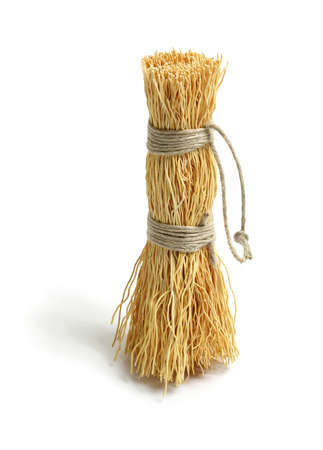
If there were an awards show for underappreciated kitchen tools, the dish washing brush would walk the red carpet in comfy shoes, wave politely, and still somehow lose to a trendy air fryer accessory. Tragic. Because this humble little scrubber does a lot more than push soap around a plate. A good dish washing brush helps remove grease, lift dried-on food, reach into awkward corners, and keep your hands a little farther away from whatever mystery sauce has been fossilizing in last night’s skillet.
More importantly, a dish washing brush is one of those small kitchen upgrades that can make everyday cleanup faster, cleaner, and less annoying. That matters because dishwashing is rarely anyone’s favorite hobby. It is usually more of a “well, this has to happen before the sink develops its own ecosystem” kind of task. The right brush can make that task easier while also helping you care for cookware, protect delicate surfaces, and build better kitchen hygiene habits.
In this guide, we will break down what a dish washing brush is, why it can outperform a sponge in many situations, how to choose the right one, how to clean it, when to replace it, and how to use it without accidentally waging war on your nonstick pan. We will also cover real-life experiences people have with dish washing brushes, because the difference between a brush that looks useful and one that actually earns sink-side residency is a very real thing.
Why a Dish Washing Brush Matters
A dish washing brush is designed to scrub away food residue and grease using bristles rather than an absorbent pad. That one difference changes a lot. Instead of soaking up water and staying damp for ages, brushes tend to drain and dry faster. That faster drying matters in a kitchen, where moisture and food residue are basically a standing invitation for bacteria to move in and unpack.
There is also the comfort factor. A handled brush gives your hand more distance from hot water, greasy messes, and crusty leftovers. If you have ever cleaned a roasting pan while your fingertips slowly surrendered to soggy dishwater, you already understand the appeal. Even better, many dish washing brushes can get into areas a sponge struggles to reach, like bottle rims, pan edges, sink corners, and the awkward curve where a mug handle meets the cup.
Another advantage is control. Bristles can be firm enough to scrub stainless steel cookware or casserole dishes without forcing you to press as hard as you would with a soft sponge. That makes a brush especially handy for cookware with stuck-on residue, baking dishes, food storage containers, and utensils with grooves or seams.
Dish Washing Brush vs. Sponge
Why many people switch to a brush
When people compare a dish washing brush with a sponge, the conversation usually starts with cleaning power and ends with hygiene. A sponge is flexible and soft, so it can be useful for wiping smooth surfaces. But it also absorbs water, traps food particles, and stays damp. A dish washing brush, on the other hand, usually dries faster and is easier to rinse thoroughly after use.
That does not mean every sponge is terrible or every brush is magical. It means the brush often has structural advantages. If you wash dishes daily, especially greasy plates, pans, lunch containers, and cutting boards, a brush can be the more practical option. It is easier to shake out, easier to hang or stand to dry, and often easier to keep from smelling like a swamp with opinions.
When a sponge still has a role
A sponge may still be useful for very delicate wiping jobs, quick countertop cleanup, or polishing a glass surface that does not need much scrubbing. But for general dishwashing, many home cooks prefer a brush because it handles grime better without living its whole life in a wet slump beside the sink.
Types of Dish Washing Brushes
Classic handled brush
This is the everyday workhorse. It usually has a comfortable handle and a round or oval brush head with medium-firm bristles. It works well for plates, bowls, pots, pans, and general sink cleanup.
Soap-dispensing dish brush
This style stores dish soap in the handle and releases it with a button or light squeeze. It is convenient for speed-cleaning a few dishes, especially if you dislike reaching for the soap bottle every thirty seconds. The tradeoff is that some models are harder to clean thoroughly or refill neatly.
Long-neck bottle brush
Tall water bottles, travel mugs, pitchers, and reusable straws have entered the chat. A bottle brush is designed for narrow openings and deep interiors, making it a smart companion to a regular dish washing brush rather than a replacement.
Palm brush
A palm brush fits in your hand instead of offering a long handle. Some people like the extra control. Others find it brings their knuckles a little too close to the action. This one is very much a personal preference situation.
Specialty scrub brushes
Some brushes are made for cast iron, produce, baby bottles, or tough cookware. Specialty brushes can be worthwhile if you cook often and need more than one level of scrubbing power.
How to Choose the Best Dish Washing Brush
Bristle strength
Medium bristles are usually the sweet spot. They are strong enough to remove food but gentle enough for everyday dishes. If the bristles are too soft, the brush will feel like it is politely negotiating with grease instead of removing it. If they are too stiff, they may be too aggressive for delicate coatings or surfaces.
Handle comfort
Look for a grip that feels secure when wet. A slippery handle turns dishwashing into a juggling act, and nobody needs that kind of excitement before coffee. A slightly angled handle can also make scrubbing pans easier on your wrist.
Head shape
Round heads are great for bowls and curved dishes. Narrow heads reach into containers and corners more easily. Some brushes have a built-in scraper edge, which can be useful for lifting stuck-on food before scrubbing.
Materials
You will find plastic, bamboo, wood, recycled materials, and natural-fiber options. Synthetic bristles are often more durable and easier to sanitize. Natural materials may appeal to eco-conscious shoppers, but they can require more careful drying and may wear differently over time.
Replaceable head or one-piece design
A replaceable-head system can reduce waste and save money over time. A one-piece brush is often simpler and may have fewer crevices where residue collects. The better option depends on whether you value convenience, sustainability, or ultra-simple cleaning.
How to Use a Dish Washing Brush Properly
Step 1: Scrape first
Before adding water or soap, scrape leftover food into the trash or compost. This small step prevents your sink from turning into soup and keeps your brush from collecting chunks that should have left the building five minutes ago.
Step 2: Sort by soil level
Wash lightly soiled items first, then move on to greasy pans and dirtier cookware. That helps keep your water cleaner longer and reduces how much grease ends up smeared across everything else.
Step 3: Use the right amount of soap
You do not need a bubble festival. A modest amount of quality dish soap is usually enough. Too much soap makes rinsing harder and can leave residue if you rush.
Step 4: Match the brush to the item
Use a standard dish washing brush for plates, bowls, utensils, stainless steel cookware, and many food containers. For nonstick cookware, use a gentler brush and avoid overly aggressive scrubbing. For cast iron, use a stiff brush with warm water and gentle scrubbing, then dry the pan thoroughly after washing.
Step 5: Rinse well and dry
After washing, rinse dishes thoroughly so no soap film remains. Then let dishes dry fully or towel-dry with a clean cloth. Clean dishes deserve a better ending than being stacked wet in a steamy tower of regret.
How to Clean a Dish Washing Brush
Your dish washing brush cleans dirty things, which means the brush itself needs cleaning too. This is the part many people forget until the brush starts looking like it has seen things.
Daily care
- Rinse the brush thoroughly after every use.
- Shake out excess water.
- Store it upright or hanging so it can air-dry.
- Do not leave it sitting in a puddle by the sink.
Weekly deeper cleaning
Depending on the material and manufacturer instructions, many synthetic dish brushes can be washed in the dishwasher. Others can be soaked in hot, soapy water and scrubbed at the base of the bristles to remove buildup. The goal is simple: get rid of grease, trapped residue, and odor before they settle in.
If your brush has a wooden handle or natural bristles, use gentler care and let it dry thoroughly after cleaning. These materials can degrade faster if they stay wet too long.
When to replace it
Replace your dish washing brush when the bristles bend permanently, shed excessively, smell bad even after cleaning, or no longer scrub effectively. A worn-out brush does not save money if it also saves food residue for later. Heavy daily use usually shortens its lifespan, while lighter use may let it last much longer.
Common Dish Washing Brush Mistakes
Using one brush for everything
It is smart to separate tasks. One brush for dishes and another for sinks, greasy stovetop parts, or pet bowls can help reduce cross-contamination and keep your everyday dish brush fresher.
Using a harsh brush on delicate cookware
Not every pan wants the same treatment. Nonstick coatings, decorative dishware, and certain specialty finishes need gentler tools. Always check manufacturer care instructions before you go into full scrubbing mode.
Letting the brush stay wet all day
A wet brush dries slowly if it is tossed flat into the sink or trapped in a container with no airflow. Store it where air can circulate.
Ignoring the handle
People often scrub the head and forget the handle. But the handle collects soap, grease, and hand grime too. Give the entire brush a quick wash during routine cleaning.
Best Uses for a Dish Washing Brush Around the Kitchen
- Everyday plates, bowls, cups, and silverware
- Stainless steel pots and sauté pans
- Glass food storage containers
- Mixing bowls with batter or sauce residue
- Colanders, strainers, and utensils with seams
- Cutting boards after hot, soapy washing
- Sink corners and drain-area surface grime
- Water bottles and mugs when paired with a bottle brush
It can also be useful for cleaning produce brushes, scrubbing dishwasher filters gently, and tackling the annoying lip around container lids where leftovers like to hide and plot their return.
Dish Washing Brush and Sustainability
If you are trying to build a lower-waste kitchen, the dish washing brush can help. A durable brush often lasts longer than a sponge, and some models offer replaceable heads instead of requiring you to toss the whole thing. Bamboo handles and plant-based fibers are also popular for people who want a less plastic-heavy setup.
That said, sustainability is not just about the material. It is also about how long the tool lasts, how well it cleans, and whether it actually gets used. The greenest brush in the world is not helpful if it falls apart after two weeks or makes dishwashing so annoying that you go back to disposable scrubbers out of frustration.
The Real-Life Experience of Using a Dish Washing Brush
People often do not become passionate about a dish washing brush until they accidentally buy a good one. Before that moment, it is just another kitchen item. After that moment, it becomes the thing you recommend with surprising sincerity while standing near someone else’s sink.
One of the first experiences many users mention is how much cleaner their hands feel. With a sponge, your fingers are usually right in the mess. You feel the oil, the soggy pasta bits, and the cold panic of touching something unidentifiable at the bottom of a bowl. A dish washing brush creates a little distance, and that distance changes the whole mood of the task. Washing dishes starts to feel less like an endurance sport and more like a manageable part of the day.
Another common experience is speed. A good brush moves quickly over plates and pans, especially when paired with a grease-cutting soap. Dried oatmeal in a breakfast bowl, sticky sauce around a saucepan rim, peanut butter in a lunch container, or coffee residue inside a mug all seem easier to tackle with bristles that can dig into edges and corners. People often say they spend less time re-scrubbing the same spots because the brush does a more thorough first pass.
Then there is the smell issue, which deserves its own tiny dramatic soundtrack. Many people switch from sponges because they are tired of that sour, damp smell that seems to appear out of nowhere. A dish washing brush is not immune to getting dirty, but users often notice it stays fresher longer if they rinse it well and let it dry upright. That alone can make the sink area feel cleaner and more pleasant.
There are also learning moments. Some people discover that a brush with bristles that are too stiff feels rough on delicate pans. Others realize a soap-dispensing model is convenient but needs regular cleaning so the handle does not get gunky. Some fall in love with a wooden-handled brush for its looks, only to find that it needs more careful drying than a fully synthetic version. In other words, the experience improves when the brush matches the way you actually cook and clean.
For families, the dish washing brush often becomes part of a system. One brush lives by the sink for plates and cookware. Another handles bottles or reusable tumblers. A third may be reserved for the sink itself. That kind of separation is practical and oddly satisfying. It makes the kitchen feel less chaotic and helps everyone know what tool goes where.
Perhaps the biggest experience-related truth is this: a dish washing brush works best when it fits naturally into your routine. The best one is not necessarily the fanciest or most photogenic. It is the one you reach for automatically, the one that cleans well without scratching, the one that rinses fast, dries well, and does not make you mutter under your breath while attacking a casserole dish. When a kitchen tool quietly makes daily life easier, that is real value. And for something as ordinary as washing dishes, that is honestly a pretty big win.
Final Thoughts
A dish washing brush is a simple tool, but it can have an outsized effect on how clean your kitchen feels and how easy dishwashing becomes. It offers better reach, faster drying, and stronger scrubbing for many everyday tasks. It can also support better kitchen hygiene habits when you clean it regularly, let it dry properly, and replace it before it becomes tired and tragic.
If your current dishwashing routine involves a smelly sponge, too much scrubbing, or the emotional burden of touching mysterious sink sludge, upgrading to a dish washing brush is a very small change with very satisfying results. It may not revolutionize your life. But it can absolutely improve your sink situation, and that is more heroic than it sounds.