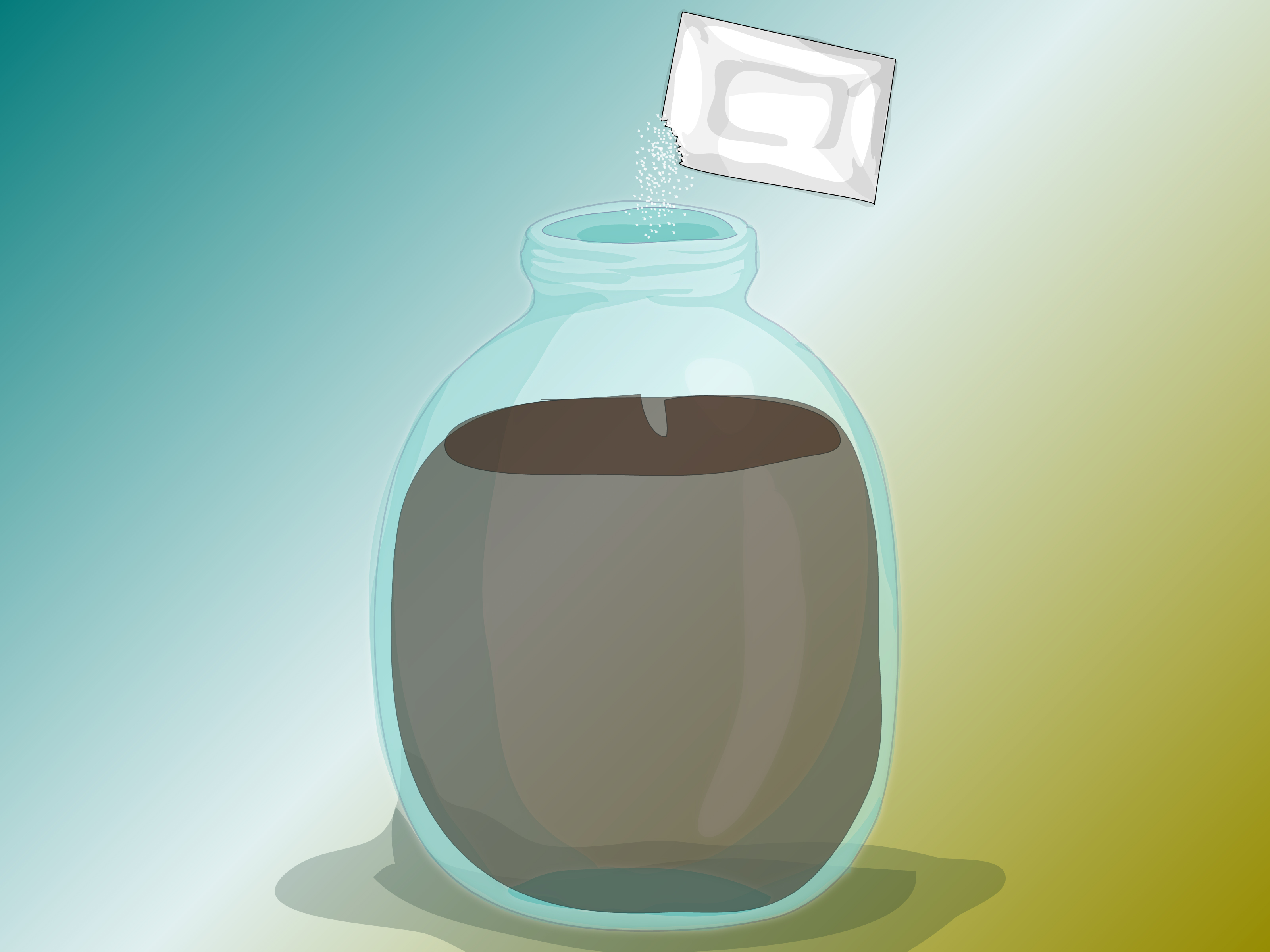
Note: This article explains how rum is made in legal, regulated distilleries. It is not a home-distilling manual. In the United States and many other places, making distilled spirits for drinking requires proper permits, equipment, tax compliance, safety controls, and local approval. If you want a home-friendly project, skip the still and make a rum infusion with legally purchased rum instead.
Introduction: Rum Begins With Sugarcane and Ends With Character
Rum is the rare spirit that can taste like a beach vacation, a bakery, a spice cabinet, a campfire, or a funky tropical fruit stand that somehow got invited to a black-tie dinner. At its core, rum is made from sugarcane productsusually molasses, sugarcane juice, sugarcane syrup, or other cane by-products. Through fermentation, distillation, maturation, blending, and bottling, those sweet raw materials become one of the most diverse spirits in the world.
So, how do you make rum? The short answer is: start with sugarcane, ferment its sugars into alcohol, distill the fermented liquid, age or rest the spirit, blend it for balance, and bottle it safely and legally. The longer answer is much more interesting, because each decision changes the final flavor. A molasses-based rum can become rich and dark with notes of brown sugar, banana bread, and baking spice. A fresh cane juice rum may taste grassy, floral, earthy, and bright. A pot-still rum may shout with personality, while a column-still rum may glide across the palate like it owns a silk robe.
This guide walks through the commercial rum-making process in depth, from raw material selection to aging and blending. It also explains legal and safety considerations, common rum styles, and practical experience-based lessons for anyone who wants to understand the craft without accidentally turning the garage into a questionable science fair.
What Is Rum?
Rum is a distilled spirit made from fermented sugarcane-derived material. In the U.S. standard of identity, rum must come from fermented sugarcane juice, sugarcane syrup, sugarcane molasses, or other sugarcane by-products. It must also be distilled below a very high proof threshold so it keeps the taste, aroma, and character associated with rum, then bottled at a minimum strength typically associated with spirits.
That definition matters because rum is not just “sweet liquor.” In fact, most rum is not sugary by default. The sweetness people associate with rum often comes from the aroma of molasses, barrel aging, vanilla-like oak compounds, caramelized notes, or added flavoring in spiced and flavored rums. A dry white rum can taste crisp and clean. A heavy Jamaican-style rum can taste bold, funky, fruity, and almost mischievous. A well-aged sipping rum can feel like a leather chair in a library where someone hid a banana flambé.
The Main Ingredients Used to Make Rum
1. Molasses
Molasses is the thick, dark by-product left after sugar crystals are extracted from sugarcane juice. It is the most common base for rum production because it is concentrated, flavorful, and historically abundant in sugar-producing regions. Molasses-based rum often carries deep notes of caramel, toffee, dried fruit, licorice, roasted nuts, and dark baking spices.
2. Fresh Sugarcane Juice
Some rums, especially rhum agricole and certain cane-juice rums, are made from fresh-pressed sugarcane juice. This style tends to be more grassy, herbal, floral, and earthy. Because fresh cane juice can spoil quickly, distilleries that use it usually operate close to sugarcane fields and process the juice soon after harvest.
3. Sugarcane Syrup or Cane Honey
Some producers use reduced sugarcane juice, often described as cane syrup or cane honey. This base can offer a middle ground between molasses richness and fresh cane brightness. It is easier to store than fresh juice but can still preserve some of the character of the cane.
4. Water
Water is not glamorous, but it is crucial. Distilleries use water to dilute molasses or cane syrup before fermentation, to manage proof after distillation, and to bring the final rum to bottling strength. Mineral content can affect fermentation performance and mouthfeel, which is why many producers treat water as part of their house style.
5. Yeast
Yeast is the tiny worker bee of rum-making. It consumes sugar and produces alcohol, carbon dioxide, and flavor compounds. Some distilleries use carefully maintained yeast strains for consistency. Others encourage longer fermentations or controlled wild influences to create more complex, funky aromas. Yeast may be microscopic, but in rum, it has a loud personality.
The Commercial Rum-Making Process
Step 1: Selecting and Preparing the Sugarcane Base
Rum begins with choosing the right sugarcane material. Molasses must be assessed for sugar content, mineral balance, cleanliness, and flavor. Fresh cane juice must be pressed quickly and handled carefully to avoid spoilage. Cane syrup must be diluted to a fermentable concentration. In commercial production, this stage is measured and controlled because fermentation depends on a healthy sugar source.
The goal is not simply to create alcohol. The goal is to build a flavorful foundation. Heavy molasses can create deep, robust rum, while fresh cane juice can create a more aromatic, terroir-driven spirit. A distillery’s raw material choice is like choosing the lead actor in a movie: everything else supports that performance.
Step 2: Fermentation
Fermentation is where sugar becomes alcohol. The prepared sugarcane base is combined with water and yeast in fermentation tanks. As yeast consumes sugar, it produces alcohol and a wide range of flavor compounds, including esters, acids, and congeners. These compounds help shape rum’s fruity, floral, spicy, earthy, or funky character.
Fermentation can be short and clean, producing a lighter base for crisp rum. It can also be longer and more expressive, creating heavier aromas and more dramatic flavors. Some producers value a clean, controlled fermentation because it makes a versatile spirit for blending and cocktails. Others intentionally develop big, bold fermentations because they want rum that enters the room wearing sunglasses indoors.
Step 3: Distillation
After fermentation, the resulting liquid is relatively low in alcohol. Distillation concentrates the alcohol and separates desirable aromas from unwanted components. Commercial distilleries typically use pot stills, column stills, or a combination of both.
Pot stills are often associated with heavier, richer, more aromatic rums. They can preserve more flavor from the fermented wash, which is why pot-still rums often have body, texture, and a long finish. Column stills can produce lighter, cleaner, more consistent spirits. They are efficient and widely used for modern rum production. Many excellent rums combine different distillation styles, blending pot-still weight with column-still elegance.
This is also the point where legal and safety controls become essential. Distillation involves flammable alcohol vapor, specialized equipment, accurate monitoring, and regulated handling. That is why this article treats distillation as a commercial process, not a kitchen project. A loaf of sourdough is a hobby. A still full of alcohol vapor is not the place to freestyle.
Step 4: Resting or Aging
Freshly distilled rum may be rested in stainless steel, aged in oak barrels, or moved through a combination of vessels. Unaged white rum may be filtered and blended to create a clean, bright profile. Barrel-aged rum develops color, aroma, and texture from wood contact.
Oak aging can contribute vanilla, coconut, caramel, spice, toast, smoke, dried fruit, and tannin. In warm climates, rum often matures quickly because heat accelerates interaction between spirit and wood. The downside is evaporation, famously called the “angel’s share.” Apparently, angels enjoy a good barrel program.
Many rum producers use ex-bourbon barrels, but other cask types may appear, including wine, sherry, cognac, or new oak barrels. Aging time alone does not guarantee quality. A younger rum can be vibrant and delicious, while an older rum can become overly woody if not managed well. Barrel selection, climate, warehouse position, and blending skill all matter.
Step 5: Blending
Blending is one of the most important parts of rum-making. A blender may combine rums of different ages, still types, fermentation styles, barrel types, and flavor profiles to create balance. One component may add aroma. Another may add body. Another may bring oak spice. Another may soften the finish.
Think of blending as editing a novel. The raw material may be beautiful, but the final result needs structure. A great blend has a beginning, middle, and end: inviting aroma, satisfying palate, and a finish that makes the next sip seem like a reasonable life decision.
Step 6: Proofing and Bottling
After blending, rum is usually diluted with water to bottling strength. This step must be done carefully because adding water can change aroma, texture, and clarity. Some rums are filtered before bottling. Some are lightly colored for consistency. Spiced and flavored rums may include natural spices, fruit, vanilla, caramel, or other approved flavoring ingredients, depending on regulations and brand style.
Finally, the rum is bottled, labeled, and prepared for sale. In regulated markets, labels must follow rules about alcohol content, product identity, producer information, health warnings, and other required details. Making rum is not only an art and science; it is also paperwork wearing a pirate hat.
Common Types of Rum
White Rum
White rum is typically light in color and often used in cocktails such as the Daiquiri, Mojito, and Piña Colada. It may be unaged, briefly aged, or aged and then filtered to remove color. Good white rum should not taste empty; it should be clean, balanced, and expressive enough to stand up to citrus and sugar.
Gold or Amber Rum
Gold rum usually has some barrel influence or added color, giving it a warmer tone and richer flavor. It works well in punches, simple mixed drinks, and cooking. Expect notes such as vanilla, caramel, light spice, and toasted sugar.
Dark Rum
Dark rum is often associated with deeper color and bolder flavor. It may be barrel-aged, colored, blended, or flavored depending on the producer. The best dark rums bring depth rather than just sweetness, offering notes of molasses, coffee, charred oak, dried fruit, and spice.
Aged Rum
Aged rum is designed for sipping or premium cocktails. It may show complex layers of oak, tropical fruit, cocoa, leather, tobacco, vanilla, and baking spice. Age statements can be useful, but they should not be the only buying guide. Production method, blending philosophy, and transparency matter too.
Spiced Rum
Spiced rum is flavored with ingredients such as vanilla, cinnamon, clove, nutmeg, citrus peel, ginger, or pepper. Some spiced rums are balanced and cocktail-friendly. Others are basically dessert wearing a captain’s jacket. Choose based on how you plan to use it.
Rhum Agricole and Cane-Juice Rum
Rhum agricole and other cane-juice rums are made from fresh sugarcane juice rather than molasses. They often taste grassy, earthy, floral, peppery, and vibrant. They are excellent in simple drinks where the rum’s character can shine.
Can You Make Rum at Home?
You can legally make many food and drink projects at home, but distilled spirits are different. In the United States, beverage distillation is heavily regulated, and producers generally need proper federal qualification, state licensing, safe facilities, and tax compliance. Rules can change, and court decisions may affect enforcement in specific jurisdictions, but the practical advice remains simple: do not distill rum at home unless you have confirmed that you are legally allowed to do so and have the proper permits and safety systems.
However, you can explore rum flavor safely by making infusions with legally purchased rum. For example, you can steep a bottle of white or gold rum with orange peel, vanilla bean, cinnamon, toasted coconut, coffee beans, or dried fruit. Taste it regularly, strain it when the flavor is balanced, and use it in cocktails or desserts. This will not make true rum from scratch, but it can teach you a lot about flavor extraction, balance, and aroma without breaking laws or flirting with a fire hazard.
What Makes Great Rum?
Quality Raw Materials
Great rum starts with clean, flavorful sugarcane material. Poor molasses or spoiled cane juice can create harsh flavors that no barrel can fully hide. The better the base, the better the chance of producing a balanced spirit.
Controlled Fermentation
Fermentation is where much of rum’s personality is born. Temperature, yeast strain, nutrient balance, fermentation length, and microbial control all influence flavor. Clean fermentation can make elegant rum. Funky fermentation can make thrilling rum. Failed fermentation can make something that smells like a swamp filed a complaint.
Thoughtful Distillation
Distillation shapes texture, intensity, and purity. A distiller must decide what character to preserve and what to leave behind. This is where technical knowledge meets sensory judgment.
Smart Aging
Oak can polish rum, but it can also dominate it. The best producers match spirit style to barrel type, climate, and aging time. A delicate spirit may need gentle wood influence. A heavy pot-still rum may thrive with longer maturation.
Skillful Blending
Blending turns individual components into a finished rum with harmony. It can make a young rum taste complete, an aged rum taste balanced, and a complex rum taste intentional rather than chaotic.
Practical Examples of Rum Flavor Development
A light column-still rum made from molasses and aged briefly may show clean notes of sugarcane, citrus, vanilla, and light spice. It is ideal for Mojitos and Daiquiris because it supports fresh ingredients without stealing the microphone.
A pot-still molasses rum with longer fermentation may deliver banana, pineapple, leather, overripe fruit, and baking spice. This style can transform a simple rum punch into something with real personality.
A cane-juice rum may taste grassy, peppery, herbal, and mineral. It works beautifully with lime and a little sugar because the freshness of the cane remains front and center.
A long-aged blended rum may combine several marks from different barrels, producing layers of vanilla, oak, caramel, dried orange peel, cocoa, tobacco, and roasted nuts. This is the kind of rum you sip slowly while pretending you understand nautical maps.
Experience Notes: What Making Rum Teaches You About Patience, Flavor, and Humility
Anyone who studies how rum is made quickly learns that the process rewards patience more than shortcuts. On paper, rum production looks linear: sugarcane base, fermentation, distillation, aging, blending, bottling. In real life, each stage behaves like a living conversation. Molasses varies from batch to batch. Cane juice changes with harvest timing. Yeast can be cooperative one week and dramatic the next. Barrels age at their own pace. A warehouse can make two barrels from the same batch taste surprisingly different just because one sat in a hotter corner.
The first major lesson is that aroma tells the story before taste does. Fresh molasses smells dense and earthy, almost like brown sugar mixed with minerals and roasted fruit. Fermentation adds movement: bubbles, heat, fruitiness, acidity, and sometimes a wild tropical funk. Even without tasting anything, you can sense whether the process is clean, sluggish, lively, or stressed. Good producers learn to smell trouble early.
The second lesson is that rum is more flexible than many people assume. Whiskey is often discussed through grain bills and barrel rules. Tequila is tied closely to agave. Rum, however, has a wider creative playground. Molasses rum, cane-juice rum, pot-still rum, column-still rum, unaged rum, long-aged rum, spiced rum, and blended rum can all belong to the same family while tasting wildly different. That variety is exciting, but it also means the producer must have a clear goal. “Let’s make rum” is not specific enough. The better question is: what kind of rum, for what drinker, and for what occasion?
The third lesson is that barrels are powerful but not magical. Newcomers sometimes imagine that enough oak can fix anything. It cannot. A flawed spirit may become an older flawed spirit with wood flavor on top. Great aging starts with a distillate worth aging. The barrel should frame the rum, not bury it. When oak, fruit, spice, sweetness, and alcohol warmth work together, aged rum feels rounded and generous. When they do not, the spirit can feel bitter, hot, thin, or sticky.
The fourth lesson is that blending is where humility enters the room. A single barrel may be impressive but incomplete. One rum may have a beautiful nose and a short finish. Another may have weight but not brightness. Another may bring spice but too much heat. Blending teaches that excellence is often collaborative. The final rum is not always the loudest component. It is the combination that tastes complete.
Finally, rum teaches respect for legality and safety. It is easy to romanticize the idea of homemade spirits, especially because rum has a pirate-adjacent image. But professional rum-making depends on permits, fire-safe facilities, trained operators, accurate records, controlled equipment, and responsible alcohol handling. The romantic part is the flavor. The responsible part is everything that keeps people safe.
For enthusiasts, the best experience may be learning through tasting. Compare a molasses-based white rum with a cane-juice rum. Try a pot-still rum next to a column-still rum. Taste a young rum beside an older blend. Make a simple Daiquiri and notice which rum disappears and which one sings. This kind of exploration builds practical understanding without requiring a distillery. And frankly, it is much more enjoyable than explaining to your neighbors why there is smoke coming from the shed.
Conclusion: Rum Is Simple in Theory, Complex in Practice
Learning how to make rum means understanding a chain of decisions. Sugarcane provides the foundation. Yeast creates alcohol and aroma. Distillation concentrates character. Aging adds depth. Blending creates balance. Bottling delivers the final personality to the glass.
The process may sound straightforward, but great rum is never accidental. It comes from raw material knowledge, fermentation control, distillation skill, barrel management, blending talent, and legal responsibility. Whether you enjoy crisp white rum in cocktails, grassy cane-juice rum with lime, funky pot-still rum in punch, or elegant aged rum neat, every bottle reflects choices made long before the cork was pulled.
If you are curious about rum-making, start as a thoughtful taster. Learn the styles. Read labels. Visit legal distilleries. Experiment with safe rum infusions using purchased spirits. The more you understand the craft, the more every glass becomes a small tropical history lessonwith better lighting and, ideally, a lime wedge.