Some tableware wants to impress you from across the room. It arrives polished, coordinated, and so perfectly matched that you almost feel guilty putting actual food on it. La Nouvelle Table from Merci in Paris takes the opposite route. It is relaxed instead of rigid, layered instead of locked in, and charmingly imperfect instead of showroom-stiff. In other words, it feels very wabi-sabi.
That is exactly why this collection continues to stand out in the crowded world of dinnerware and tabletop design. At a time when many people want homes that feel warmer, slower, and less staged, La Nouvelle Table offers a visual language that makes room for texture, irregularity, and the kind of easy hospitality that does not require a six-hour napkin-folding seminar. It turns the table into a living thing, not a museum display.
This is also what makes Merci the perfect home for the collection. The Paris concept store has long been known for mixing utility with beauty, global inspiration with everyday practicality, and editorial cool with a genuinely lived-in atmosphere. La Nouvelle Table fits that spirit almost too well, like it was born to sit between a stack of linen napkins, a loaf of crusty bread, and one friend who always says, “Let’s just order everything and share.”
What Wabi-Sabi Really Means in Design
Before talking about plates and bowls, it helps to understand why the phrase wabi-sabi style matters here. Wabi-sabi is often described as the beauty of imperfection, impermanence, and simplicity. In interiors, that usually means natural materials, subtle asymmetry, visible texture, and a preference for objects that feel human rather than machine-perfect. A chipped edge, a softened glaze, a weathered finish, or a shape that looks slightly irregular can all add character rather than subtract value.
That sounds philosophical, and it is, but it is also practical. Wabi-sabi creates spaces that feel calmer because they do not demand flawlessness. Your home does not have to look like it has never hosted dinner. Your table does not need to look like a catalog page where nobody has ever dropped olive oil on a linen runner. Wabi-sabi lets life leave fingerprints, and somehow that makes everything more beautiful.
In design terms, the style usually leans toward earthy colors, organic silhouettes, tactile surfaces, handmade or hand-finished objects, and an overall sense of restraint. It is minimal, but not cold. Rustic, but not sloppy. Elegant, but never trying too hard. That balance is where La Nouvelle Table becomes especially interesting.
What La Nouvelle Table Is, Exactly
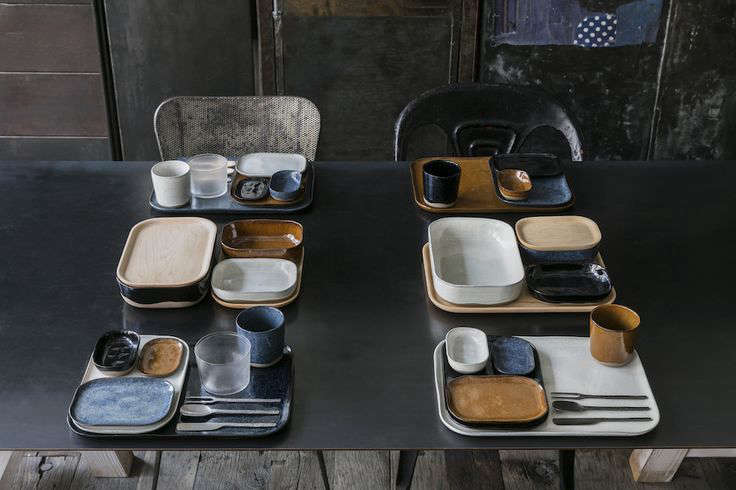
La Nouvelle Table is a tabletop collection associated with Merci and developed with Serax, the Belgian design brand known for elevating everyday objects. The line includes plates, bowls, cups, glassware, and smaller utensils that feel intentionally scaled for modern eating habits. Some pieces are rectangular, some are deeper and softer in profile, and many of them seem designed to interact with one another rather than sit in formal isolation.
That is part of the collection’s appeal. Instead of pushing the old-school idea that every place setting must be identical and every course must arrive on cue like a dinner-theater performance, La Nouvelle Table embraces modularity. Pieces can be mixed, stacked, grouped, and layered. Some read like building blocks for tapas, snacks, side dishes, shared plates, and casual suppers where one thing leads to another and dessert shows up because nobody had the courage to say no.
The collection has often been described as a response to the way people eat now: more communally, more informally, more flexibly, and sometimes in smaller spaces. That shift matters. We are no longer all dining under chandeliers with dedicated soup spoons and a butler named Charles. Many of us are eating at kitchen islands, low tables, breakfast nooks, or tiny urban dining corners where dinner can turn into drinks and then somehow become a cheese situation. La Nouvelle Table understands that rhythm.
Why It Feels So Deeply Wabi-Sabi
1. The Shapes Are Organic, Not Overcontrolled
One of the strongest wabi-sabi qualities in La Nouvelle Table is the shape language. Rounded corners, softened edges, and slightly irregular silhouettes make the collection feel grounded and tactile. Nothing screams for attention, but everything invites touch. That matters in tabletop design, where the difference between “beautiful” and “beautiful enough to use every day” is often texture and proportion.
These are pieces that look good even before food arrives. Better yet, they still look good after the meal is halfway over and one bowl holds olive pits while another has the last spoonful of lentils. That is a real test of design. Wabi-sabi objects should become more convincing in use, not less.
2. The Color Palette Is Quiet but Not Boring
Another reason the collection works is its restrained palette. Deep blues, browns, off-whites, and darker tones create the kind of grounded visual mood that wabi-sabi lovers crave. These are not colors that shout across the room. They hum. They settle. They make roasted vegetables look dramatic and butter look almost spiritual.
Muted, earthy colors are central to wabi-sabi interiors because they connect design back to nature. Clay, stone, wood, soot, linen, sand, and shadow all live in this palette. La Nouvelle Table taps into that atmosphere beautifully. The result is a table that feels collected and composed without looking calculated.
3. The Materials Have Soul
Wabi-sabi style is almost always tied to natural or tactile materials, and La Nouvelle Table leans into that beautifully. Stoneware and earthenware surfaces bring weight, warmth, and visual depth. Glassware adds transparency without feeling too polished. The smaller utensils, with their hammered look and scaled-down proportions, add an extra note of playfulness.
What makes these materials special is not just how they look fresh out of the box. It is how they age. A strong wabi-sabi object gets better with time because time becomes part of the design. Tiny shifts in finish, subtle wear, and the evidence of repeated use do not ruin the object. They complete it.
Merci in Paris: The Perfect Setting for the Collection
You could argue that La Nouvelle Table would still be stylish anywhere, but it makes special sense at Merci. The Paris store is famous for presenting objects in a way that feels editorial, emotional, and completely unpretentious. It is less like walking into a traditional retail space and more like stepping into a beautifully opinionated home where every object seems to have a backstory.
That environment matters because wabi-sabi is not just about the object. It is about context. A bowl on a sterile shelf can look merely rustic. The same bowl on a wood table beside washed linen, a glass of water, and a loaf of bread starts to feel poetic. Merci has always been skilled at this kind of storytelling. It frames products as part of a lifestyle built around curiosity, utility, beauty, and lived experience.
La Nouvelle Table also reflects Merci’s larger design philosophy. The store has long favored objects that are useful, emotionally resonant, and slightly eclectic. It resists the overly coordinated look that can make interiors feel generic. That aligns perfectly with wabi-sabi, which values character over conformity and presence over polish.
The Collection’s Smartest Idea: Dining as a Flexible Ritual
One of the most compelling aspects of La Nouvelle Table is the way it rethinks the act of dining itself. Traditional dinnerware assumes a neat progression: plate, course, formality, order. This collection assumes life is messier and more fun. People snack, share, graze, stand, pass plates around, sit down late, and change plans mid-meal. The design accommodates that with remarkable ease.
That makes the collection feel current without chasing trends. It supports small plates, communal eating, and mixed-use hosting in a way that mirrors contemporary urban life. Even when you are serving something simple, the arrangement can feel layered and intentional. A rectangular plate becomes a canvas for olives and cheese. A deeper bowl makes soup, noodles, or berries feel equally at home. A small utensil suddenly makes aperitif hour feel like an event.
And yet the collection never tips into gimmick territory. There is no novelty for novelty’s sake. The pieces are distinctive, but they remain useful. That is hard to pull off. Many design-forward table collections look fantastic in photos and become mildly annoying in real life. La Nouvelle Table generally avoids that trap because its design logic comes from behavior, not decoration alone.
How to Bring the Look Home
Let Go of the Perfect Matching Set
If you love the spirit of La Nouvelle Table, the first lesson is simple: stop trying to make every place setting identical. Matching can be elegant, but too much coordination can flatten personality. Wabi-sabi thrives on variation. Mix shapes, layer heights, and allow a little visual imbalance. The goal is harmony, not uniformity.
Choose Texture Over Shine
Glossy perfection is not the star here. Look for surfaces with depth: matte glazes, hammered metal, wrinkled linen, unfinished wood, or glass with subtle distortion. These details make a table feel intimate and real. Texture is what gives a quiet palette its richness.
Use Color Like a Whisper
You do not need a rainbow to make a table interesting. A few earthy tones can do more work than a cabinet full of bright patterns. Off-white, ink blue, brown, charcoal, sand, and muted green all help create that relaxed, layered feeling that wabi-sabi does so well.
Embrace Everyday Rituals
Wabi-sabi is not reserved for dinner parties. In fact, it often works best in ordinary moments: morning coffee, sliced fruit at 4 p.m., toast eaten over the sink but on a plate nice enough to make the moment feel slightly less chaotic. La Nouvelle Table’s charm comes from its ability to elevate daily use, not just special occasions.
Pros, Quirks, and Why People Still Talk About It
The biggest strength of La Nouvelle Table is that it makes restraint feel warm. It gives you a curated look without forcing your home into a sterile aesthetic. It photographs beautifully, yes, but more importantly, it supports the kind of imperfect entertaining that many people actually want.
Its only possible downside is that the style is subtle. Anyone looking for dramatic pattern, glossy maximalism, or strict formal dining energy may find it too understated. But that is also the point. This collection is not trying to be loud. It is trying to be lasting.
And that may be why it still resonates. In a world of fast trends and algorithm-approved sameness, La Nouvelle Table offers a gentler proposition: live well, set the table with intention, and let beauty come from use, atmosphere, and the occasional irregular edge. Frankly, that is more comforting than another perfect plate ever could be.
Final Thoughts
Wabi-Sabi Style: La Nouvelle Table from Merci in Paris is not just a story about beautiful dishware. It is a story about how design changes when it starts with real life instead of fantasy. This collection understands that meals are social, spaces are layered, and beauty does not need to be flawless to feel luxurious.
That is what makes it memorable. It combines the calm of wabi-sabi with the curiosity of a Paris concept store and the practicality of modern dining. The result is a tabletop language that feels sophisticated without becoming stiff, artistic without becoming impractical, and imperfect in exactly the right way.
If your dream table looks more like a thoughtful gathering than a formal performance, La Nouvelle Table is easy to admire. It reminds us that the best design does not just decorate a meal. It changes the mood around it.
Experience: Sitting Down with La Nouvelle Table at Merci in Paris
Walking into Merci with La Nouvelle Table in mind feels a little like stepping into a design essay that somehow learned how to serve lunch. The first impression is not grand in the traditional luxury sense. It is warmer than that, more layered, more observant. You notice the light, the materials, the calm disorder that is not really disorder at all. Then you notice the tableware, and suddenly the whole room starts making sense.
What strikes you first is how unforced it feels. The plates are not lined up like soldiers waiting for inspection. They sit in combinations that look discovered rather than dictated. A deep blue bowl next to an off-white plate, a smaller vessel tucked into a larger composition, glass that catches the light without becoming flashy. It all feels like someone with excellent taste set the table quickly, instinctively, and with enough confidence not to over-explain it. That confidence is part of the magic.
The experience of seeing La Nouvelle Table in Paris is not only visual. You begin imagining the sound of the pieces in use: the soft tap of a spoon against stoneware, the clink of a small glass, the shuffle of shared dishes moving across a table during a long lunch. It feels designed for meals that evolve naturally. You can picture olives arriving first, then bread, then a salad nobody expected to love this much, then something warm and slow-cooked, then espresso, then one more conversation when everyone should probably leave but no one really wants to.
That is where the wabi-sabi feeling becomes real. The collection does not ask you to admire perfection from a distance. It asks you to participate. You can imagine a glaze looking slightly different in evening light, a bowl gaining more charm after repeated use, a setting becoming more personal as pieces are mixed over time. The beauty is not trapped in the first moment. It grows through repetition, through handling, through meals that leave evidence behind.
There is also something distinctly Parisian about the whole experience, though not in the clichéd sense of berets and dramatic sighing over espresso. It is Parisian in the way it merges style with daily life. Nothing feels separated into “beautiful things” and “useful things.” The beautiful thing is the useful thing. The atmosphere tells you that good design belongs in ordinary hours, not just staged occasions.
By the time you leave, La Nouvelle Table does not feel like a simple tabletop collection anymore. It feels like a quiet argument for a better way of living: slower, more tactile, less obsessed with perfection, and much more interested in how people actually gather. And honestly, that may be the most memorable part. You do not come away thinking only about plates. You come away thinking about how you want dinner to feel.