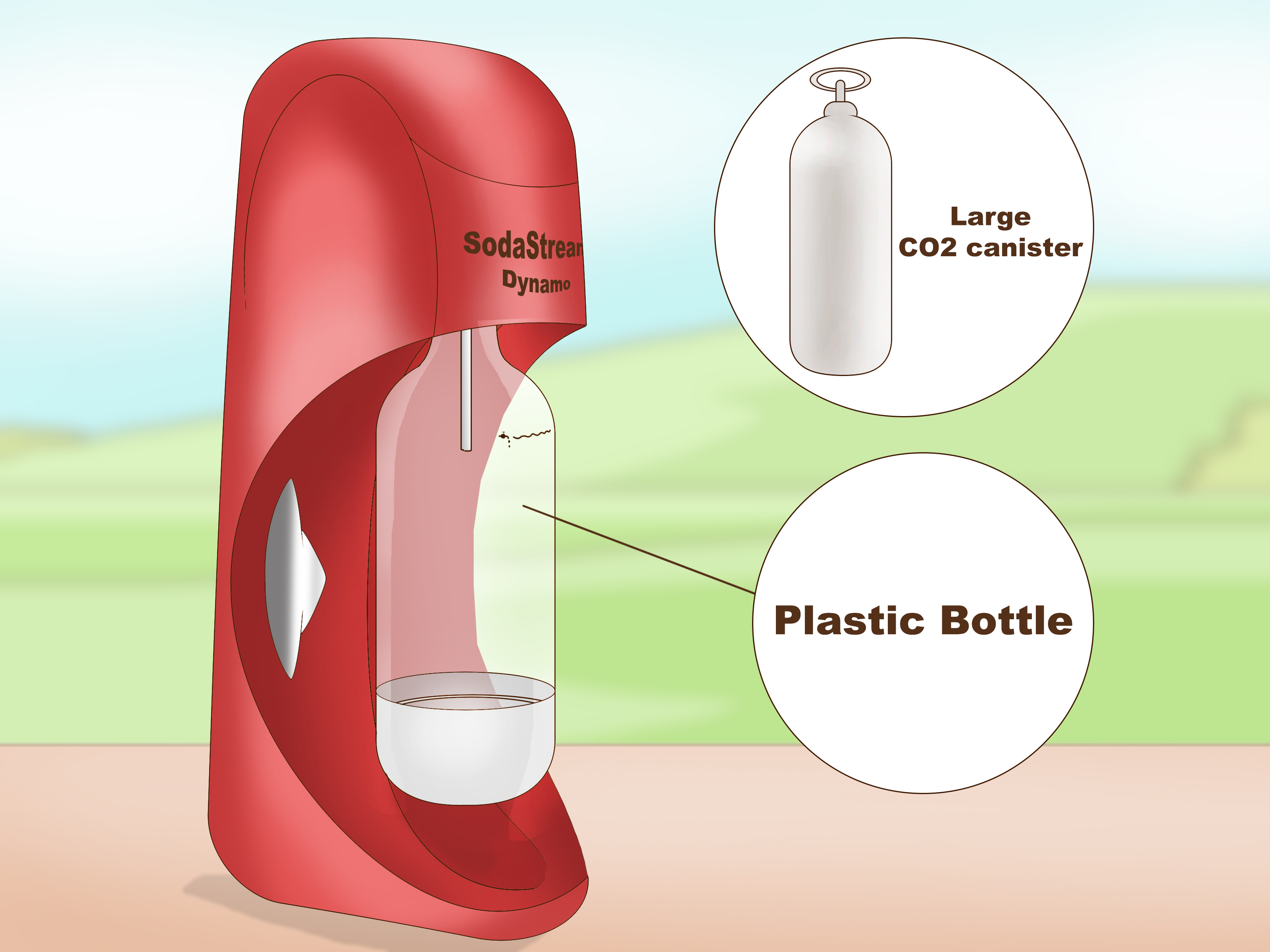
Important note: This article does not provide instructions for putting wine into a SodaStream. SodaStream machines are designed to carbonate water only, and using wine or other liquids can cause foaming, overflow, clogged parts, and warranty problems. Instead, this guide explains what people usually mean when they search “how to SodaStream wine,” why it is not recommended, and what safer, smarter alternatives exist for adults who want bubbly-style flavor without turning the kitchen into a grape-scented geyser.
Introduction: The Viral Idea That Sounds Better Than It Works
At first glance, the idea sounds almost too clever: take ordinary wine, pop it into a SodaStream, press a button, andta-da!instant sparkling wine. It is the kind of kitchen shortcut that feels like it should come with dramatic music and a tiny chef’s kiss.
Unfortunately, this is one of those ideas that looks fun online but becomes less charming when liquid foam starts climbing into the machine like it has rent to pay. SodaStream wine experiments are popular because sparkling wine feels festive, and home carbonation feels simple. But the two do not mix as neatly as a viral video might suggest.
SodaStream machines are engineered for plain water. Wine contains alcohol, acids, sugars, tannins, pigments, and tiny compounds that affect foam, aroma, and pressure behavior. In plain English: water behaves. Wine has opinions.
So, if you landed here looking for a “10-step” guide, here is the honest version: the best 10 steps are the ones that help you avoid damaging your machine, making a sticky mess, or creating a risky pressure situation. Let’s break it down in a helpful, practical, and slightly bubble-obsessed way.
Can You SodaStream Wine?
The simple answer: you should not carbonate wine in a SodaStream. The company’s guidance is clear that SodaStream sparkling water makers are meant for water only. Carbonating other liquids may cause overflow, mess, or damage, and it can invalidate warranty protection.
The reason is not just corporate caution. It is basic carbonation science. Carbon dioxide dissolves into liquid under pressure. When that pressure is released, bubbles form. Water has relatively few foam-promoting ingredients, so it can usually release pressure predictably. Wine, on the other hand, can foam fast because it contains compounds that encourage bubbles to form and rise.
That is why sparkling wine is normally made under controlled winemaking conditions using proper equipment, appropriate bottles, and carefully managed pressure. A countertop water carbonator is not the same thing as professional sparkling wine production. One belongs in your kitchen. The other belongs in a winery with equipment that does not panic when grapes get dramatic.
How to SodaStream Wine: 10 Safer Steps to Follow Instead
These 10 steps are not instructions for carbonating wine. They are a safety-first roadmap for understanding the topic, protecting your equipment, and choosing better alternatives.
Step 1: Read the Machine’s “Water Only” Rule
Before experimenting with any appliance, start with the manufacturer’s instructions. SodaStream repeatedly advises users to carbonate water only. This matters because home carbonation machines rely on specific bottle design, pressure limits, and release mechanisms.
Wine is not just “water with personality.” It has alcohol, acidity, sugar, aroma compounds, and sometimes sediment. These factors can change how the liquid foams and how it behaves under pressure.
Step 2: Understand Why Wine Foams More Than Water
When carbon dioxide enters a liquid, it looks for places to form bubbles. In scientific terms, these are called nucleation sites. In normal-person terms, they are tiny bubble launchpads.
Wine can contain microscopic particles and organic compounds that give bubbles plenty of opportunities to form. That can lead to rapid foaming when pressure is released. Instead of elegant bubbles, you may get a fizzy eruption. It is less “champagne toast” and more “science fair volcano, but sticky.”
Step 3: Do Not Put Wine in a Standard SodaStream Bottle
SodaStream bottles are intended for carbonating water according to fill lines and device instructions. Using wine or other non-water liquids may cause liquid to push upward into the nozzle or machine body.
This can create a cleaning problem and may affect the machine’s function. Even if nothing dramatic happens the first time, residue from sugar, acids, and wine pigments can remain in places that are difficult to clean.
Step 4: Do Not Try to “Go Slowly” as a Safety Hack
Some online experiments suggest using tiny bursts of carbonation or filling the bottle less. That may reduce mess in some cases, but it does not change the main issue: the machine is not designed for wine.
A risky method done slowly is still a risky method. Pressing the button with confidence does not magically turn a water carbonator into winery equipment. Confidence is lovely; physics remains unmoved.
Step 5: Know the Difference Between Sparkling Wine and Carbonated Wine
Sparkling wine can be made in several ways. Traditional sparkling wine often gets its bubbles from secondary fermentation in a sealed bottle or tank. Some products are made with direct carbonation using specialized equipment.
That difference matters because professional producers control pressure, temperature, filtration, packaging, and safety. They also use containers designed for sparkling beverages. A standard still-wine bottle or a home water carbonator is not automatically safe for sparkling-style pressure.
Step 6: Choose Commercial Sparkling Options When Appropriate
For adults who can legally consume alcohol, professionally made sparkling wine is the safer and better-quality choice. It is produced with equipment built for carbonation and pressure control.
Commercial sparkling wines also offer a range of styles, from crisp and dry to lightly sweet and fruity. That means you do not need to force bubbles into still wine at home to get a bubbly experience.
Step 7: Try Sparkling Water Pairings Instead
If the goal is a lighter, bubbly drink experience, carbonating water and pairing it with food is a safe use of a SodaStream. Sparkling water can brighten rich meals, cleanse the palate, and feel festive without putting non-water liquids into the machine.
You can also add flavor after carbonation. For example, carbonate plain cold water first, then pour it into a glass and add citrus, herbs, fruit slices, or a non-alcoholic mixer. The key order is simple: carbonate water first, flavor later.
Step 8: Consider Non-Alcoholic Sparkling Alternatives
There are many sparkling non-alcoholic drinks that deliver the same celebratory pop without alcohol. Sparkling grape juice, alcohol-free sparkling wine-style beverages, flavored seltzers, and botanical sparkling drinks can all provide bubbles without risky appliance experiments.
For family gatherings, parties, or casual dinners, these options are also more inclusive. Nobody has to explain why the kitchen smells like exploded merlot.
Step 9: Keep the SodaStream Clean and Simple
The best way to extend the life of a SodaStream is to use it as intended. Carbonate fresh cold water, avoid overfilling, use compatible bottles, and keep the machine clean and dry.
Sticky liquids can leave residue. Dark liquids can stain. Sugary liquids can create unpleasant buildup. Wine manages to check several of those boxes at once, which is impressive but not helpful.
Step 10: Treat Viral Kitchen Hacks With Healthy Suspicion
Some kitchen hacks are brilliant. Others are just future cleanup projects wearing sunglasses. Before trying any viral appliance trick, ask three questions: Is the product designed for this? Does the manufacturer recommend it? Could pressure, heat, blades, electricity, or alcohol make this unsafe?
When the answer gets wobbly, skip the hack. Your countertop deserves peace.
Why SodaStream Wine Became So Popular Online
The phrase “SodaStream wine” keeps showing up because it combines two attractive ideas: saving money and customizing drinks. People enjoy turning ordinary ingredients into something that feels special. A glass of bubbles can make a Tuesday dinner feel like a tiny celebration wearing clean shoes.
There is also curiosity. If a SodaStream can make water bubbly, people naturally wonder whether it can carbonate juice, tea, cocktails, or wine. The problem is that appliances are not general-purpose magic boxes. They are designed around specific liquids, pressure behavior, and safety assumptions.
That does not make the curiosity silly. It just means the practical answer is less exciting than the viral promise. In this case, the safe answer is: use the machine for water, and choose another route for bubbly wine-style drinks.
What Happens If Wine Is Carbonated Improperly?
Improper carbonation can cause several problems. The most obvious is overflow. Wine can foam rapidly, pushing liquid into areas of the machine that should stay dry. That can lead to sticky residue, stains, odor, and possible damage.
Another problem is flavor. Carbonation can sharpen acidity and change how aromas show up. A still wine that tastes balanced may become harsh, bitter, or oddly metallic when forced into a bubbly format without professional control.
There is also the issue of pressure. Sparkling wine packaging is designed to handle pressure. Still-wine bottles and ordinary containers are not necessarily appropriate for storing carbonated wine. That is one reason professional sparkling wine production involves specific bottles, closures, and handling practices.
Better Ways to Get a Bubbly Wine Experience
Buy a Product Made to Be Sparkling
The simplest option is also the most reliable: choose a sparkling beverage that was produced that way. Professionally made sparkling wine, where legal and age-appropriate, is crafted to balance bubbles, flavor, pressure, and presentation.
Make Sparkling Water the Star
For a non-alcoholic option, sparkling water can be dressed up beautifully. Add lemon peel, frozen berries, mint, cucumber, ginger, or a splash of juice after carbonation. You get the sparkle without sending your SodaStream into emotional retirement.
Use Non-Alcoholic Sparkling Grape Drinks
Non-alcoholic sparkling grape beverages can provide a wine-like look and celebratory feel without alcohol. They are especially useful for mixed-age gatherings, holidays, and dinners where not everyone drinks.
Serve Drinks in Better Glassware
Presentation matters. A chilled flute, coupe, or tall glass can make even sparkling water feel fancy. Add a citrus twist and suddenly your drink looks like it has a reservation somewhere expensive.
Common Myths About SodaStream Wine
Myth 1: “If It Fits in the Bottle, It Is Safe to Carbonate”
Not true. Fit is not the same as compatibility. A liquid can physically fit inside a bottle and still behave badly under pressure.
Myth 2: “Cold Wine Will Not Foam”
Cold liquids usually hold carbon dioxide better than warm liquids, but cold temperature does not remove the risks of carbonating wine in a machine designed for water. It may reduce foaming, but it does not make the process recommended.
Myth 3: “A Little Bit of Wine Cannot Hurt”
Small quantities can still foam, spill, or leave residue. The risk is not only volume; it is also the type of liquid and how it reacts when carbon dioxide is injected and released.
Myth 4: “Online Videos Prove It Works”
Online videos often show the exciting part, not the cleanup, warranty issue, or machine problem that might happen later. A successful clip is not the same thing as safe appliance guidance.
SEO-Friendly Takeaway: Should You SodaStream Wine?
No, you should not SodaStream wine in a standard SodaStream machine. The device is intended for carbonating water only, and wine can foam, overflow, clog parts, affect flavor, and create safety concerns. If your goal is bubbles, use the SodaStream for sparkling water or choose a beverage that is professionally made to be sparkling.
The good news is that you can still create a festive drink experience. Sparkling water with fruit, herbs, citrus, or non-alcoholic mixers can be refreshing, affordable, and appliance-friendly. Your SodaStream gets to live another day, and your counter does not need a rescue towel.
Experience Notes: What People Learn From the SodaStream Wine Idea
The first thing many people learn from researching SodaStream wine is that the idea is more tempting than practical. It sounds like a clever shortcut, especially if you already have a bottle of still wine and a carbonation machine sitting nearby. But once you understand the way carbonation works, the shortcut starts looking more like a detour through a cleaning supply aisle.
One common experience is surprise at how differently liquids behave. Plain water is calm and predictable. Add carbon dioxide, and it becomes sparkling water. Wine is more complex. It carries natural acids, alcohol, color compounds, tannins, and sometimes small particles. Those details are wonderful for flavor, but they are not wonderful inside a device built for water.
Another lesson is that bubbles change taste. People often assume carbonation simply adds fizz, but it also changes how a drink feels on the tongue. Carbon dioxide can make acidity seem sharper and aromas seem more intense. In a professionally made sparkling wine, that effect is carefully balanced. In a random still wine, it can become awkward. A soft white wine may turn prickly. A red wine may taste harsher. A sweet wine may foam aggressively. The result may be less “luxury brunch” and more “confused grape soda.”
People also discover that cleaning matters. A SodaStream machine is easy to maintain when used with water because water does not leave sugar, pigment, or sticky residue behind. Wine can stain and cling. If liquid enters the machine’s nozzle area, it may be difficult to clean thoroughly. That lingering smell can be unpleasant, especially if the machine later returns to making plain sparkling water.
There is also the social side. The idea of homemade sparkling wine sounds fun for a party, but a safer host thinks beyond the trick itself. A good gathering does not need risky appliance experiments. Chilled sparkling water, citrus garnishes, non-alcoholic bubbly drinks, and professionally produced sparkling beverages can create the same festive atmosphere with less drama.
The best practical experience is this: treat your SodaStream as a sparkling water specialist. Let it do the job it was designed to do. Then build flavor in the glass, not inside the machine. Carbonate cold water, pour it over ice, add a squeeze of lemon, a few berries, a sprig of mint, or a splash of juice, and you have something crisp and refreshing. It is simple, safe, and still feels special.
In the end, the smartest “how to SodaStream wine” advice is knowing when not to do it. That may not sound as flashy as a viral hack, but it is the kind of advice that saves appliances, countertops, and possibly your mood. Sometimes the most elegant kitchen move is not pressing the button.
Conclusion
SodaStream wine may be a popular search, but it is not a recommended home project. SodaStream machines are made for water, and wine can foam, overflow, damage equipment, and create unnecessary safety concerns. The better path is simple: carbonate water only, flavor drinks after carbonation, and choose professionally made sparkling beverages or non-alcoholic sparkling alternatives when you want bubbles.
Great bubbles should feel fun, not like a kitchen warning label. Keep the fizz, skip the mess, and let your SodaStream stay in its lanewhere it performs beautifully.