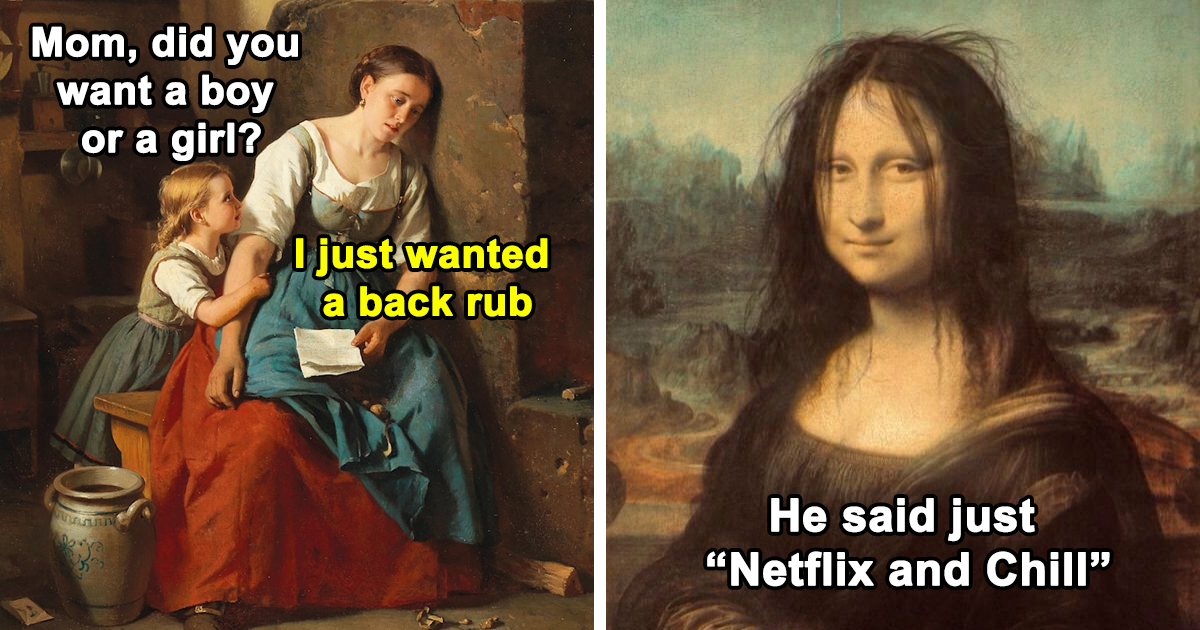
Some Instagram accounts give you outfit inspiration. Some teach you how to make a cloud-shaped latte you will absolutely never attempt. And then there are the rare, glorious accounts that take centuries-old paintings, slap on a brutally accurate caption, and somehow explain modern life better than your group chat ever could. That is exactly why Classical Sarcasm hits so hard.
The premise sounds simple: pair classical art with sharp, modern humor. But the result is weirdly perfect. A dramatic Renaissance face becomes the universal expression for “I opened one email and suddenly my whole day is ruined.” A Baroque crowd scene transforms into the emotional landscape of a family group text. One exhausted saint can communicate more about burnout than an entire productivity podcast.
That is the genius of classical art memes. They take images we associate with museums, textbooks, and serious cultural reverence, then throw them directly into the chaos of internet humor. The contrast is what makes them funny. The surprise is what makes them shareable. And the truth hiding inside the joke is what makes people say, “Okay, wow, that is way too relatable.”
In a digital world overflowing with disposable jokes, this kind of meme account stands out because it does more than chase a laugh. It turns old paintings into a new visual language for stress, awkwardness, pettiness, social exhaustion, and those tiny personal catastrophes that make up everyday life. Somehow, a 400-year-old face can still look exactly like someone who just remembered they sent “you too” after the waiter said “enjoy your meal.” Incredible. Timeless. Slightly cursed.
Why Classical Sarcasm Works So Well
The real secret behind Classical Sarcasm is not just the sarcasm. It is the emotional compatibility between classical art and modern overthinking. Classical paintings are already full of exaggerated gestures, dramatic poses, suspicious side-eyes, and the kind of theatrical suffering that fits online humor like a velvet glove. Long before meme culture existed, artists were already painting jealousy, vanity, panic, vanity again, and one person in the corner who clearly regrets attending the event.
That built-in drama makes classical works ideal meme templates. The images feel elevated, but the emotions feel immediate. You do not need an art history degree to understand a woman staring blankly into the distance while surrounded by nonsense. You just need to have lived through Monday.
The captions matter too. The best memes on accounts like this are not random one-liners pasted onto a painting for easy engagement. They work because the wording feels contemporary, casual, and painfully familiar. The joke lands in seconds. You see the face, read the line, and your brain instantly connects the two. That friction between “high art” and “low chaos” creates comedy gold.
Old Paintings, New Problems
Part of the fun is seeing how little human behavior has changed. Sure, the clothes are fancier, and nobody in the painting is holding an iced coffee the size of a fire extinguisher. But the emotions are basically identical. People were annoyed, dramatic, insecure, smug, nosy, lovesick, petty, and deeply tired long before Wi-Fi showed up.
This is why classical art memes feel oddly reassuring. They suggest that humanity has always been a little ridiculous. We are not inventing social awkwardness. We are just documenting it with better lighting and worse attention spans.
Why The Internet Loves Mixing High Culture With Low-Stakes Chaos
The internet has always loved remixing familiar images. Memes spread because they are easy to recognize, easy to adapt, and easy to pass along. When a creator uses classical art, they are working with imagery that already carries emotional weight, symbolism, and visual drama. That gives the joke more texture right away.
There is also something deliciously rebellious about turning museum-worthy art into a joke about unread emails or social burnout. It gently pokes at the idea that art has to be solemn to be meaningful. In reality, humor often gets people to engage more deeply, not less. A joke can be the doorway. The laugh is what gets people to stop scrolling for two seconds and really look.
That is one reason art memes feel more durable than a lot of internet content. Even when the caption is very online, the image has staying power. Classical paintings carry mood. They bring texture, composition, color, and expression that elevate the meme beyond a disposable screenshot. It is the difference between a paper plate snack and a tiny dessert served on antique china. Same sugar rush, better presentation.
Accessibility Without The Lecture
Accounts like Classical Sarcasm also make art feel less intimidating. Plenty of people love museums but still feel like they are “not art people.” Classical art memes quietly bulldoze that anxiety. They say, in effect, “Relax. You are allowed to laugh at this. You are allowed to connect with it. You are allowed to see yourself in it.”
That is powerful. When art becomes part of everyday humor, it moves out of the velvet-rope zone and into ordinary life. It becomes something people can use, remix, discuss, and enjoy without waiting for permission from a gallery wall label.
Classical Art Was Never As Humorless As People Pretend
One of the smartest things about this whole meme niche is that it accidentally reveals a truth about art history: old art was not always stiff, pious, and humor-free. In fact, many historical works included satire, visual jokes, parody, exaggeration, and downright strange details that modern viewers often miss.
That matters because it means these memes are not just mocking the past. In many cases, they are continuing a conversation the past already started. A sarcastic caption placed over an expressive old painting is not always a betrayal of the artwork. Sometimes it feels like a modern translation of its original energy.
Think about crowded scenes full of gossip and chaos, portraits with barely concealed attitude, or symbolic imagery that was meant to provoke a reaction. Artists have long understood that a powerful image can entertain while it critiques. Social media just gave that instinct a faster distribution method and a comment section full of people typing “me.”
The Joke Is Often In The Recognition
The funniest classical memes are not necessarily the most outrageous ones. Often, they are the most precise. A slightly raised eyebrow. A hand gesture that screams “I am not doing this today.” A group composition that mirrors office politics with terrifying accuracy. These details make the joke feel earned.
Recognition is the real engine of meme humor. You laugh because you know the feeling. The painting becomes a mirror, and the caption becomes the thought you did not say out loud. That combination is exactly why these posts travel so well across feeds, stories, and group chats. They are not just funny; they are socially useful. They help people communicate a mood fast.
Why Classical Sarcasm Feels So Shareable
Some content gets a like. This kind of content gets sent to three friends with the message, “This is literally you.” That difference matters.
Classical Sarcasm thrives because it is built for reaction. The posts are easy to understand at a glance, but they also reward repeat viewing. First you laugh at the caption. Then you look back at the painting and notice a second face in the background looking even more offended. Suddenly the meme gets better. It has layers. Like a Renaissance onion.
Shareability also comes from emotional versatility. These memes can be used for work stress, dating fatigue, friend drama, family awkwardness, social anxiety, procrastination, money panic, and those tiny daily humiliations that nobody escapes. In other words, they are highly efficient emotional packaging.
That is the magic formula for modern meme success: recognizable feeling, strong visual identity, and wording that sounds like something your funniest friend would say. Classical art just gives the joke a level of drama that everyday photos cannot match.
Examples Of Why These Memes Hit So Hard
Imagine a painting of a woman looking politely haunted while three men gesture enthusiastically around her. Add a caption about sitting through a meeting that could have been an email, and suddenly the painting becomes spiritually contemporary.
Or picture a grand mythological scene full of pointing fingers and emotional collapse. Pair it with a line about realizing you sent a risky text to the wrong person, and now we are not just looking at art. We are looking at a documentary.
Even the smaller reactions work beautifully. A saint looking mildly disappointed becomes a meme about opening the front camera by accident. A nobleman leaning back with obvious judgment becomes the entire mood of hearing someone say, “Actually, pineapple on pizza is the deepest form of culinary expression.” The best classical art memes succeed because the facial expressions do half the writing for you.
What This Trend Says About Culture Right Now
The popularity of accounts like Classical Sarcasm says a lot about how people want to engage with culture in 2026. We still crave beauty, but we also crave speed. We still appreciate art, but we want it to feel alive. We are drawn to content that can make us laugh immediately while still feeling clever enough to share without embarrassment.
That balance is hard to pull off. Too academic, and people scroll away. Too lazy, and the joke evaporates. Classical art memes occupy the sweet spot between smart and unserious. They feel cultured without being smug. They feel online without being disposable. They offer a little visual richness in a content ecosystem that often looks like it was assembled during a power outage.
There is also comfort in seeing that human messiness transcends time. When an old painting suddenly feels like a comment on your workweek, it shrinks the distance between centuries. The past stops being remote. It becomes weirdly companionable. Apparently, people have always looked one inconvenience away from a complete emotional collapse. Nice to know.
A 500-Word Look At The Experience Of Following This Kind Of Account
Following an account like Classical Sarcasm is a strangely specific internet experience. It usually starts innocently. You see one post shared to someone’s story, laugh harder than expected, and think, “Okay, that was annoyingly accurate.” Then you tap through to the page. Ten minutes later, you are knee-deep in dramatic angels, offended duchesses, sorrowful cherubs, and 17th-century side-eyes that somehow describe every bad decision you made this week.
What makes the experience so addictive is the rhythm of discovery. Each image feels familiar even when you have never seen it before. The paintings carry a built-in grandeur, and the captions bring them crashing down into everyday reality. That collision keeps your brain entertained. It feels elevated and ridiculous at the same time. One second you are admiring brushwork and composition. The next second you are wheezing because a noblewoman in silk has become the face of “me pretending I understand the instructions the first time.” It is deeply unserious in the best possible way.
There is also a social experience built into these memes. They are the kind of posts people do not just consume privately. They send them. Tag them. Save them. Weaponize them lovingly against friends and siblings. “This is you before coffee.” “This is me during finals.” “This is our whole friend group trying to pick a restaurant.” That share-and-respond cycle turns the account into more than entertainment. It becomes a mini language for daily life. Instead of writing a three-paragraph explanation of your mood, you send one Renaissance woman looking betrayed by existence and everybody understands immediately.
Another part of the experience is that it softens the boundary between culture and comedy. For a lot of people, classical art once felt distant, formal, maybe even a little intimidating. But after spending time with an account like this, those paintings begin to feel familiar and approachable. You start noticing expressions, gestures, background details, and emotional cues you might have ignored before. The memes train your eye while pretending they are only there to make you laugh. That is a sneaky little educational bonus, and honestly, more of the internet should try that trick.
Most of all, following this kind of account feels like being reminded that humans have always been gloriously dramatic. The clothes change. The technology changes. The problems get new branding. But the faces stay the same. Exasperation still looks like exasperation. Petty judgment still looks like petty judgment. Emotional burnout still looks like someone in expensive fabric staring into the middle distance while chaos unfolds nearby. There is comfort in that continuity. These memes are funny because they are clever, yes, but they are memorable because they quietly prove that the emotional theater of being human did not begin with social media. Social media just gave it better captions.
Final Thoughts
Classical Sarcasm works because it understands something essential about both art and the internet: people connect fastest through feeling. The paintings provide the feeling. The captions sharpen it. Together, they create memes that are smart, instantly recognizable, and absurdly shareable.
That is why this Instagram account is so funny. It does not just turn classical art into jokes. It reveals that the drama, awkwardness, vanity, fatigue, and chaos of ordinary life have always been visually spectacular. We just finally gave them Wi-Fi, sarcasm, and a caption box.
And honestly? The old masters would probably have loved the engagement.